
Real World Assets (RWA) Tokenization: The Bridge Between Crypto and the Real Economy
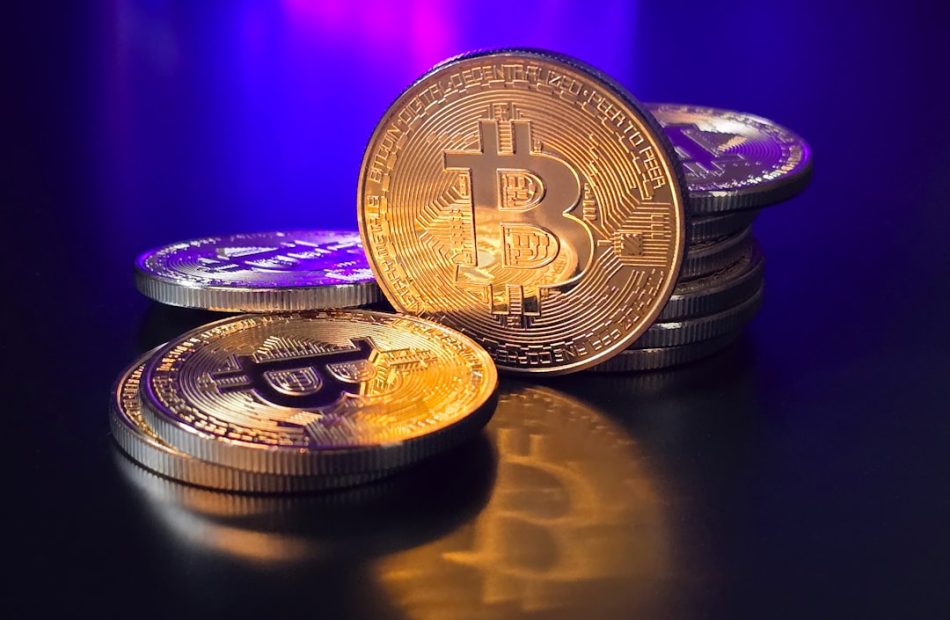
Imagine being able to trade a fraction of a Manhattan skyscraper or a rare Picasso painting with the same ease as swapping a meme coin. That’s the promise of Real World Assets (RWA) tokenization. In 2025, this sector is exploding, offering traders a unique opportunity to diversify beyond volatile crypto-native assets and tap into stable, tangible value. Let’s break down how you can trade this trend without getting lost in the hype.
How it Works
RWA tokenization is the process of converting ownership rights of a physical asset into a digital token on a blockchain. Think of it like digital shares for real estate, commodities (gold, oil), bonds, or even carbon credits. These tokens represent a legal claim to the underlying asset, making it easy to buy, sell, or trade 24/7. For traders, this means you can gain exposure to traditional markets with the speed and liquidity of crypto.
The Setup
1. Identify the RWA Platform: Look for established protocols like Ondo Finance, Centrifuge, or Maple Finance. These are the primary venues where tokenized assets are issued and traded.
Looking for altcoin opportunities and smooth trading? Try KuCoin.

2. Focus on Stable Yield Assets: Unlike wild altcoins, RWAs often generate yield. For example, tokenized U.S. Treasury bills (like those from Ondo) offer a steady APY. A simple trade idea: buy the token when the yield is attractive relative to DeFi lending rates, and hold until the yield compresses or the token price appreciates.
3. Trade the Narrative: RWA tokens often move on news of new partnerships or regulatory approvals. Watch for announcements like “Protocol X tokenizes $10M in real estate” — this can trigger a short-term price pump.
4. Use Technicals with Caution: Since many RWAs are pegged to underlying assets, their price action is less wild. But you can still use support/resistance levels on tokens like ONDO or CFG. When the token breaks above a key moving average (e.g., 50-day SMA) on high volume, it often signals institutional interest.
Risk Management
- Counterparty Risk: The platform holds the real asset. If the platform gets hacked or goes bankrupt, your token might become worthless. Stick to audited, well-known protocols.
- Regulatory Risk: Governments could change laws around tokenized assets. Diversify across jurisdictions and stay updated on SEC or EU regulations.
- Liquidity Risk: Some RWA tokens have thin order books. Avoid placing large market orders that could slip. Use limit orders and check the depth chart first.
- Peg Risk: If the token is supposed to track a real asset (like gold), verify that the issuer has a transparent redemption process. A broken peg can lead to severe losses.
- Position Sizing: Never allocate more than 10-15% of your portfolio to any single RWA project. Treat it like a stablecoin with extra upside, not a moonshot.
Conclusion
RWA tokenization is not just a fad; it’s the future of finance. By blending the stability of traditional assets with the efficiency of blockchain, it opens up a new frontier for traders. Start small, focus on yield-generating tokens, and always verify the underlying asset. The bridge between crypto and the real economy is here — are you ready to cross it?