
Mastering Supply and Demand Zones: The Blueprint for High-Probability Trades
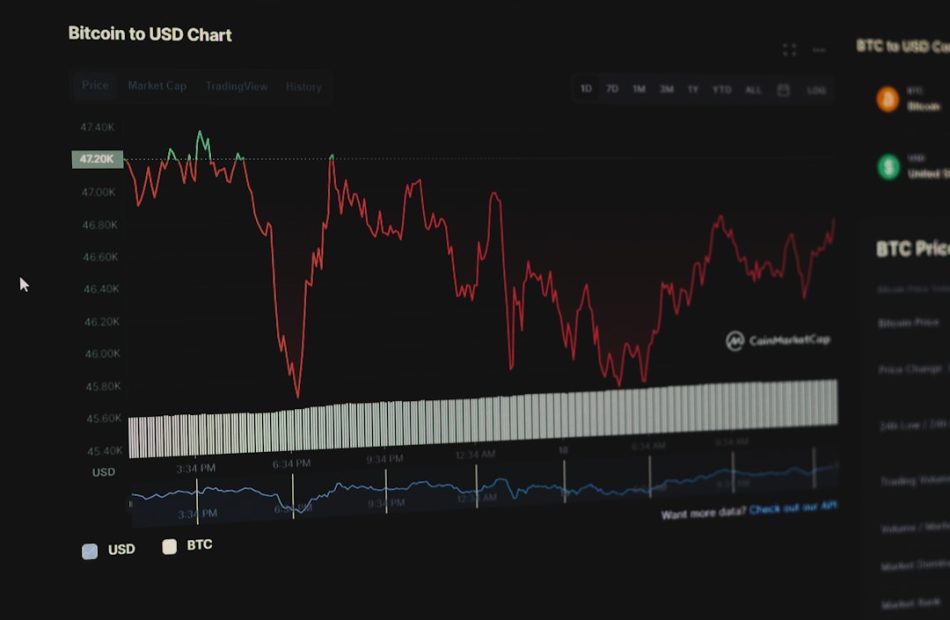
Imagine being able to look at a chart and instantly know where the big money is waiting to buy or sell. That’s the power of Supply and Demand zones. Unlike clunky support and resistance lines, these zones represent actual order imbalances—areas where institutions have stepped in with massive volume. Once you learn to spot them, you’ll stop chasing price and start waiting for it to come to you.
How It Works
Supply and Demand trading is rooted in the simple economics of price action. A Supply Zone is a price area where sellers have overwhelmed buyers, causing a sharp drop. A Demand Zone is where buyers have overwhelmed sellers, causing a sharp rise. The key is that these zones act like magnets: price often returns to retest them before continuing in the original direction.
Think of it this way: when a big bank or fund wants to buy a huge amount of Bitcoin, they can’t just slap a market order. They need to accumulate slowly, creating a base (the demand zone). Once they’ve filled their bags, they let price run. When it returns to that zone, they often defend it again—or trap latecomers.
The Setup
1. Identify a strong move: Look for a long green candle (demand) or red candle (supply) that breaks cleanly from a consolidation area. The base before the move is your zone.
2. Draw the zone: Mark the base as a rectangle. For a demand zone, the bottom is the lowest wick of the base, and the top is the highest wick before the breakout. For supply, reverse it.
3. Wait for a retest: Price will often come back to the zone. Be patient. Don’t chase—let price come to you.
4. Enter on confirmation: Look for a reversal candlestick pattern (e.g., pin bar, engulfing) at the zone edge. For demand zones, buy on a bullish rejection. For supply, sell on a bearish rejection.
5. Set targets: Aim for the next major zone or a 1:2 risk-to-reward ratio. Many traders use the previous swing high/low as a target.
Risk Management
No zone is 100% reliable. Here’s how to protect your capital:
- Stop loss: Place it just beyond the zone. For a demand zone, put your stop below the base. For supply, above the base.
- Position size: Never risk more than 1-2% of your account on a single trade. If the zone is wide, reduce your size.
- Invalidation: If price slices through the zone with strong momentum (e.g., a big candle closing beyond it), the zone is broken. Exit immediately. Don’t hope.
- Multiple timeframes: Check higher timeframes (e.g., 4H or daily) to ensure your zone aligns with major structure. A 15-minute zone that sits inside a daily supply zone is much more powerful.
Conclusion
Supply and Demand zones give you a trader’s edge by revealing where the real action happens. They turn chaotic charts into a clear roadmap. Start by practicing on a demo account—mark every strong move and watch how price reacts on retests. Over time, you’ll develop an intuition for zones that feel like second nature. Remember: the market doesn’t move randomly. It moves from one zone of imbalance to the next. Your job is to ride those waves.