
The Stochastic Dip: How to Catch Fear-Driven Bounces Like a Pro
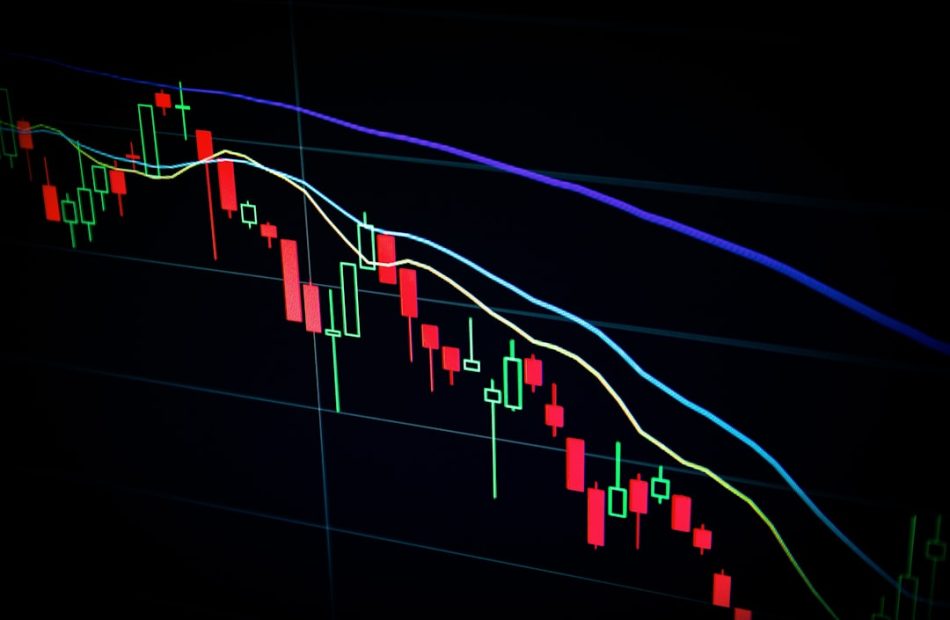
Imagine watching a coin you love drop 5% in an hour. Your first instinct might be panic, but what if I told you that very drop could be your golden entry? Welcome to the world of Stochastic Oscillator dip buying—a strategy that turns market fear into profit.
This isn’t about catching falling knives. It’s about using a proven momentum indicator to spot when a sell-off has gone too far and a bounce is statistically likely. Let’s break it down.
How It Works
The Stochastic Oscillator measures where the current price sits relative to its recent range (usually the last 14 periods). It outputs two lines: %K (fast) and %D (slow). When both lines dip below 20, the asset is considered oversold—meaning sellers have exhausted themselves and buyers might step in.
But here’s the key: Don’t buy the first touch of 20. Wait for the lines to cross back above 20. That cross is your confirmation that momentum is shifting from bearish to bullish.

The Setup
1. Timeframe: Use a 1-hour or 4-hour chart for swing trades. Lower timeframes (5-min) are too noisy for this strategy.
2. Indicator Settings: Standard 14,3,3 (periods, smoothing, signal).
3. The Trigger:
- Both %K and %D drop below 20.
- Wait for %K to cross above %D while still below 30 (the “oversold bounce zone”).
- Enter the trade on the next candle close after the cross.
4. Optional Filter: Check that the asset isn’t in a long-term downtrend. Use a 200-period moving average—price should be above it for higher success.
Risk Management
No strategy works 100% of the time. Here’s how to protect your capital:
- Stop Loss: Place it 2-3% below the recent swing low (the lowest point before the bounce).
- Take Profit: Aim for 1.5x to 2x your risk. If you risk 2%, target 3-4% profit.
- Position Size: Never risk more than 1-2% of your portfolio on a single trade.
- Avoid During News: Major announcements can break technical patterns. Stay out 30 minutes before and after high-impact news.
Common Mistakes
- Buying at 20 without a cross: The price can stay oversold and keep dropping. Patience pays.
- Ignoring the trend: In a strong downtrend, oversold can stay oversold. Always check the bigger picture.
- Over-leveraging: Dip buying is about precision, not gambling. Use small leverage (2x max) or spot trading.
Final Thoughts
The Stochastic Oscillator dip buying strategy is a beautiful blend of art and science. It doesn’t predict the future, but it gives you a statistical edge when fear is at its peak. Practice on a demo account first. Track your trades. Refine your entry.
Remember: The market rewards discipline, not desperation. When everyone else is panicking, you’ll be calmly setting your buy order. That’s the power of the Stochastic dip.