
Mastering the MACD Histogram: A Simple Strategy for Clearer Trades

Ever looked at a chart and felt like the MACD line was teasing you? You’re not alone. The Moving Average Convergence Divergence (MACD) is one of the most popular momentum indicators, but its raw form can be noisy. That’s where the MACD Histogram comes in. This simple tweak strips away the noise and gives you a crystal-clear view of momentum shifts — perfect for catching trend continuations and early reversals.
How It Works
The MACD Histogram is actually the difference between the MACD line (the fast line) and the signal line (the slow line). When plotted as bars, it shows you whether momentum is accelerating or decelerating. Rising bars = growing momentum. Falling bars = fading momentum. The key? Watch for the histogram to turn up or down — not just cross zero.
Why This Matters
- Earlier signals than waiting for a full MACD crossover.
- Clearer divergence — price makes a higher high, but histogram makes a lower high? That’s a warning.
- Reduces false signals — you ignore small wiggles and focus on real momentum changes.
The Setup
1. Add MACD to your chart (default settings: 12, 26, 9 are fine).
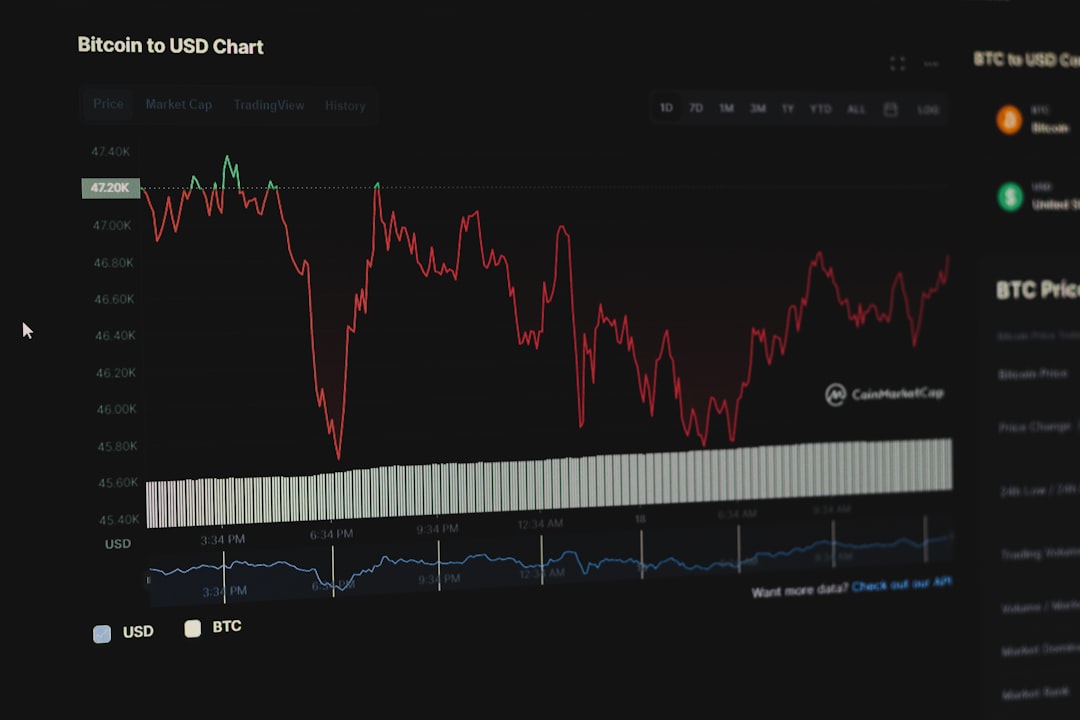
2. Look for the histogram bars — they’ll appear as a separate oscillator below the price.
3. Identify the pattern:
- Bullish setup: Histogram stops making lower lows and prints a higher low (i.e., starts rising). Enter long when the first green bar appears after a series of red bars.
- Bearish setup: Histogram stops making higher highs and prints a lower high (i.e., starts falling). Enter short when the first red bar appears after a series of green bars.
4. Confirmation: Wait for the histogram to clearly change direction. Don’t jump in on a single bar — let two or three bars confirm the shift.
Pro Tip for Beginners
Combine this with a simple moving average (like the 20 EMA). Only take bullish setups when price is above the 20 EMA, and bearish setups when price is below it. This keeps you trading with the trend and boosts your win rate.
Risk Management
No strategy works without protecting your capital. Here’s how to manage risk with this setup:
- Stop Loss: Place your stop just below the most recent swing low (for longs) or above the most recent swing high (for shorts). If the histogram reverses against you, exit quickly.
- Position Size: Never risk more than 1-2% of your account on a single trade. Calculate your stop distance in pips or dollars first, then size accordingly.
- Take Profit: A common approach is to target the next key support/resistance level. Alternatively, trail your stop once the histogram starts to flatten or reverse.
- Avoid Overtrading: Wait for clear histogram direction changes. If the bars are flat or choppy, sit on your hands.
Final Thoughts
The MACD Histogram strategy is not a holy grail — nothing is. But it gives you a clean, objective way to measure momentum without second-guessing every candle. Practice on a demo account first. Get comfortable watching how the histogram behaves during trends and ranges. Over time, you’ll develop an intuitive feel for when momentum is about to shift.
Trade smart, stay disciplined, and let the histogram be your guide.