
Mastering Order Blocks and Fair Value Gaps: The Smart Money Blueprint
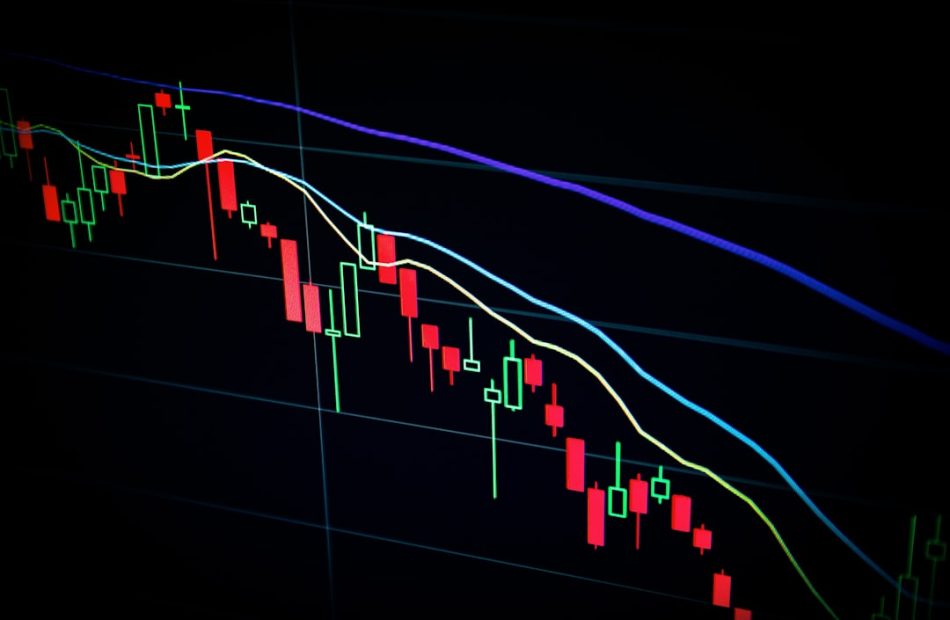
Have you ever watched a chart and felt like the market was moving in ways you just couldn’t predict? You see a sudden spike, a sharp reversal, or a gap that seems to come out of nowhere. What if I told you that these moves aren’t random at all—they’re footprints left by institutional traders, the so-called ‘smart money.’ Today, we’re going to decode two of the most powerful concepts in modern trading: Order Blocks (OBs) and Fair Value Gaps (FVGs). By the end of this post, you’ll have a clear, actionable strategy to spot where the big players are entering and exiting, giving you a massive edge in your trading.
How It Works
Order Blocks are areas on a chart where institutional traders have placed large buy or sell orders. Think of them as zones of significant interest—places where price previously reversed sharply because a big player stepped in. These aren’t just random candles; they are the last candles before a strong move in the opposite direction. For example, in an uptrend, a bullish Order Block is the last red candle before price explodes upward. The logic? Smart money accumulated their position there, and if price returns to that zone, they will likely defend it again.
Fair Value Gaps, on the other hand, are imbalances in price action. They occur when a candle moves so aggressively that it leaves a gap—a space where price didn’t trade. These gaps represent inefficiencies in the market. In traditional finance, gaps often get filled because price seeks to correct these imbalances. In crypto, FVGs are like magnets; price often returns to ‘sweep’ or ‘fill’ them before continuing the trend. When you combine OBs and FVGs, you get a powerful confluence zone: an area where both institutional support and market inefficiency align.
The Setup
Here’s how to set up a high-probability trade using OBs and FVGs:
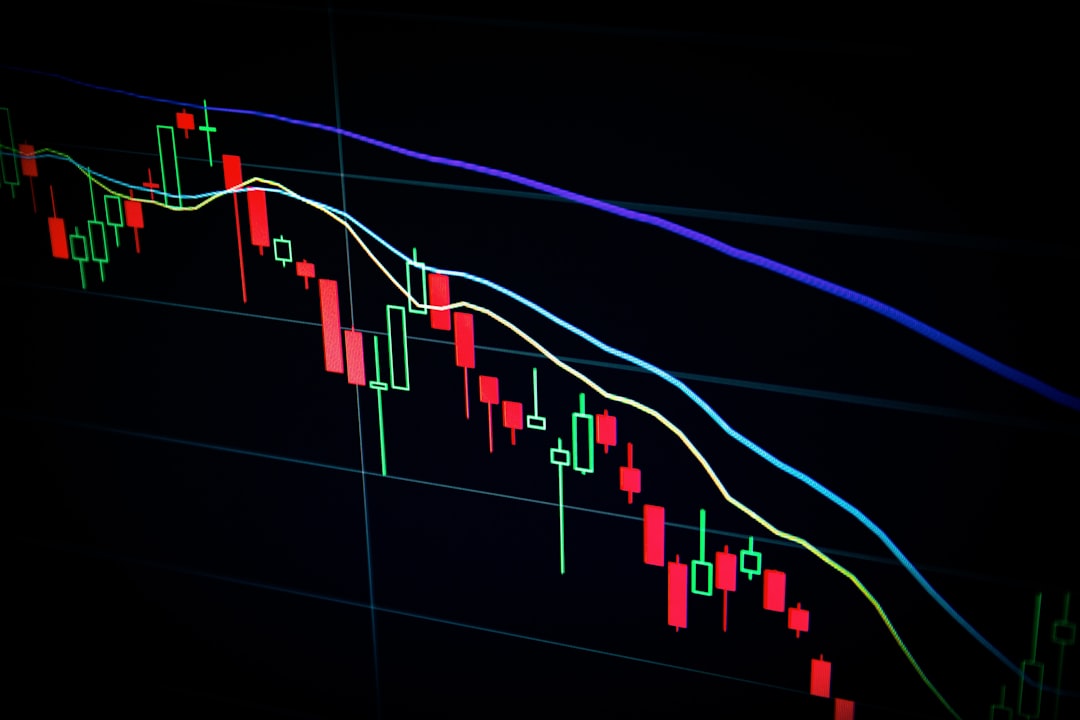
1. Identify the Trend: Start with a higher timeframe (like the 1-hour or 4-hour chart). Determine if the overall trend is bullish or bearish. You want to trade in the direction of the trend.
2. Find a Fair Value Gap: Look for a series of three candles where the middle candle has a gap between its wick and the adjacent candles. On a bullish trend, you want a bullish FVG (where the gap is above the middle candle’s body). On a bearish trend, look for a bearish FVG.
3. Locate the Order Block: Right before the FVG formed, find the last candle that moved against the trend. In a bullish trend, that’s the last red candle before the gap. In a bearish trend, it’s the last green candle. That candle’s range is your Order Block.
4. Wait for a Retest: Don’t chase the price. Wait for price to come back to the Order Block zone. Ideally, price should also touch the Fair Value Gap at the same time. This creates a confluence zone.
5. Enter and Set Stops: Enter the trade when you see a reversal candlestick pattern (like a pin bar or engulfing candle) at the OB/FVG zone. Place your stop loss just below the Order Block (for longs) or above it (for shorts). Your take profit can be the next key resistance or a risk-to-reward ratio of at least 1:2.
Risk Management
No strategy works 100% of the time, and that’s okay. The key to long-term success is protecting your capital. Here are three rules for risk management with OBs and FVGs:
- Position Sizing: Never risk more than 1-2% of your trading account on a single trade. If your stop loss is 2% away from entry, adjust your position size so that a loss equals only 1% of your account.
- Invalidation: If price breaks through the Order Block by more than a few pips (or closes beyond it on the higher timeframe), the setup is invalid. Exit immediately. Don’t hope for a reversal.
- Multiple Timeframe Confirmation: Always check a higher timeframe (e.g., 4-hour or daily) to see if the OB/FVG zone aligns with a major support or resistance level. The more confluence, the higher the probability. And remember, gaps can be filled, but they can also act as strong continuation zones. When in doubt, wait for confirmation.
Conclusion
Order Blocks and Fair Value Gaps are not just fancy terms—they are practical tools that reveal where the smart money is active. By learning to spot these zones, you move from guessing to trading with a clear, logical edge. Start by practicing on a demo account: mark out OBs and FVGs on your charts, wait for retests, and see how often price respects these levels. Over time, you’ll develop an intuition for where the market is likely to turn. Remember, trading is a journey, and every great trader started exactly where you are now. Keep learning, stay disciplined, and let the market come to you.