
Privacy Coins: Navigating the Regulatory Storm
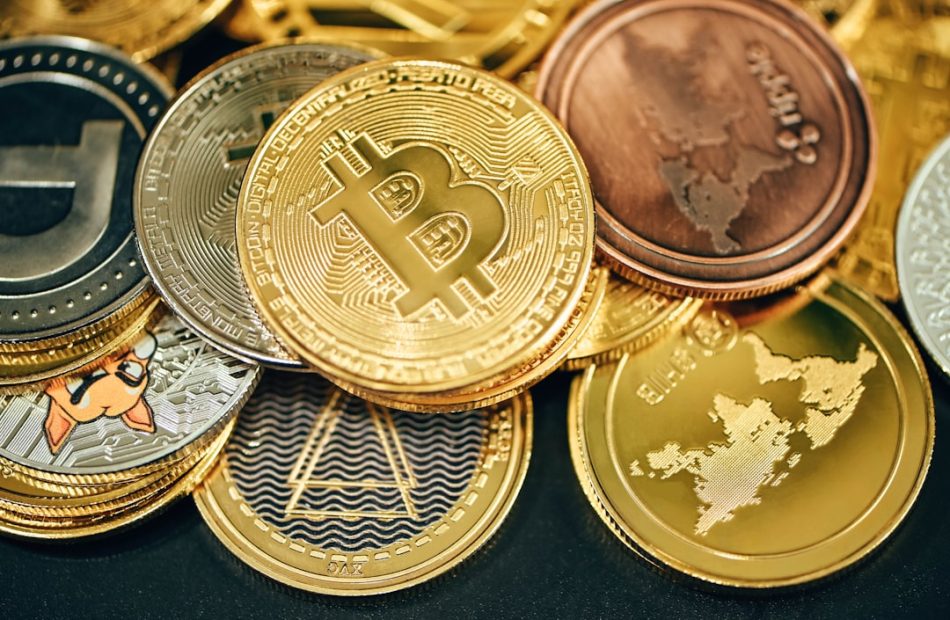
Privacy coins like Monero, Zcash, and Dash offer something that Bitcoin and Ethereum don’t: true anonymity. This makes them powerful tools for traders who value financial privacy. But with great power comes great regulatory risk. In 2024, exchanges are delisting privacy coins at an alarming rate, and governments are tightening the screws. If you’re trading these assets, you need to understand the risks and how to manage them.
How It Works
Privacy coins use advanced cryptography to hide transaction details – sender, receiver, and amount. For example, Monero uses ring signatures and stealth addresses, while Zcash offers optional shielded transactions. This makes them attractive for legitimate privacy needs, but also for illicit activities, which draws regulatory scrutiny.
The Regulatory Landscape
Regulators worldwide are taking a hard stance. The Financial Action Task Force (FATF) has issued guidelines that require exchanges to collect user data on privacy coin transactions. Some jurisdictions, like Japan and South Korea, have already banned privacy coins outright. In the EU, the upcoming Markets in Crypto-Assets (MiCA) regulation could impose strict requirements. The result? Major exchanges like Coinbase, Kraken, and Binance have delisted or restricted privacy coins in certain regions.
The Setup for Traders
If you trade privacy coins, watch for these triggers:
- Delisting announcements: When an exchange delists a privacy coin, the price often drops sharply. Monitor exchange blogs and regulatory news.
- Regulatory votes: Key decisions by the FATF, EU Parliament, or US SEC can cause volatility. Set price alerts.
- Network upgrades: Privacy coin upgrades that improve compliance (like Zcash’s shielded pool) can boost sentiment.
Risk Management
Here’s how to protect your portfolio:
- Diversify: Don’t go all-in on privacy coins. Keep a mix of mainstream cryptos like Bitcoin and Ethereum.
- Use decentralized exchanges (DEXs): If centralized exchanges delist, you can still trade on DEXs like Uniswap or SushiSwap (if the privacy coin is wrapped).
- Stay liquid: Avoid holding large positions during regulatory events. Have a stop-loss in place.
- Keep records: For tax and compliance, maintain clear transaction logs. Some privacy coins offer view keys to prove balances without exposing your full history.
Conclusion
Privacy coins are not going away, but they face an uphill battle. As a trader, your job is to stay informed and adapt. The regulatory environment is evolving fast, so keep one eye on the news and the other on your charts. With careful risk management, you can navigate the storm and potentially profit from the volatility. Remember: in crypto, uncertainty creates opportunity.