
Unlock the Market’s Secret Language: A Beginner’s Guide to the Wyckoff Method
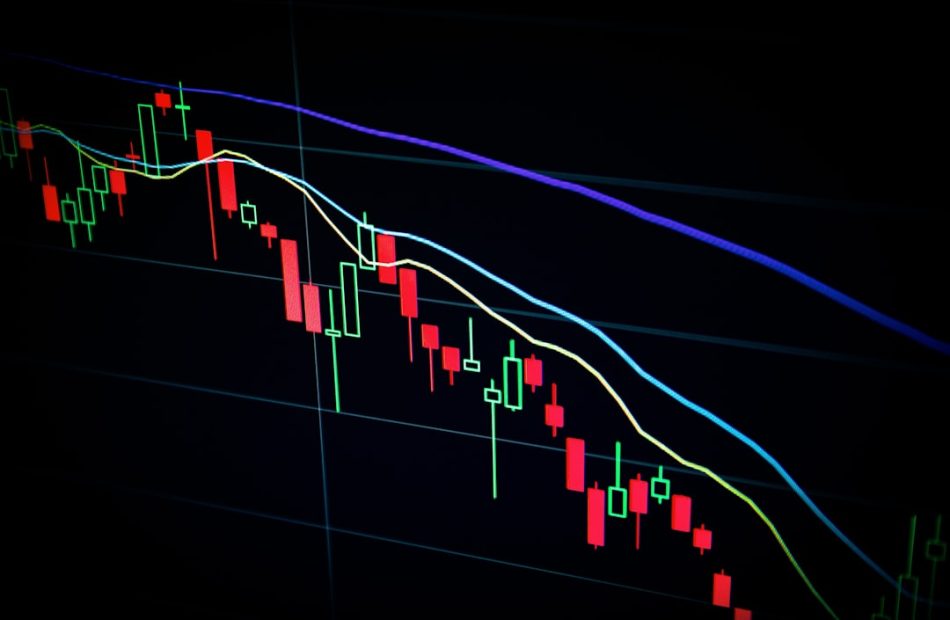
Have you ever looked at a chart and felt like the market was speaking a language you just couldn’t understand? The ups and downs seem random, driven by news and hype. But what if I told you there’s a method—developed over 100 years ago—that can help you read the market like a book? Welcome to the Wyckoff Method. It’s not about magic indicators; it’s about understanding the psychology of the big players (the ‘Composite Operator’) and how they accumulate and distribute assets. Let’s break it down in a way that’s clear, modern, and immediately useful for your trading.
How It Works
The Wyckoff Method is built on three core laws: Supply and Demand, Cause and Effect, and Effort vs. Result. Think of it like this: price movements are not random; they are the result of a battle between smart money (institutions) and the public. The method focuses on analyzing price action and volume to identify the phases of this battle.
The Wyckoff Cycle: Accumulation, Markup, Distribution, Markdown
The entire market moves in a cycle. The Wyckoff Method gives names to these four distinct phases:
1. Accumulation: Smart money is quietly buying while the public is selling in fear (often after a downtrend). Price moves sideways in a range.
2. Markup: The smart money has finished buying. They start pushing the price up. This is the strong uptrend.
3. Distribution: The smart money is selling their holdings to the public, who are now excited and buying. Price moves sideways again.
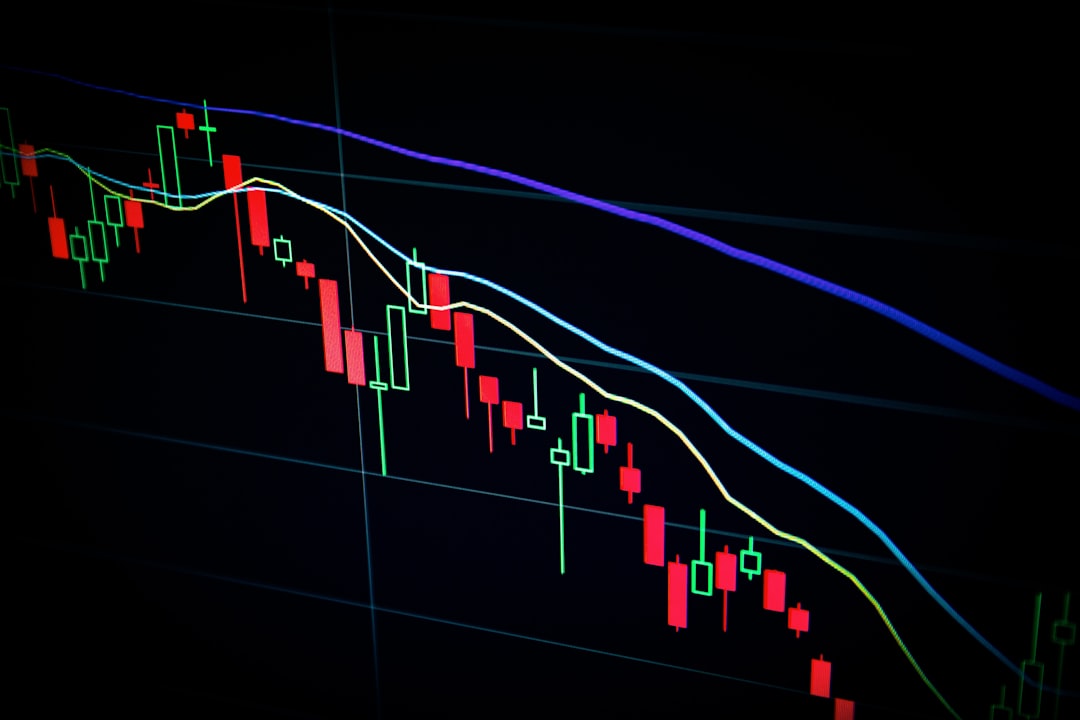
4. Markdown: Supply overwhelms demand. The price falls sharply as the public panic-sells.
The key is to identify where we are in this cycle. You want to buy during Accumulation and sell during Distribution.
The Setup: Identifying the Phases
Let’s zoom into the Accumulation phase. It’s not just a flat line. It has specific price and volume events that act as your trading signals.
The Accumulation Schematic
1. Preliminary Support (PS): After a downtrend, volume spikes and price stops falling. This is the first sign of buying interest.
2. Selling Climax (SC): A sharp, final sell-off with huge volume. The smart money absorbs all the panic selling.
3. Automatic Rally (AR): The price bounces up from the SC because the selling pressure is exhausted.
4. Secondary Test (ST): Price returns to the SC area but on lower volume. This confirms that the selling pressure has dried up. The smart money is in control.
5. Spring (Optional but Powerful): A final, deceptive drop below the SC support level that quickly reverses. This shakes out the last weak hands before the markup begins.
Your Setup: Look for the SC and ST pattern on a daily or 4-hour chart. When you see an ST with low volume, or a Spring that reverses strongly, consider your entry. You are buying in the Accumulation zone.
Risk Management
The Wyckoff Method is powerful, but no strategy is perfect. Risk management is your safety net.
- Stop Loss Placement: Place your stop loss below the lowest point of the Accumulation zone (below the SC or Spring). If price breaks below this level with high volume, your thesis is wrong. Get out.
- Position Sizing: Never risk more than 1-2% of your trading capital on a single trade. The Wyckoff Method gives you high-probability setups, but it’s not 100%.
- Wait for Confirmation: Don’t jump in at the first sign of a PS. Wait for the ST or a clear Spring. Patience is your greatest asset in Wyckoff trading.
Conclusion
The Wyckoff Method is like learning to read the footprints of the smart money. It shifts your focus from ‘what will happen next?’ to ‘what is happening right now?’ By understanding accumulation and distribution, you stop trading against the tide and start trading with the institutional flow. It takes practice to spot these patterns, but start by looking at historical charts. Find the SC, ST, and Springs. The more you see them, the more you’ll trust them. You’ve got this—go find those footprints.