
Unlocking the Value of the Physical World: How to Value DePIN Projects

Imagine a network of thousands of small sensors, each measuring air quality in a city, all owned by individuals and all feeding data into a single, tamper-proof ledger. That’s the promise of DePIN (Decentralized Physical Infrastructure Networks). But as a trader, how do you figure out if a DePIN token is undervalued or just a flash in the pan? Let’s break down a practical valuation framework.
How it Works
DePIN projects combine real-world assets (like routers, sensors, or storage drives) with blockchain incentives. Unlike a pure software protocol, their value is tied to the utility of the physical network. The core driver is network density—the more nodes (devices) you have in a specific location, the more valuable the service becomes. Think of Helium (hotspots for IoT) or Filecoin (decentralized storage).
The Setup
To value a DePIN project, we focus on three key metrics:
Looking for altcoin opportunities and smooth trading? Try KuCoin.
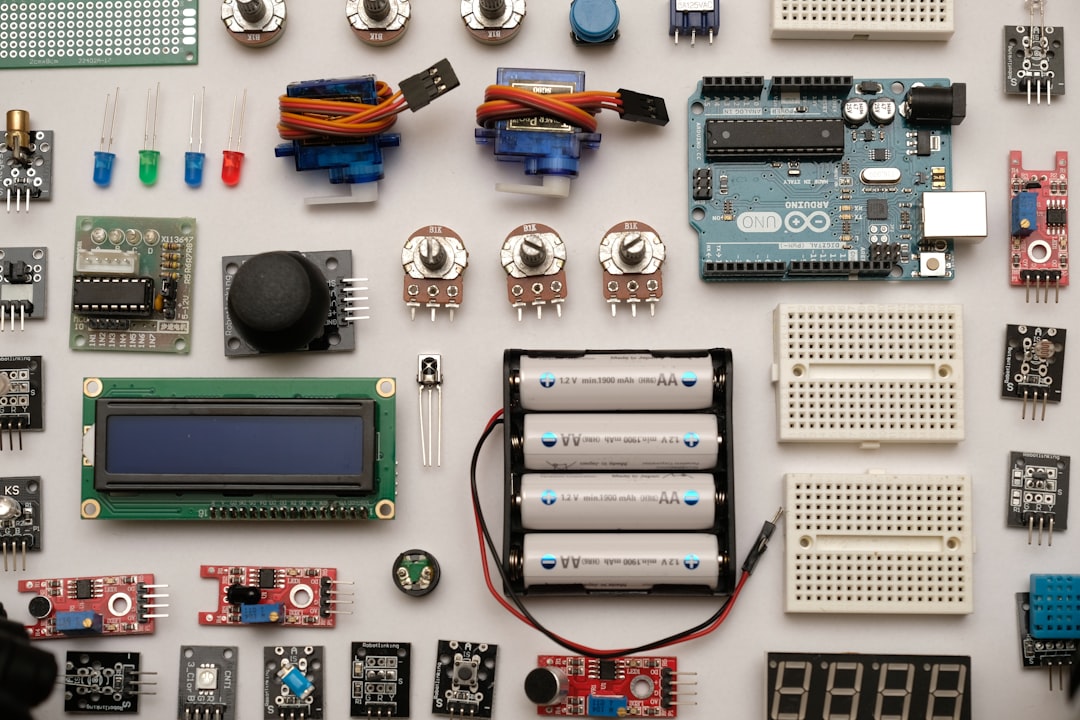
1. Revenue per Node (RPN): How much does the average device earn in fees? This shows real demand. Compare RPN across similar projects.
2. Cost to Deploy: The price of a physical node (e.g., a $500 router). If RPN is high relative to cost, it attracts more miners, which can dilute token value.
3. Token Velocity: How fast is the token changing hands? High velocity can signal speculation, but low velocity with high usage is a bullish sign.
Pro Tip: Look at the Utility Ratio—total network revenue divided by token market cap. A ratio above 1x suggests the token may be undervalued relative to the economic activity it supports.
Risk Management
DePIN projects carry unique risks. Physical hardware can fail or become obsolete. Regulatory hurdles (e.g., radio frequency licenses for hotspots) can shut down a network. Always:
- Diversify across at least 3 different DePIN sectors (wireless, storage, sensing).
- Monitor network growth monthly—a plateau in node count is a red flag.
- Set a stop-loss at 20% below your entry if the project’s mainnet launch is delayed.
Conclusion
DePIN is one of the most exciting bridges between crypto and the real world. By focusing on revenue per node, deployment costs, and token velocity, you can spot projects that are building real utility, not just hype. Start small, track the metrics, and let the network do the talking.
Ready to dig deeper? Check out our DePIN dashboard at CryptoSimplified.net.