
Ethereum vs Solana Ratio Trading: How to Profit from the Layer-1 Battle
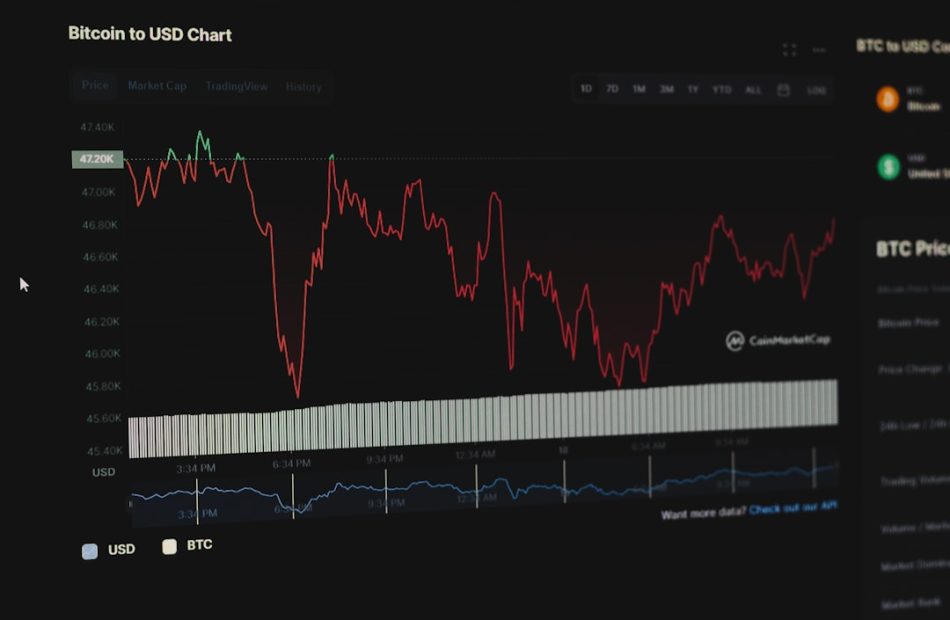
If you’ve been watching the crypto markets lately, you’ve seen it: Ethereum and Solana are locked in a tug-of-war for dominance. One week ETH is surging on ETF news, the next SOL is breaking out on DeFi activity. As a trader, you don’t have to pick a winner—you can trade the relationship between them. Welcome to ratio trading.
How it Works
Ratio trading (also called pair trading) is simple: instead of buying one asset, you trade one against the other. You create a synthetic pair, like ETH/SOL, and profit from the relative movement. When ETH outperforms SOL, the ratio goes up—you can go long. When SOL outperforms, the ratio goes down—you can go short.

Looking for altcoin opportunities and smooth trading? Try KuCoin.
The Setup
You’ll need a chart of the ETH/SOL ratio. Most exchanges don’t list it directly, but you can calculate it manually: divide the price of ETH by the price of SOL. Plot that on a line chart. Look for:
- Support and Resistance levels on the ratio itself.
- Divergences with the broader market (e.g., ratio dropping while both coins rise).
- Key events like network upgrades or regulatory news affecting one chain more than the other.
When the ratio hits a clear support level and shows bullish divergence, consider going long ETH and short SOL (or just buy the ratio via a synthetic product). When it hits resistance, reverse the trade.
Risk Management
Ratio trading isn’t risk-free. The biggest danger is a trend change in the ratio that you didn’t anticipate. Always use stop-losses on the ratio level itself, not just on the individual coins. Position size matters—don’t allocate more than 5-10% of your trading capital to a single ratio trade. And remember, this is a mean-reversion strategy in the short term, but a trend-following one in the long term. Know your timeframe.
Conclusion
The ETH vs SOL ratio is one of the most active and liquid pair trades in crypto. It captures the narrative battle between the two leading smart contract platforms. By mastering this simple strategy, you can profit from volatility without betting on a single coin. Start small, keep a trading journal, and let the ratio guide you.