
Why Revenge Trading is Your Worst Enemy (And How to Stop It)

You just took a bad loss. Maybe the market flipped on a dime, or you broke your own rules. Now your account is red, and your ego is bruised. The immediate urge? Jump back in, double your size, and win it all back. That’s revenge trading, and it’s one of the fastest ways to blow up an account. Let’s break down why it happens and, more importantly, how to stop it.
The Psychology Behind It
Revenge trading isn’t about strategy—it’s about emotion. After a loss, your brain floods with frustration, anger, and a desperate need to ‘get even.’ You stop thinking like a trader and start acting like a gambler. Your risk tolerance disappears, your rules get thrown out, and suddenly you’re chasing price action with no plan. The market doesn’t care about your feelings. It will punish you again, harder this time.
How to Break the Cycle
Step 1: Walk Away
The moment you feel the urge to revenge trade, physically step away from your screen. Go for a walk, drink water, or do anything that resets your mental state. A 15-minute break can save you weeks of recovery.
Step 2: Journal the Loss
Write down exactly what happened: why you entered, why you exited, and what you felt. This turns an emotional event into a learning opportunity. Over time, you’ll spot patterns in your behavior.
Step 3: Set a Daily Loss Limit
Before you start trading, decide on a maximum loss you’re willing to take in a single day. Once you hit that number, you’re done. No exceptions. This rule protects you from your own impulses.
Step 4: Size Down
If you must trade after a loss, cut your position size by at least 50%. This reduces the emotional weight and lets you focus on process over profit.
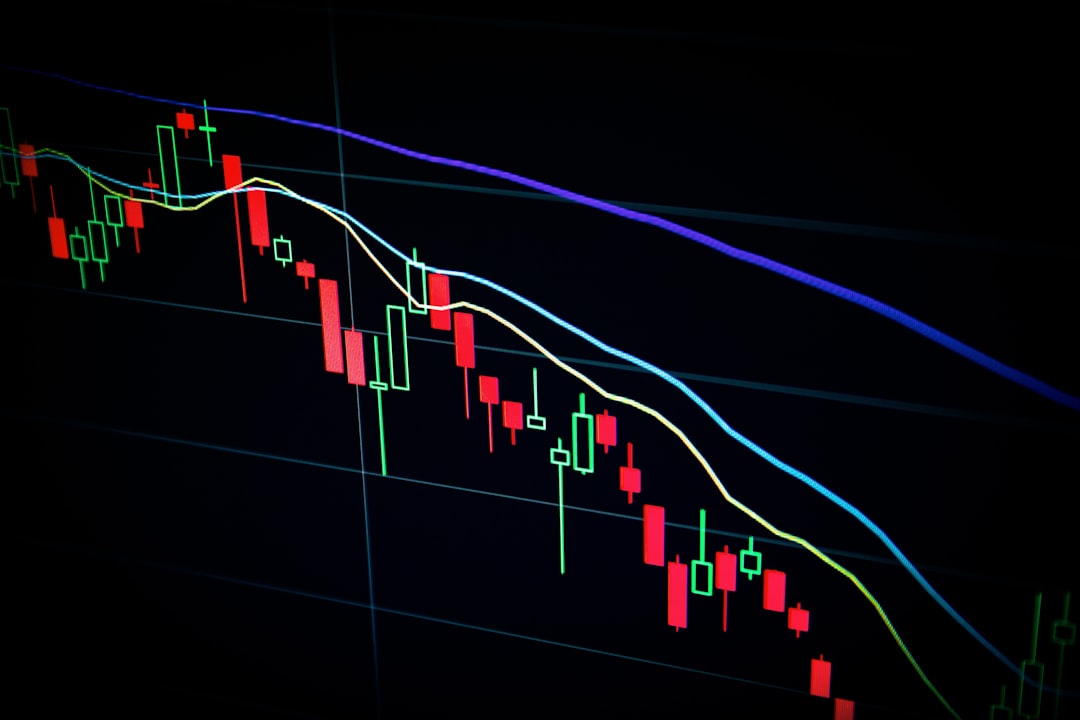
The Setup for Recovery
Revenge trading happens when you’re attached to outcomes instead of process. The fix? Create a pre-trade checklist. Before every entry, ask yourself:
- Does this setup meet my criteria?
- Am I trading because of a signal or because of anger?
- What’s my stop loss and target?
If the answer to question two is anything other than ‘a clear signal,’ close the chart and walk away.
Risk Management Rules
1. Never risk more than 1-2% of your account on a single trade. This ensures one loss doesn’t trigger revenge.
2. Use hard stop losses. No mental stops—they disappear when emotions run high.
3. Track your emotional state. Rate your mood (1-10) before each trade. If you’re above 7 or below 4, don’t trade.
4. Reward discipline, not wins. Celebrate when you follow your rules, even if you lose. That’s the habit that compounds.
Final Thoughts
Revenge trading is a tax on emotional immaturity. The market will always offer another opportunity tomorrow. The only thing you lose by walking away today is the chance to make a bad trade worse. Master your emotions, and you master the market.
Trade smart. Stay disciplined. Your future self will thank you.