
How to Master the VWAP Day Trading Strategy (Even as a Beginner)
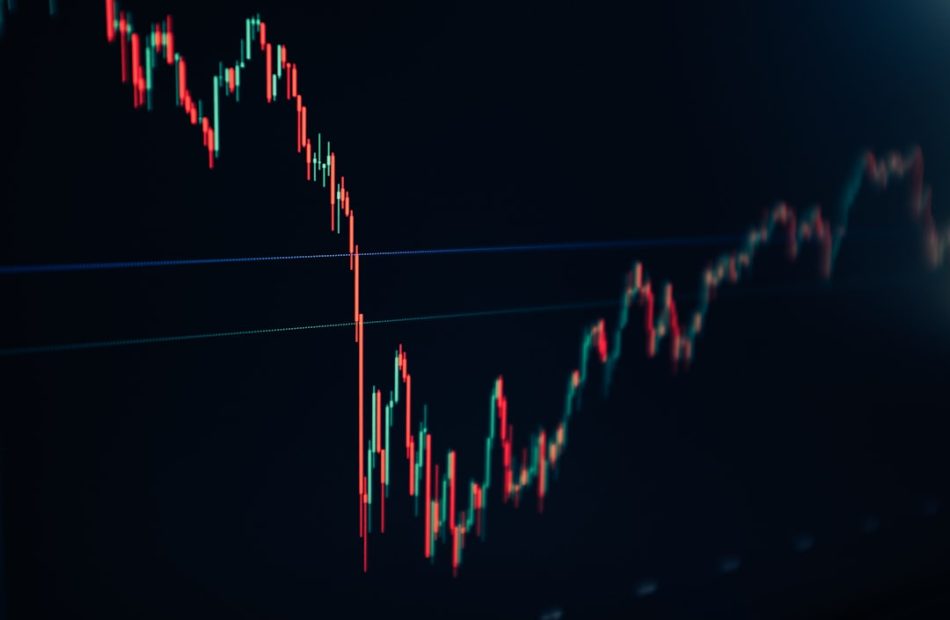
Have you ever watched a stock or crypto asset rally all day, only to crash back down in the last hour—and wondered why? The answer often lies in a single, powerful metric: Volume Weighted Average Price (VWAP).
VWAP is the holy grail for intraday traders. It tells you the true average price of an asset, factoring in both price and volume. Think of it as the market’s “fair value” for the day. When price is above VWAP, bulls are in control. When it dips below, bears take charge. In this guide, I’ll show you how to use VWAP to spot entries, exits, and ride the momentum like a pro.
How It Works
VWAP is calculated by taking the total dollar value of all trades (price x volume) and dividing it by the total volume for the day. The result is a line that updates with every tick. Unlike moving averages that look back at past data, VWAP resets at the start of each trading session. That makes it perfect for day trading.
Why it matters: Institutions (banks, hedge funds, whales) use VWAP to execute large orders without moving the market. When you follow VWAP, you’re essentially trading alongside the smart money.
The Setup
You don’t need fancy indicators. Just add VWAP to your chart (available on TradingView, Binance, and most platforms). Set your chart to a 1-minute or 5-minute timeframe for day trading. That’s it.
Bullish Setup (Buy)
- Condition: Price crosses above VWAP with strong volume.
- Entry: Buy on the retest. Wait for price to pull back to VWAP (the line) and bounce.
- Target: Look for a move to the previous day’s high or a key resistance level.
- Stop Loss: Below the recent swing low or below VWAP by 1–2%.
Bearish Setup (Sell/Short)
- Condition: Price crosses below VWAP with heavy volume.
- Entry: Short on the retest. Wait for price to rally back to VWAP and get rejected.
- Target: Previous day’s low or a support zone.
- Stop Loss: Above the recent swing high or above VWAP by 1–2%.
Risk Management
VWAP is powerful, but no strategy works without discipline. Here’s how to protect your capital:
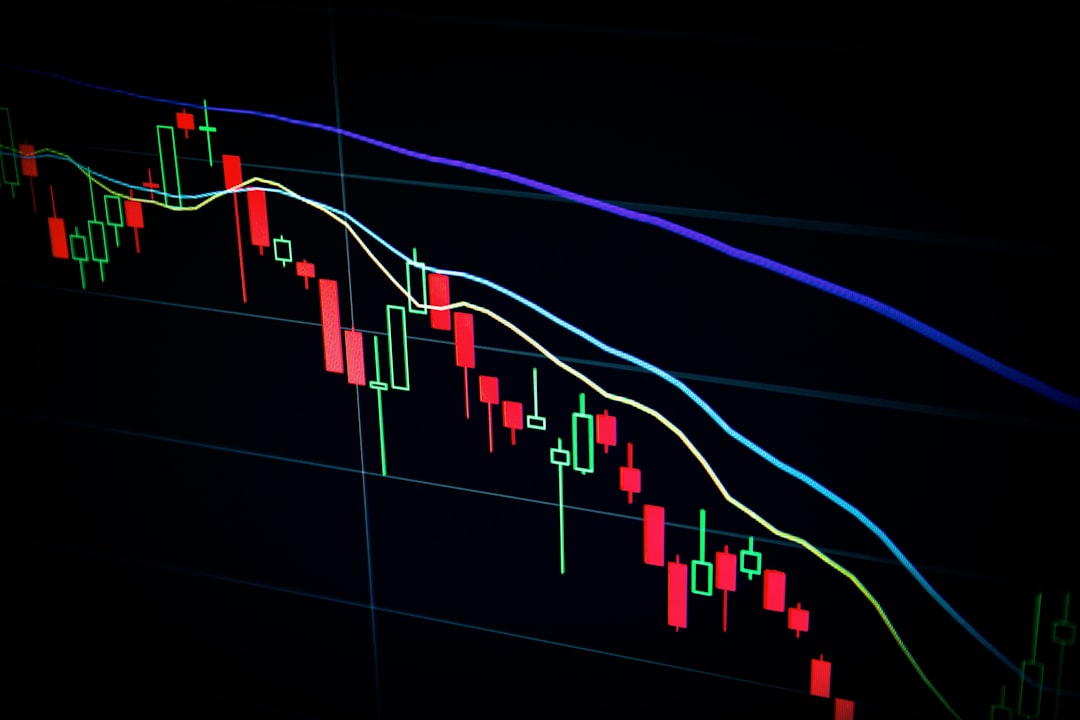
1. Risk 1% per trade. Never risk more than 1% of your account on a single trade. If your stop loss is 5% away, only use 20% of your capital.
2. Volume confirms everything. A VWAP breakout on low volume is a trap. Wait for volume spikes (use the volume indicator) before entering.
3. Be aware of the time. VWAP is most effective in the first 2–3 hours of the session. After lunch, volume dries up and VWAP becomes less reliable.
4. Don’t chase. If price is 3% away from VWAP, don’t buy. Wait for it to come back. Patience pays.
Conclusion
VWAP is not a magic bullet, but it’s one of the few tools that gives you an edge in the chaotic world of day trading. By combining price action, volume, and VWAP, you can trade with the flow of institutional money—not against it.
Start practicing on a demo account. Mark your charts, watch how price reacts at VWAP, and soon you’ll see patterns you never noticed before. Remember: the goal is not to be right all the time, but to manage risk and let probabilities work in your favor.
Now go ahead—add VWAP to your chart and take the first step toward trading with confidence.