
Mastering the Market’s Language: How to Read Japanese Candlestick Patterns Like a Pro
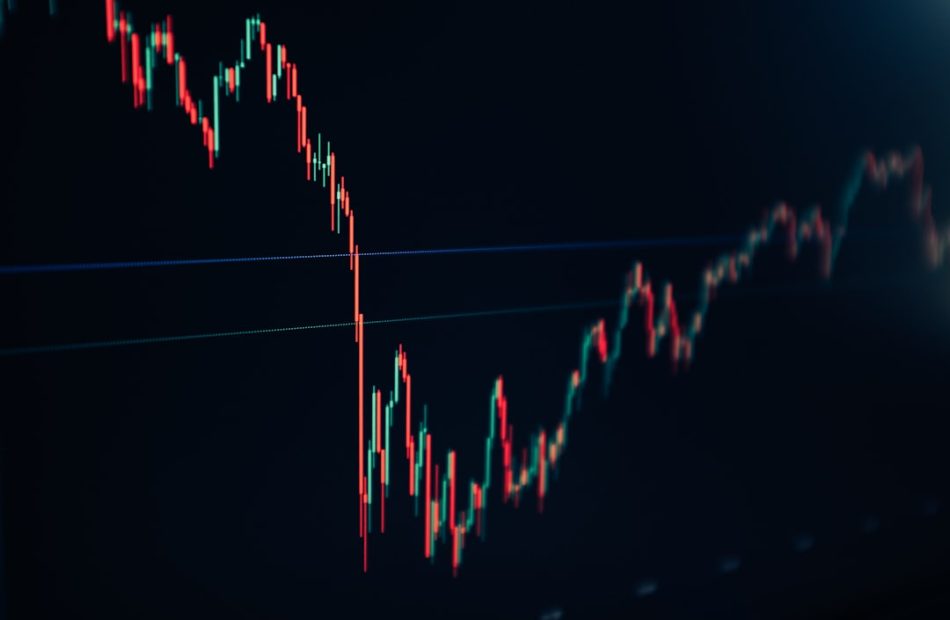
Imagine being able to glance at a chart and instantly understand the emotional battle between buyers and sellers. That’s the power of Japanese candlestick patterns. Originating from 18th-century rice traders in Japan, these visual tools have stood the test of time because they work. For beginner and intermediate traders, candlestick patterns offer a clear, modern way to spot potential reversals, continuations, and market sentiment without needing complex indicators. Let’s break down how you can start using them today.
How It Works
Each candlestick represents price action over a specific time period—whether 1 minute, 1 hour, or 1 day. The body shows the opening and closing prices, while the wicks (or shadows) show the high and low. When the close is higher than the open, the candle is typically green (bullish). When the close is lower, it’s red (bearish). But the real magic happens when you look at patterns formed by one or more candles.
The Setup
Here are three beginner-friendly patterns to watch for:
1. The Hammer (Bullish Reversal): A small body at the top of the candle with a long lower wick (at least twice the body length). It appears after a downtrend and suggests sellers pushed the price down, but buyers stepped in to drive it back up. Look for this near support levels.
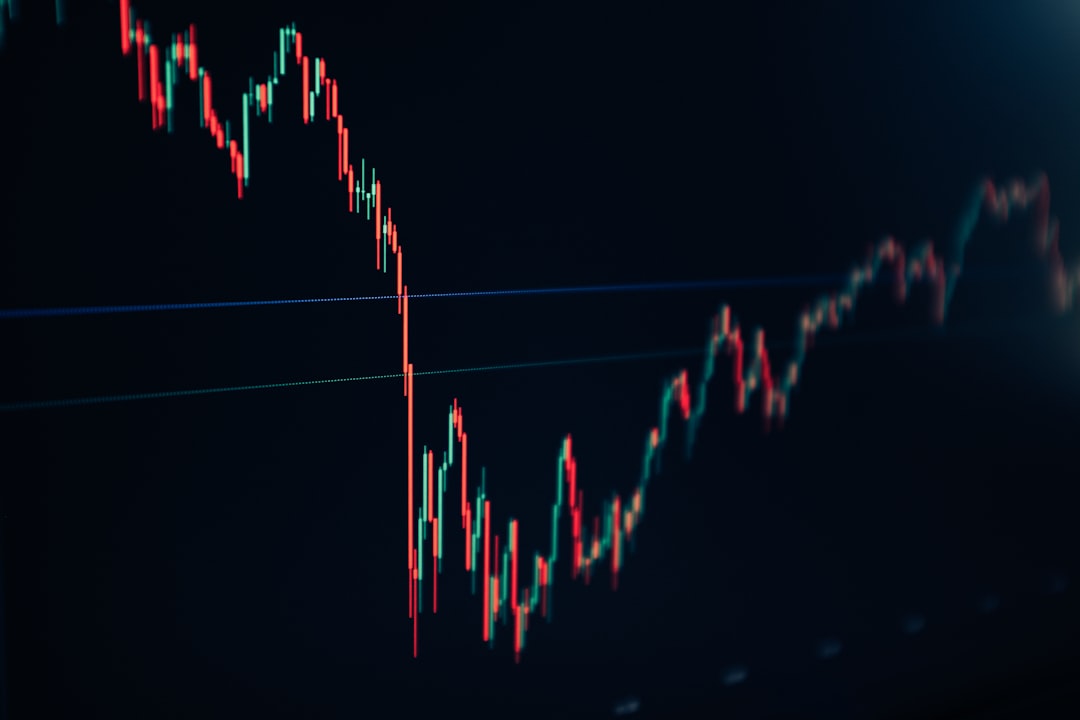
2. The Shooting Star (Bearish Reversal): The opposite of a hammer—a small body at the bottom with a long upper wick. It forms after an uptrend and indicates buyers tried to push higher but failed, signaling a potential top.
3. The Engulfing Pattern (Two-Candle Reversal): A bullish engulfing occurs when a small red candle is followed by a larger green candle that completely “engulfs” the previous body. A bearish engulfing is the reverse. These show a sudden shift in momentum.
To trade these, wait for confirmation. For example, after a hammer, wait for the next candle to close higher before entering a long position. Always combine patterns with trendlines, support/resistance, or volume for higher probability setups.
Risk Management
No pattern is 100% accurate. Always use a stop-loss to protect your capital. For a hammer trade, place your stop below the low of the hammer. For a shooting star, place it above the high. Never risk more than 1-2% of your account on a single trade. Remember, candlestick patterns are tools for probability, not certainty. Stay disciplined, and let the market prove you right.
Conclusion
Japanese candlestick patterns give you a window into the market’s psychology. By learning to recognize simple formations like hammers, shooting stars, and engulfing patterns, you can make more informed trading decisions. Start by practicing on a demo account, and soon you’ll see these patterns everywhere. The more you practice, the more intuitive they become. Happy trading!