
ETH vs SOL: How to Trade the Ratio Like a Pro
If you’ve been watching the crypto markets lately, you’ve seen the battle brewing between Ethereum and Solana. It’s not just a debate about which blockchain is better—it’s a live, tradable signal. Welcome to ratio trading, where you don’t pick a winner; you trade the relationship between two giants.
How It Works
Ratio trading is simple: instead of betting on one coin’s price going up or down, you bet on one coin outperforming the other. You create a pair (ETH/SOL) and track its value. When the ratio rises, ETH is beating SOL. When it falls, SOL is winning. This removes the need to guess the overall market direction—you just need to be right about the relative strength.
The Setup
Here’s how to set up an ETH/SOL ratio trade:

1. Find the ratio: On exchanges like Binance or Bybit, look for the ETHSOL perpetual or spot pair. The price you see is how many SOL it takes to buy 1 ETH.
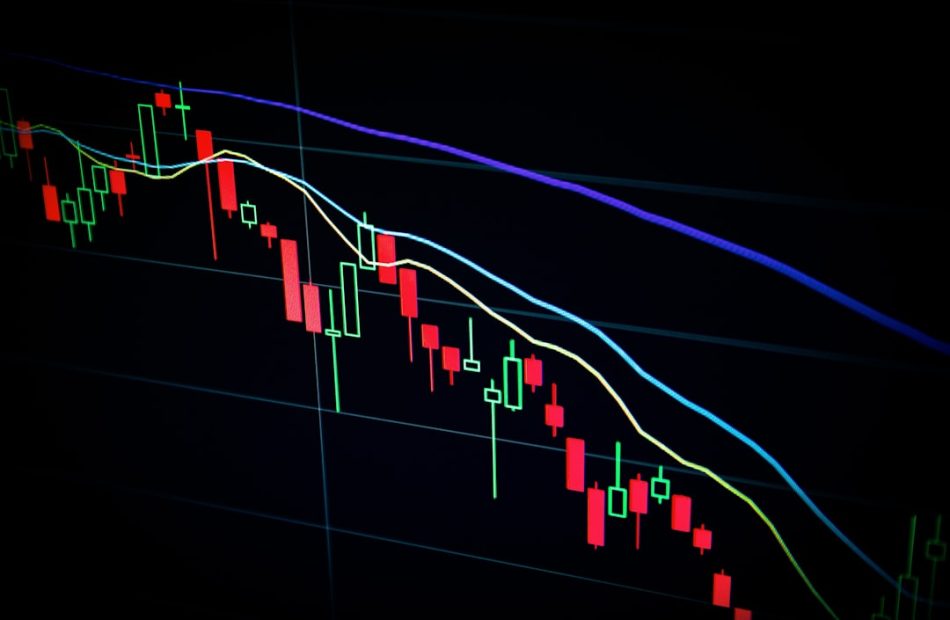
2. Identify the trend: Draw a simple trendline on the ratio chart. If the ratio is making higher highs and higher lows, ETH is in favor. Lower highs and lower lows? SOL is leading.
3. Enter the trade:
- Long the ratio (buy ETH, sell SOL) when you think ETH will outperform.
- Short the ratio (sell ETH, buy SOL) when you think SOL will outperform.
4. Set your target: Look for key support/resistance levels on the ratio chart. For example, if the ratio bounces off a support zone, target the next resistance.
Risk Management
Ratio trading isn’t risk-free. Here are three rules to keep you safe:
- Use stops: Always set a stop loss on the ratio level, not just on one coin. A 5% move against you on the ratio can be a 10%+ loss in one leg.
- Size wisely: Because you’re trading two assets, margin requirements can be higher. Keep position sizes small—1-2% of your portfolio per trade.
- Watch for catalysts: Ethereum upgrades (like EIP-4844) or Solana network outages can flip the ratio fast. Stay updated on news for both chains.
Conclusion
Trading the ETH/SOL ratio is a powerful way to profit from the blockchain rivalry without betting on the entire market. It forces you to think like a comparative analyst, not a gambler. Start small, track the ratio daily, and soon you’ll see opportunities others miss. The next time someone asks “ETH or SOL?”, you’ll know your answer: “It depends on the ratio.”