
Privacy Coins Under Fire: Navigating Regulatory Risks in 2025
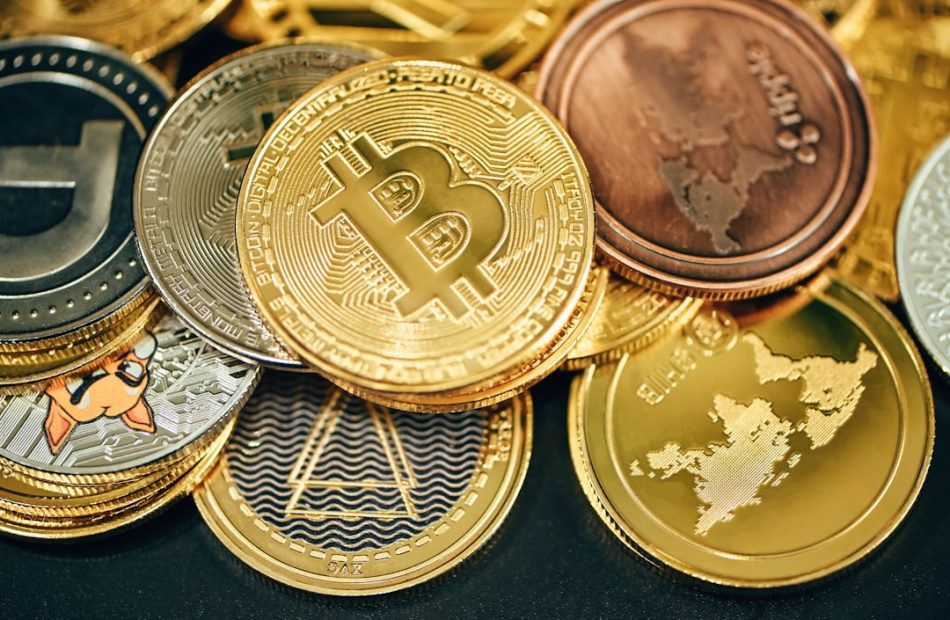
Imagine you’re holding a digital asset that promises total anonymity. No one can see your balance, your transactions, or your trading history. Sounds like the ultimate financial freedom, right? But here’s the catch: the same features that make privacy coins attractive to you also make them a target for regulators worldwide. As a trader, understanding these regulatory risks isn’t just about staying legal—it’s about protecting your portfolio from sudden delistings, price crashes, and legal headaches. Let’s dive into the landscape of privacy coins and how you can navigate these choppy waters.
How It Works
Privacy coins like Monero (XMR), Zcash (ZEC), and Dash (DASH) use advanced cryptography to obscure transaction details. Unlike Bitcoin, where every transaction is visible on a public ledger, privacy coins hide sender, receiver, and amount. This is achieved through technologies like ring signatures, stealth addresses, and zero-knowledge proofs. For traders, this means enhanced privacy—but for regulators, it means potential use in money laundering, tax evasion, and illicit financing.
The Regulatory Landscape
Regulatory scrutiny has intensified globally. In 2024, the Financial Action Task Force (FATF) updated its guidance, urging countries to apply “travel rule” requirements to privacy coins. The European Union’s Markets in Crypto-Assets (MiCA) regulation has already banned anonymous crypto transactions above €1,000. Meanwhile, exchanges like Binance and Kraken have delisted privacy coins in certain jurisdictions to comply with local laws. The United States has also seen increased enforcement by the SEC and FinCEN, with some privacy coin projects facing securities classification.
Looking for altcoin opportunities and smooth trading? Try KuCoin.
The Setup: How to Trade Privacy Coins with Caution
If you still want exposure to privacy coins, here’s a cautious trading setup:
1. Use Regulated Exchanges: Only trade privacy coins on exchanges that have clear compliance policies. Avoid decentralized exchanges (DEXs) that lack KYC, as they may be targeted next.
2. Monitor Regulatory News: Follow announcements from the FATF, EU, and major exchanges. A single delisting notice can cause a 20-30% price drop.
3. Diversify Your Privacy Exposure: Don’t put all your eggs in one privacy basket. Consider a mix of privacy coins and privacy-focused protocols like Secret Network (SCRT) or Tornado Cash (though the latter is under heavy scrutiny).
4. Set Stop-Losses: Given the volatility from regulatory news, always use stop-loss orders. A 10-15% stop-loss can protect you from sudden crashes.
5. Consider Privacy Layers: Instead of holding privacy coins, you might trade assets that offer optional privacy features, such as Ethereum with zk-rollups or Bitcoin with CoinJoin. These are less likely to face outright bans.
Risk Management
Regulatory risk is the biggest threat to privacy coins. Here’s how to manage it:
- Stay Informed: Join official project channels and follow regulatory bodies. Knowledge is your best defense.
- Use Cold Storage: If you hold privacy coins long-term, store them in a hardware wallet. Exchanges can freeze or confiscate assets during regulatory actions.
- Avoid Mixing Services: Using coin mixers or tumblers can attract unwanted attention from authorities. Stick to the coin’s native privacy features.
- Limit Position Size: Allocate no more than 5-10% of your portfolio to privacy coins. This limits potential losses from a regulatory crackdown.
- Have an Exit Plan: Know your exit strategy. If a major exchange delists a privacy coin, consider selling immediately to avoid a liquidity crunch.
Conclusion
Privacy coins represent a fascinating intersection of technology and ideology. They offer true financial privacy, but that very feature puts them in the crosshairs of regulators. As a trader, you don’t have to avoid them entirely—but you must approach them with eyes wide open. By staying informed, using proper risk management, and trading on compliant platforms, you can still profit from these assets without getting burned. Remember, in the world of crypto, the biggest risk is often the one you didn’t see coming. Stay sharp, stay private, and trade smart.