
Master the VWAP Day Trading Strategy: A Simple Guide for Smarter Entries
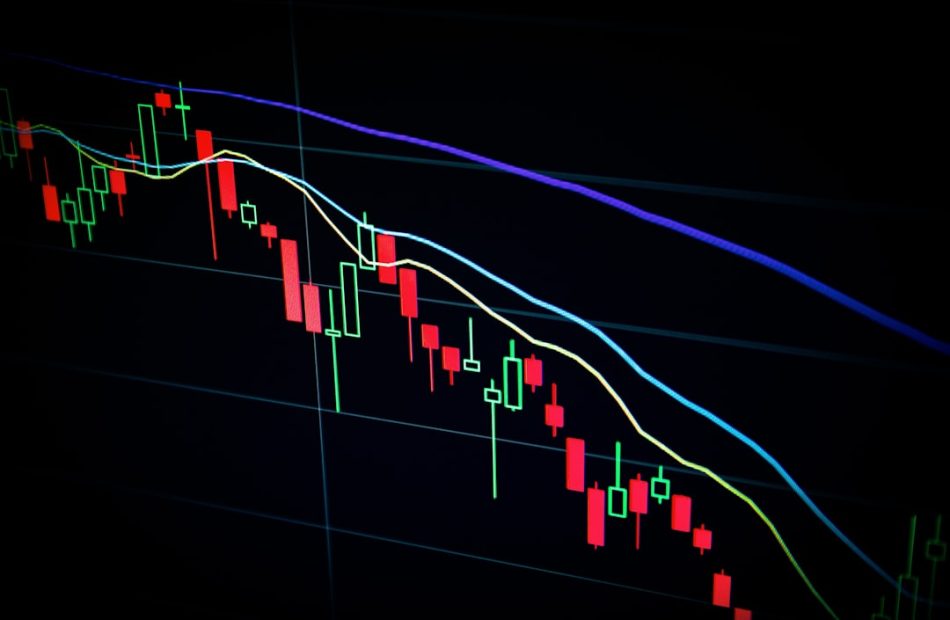
Have you ever watched a chart and wondered why a certain price level seems to act like a magnet, pulling the price back again and again? That invisible force is often the VWAP line. For day traders, the Volume-Weighted Average Price (VWAP) is one of the most reliable tools for spotting fair value, identifying momentum shifts, and timing entries like a pro. In this post, I’ll break down a clean, actionable VWAP day trading strategy that works whether you’re trading stocks, crypto, or forex.
How It Works
VWAP stands for Volume-Weighted Average Price. Unlike a simple moving average that only looks at price, VWAP gives extra weight to periods with high trading volume. This means it reflects the true average price at which most of the trading has happened during the day. Think of it as the market’s “fair value” line.
When price is above VWAP, it signals bullish sentiment — buyers are in control. When price is below VWAP, it’s bearish — sellers are dominating. Day traders use these zones to decide whether to go long or short.
Looking for altcoin opportunities and smooth trading? Try KuCoin.
The Setup
Here’s the step-by-step setup for a clean VWAP day trading strategy:
1. Add VWAP to Your Chart
Most platforms (TradingView, ThinkorSwim, Binance, etc.) have VWAP as a standard indicator. Set it to the default settings for intraday timeframes (1-minute, 5-minute, or 15-minute charts work best).
2. Identify the Trend
- If price is consistently above VWAP and the line is sloping up, look for long (buy) trades.
- If price is consistently below VWAP and the line is sloping down, look for short (sell) trades.
3. Wait for a Pullback to VWAP
The magic happens when the price pulls back to touch or slightly cross the VWAP line. This is your entry zone. Do not chase breakouts — wait for the retest.

4. Confirm with Volume
A valid VWAP bounce should come with increased volume. If the pullback happens on low volume, the bounce might be fake. Look for a volume spike as price touches VWAP.
5. Enter the Trade
- For long: Wait for a bullish candlestick close above VWAP after touching it from below.
- For short: Wait for a bearish candlestick close below VWAP after touching it from above.
6. Set Your Stop Loss
Place your stop just below the recent swing low (for longs) or above the recent swing high (for shorts). A common rule is 1-2% below VWAP for longs.
7. Take Profit
Target the previous day’s high or a key resistance level for longs. For shorts, target the previous day’s low or support. You can also trail your stop once price moves 1-2% in your favor.
Risk Management
No strategy works without solid risk management. Here’s how to protect your capital with VWAP:
1. Never Trade Against the VWAP Trend
If price is below VWAP and sloping down, do not buy because it looks cheap. Wait for a clear reversal above VWAP first.
2. Use a 1:2 Risk-to-Reward Ratio
Before entering, calculate your potential loss (stop distance) and potential profit (target distance). Only take the trade if the reward is at least twice the risk.
3. Keep Position Size Small
Risk no more than 1-2% of your total account on a single trade. For example, if you have a $10,000 account, risk only $100-$200 per trade.
4. Avoid VWAP Whipsaws
During low-volume periods (like lunch hours or before major news), VWAP can get choppy. Stick to high-volume sessions like the first two hours of the market open.
5. Use a Time Stop
If the price hasn’t moved in your direction within 15-30 minutes, close the trade. VWAP trades should work quickly or not at all.
Conclusion
The VWAP day trading strategy is elegant because it aligns you with the market’s true flow — fair value. By waiting for pullbacks to VWAP with volume confirmation, you can catch strong directional moves with a clear edge. Remember: it’s not about being right all the time, but about stacking probabilities in your favor. Practice on a demo account first, then apply it to live markets. Stick to the rules, manage your risk, and let VWAP guide your entries. Happy trading!