
Ride the Trend: How to Use the 200-Day Moving Average as Your Market Filter

Imagine trying to drive through a foggy mountain pass without guardrails. That’s what trading without a trend filter feels like. You might be right on a trade, but if the overall market is against you, the fog of volatility can push you off the cliff. The 200-Day Moving Average (200-MA) is your guardrail. It’s a simple, time-tested tool that helps you separate strong trends from noise, so you only take trades with the wind at your back.
How It Works
The 200-MA is the average price of an asset over the last 200 trading days. When the price is above the 200-MA, the long-term trend is considered bullish (up). When the price is below it, the trend is bearish (down). Think of it as a giant line in the sand that tells you whether the market’s big players are buying or selling.
For example, Bitcoin’s price has historically rallied when it holds above the 200-MA and struggled when it falls below. This isn’t magic—it’s psychology. Traders, institutions, and algorithms all watch this level. It becomes a self-fulfilling prophecy.
The Setup
Here’s how to set up your 200-MA trend filter in three steps:
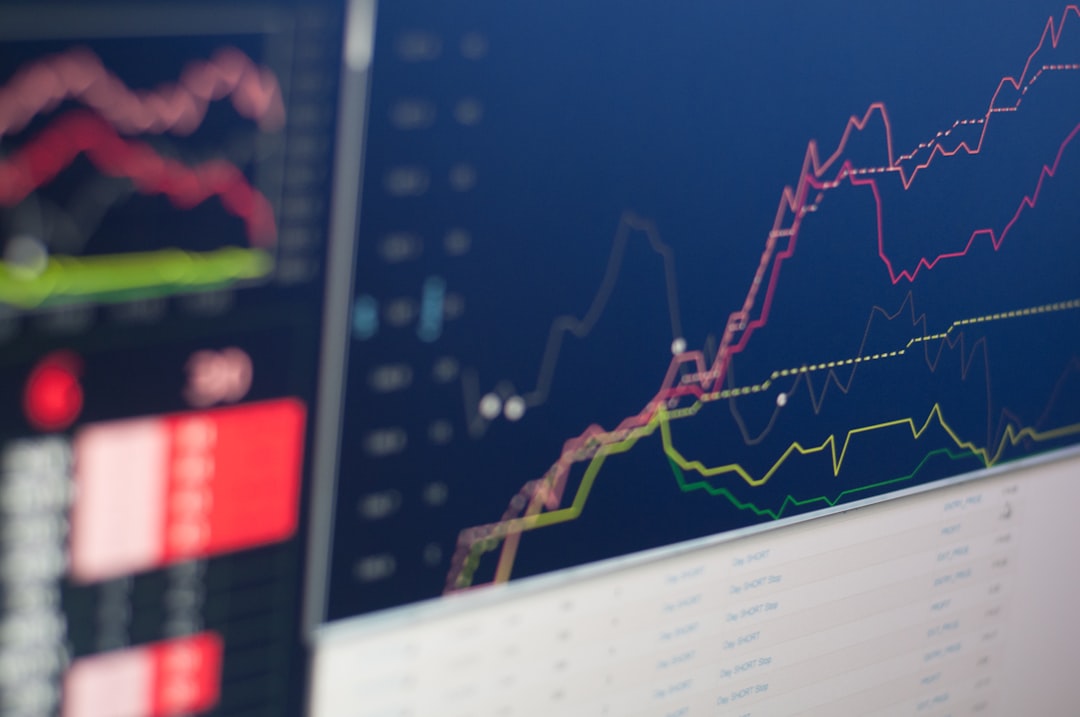
1. Add the indicator: On your chart (TradingView, Binance, etc.), add a Simple Moving Average (SMA) with a period of 200. Apply it to the closing price.
2. Define your bias:
- If price > 200-MA → Only take long (buy) trades.
- If price < 200-MA → Only take short (sell) trades.
3. Combine with entry signals: Use the 200-MA as a filter, not an entry trigger. For example, if you see a bullish candlestick pattern or RSI oversold signal, only act on it if price is above the 200-MA.
Pro Tip: The 200-MA works best on daily or weekly timeframes. Avoid using it on 1-minute charts—it’s too slow for that noise.
Risk Management
Even with a strong trend filter, no trade is guaranteed. Here’s how to protect your capital:
- Stop-loss placement: Place your stop-loss just below a recent swing low (for longs) or above a swing high (for shorts). If the price breaks the 200-MA, consider that a major warning sign to exit.
- Position sizing: Risk no more than 1-2% of your account per trade. The 200-MA filter reduces your trade frequency, so each trade should be sized conservatively.
- Avoid whipsaws: In sideways markets, the 200-MA can give false signals. Wait for a clear price rejection or a second confirmation (e.g., volume spike) before entering.
Remember: The 200-MA is a filter, not a crystal ball. It helps you stay on the right side of the market, but it won’t predict every twist. Always use a stop-loss.
Conclusion
The 200-Day Moving Average trend filter is one of the simplest ways to improve your win rate. By only trading with the long-term trend, you reduce the emotional rollercoaster and increase your probability of success. Start by adding it to your charts today, and watch how it changes your perspective. The market’s trend is your friend—let the 200-MA introduce you.