
Unlocking the Next Frontier: How to Value DePIN Projects Like a Pro
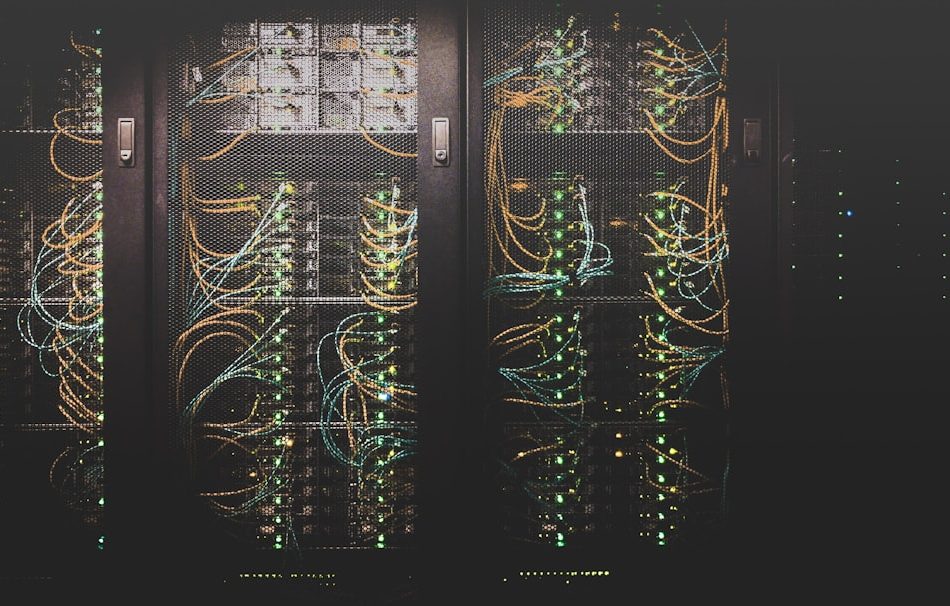
Imagine owning a piece of the internet’s physical infrastructure — from wireless hotspots to solar panels — and earning tokens just for contributing. That’s the promise of DePIN (Decentralized Physical Infrastructure Networks). But how do you know if a DePIN project is undervalued or overhyped? In this post, I’ll break down a simple, repeatable valuation framework so you can spot the gems before the crowd.
How it Works
DePIN projects blend real-world assets with blockchain incentives. Unlike traditional crypto projects that rely solely on speculation, DePIN tokens are backed by tangible utility: data storage, bandwidth, computing power, or energy. To value them, we look at two key metrics:
1. Network Revenue: The total fees generated by the network (e.g., Helium’s data credits or Filecoin’s storage fees).
2. Token Supply & Inflation: The circulating supply, emission schedule, and burn mechanisms.

A common ratio is Market Cap / Annualized Network Revenue. Compare this to traditional tech stocks (e.g., AWS’s revenue multiple) to gauge if the token is cheap or expensive.
The Setup
Here’s a step-by-step checklist to evaluate any DePIN project:
- Step 1: Identify the Revenue Stream – Does the project charge for actual usage? Look for “protocol revenue” dashboards (e.g., Token Terminal, DeFi Llama).
- Step 2: Calculate Annualized Revenue – Multiply daily revenue by 365. For newer projects, use a 30-day average to smooth volatility.
- Step 3: Get the Fully Diluted Valuation (FDV) – Multiply current token price by max supply. This shows potential dilution risk.
- Step 4: Compute the Revenue Multiple – Divide FDV by annualized revenue. A multiple under 10 is often considered cheap for high-growth networks; above 50 may signal hype.
- Step 5: Check the Burn/Inflation Balance – If the project burns tokens from fees, it reduces supply. Compare burn rate to new emissions. A net deflationary token is a bullish sign.
Pro Tip: Use tools like Dune Analytics or Messari to track these metrics in real time.
Risk Management
DePIN is still experimental. Here’s how to stay safe:
- Beware of “Ghost Networks” – Some projects have high FDV but zero real usage. Always check daily active users or node count.
- Regulatory Risk – Physical infrastructure (e.g., wireless) may face local laws. Stick to projects with clear legal frameworks.
- Treasury Dependency – If a project relies on grants or VC money to pay node operators, it may not be sustainable. Look for self-sustaining fee models.
- Position Sizing – Allocate no more than 5-10% of your portfolio to DePIN. Diversify across sectors (storage, compute, wireless, energy).
Remember: valuation is an art, not a science. The network’s growth rate matters more than a static multiple.
Conclusion
DePIN represents a paradigm shift where users become infrastructure providers. By focusing on revenue, tokenomics, and network health, you can cut through the noise and invest with confidence. Start small, track the data, and let the fundamentals guide you. The physical world is going on-chain — don’t get left behind.