
Trading Breakouts vs Fakeouts: How to Tell the Difference and Profit
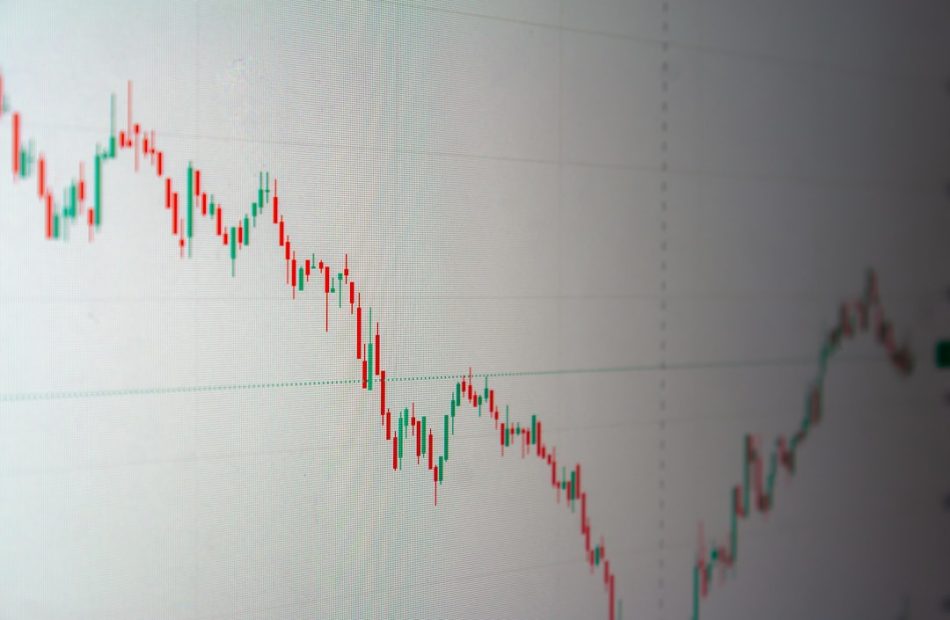
Imagine watching a stock or crypto price surge past a key resistance level. Your heart races. You jump in, only to watch it reverse and crash moments later. That’s the classic fakeout—a painful trap that separates beginners from pros. But here’s the good news: with the right strategy, you can learn to distinguish real breakouts from false moves and trade with confidence. In this guide, we’ll break down the mechanics of breakouts and fakeouts, share a simple setup to catch genuine momentum, and cover risk management to protect your capital.
How It Works
A breakout occurs when price moves decisively above a resistance level or below a support level, often accompanied by increased volume and momentum. It signals that the market has enough strength to continue in that direction. A fakeout, on the other hand, is a price spike that pierces a level but quickly reverses, trapping traders who entered too early. The key difference lies in volume, confirmation, and context.
The Setup
To trade breakouts effectively, wait for three conditions:
1. Key Level: Identify a clear horizontal support or resistance level on a higher timeframe (e.g., 1-hour or 4-hour chart).

2. Volume Spike: Look for a significant increase in trading volume as price approaches the level. Fakeouts often have low or declining volume.
3. Candle Confirmation: Wait for a candle to close beyond the level. For a long trade, the close should be above resistance; for a short, below support. This avoids entering on a wick.
Example: If Bitcoin is testing $30,000 resistance, wait for a 1-hour candle to close above $30,000 with volume at least 1.5x the average. Then enter on the next candle’s retest or immediate continuation.
Risk Management
Even with a solid setup, fakeouts happen. Protect yourself with these rules:
- Stop Loss: Place it just below the breakout level (for longs) or above it (for shorts). A common distance is 1-2% below resistance.
- Position Sizing: Risk no more than 1-2% of your account on a single trade.
- Trailing Stop: Once price moves 1.5x your initial risk, move your stop to breakeven. This locks in a risk-free trade.
- Avoid Chasing: If price runs 5% past the level without a pullback, skip it. The best entries come on retests.
Conclusion
Breakouts and fakeouts are two sides of the same coin. By waiting for volume confirmation and a close beyond the level, you tilt the odds in your favor. Remember: discipline beats impulse. Master this setup, and you’ll stop getting trapped and start capturing real trends. Now go practice on a demo account—your future self will thank you.