
Mastering Breakouts vs Fakeouts: The Trader’s Guide to Spotting Real Moves
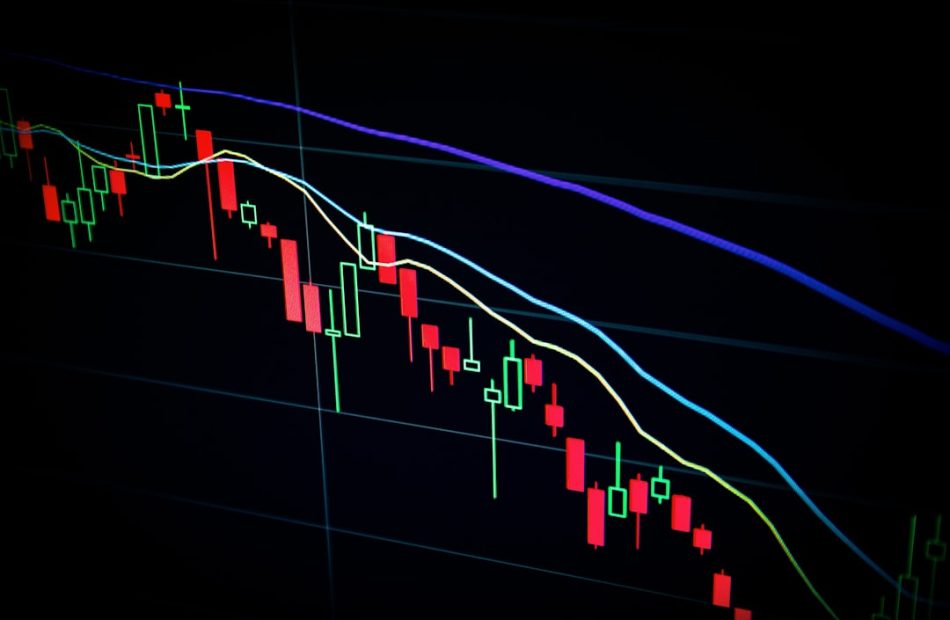
You see a price spike on your chart. Volume surges. Your heart races. Is this the start of a massive rally, or just a trap waiting to snap shut? Every trader has been there—staring at a breakout, wondering if it’s the real deal or a fakeout designed to shake you out of your position. The difference between profit and loss often comes down to one skill: knowing how to distinguish a genuine breakout from a deceptive fakeout.
In this guide, we’ll break down the mechanics of breakouts and fakeouts, show you how to set up your trades for success, and give you the risk management tools to protect your capital. By the end, you’ll have a clear framework to trade with confidence, not emotion.
How it Works
A breakout occurs when price moves decisively above a resistance level or below a support level, often accompanied by increased volume and momentum. Traders jump in, expecting the trend to continue. A fakeout (or false breakout), on the other hand, is when price briefly breaks a level but quickly reverses, trapping traders who entered too early. Fakeouts are common in ranging markets or when large players manipulate liquidity.
Why do fakeouts happen? They often occur because big money (institutions, whales) wants to trigger stop-losses or find liquidity to enter larger positions. They push price just past a key level, then reverse once the retail orders are filled. Understanding this game is the first step to avoiding it.
The Setup
To trade breakouts effectively, you need a reliable setup. Here’s a step-by-step approach:

1. Identify Key Levels: Draw horizontal support and resistance on higher timeframes (1H, 4H, daily). Look for areas where price has reversed multiple times. These are your battlegrounds.
2. Wait for Confirmation: Don’t jump in the moment price touches the level. Wait for a clean break with a strong candle close beyond the level. For example, if price closes above resistance with a bullish candle, that’s a stronger signal than a wick that touches and retreats.
3. Check Volume: Genuine breakouts usually see a spike in volume. Low volume breakouts are suspicious—they often lack the conviction to sustain the move. Use a volume indicator to confirm.
4. Look for Retests: Many successful breakouts retest the broken level as new support (or resistance). If price comes back to the level and holds, it’s a high-probability entry. This retest is your golden ticket.
5. Use a Momentum Indicator: Tools like the RSI or MACD can help. For a bullish breakout, RSI should be above 50 and rising. For a bearish breakout, RSI below 50 and falling. Divergence (price making a new high but RSI not) can signal a potential fakeout.
Risk Management
Trading breakouts is exciting, but it’s also risky. Fakeouts can hit you hard if you’re not prepared. Here’s how to manage risk:
- Set a Stop-Loss: Always place your stop-loss below the breakout level (for longs) or above it (for shorts). If the breakout fails, you want to exit quickly. A common placement is 1-2 ATR (Average True Range) below the level.
- Position Sizing: Never risk more than 1-2% of your account on a single trade. If the fakeout hits your stop, you live to trade another day.
- Wait for Confirmation: The best way to avoid fakeouts is to be patient. Wait for a retest or a strong close before entering. Missing a few pip is better than catching a falling knife.
- Use a Trailing Stop: Once the trade moves in your favor, trail your stop to lock in profits. This protects you if the breakout suddenly reverses.
- Know the Market Context: Breakouts work best in trending markets. In sideways or choppy conditions, fakeouts are more common. Check the overall trend before committing.
Conclusion
Breakouts and fakeouts are two sides of the same coin. One can lead to massive gains, the other to quick losses. The key is not to guess—it’s to have a system. By identifying key levels, waiting for confirmation, and managing risk with tight stops, you can tilt the odds in your favor. Remember, the best traders don’t try to catch every move. They wait for the right setup, then strike with discipline. Start practicing on a demo account, and soon you’ll see the difference between a real breakout and a trap. Happy trading!