
Master the VWAP Day Trading Strategy: A Step-by-Step Guide for Crypto Traders
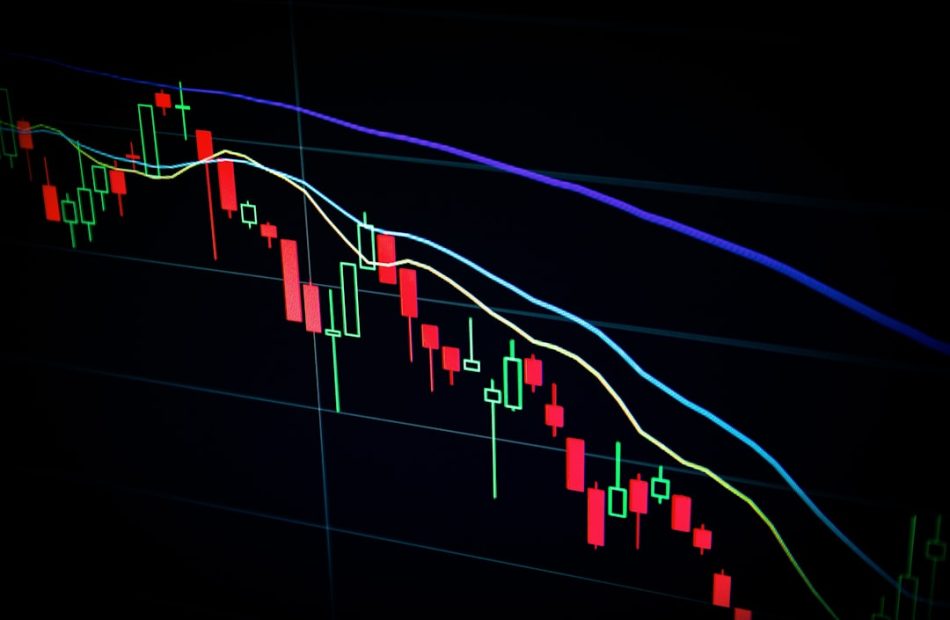
Picture this: You’re staring at a crypto chart, watching price zigzag wildly. You know you should buy, but at what price? And when should you sell? If you’ve ever felt lost in the noise, you’re not alone. That’s where the VWAP (Volume-Weighted Average Price) comes in. Think of it as the market’s true north—a dynamic line that shows the average price traders have paid, adjusted for volume. In this post, I’ll show you how to use VWAP as your day trading compass, with clear rules, a simple setup, and a risk management plan that keeps you in the game.
How it Works
VWAP is calculated by taking the total dollar volume traded (price times volume) and dividing it by total volume over a given period. For day traders, it resets each day. The magic? It reveals where the “smart money” is trading. When price is above VWAP, buyers are in control (bullish). When below, sellers dominate (bearish). But the real edge comes from how you trade around it.
The Setup
You’ll need a chart with VWAP indicator (most platforms like TradingView or Binance have it built-in). Set your time frame to 1-minute or 5-minute for day trading. Here’s the strategy:
1. Trend Confirmation: Identify the overall market bias. If price is above VWAP and VWAP is sloping up, favor longs. If below and sloping down, favor shorts.
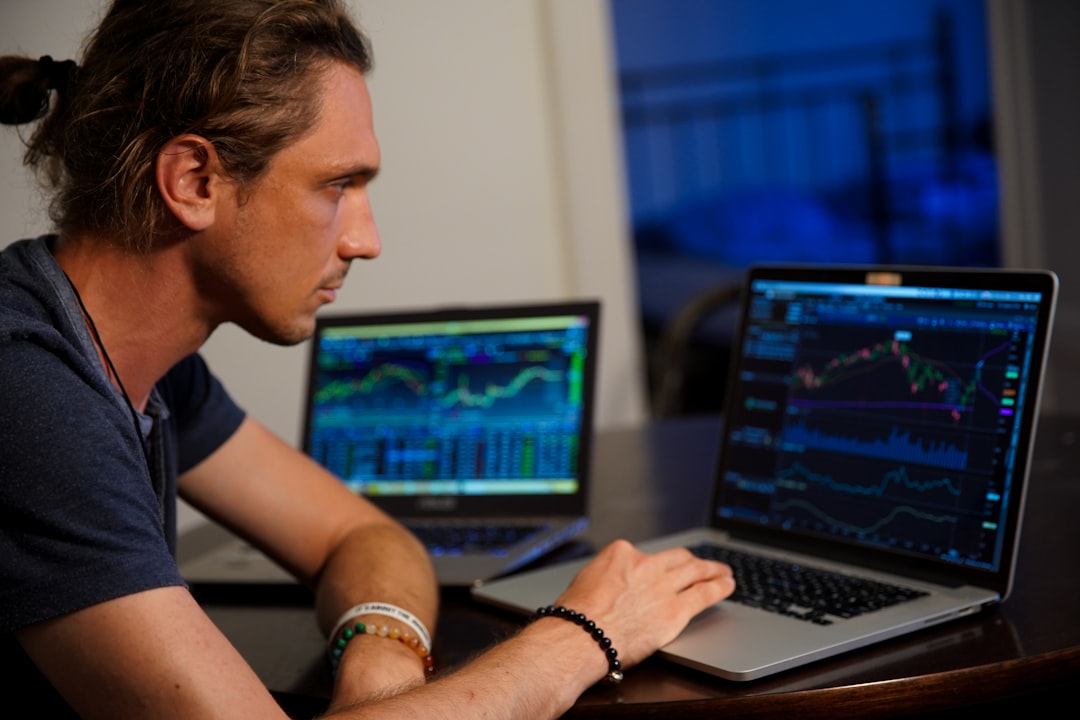
2. Entry Trigger: Wait for a pullback to the VWAP line. For a long, price dips to VWAP but doesn’t break below it (or if it does, it quickly bounces back). For a short, price rallies to VWAP but rejects.
3. Volume Check: Ensure volume spikes on the bounce or rejection. High volume confirms the move.
4. Exit: Take profit at a key resistance (for longs) or support (for shorts). Alternatively, use a trailing stop once price moves 1-2% in your favor.
Risk Management
Risk is the unsung hero of profitable trading. Here’s how to protect your capital:
- Stop Loss: Place a stop 0.5-1% below the VWAP line for longs (or above for shorts). If VWAP breaks, the trade is invalid.
- Position Sizing: Never risk more than 1-2% of your account on a single trade. For example, with a $1,000 account, risk $10-$20.
- Time Stop: If price hasn’t moved in your favor within 15-30 minutes, exit. VWAP trades work best with momentum.
- Avoid Overtrading: Only take 2-3 high-probability setups per day. Quality over quantity.
Conclusion
VWAP is not a crystal ball, but it’s a powerful tool that aligns you with institutional flow. Start by paper trading this strategy for a week, then go live with small size. Remember: discipline beats prediction every time. As you master VWAP, you’ll see the market not as chaos, but as a dance of supply and demand. Now go practice—and trade smart.