
How to Buy the Dip Using the Stochastic Oscillator (And Actually Profit)

Every trader loves a good dip — but buying one without a plan is just gambling. You need a signal that tells you when the selling is exhausted and buyers are about to step in. That’s where the Stochastic Oscillator shines.
This simple momentum indicator helps you spot oversold conditions and time your entries for high-probability bounce trades. Let’s break down exactly how to use it for dip buying.
—
Looking for altcoin opportunities and smooth trading? Try KuCoin.
How It Works
The Stochastic Oscillator compares an asset’s closing price to its price range over a set period (usually 14). It produces two lines: %K (fast) and %D (slow). Values range from 0 to 100.
- Below 20 = Oversold (potential bounce zone)
- Above 80 = Overbought (potential pullback zone)
When the market dips hard, the Stochastic drops into oversold territory. But here’s the key: you don’t buy the moment it hits 20. You wait for a bullish crossover — when %K crosses back above %D — confirming that the selling pressure is fading.
—
The Setup
1. Pick your timeframe: For swing trades, use the 4-hour or daily chart. For scalping, try the 15-minute or 1-hour.
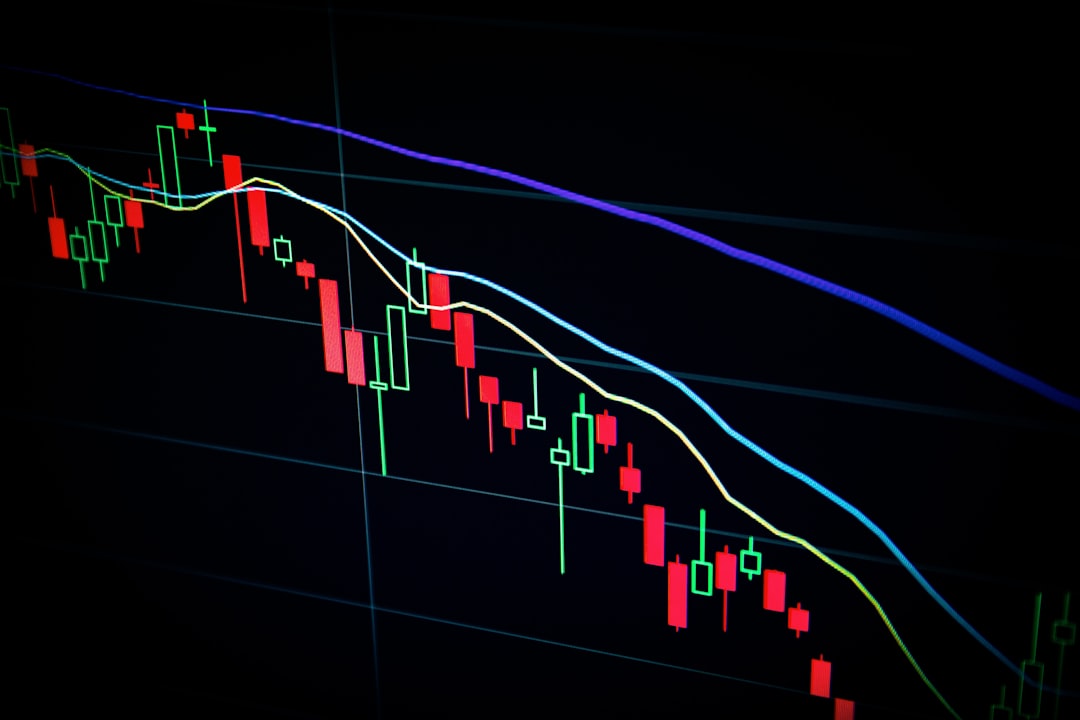
2. Identify a downtrend or pullback: The asset should be in a short-term decline, ideally within a larger uptrend.
3. Watch for Stochastic to dip below 20 — this signals oversold conditions.
4. Wait for the crossover: Only enter when %K crosses above %D while both are still below 30. This is your buy signal.
5. Confirm with price action: Look for a bullish candlestick pattern (like a hammer or engulfing candle) or increasing volume to strengthen the signal.
—
Risk Management
No strategy works 100% of the time. Protect your capital:
- Set a stop loss below the recent swing low or the lowest point of the dip (usually 1–2% below entry).
- Take partial profits at the first resistance level (e.g., previous support turned resistance or a moving average).
- Position size wisely: Never risk more than 1–2% of your account on a single trade.
- Avoid catching a falling knife: If the Stochastic stays below 20 for multiple bars without a crossover, the downtrend may be too strong. Stay out.
—
Final Thoughts
The Stochastic Oscillator dip-buying strategy gives you a disciplined edge. Instead of guessing bottoms, you let the market tell you when it’s ready to reverse. Combine it with solid risk management, and you’ll turn those scary red candles into profitable entries.
Start practicing on a demo account first. Master the crossover, respect your stop loss, and let the probabilities work in your favor.