
Master the VWAP Day Trading Strategy: A Simple Guide for Beginners
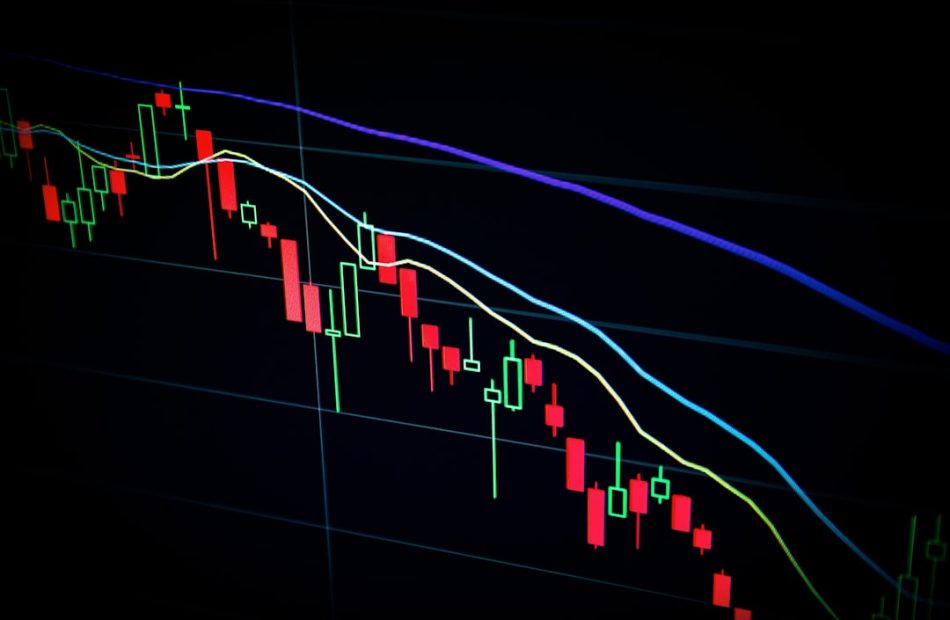
Have you ever watched a chart and wondered where the ‘smart money’ is buying or selling? VWAP, or Volume-Weighted Average Price, is one of the most powerful tools used by institutional traders and day traders alike. It gives you a real-time snapshot of the average price a stock has traded at throughout the day, weighted by volume. Think of it as the market’s ‘fair value’ for the day. When price is above VWAP, buyers are in control; when it’s below, sellers are. In this guide, I’ll break down the VWAP day trading strategy into simple, actionable steps—even if you’re just starting out.
How It Works
VWAP is calculated by adding up the dollar value of all trades (price × volume) and dividing by the total volume traded so far. Unlike a simple moving average, VWAP gives more weight to periods with high trading activity. This makes it a dynamic level that reflects the true sentiment of the day’s session.
For day traders, VWAP acts as a magnet. Price tends to revert to it, and it often acts as support or resistance. When the market opens, VWAP starts at the opening price and adjusts as new trades occur. By mid-day, it becomes a well-established line that many traders watch closely.
The key idea is simple: if price is above VWAP, the intraday trend is bullish. If it’s below, the trend is bearish. But the real power comes from combining this with price action and volume to find high-probability entries.
The Setup
Here’s a classic VWAP day trading strategy that works well on 5-minute or 15-minute charts.
1. Identify the Trend
First, determine the overall market direction. If the market is in an uptrend (higher highs and higher lows on the daily chart), you’ll focus on buying pullbacks to VWAP. In a downtrend, you’ll look for rallies into VWAP to short.
2. Wait for the Pullback
Once the trend is clear, wait for price to pull back to the VWAP line. This is your ‘zone of interest’. For a long trade, you want price to touch or come very close to VWAP from above. For a short, you want price to rally up to VWAP from below.
3. Confirm with Candlestick Patterns
Don’t just jump in at VWAP. Wait for a confirmation signal—a bullish reversal candlestick (like a hammer or bullish engulfing) if you’re buying, or a bearish reversal candlestick (like a shooting star or bearish engulfing) if you’re selling. This shows that price is rejecting the VWAP level.
4. Check Volume
Volume is crucial. For a long entry, you want to see increasing volume on the upswing that follows the pullback. For a short, increasing volume on the downswing. This confirms that the move is backed by real buying or selling pressure, not just a random wiggle.
5. Enter and Set Stop Loss
Once you have your confirmation, enter the trade. Place your stop loss just below the VWAP (for longs) or just above it (for shorts). This keeps your risk tight—if VWAP breaks, the thesis is invalid.
6. Take Profit Targets
You can set a profit target at a fixed risk-to-reward ratio (e.g., 1:2 or 1:3). Alternatively, you can trail your stop loss as price moves in your favor. Many traders also exit if price closes significantly away from VWAP or if a new trend line forms.
Risk Management
Risk management is the backbone of any successful trading strategy. Without it, even the best strategy will eventually blow up your account. Here are the golden rules for VWAP trading:
- Never risk more than 1-2% of your trading capital on a single trade. This ensures that a string of losses won’t wipe you out.
- Always use a stop loss. The VWAP level is your anchor—if price closes through it, the setup has failed, and you should exit immediately. Don’t hope and pray.
- Avoid trading during the first 15 minutes after the open. VWAP is still forming, and price can be extremely erratic. Wait for the market to settle.
- Be aware of news events. VWAP can be violently broken when surprise news hits. Check the economic calendar and avoid trading during high-impact announcements.
- Practice on a demo account first. Get comfortable with reading VWAP and executing the strategy without risking real money.
Conclusion
The VWAP day trading strategy is a fantastic tool for beginner and intermediate traders because it’s based on real market activity, not lagging indicators. By understanding how VWAP acts as a magnet and a support/resistance level, you can align your trades with the intraday trend and improve your timing. Remember, no strategy works 100% of the time—losses are part of the game. But with disciplined risk management and consistent practice, you can turn VWAP into a reliable edge in your trading arsenal. Start small, stay patient, and keep learning. Happy trading!