
Base Chain Ecosystem Rotations: How to Catch the Next Big Move

The crypto market moves in cycles, and within those cycles, capital flows from one ecosystem to another. Right now, one of the most exciting arenas for this rotation is the Base chain—Coinbase’s layer-2 network that’s exploded in popularity. If you’re tired of watching from the sidelines, this guide will show you how to spot and profit from ecosystem rotations on Base, even if you’re just starting out.
The Strategy Explained
Ecosystem rotation is when money shifts from one sector or chain to another. Think of it like a party: first everyone’s in the living room (Ethereum), then the kitchen (Solana), and now the backyard (Base) is getting crowded. On Base, this rotation happens between DeFi, NFTs, gaming, and meme coins. As a trader, your goal is to enter early as money flows in, and exit before it leaves.
How it Works
Base has its own native tokens, but many are bridged from Ethereum or other chains. When a new project launches or a trend emerges (like AI tokens or a new DEX), liquidity rushes in. You can track this by watching trading volumes on Base-based aggregators like BaseSwap or Uniswap’s Base deployment. As volume spikes, prices move.
The Setup
Here’s a simple 3-step setup to catch rotations:
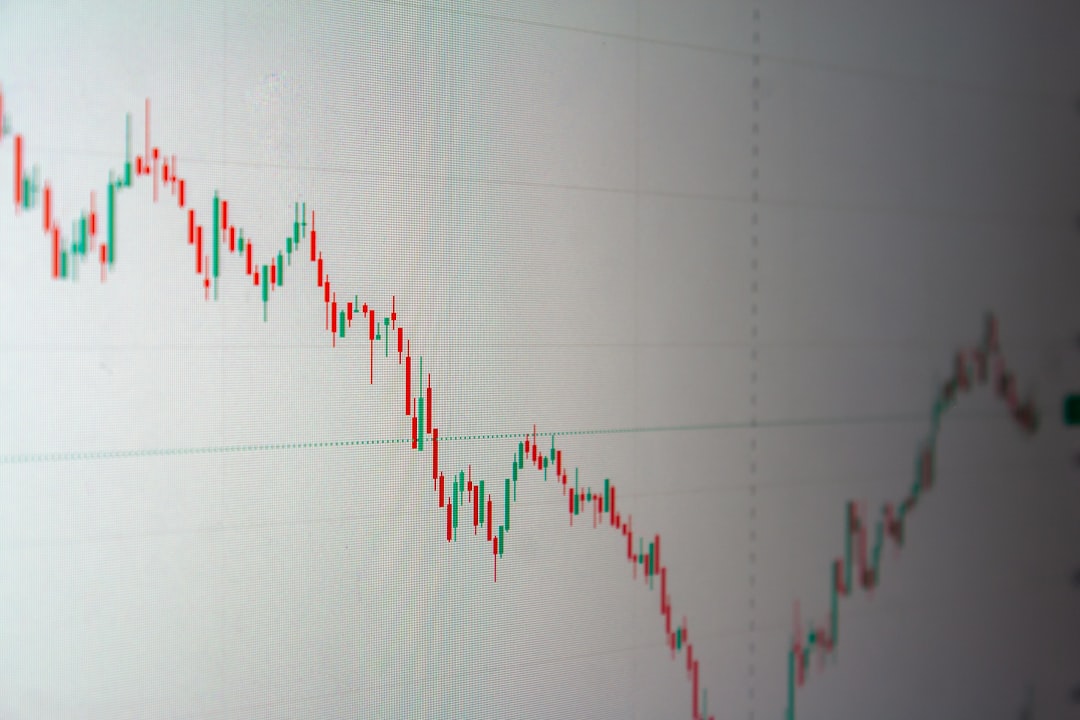
1. Monitor the leaders: Follow the top Base tokens by market cap (e.g., AERO, BRETT, or Degen). When they pump, it signals risk-on sentiment.
2. Spot the laggards: Look for smaller projects in the same category that haven’t moved yet. For example, if AERO (a DEX token) pumps, check other Base DEX tokens like BASE or SWPR.
3. Enter with confirmation: Wait for the laggard to break above a recent high on higher-than-average volume. That’s your entry signal. Use a 15-minute or 1-hour chart for day trading.
Let’s say you see AERO up 20% in a day. You check Base’s DeFi sector and notice a smaller lending protocol token still flat. You set an alert, and when it breaks out with volume, you buy. That’s rotation in action.
Risk Management
Rotations are fast and can reverse just as quickly. Never risk more than 1-2% of your portfolio on a single rotation trade. Always set a stop-loss at a recent support level—if the price drops below that, you’re out. Also, take profits in stages: sell half at +20%, move your stop to breakeven, and let the rest run. And remember, if the leader (like AERO) starts dumping, the whole rotation may be over—exit immediately.
Conclusion
Base chain is a hotbed of opportunity, but only if you know how to ride the waves. By understanding ecosystem rotations, using the setup above, and managing your risk, you can position yourself to catch the next big move. Start small, stay disciplined, and keep learning. The next rotation might be just around the corner—are you ready?