
Riding the Golden Wave: How to Trade the Moving Average Golden Cross

Have you ever looked at a chart and wondered where the big money is moving? Or felt that sinking feeling when a coin pumps right after you sold? You’re not alone. The secret to catching these moves isn’t a crystal ball—it’s a classic technical tool that’s been guiding traders for decades: the Moving Average Golden Cross. This isn’t just a fancy term; it’s a clear signal that can help you spot potential uptrends before they explode. In this guide, we’ll break down what the Golden Cross is, how to spot it, and how to use it without getting burned. Ready to level up your trading? Let’s dive in.
What is the Golden Cross?
At its heart, the Golden Cross is a bullish signal that occurs when a short-term moving average crosses above a long-term moving average. Think of it as the market saying, “Recent momentum is stronger than the longer-term trend, so let’s ride it up!” It’s the opposite of the “Death Cross,” which signals a potential downtrend.
For example, on a daily chart, you might use the 50-day moving average (short-term) and the 200-day moving average (long-term). When the 50-day line climbs above the 200-day line, you’ve got a Golden Cross. This crossover is often seen as a major bullish indicator, and it can attract a wave of buying interest.
How It Works: The Setup
To spot a Golden Cross, you need to set up your chart correctly. Here’s the classic setup:
1. Choose your time frame: The most common is the daily chart, but you can also use hourly charts for shorter-term trades or weekly charts for longer-term trends.
2. Add the moving averages: On your chart, add a 50-period moving average (MA) and a 200-period MA. These are the industry standards, but you can adjust them based on your style.
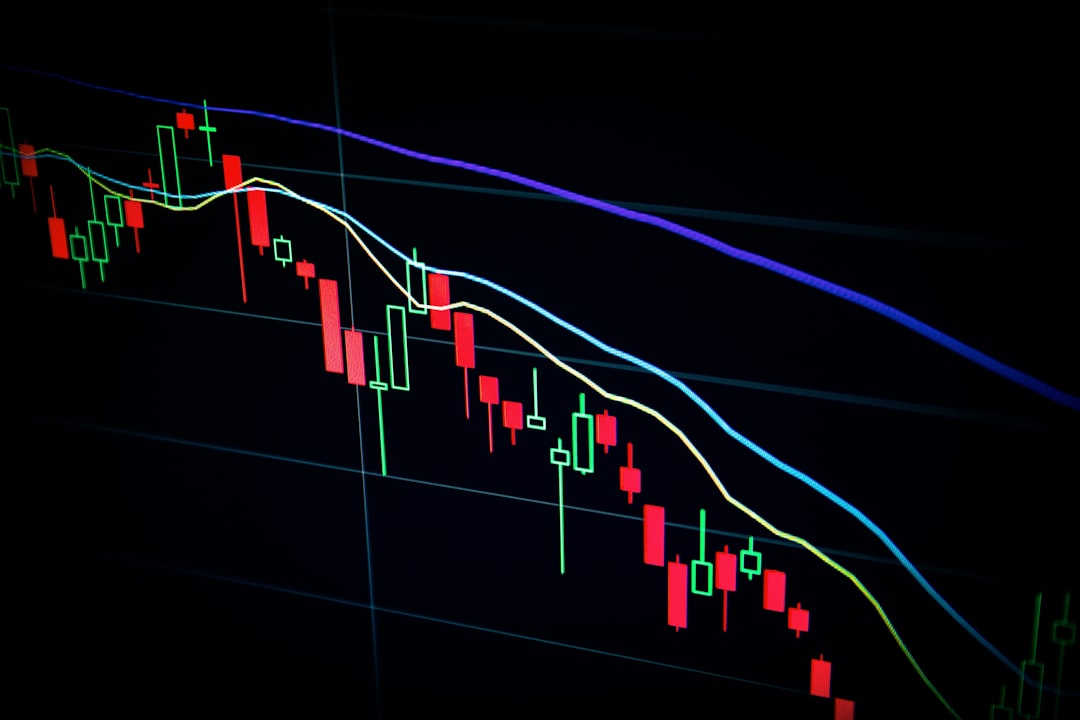
3. Wait for the cross: The signal is confirmed when the 50 MA crosses from below to above the 200 MA. This should happen after a period of consolidation or a downtrend, adding to its significance.
But don’t just buy on the cross alone! The best Golden Cross setups often include:
- Volume confirmation: Look for an increase in trading volume on the day of the cross. This shows that the move is backed by real buying pressure.
- Price action: Ideally, the price should be above both moving averages, and the 200 MA should be flattening out or turning upward.
- Support levels: Check if there are any strong support levels below the current price to give you a better risk/reward ratio.
The Golden Cross in Action: A Quick Example
Imagine Bitcoin has been trading sideways for months. Suddenly, the 50-day MA starts to rise, and on a strong green candle, it crosses above the 200-day MA. Volume spikes, and the price is now above both averages. That’s your Golden Cross. Many traders would see this as a buy signal, expecting the uptrend to continue. And often, it does—but not always.
Risk Management: Your Safety Net
Here’s the hard truth: no indicator is perfect. The Golden Cross can give false signals, especially in choppy or sideways markets. So, how do you protect yourself? You need a solid risk management plan.
- Set a stop-loss: Always place a stop-loss order below the 200-day MA or below a recent swing low. This limits your loss if the trade goes against you.
- Position sizing: Never risk more than 1-2% of your trading capital on a single trade. This way, a few losses won’t wipe you out.
- Don’t chase: If the price has already run up far from the cross, wait for a pullback to a support level or the moving average before entering. This improves your entry price.
- Use a take-profit: Decide in advance where you’ll take profits. You might set a target at a previous resistance level or use a trailing stop to lock in gains as the trend progresses.
When to Avoid the Golden Cross
Not all Golden Crosses are created equal. Avoid trading them when:
- The market is in a strong downtrend and the cross happens on low volume.
- You’re trading in a range-bound market (price oscillates between support and resistance).
- The cross occurs after a long uptrend (it might be a late signal).
Final Thoughts: The Golden Cross as a Tool, Not a Crystal Ball
The Moving Average Golden Cross is a powerful tool in your trading arsenal, but it’s not a guarantee. It’s a signal that helps you identify potential trends, but it must be combined with other analysis and solid risk management. Think of it as a compass, not a map.
Start by practicing on a demo account. Track Golden Crosses on your favorite crypto pairs and see how they play out. Over time, you’ll develop a feel for when they work best. Remember, successful trading is about consistency, not perfection. So, embrace the Golden Cross, manage your risk, and keep learning.
Ready to spot your first Golden Cross? Open your chart, set those moving averages, and start looking for that golden opportunity. Happy trading!