
The Gap Fill Strategy: How to Profit from Market Gaps

Have you ever noticed a sudden jump or drop in a cryptocurrency’s price on your chart, leaving a blank space between one candle and the next? That’s a ‘gap,’ and it’s not just a visual quirk—it’s a trading opportunity. In this post, we’ll explore the Gap Fill Strategy, a classic technique that can help you capture profits as prices often ‘fill’ these gaps. Whether you’re new to trading or looking to refine your approach, this strategy is a must-know.
How It Works
A gap occurs when an asset’s price opens significantly higher or lower than its previous close, often due to news, market sentiment, or low liquidity. In traditional markets, gaps are common after weekends or earnings reports. In crypto, they can happen at any time, especially during high volatility or when major exchanges list new tokens.
The key idea behind the Gap Fill Strategy is that prices tend to ‘fill’ gaps—meaning they move back to the level where the gap started before continuing their trend. This happens because gaps often represent an overreaction, and the market corrects itself. For example, if Bitcoin gaps up from $30,000 to $30,500, there’s a high probability it will drop back to $30,000 before moving higher.
The Setup
To trade this strategy, you need to identify a gap on your chart. Here’s a step-by-step setup:
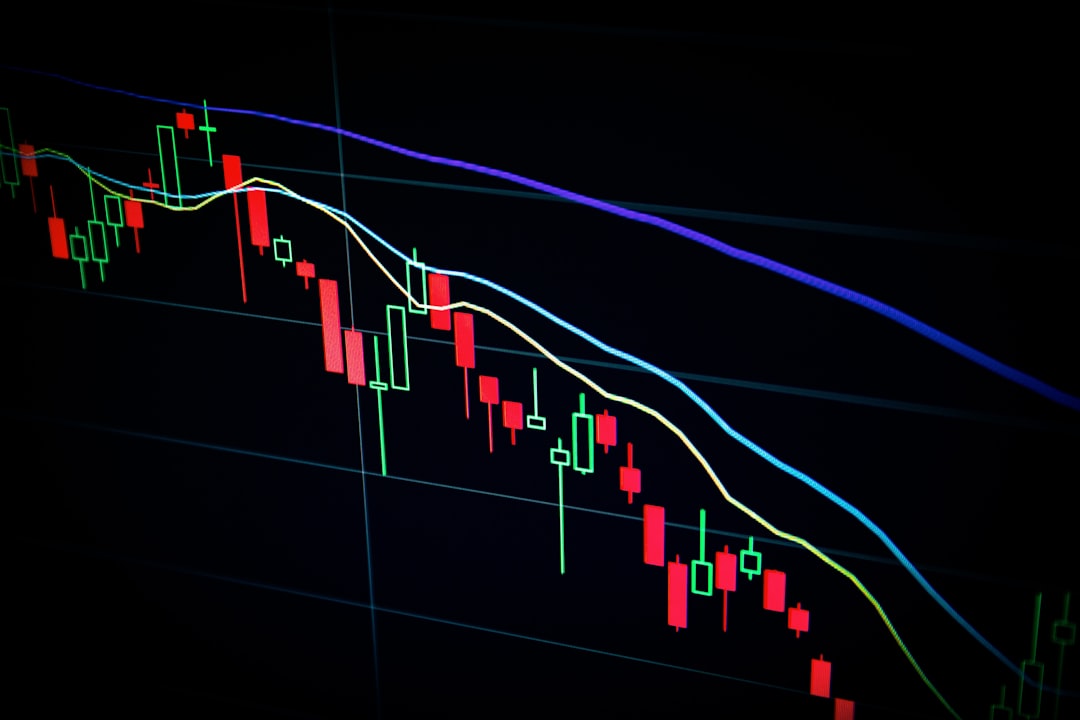
1. Identify the Gap: Look for a clear gap on a daily or 4-hour chart. The gap should be obvious, with no trading activity between the two price levels.
2. Wait for Confirmation: Don’t jump in immediately. Wait for the price to show signs of reversing toward the gap. This could be a candlestick pattern like a hammer or a bullish/bearish engulfing candle.
3. Entry: Enter a trade in the direction of the gap fill. If the gap is upward (price gapped up), you’d short (sell) expecting a drop. If the gap is downward, you’d long (buy) expecting a rise.
4. Target: Set your target at the gap’s starting point (the previous close). For example, if the gap is from $30,000 to $30,500, your target is $30,000.
5. Stop-Loss: Place a stop-loss just beyond the gap’s extreme. For an upward gap, place it above the gap’s high; for a downward gap, below the gap’s low. This limits your risk if the price continues in the gap’s direction.
Risk Management
Risk management is crucial in any strategy, and the Gap Fill Strategy is no exception. Here are some key principles:
- Position Sizing: Never risk more than 1-2% of your trading capital on a single trade. This ensures that a few losses won’t wipe out your account.
- Stop-Loss Discipline: Always use a stop-loss. It’s your safety net. If the market moves against you, the stop-loss will exit the trade automatically, preventing larger losses.
- Market Conditions: Gaps are more reliable in trending markets. In choppy or sideways markets, gaps may not fill as expected. Trade only when the overall trend supports the fill.
- News Awareness: Gaps often occur due to news events. Be aware of upcoming announcements (e.g., regulatory decisions, major partnerships) that could cause further volatility and invalidate your trade.
Conclusion
The Gap Fill Strategy is a powerful tool for traders, especially in the volatile crypto market. By understanding how gaps form and why they tend to fill, you can enter trades with a clear plan and defined risk. Remember, no strategy works 100% of the time, so always combine it with solid risk management and continuous learning. Start by practicing on a demo account, then apply it to live markets when you’re confident. Happy trading, and may the gaps be ever in your favor!