
Ethereum vs Solana: Mastering the Ratio Trade
The crypto market is a battlefield of narratives, but few rivalries are as compelling as Ethereum (ETH) versus Solana (SOL). While most traders focus on absolute prices, a more sophisticated—and often profitable—approach is to trade the ratio between these two giants. This isn’t about picking a winner; it’s about capturing the relative strength of one blockchain over the other. If you’ve ever wondered how to profit from the ‘flippening’ debate without betting on a single coin, this guide is for you.
How it Works
A ratio trade involves simultaneously going long on one asset and short on the other, or simply tracking the ETH/SOL price ratio to make directional bets. The core idea is to isolate the performance of one chain relative to the other, removing the influence of overall market moves. For example, if you believe Ethereum will outperform Solana, you’d buy ETH and sell SOL in equivalent dollar amounts. This is a market-neutral strategy that profits when your chosen asset gains ground against the other.
The Setup
To put on a ratio trade, you have two main options:
Looking for altcoin opportunities and smooth trading? Try KuCoin.
1. Perpetual Futures: Use a crypto exchange that offers perpetual contracts for both ETH and SOL. Open a long position on one and a short on the other, ensuring the notional values are equal. This is the most direct method, but requires managing two positions and their funding rates.
2. Spot Market: Simply buy ETH and sell SOL on a spot exchange. This is simpler but leaves you exposed to market direction—if both drop, you lose on both. To make it a true ratio trade, you’d use a stablecoin like USDC to ‘short’ SOL, which isn’t possible on spot unless you borrow it (margin trading).
For beginners, the perpetual futures route is cleaner. Look for pairs like ETHUSD and SOLUSD, and set your position sizes so the dollar value of your long equals the dollar value of your short.
Why Trade the Ratio?
Trading the ratio offers several key advantages:
- Neutrality: You’re not betting on the overall market going up or down, just on relative performance. This can reduce drawdowns during market-wide corrections.
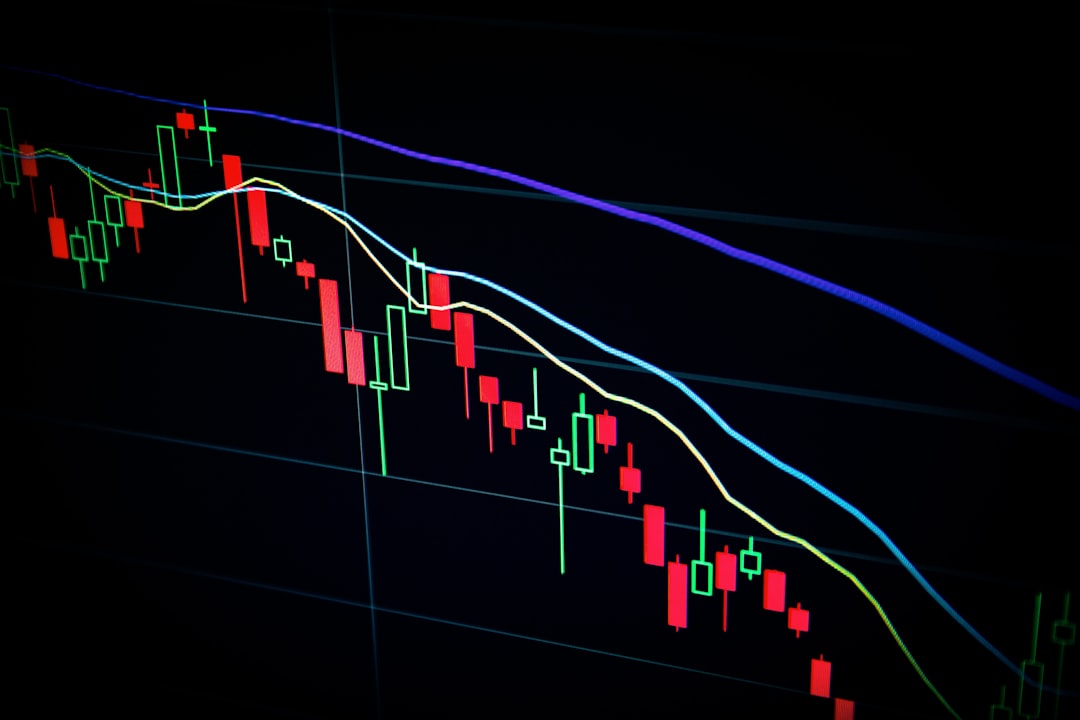
- Clarity: The ratio chart (ETH/SOL) often shows clear trends and ranges, making technical analysis more straightforward than analyzing two separate charts.
- Diversification: It’s a way to express a nuanced view—perhaps you like Ethereum’s institutional adoption but think Solana’s speed will win in the long run. The ratio trade lets you profit from that conviction.
Risk Management
Like any trade, ratio trading carries risks. Here’s how to stay safe:
- Position Sizing: Never risk more than 1-2% of your trading capital on a single ratio trade. The ratio can be volatile, especially during network upgrades or hacks.
- Stop Losses: Place a stop loss on the ratio itself. For example, if you’re long ETH/SOL, set a stop at a certain ratio level where your thesis is invalidated. This avoids catastrophic losses.
- Funding Rate Awareness: In perpetual futures, funding rates can eat into profits. Monitor them and consider closing positions if funding is heavily against you.
- News Events: Major upgrades (like Ethereum’s Dencun or Solana’s Firedancer) can cause sudden ratio swings. Stay informed and avoid holding through high-impact announcements unless you have a strong edge.
Conclusion
The ETH vs SOL ratio trade is a powerful tool for traders who want to profit from the ongoing battle of smart contract platforms. By focusing on relative strength, you can navigate the crypto market with more precision and less directional risk. Start small, practice on a demo account, and always respect your risk management rules. The ratio may not move as fast as a meme coin, but it offers a steady, intellectually satisfying way to trade the biggest rivalry in crypto. Happy trading!