
Ethereum vs Solana Ratio Trading: A Beginner’s Guide to Smarter Crypto Plays

Have you ever watched Bitcoin and Ethereum move in tandem, only to see one suddenly surge ahead of the other? That’s the magic of ratio trading. Instead of betting on a single coin’s price, you’re trading the relative strength between two assets. And when it comes to Ethereum (ETH) and Solana (SOL), the ratio between them has become a favorite playground for traders who want to profit from the battle of the smart contract giants.
In this guide, we’ll break down what ETH/SOL ratio trading is, how to set it up, and—most importantly—how to manage risk like a pro. No complex formulas, just clear, actionable steps.
How It Works
At its core, ratio trading is about comparing the performance of two assets. For ETH/SOL, you’re asking: How many SOL does it take to buy one ETH? If the ratio is 0.05, that means 1 ETH = 0.05 SOL. When the ratio rises, ETH is outperforming SOL. When it falls, SOL is gaining ground.
Looking for altcoin opportunities and smooth trading? Try KuCoin.
You don’t need to own either coin to trade the ratio. You can use perpetual futures or spot pairs on exchanges like Binance or Bybit to go long or short on the ratio. For example, if you think Ethereum will outperform Solana, you go long the ratio (buy ETH, sell SOL). If you think Solana is about to surge, you short the ratio (sell ETH, buy SOL).
The Setup
Here’s a simple, beginner-friendly approach to trading the ETH/SOL ratio:
1. Pick a timeframe – Daily or 4-hour charts work best for swing trading. Avoid lower timeframes if you’re new.
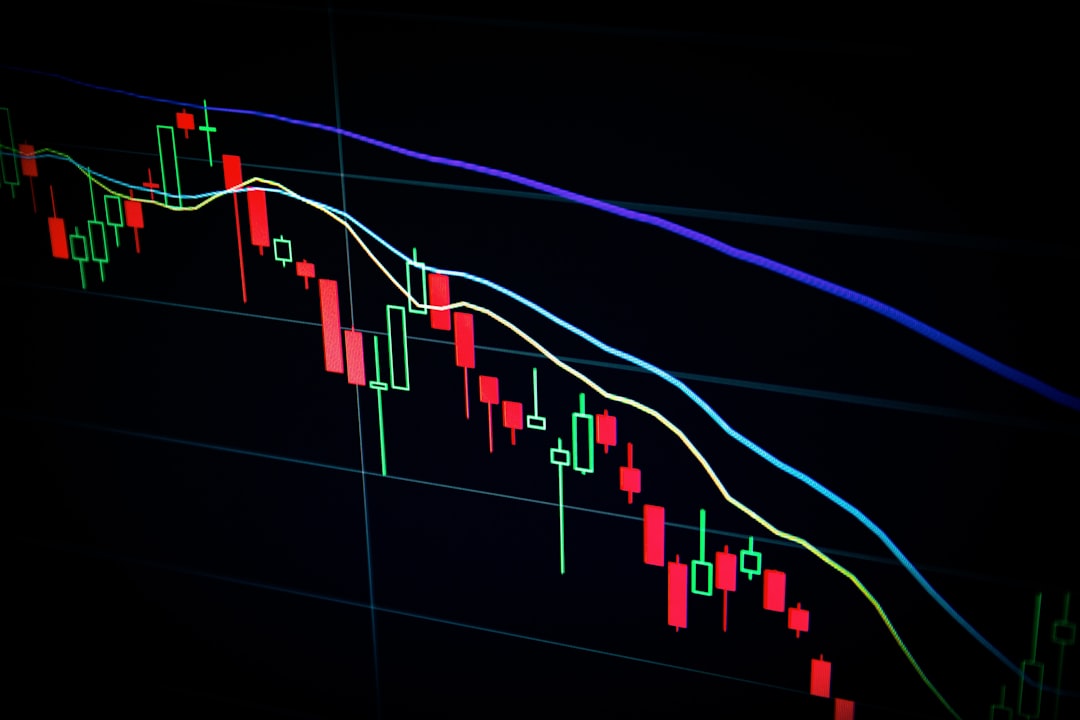
2. Identify the trend – Use a moving average (e.g., 50-period) on the ratio chart. If the price is above the MA, the trend is bullish for ETH. Below, bearish.
3. Find support and resistance – Draw horizontal lines on the ratio chart. These are your entry and exit zones. When the ratio hits resistance, consider shorting; when it hits support, consider going long.
4. Wait for confirmation – Don’t jump in immediately. Look for a candlestick pattern (like a bullish engulfing at support) or a momentum oscillator (like RSI) to confirm the reversal.
5. Set your stop-loss – Place it just beyond the support/resistance level you’re trading from. This is your safety net.
For example, if the ratio is trending down and hits a strong support at 0.045, you might go long with a stop at 0.043. If it bounces, you ride the move back to resistance. If it breaks, you exit and reassess.
Risk Management
Ratio trading can be volatile, so risk management is non-negotiable. Here are three golden rules:
- Risk only 1-2% of your account per trade – This keeps you alive even after a losing streak.
- Use a proper position size – Calculate your position based on your stop-loss distance and risk percentage. For example, if your account is $10,000 and you risk 1% ($100), and your stop is 2% away, your position size should be $5,000.
- Don’t over-leverage – Leverage amplifies gains and losses. Stick to 2x-5x max if you’re new.
Also, keep an eye on fundamental news. A major Ethereum upgrade or a Solana network outage can send the ratio flying. Always check the news before entering a trade.
Conclusion
ETH/SOL ratio trading is a powerful way to trade the crypto market without picking a single winner. It’s about timing the rotation between two leading blockchains. Start small, practice on a demo account, and always respect your risk limits. As you gain confidence, you’ll see that ratio trading isn’t just for pros—it’s a skill you can master with patience and discipline. Now, go study that chart and find your first setup!