
Master the VWAP Day Trading Strategy: Your Key to Smarter Entries
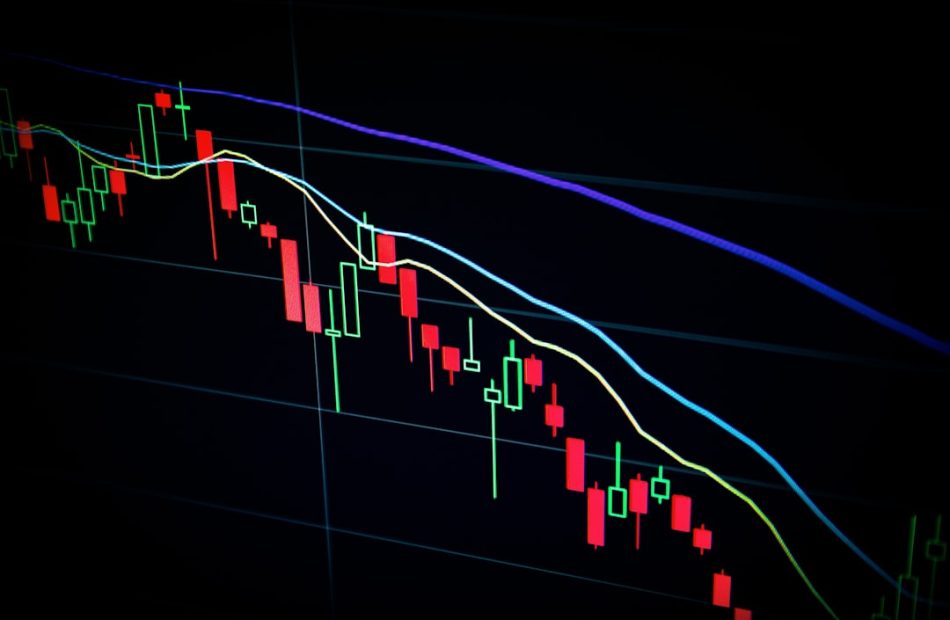
Have you ever watched a chart and felt like the price was moving in a completely random direction, leaving you guessing? You’re not alone. Many traders struggle to find a reliable anchor in the chaos of the markets. But there’s a powerful tool that can cut through the noise and give you a clear edge: the Volume Weighted Average Price, or VWAP. In this guide, we’ll break down the VWAP day trading strategy in plain English, so you can start using it to make smarter, more confident trades.
What is VWAP and Why Should You Care?
Think of VWAP as the ‘fair price’ of an asset for the day. It’s the average price a stock or crypto has traded at, weighted by volume. In simple terms, it tells you where the bulk of trading activity has occurred. Institutional traders and big funds use VWAP to gauge whether they’re getting a good deal, and you can use it too.
The magic of VWAP is that it acts like a magnet. Price tends to gravitate towards it, and it often acts as a powerful support or resistance level. When price is above VWAP, buyers are in control. When it’s below, sellers are in charge. This simple concept is the foundation of a robust day trading strategy.
How It Works: The Two Sides of VWAP
The Bullish Setup (Buying the Dip)
When the price is above the VWAP line, the market is in a bullish (uptrend) phase. The strategy here is to look for pullbacks – moments when the price dips back towards the VWAP line. If the VWAP holds as support and the price bounces back up, that’s your signal to enter a long (buy) position. This is often called ‘buying the dip’ with a safety net.
The Bearish Setup (Selling the Rip)
Conversely, when the price is below the VWAP line, the market is bearish (downtrend). In this case, you’d look for rallies – moments when the price pops up towards the VWAP line. If the VWAP acts as resistance and the price falls back down, that’s your signal to enter a short (sell) position. This is the mirror image of the bullish setup.
The Setup: Step-by-Step Guide
Ready to put this into practice? Here’s a clean, step-by-step setup for a VWAP day trade:
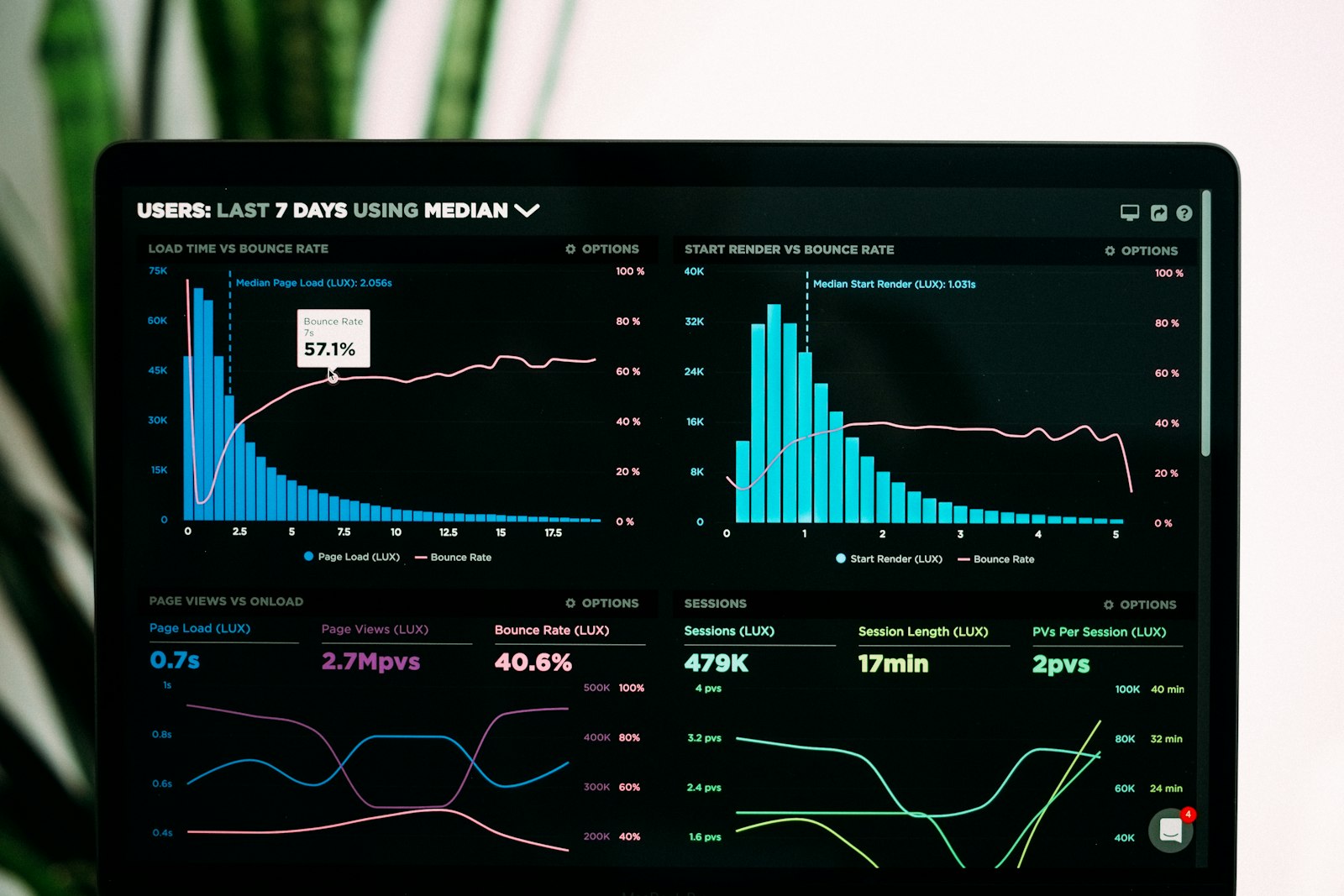
1. Add VWAP to your chart. Most trading platforms (like TradingView, MetaTrader, or ThinkOrSwim) have VWAP as a built-in indicator. Add it to your intraday chart (5-minute or 15-minute timeframes work great).
2. Identify the trend. Look at the big picture. Is the price above or below VWAP? Above means you’re looking for long trades; below means you’re looking for shorts.
3. Wait for the pullback or rally. Don’t chase the price. Wait for it to come to you. In an uptrend, wait for price to dip down to the VWAP line. In a downtrend, wait for it to rally up to the VWAP line.
4. Look for a bounce. Watch for a candlestick pattern that shows the price is rejecting the VWAP line. This could be a bullish engulfing pattern (for longs) or a bearish engulfing pattern (for shorts).
5. Enter the trade. Once you see the bounce, enter your trade in the direction of the trend. Set a stop loss just below (for longs) or above (for shorts) the VWAP line. This gives you a clear, logical invalidation point.
Risk Management: Protecting Your Capital
No strategy is perfect, and VWAP is no exception. That’s why risk management is non-negotiable. Here are three golden rules to keep you safe:
- Always use a stop loss. The VWAP line is your reference. Place your stop loss just beyond it. If price breaks through VWAP, the trade idea is invalid, and you should exit.
- Mind your position size. Never risk more than 1-2% of your trading capital on a single trade. This ensures that even a string of losses won’t wipe you out.
- Don’t trade against the trend. The whole strategy relies on trading in the direction of the VWAP trend. Trying to catch a reversal against VWAP is a losing game for most beginners.
Final Thoughts
VWAP is a simple yet incredibly effective tool that can transform your day trading. By anchoring your decisions to this volume-weighted average, you align yourself with institutional activity and gain a clearer picture of market sentiment. Remember, the goal isn’t to predict the future, but to make high-probability trades with a defined risk.
Start by practicing on a demo account. Get comfortable with how price interacts with VWAP. Over time, you’ll develop an intuition for when to pull the trigger. The market is full of noise, but with VWAP on your side, you’ll have a signal that cuts through it all. Happy trading!