
The Revenge Trading Trap: How to Break the Cycle and Trade with a Clear Mind
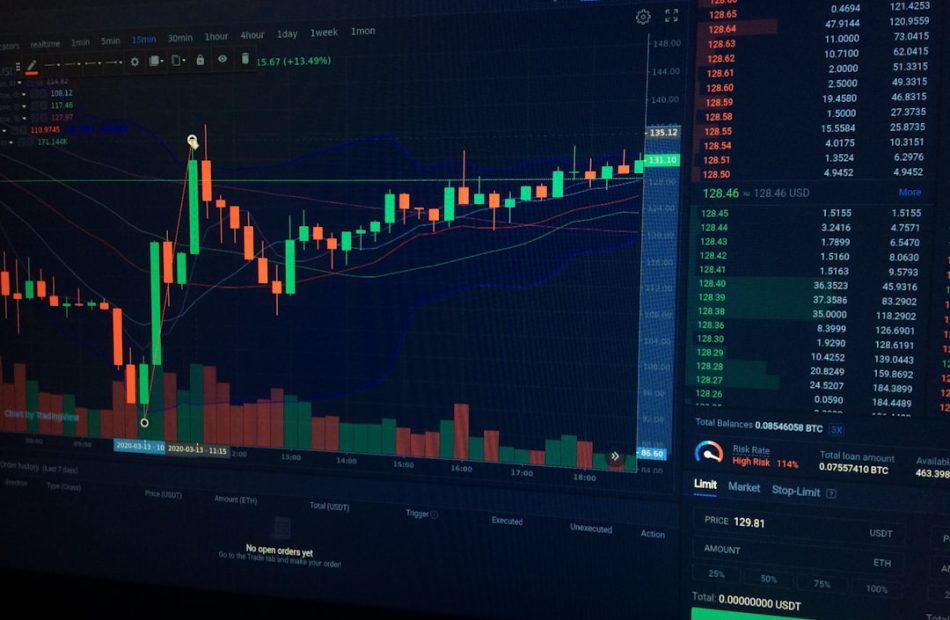
You just took a loss. It stings. Your screen is still glowing red with the aftermath of a trade that went wrong. Your heart is racing, and a familiar voice whispers: ‘You need to get that money back. Now.’ So you jump back in, double your size, and try to force a win. This is revenge trading — the emotional spiral that has wiped out more accounts than any market crash ever could. In this post, we’ll break down what revenge trading is, why it’s so dangerous, and how you can escape its grip for good.
What Is Revenge Trading?
Revenge trading is when you re-enter the market immediately after a loss, driven by anger, frustration, or the desperate need to recover lost funds. Instead of following your strategy, you make impulsive decisions based on emotion. It’s like trying to punch the market back — but the market doesn’t feel pain, only your account does.
How It Works
The cycle usually goes something like this:
1. You take a loss — maybe a stop-loss hit or a bad entry.
2. Emotion spikes — anger, frustration, or fear of missing out on recovery.

3. You re-enter quickly — often with a larger position size to ‘win it back’.
4. The market moves against you again — because your analysis is clouded.
5. You lose more — and the cycle repeats, often leading to a blown account.
This isn’t a strategy; it’s a psychological reaction. And it’s one of the most common reasons beginners fail.
The Setup: Why It Feels So Tempting
Revenge trading feels powerful because it gives you a sense of control after a loss. You’re not just sitting there — you’re doing something. But this false sense of action is exactly what traps you. The market doesn’t care about your feelings. It only rewards discipline and patience.
Risk Management: Your Shield Against Revenge
The best way to beat revenge trading is to have a risk management system that you follow religiously. Here’s how:
- Set a daily loss limit. Decide before the session how much you’re willing to lose. If you hit it, you’re done for the day. No exceptions.
- Use a trade journal. Write down every trade, including your emotions. When you see patterns, you can catch yourself before the next revenge trade.
- Take a break after a loss. Step away from the screen for at least 30 minutes. Let your adrenaline drop. Go for a walk, breathe, or do something else.
- Trade with a fixed risk per trade. Risk only 1-2% of your account per trade. This way, even a string of losses won’t wipe you out, and you won’t feel the need to ‘make it back’ quickly.
- Have a ‘no trade’ rule. If you feel angry or frustrated, you are not allowed to open a new position. Period.
Conclusion
Revenge trading is a psychological trap that every trader faces at some point. The key is not to avoid losses — they’re part of trading — but to avoid the emotional reaction that follows. By implementing strict risk management, taking breaks, and journaling your emotions, you can break the cycle and trade with a clear mind. Remember: the market will always be there tomorrow. Your account might not be if you keep seeking revenge. Trade with discipline, not emotion.