
The Psychology of Revenge Trading: How to Break the Cycle and Trade with Clarity
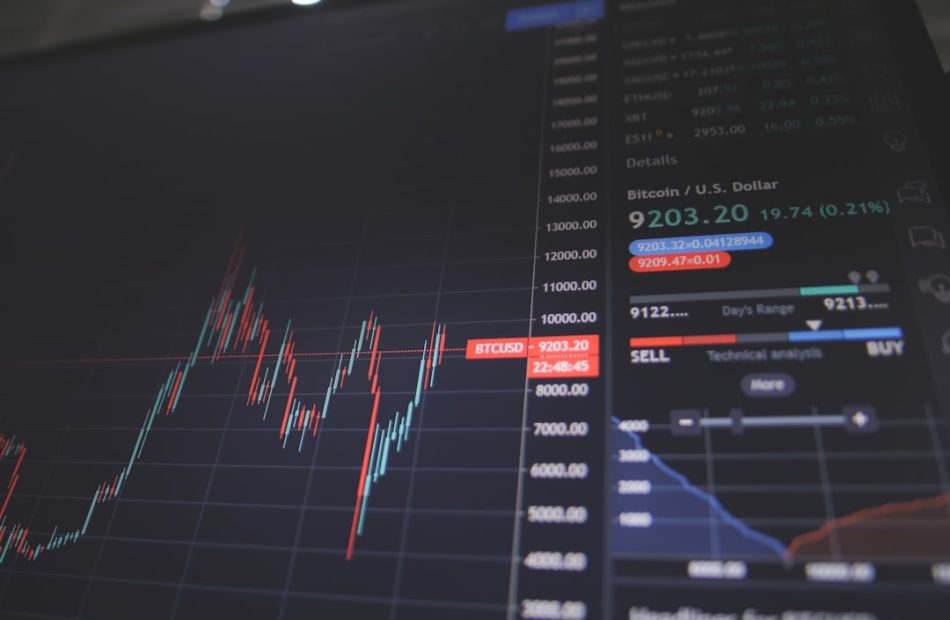
We’ve all been there. You take a loss—maybe a bad one—and something inside you snaps. The next trade isn’t about analysis or strategy; it’s about getting even. You size up, you chase, you force the market to give back what it took. This is revenge trading, and it’s one of the fastest ways to blow up an account. But here’s the good news: you can break the cycle. In this post, we’ll explore why revenge trading happens, how to recognize it in yourself, and most importantly, how to step back and trade with a clear mind.
How It Works: The Emotional Loop
Revenge trading isn’t a strategy—it’s a reaction. It usually follows a loss that feels unfair or avoidable. The emotional loop goes like this:
1. Loss: You take a loss, often due to a mistake or a market move that seemed irrational.
Looking for altcoin opportunities and smooth trading? Try KuCoin.
2. Anger/Frustration: Instead of accepting the loss, you feel a surge of anger. You want to ‘win’ back what you lost.
3. Impulse: You jump into a new trade immediately, without waiting for a proper setup. You might increase your position size to ‘make it back faster’.
4. Reinforcement: If the trade wins, you feel a temporary high and the cycle is reinforced. If it loses, the anger intensifies, and you might enter another trade, doubling down.
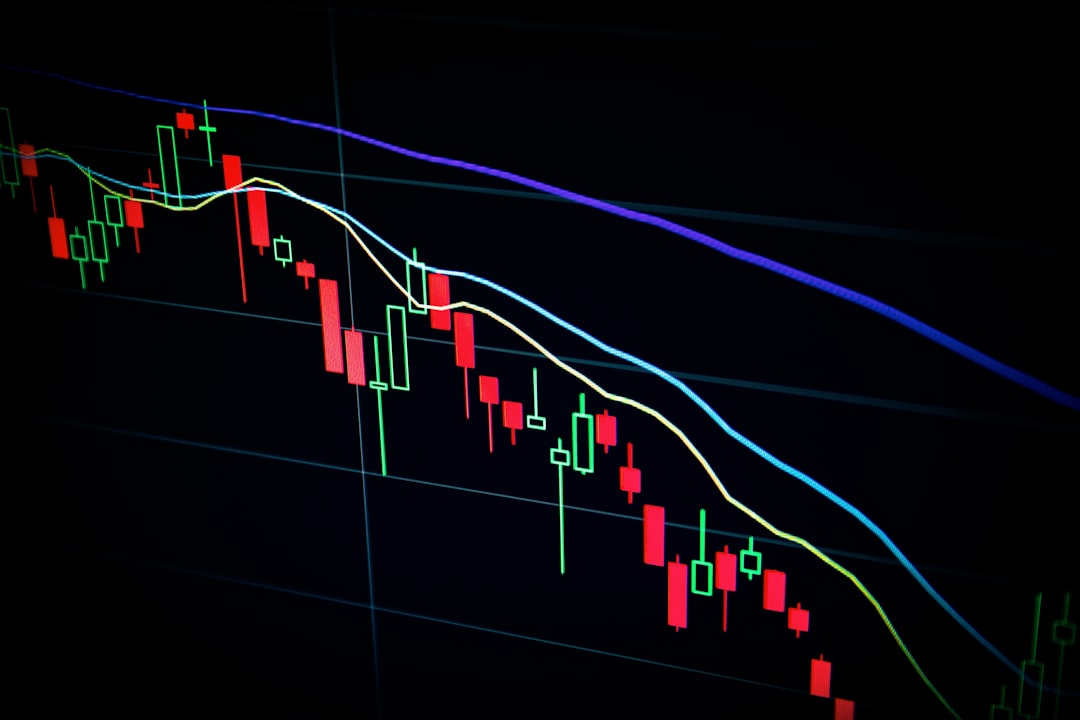
The problem is that revenge trading is driven by emotion, not logic. Your judgment is clouded, and you’re making decisions from a place of fear and ego, not from your trading plan. This leads to overtrading, poor risk management, and typically, even bigger losses.
The Setup: Recognizing the Signs
How do you know if you’re about to fall into a revenge trade? Here are some red flags:
- You’re checking the chart right after a loss and feel an intense urge to ‘do something’.
- You’re increasing your lot size to ‘make back’ the loss quickly.
- You’re ignoring your trading rules—entering without a clear setup, skipping stop-losses, or moving them wider.
- You’re trading a different market or timeframe than usual, just because it’s moving.
- You feel a physical sensation—tight chest, racing heart, or a knot in your stomach.
If you notice any of these, it’s time to stop. The best way to avoid revenge trading is to have a set of rules that you follow without exception. For example:
- The 30-Minute Rule: After a loss, step away from the computer for at least 30 minutes. Go for a walk, drink water, do anything that takes your mind off the market.
- The Max Loss Rule: Decide in advance how much you’re allowed to lose in a day (e.g., 2% of your account). Once you hit that, you’re done for the day. Period.
- The One-Trade Rule: After a loss, you can only take the next trade if it meets all your criteria and you can articulate why you’re taking it in a sentence or two.
Risk Management: Your Emotional Shield
Risk management isn’t just about protecting your capital—it’s about protecting your mental state. When you risk too much on a single trade, you’re more likely to feel anxious and reactive. Here’s how to use risk management to keep revenge trading at bay:
- Position Sizing: Never risk more than 1-2% of your account on a single trade. This way, a loss is a small setback, not a catastrophe. You’ll be less tempted to ‘get it back’.
- Stop-Losses: Always use a stop-loss. It’s your escape hatch. If a trade goes against you, you’re out with a predefined loss. This removes the need for snap decisions.
- Daily Loss Limit: Set a daily loss limit (e.g., 3% of your account). If you hit it, you stop trading for the day. This is a non-negotiable rule that protects you from your own impulses.
- Journal Your Trades: Write down every trade, including your emotional state. Over time, you’ll see patterns. You’ll notice that revenge trades are often impulsive and poorly planned, while your best trades come from a calm, focused mindset.
Remember, the goal is not to avoid losses—losses are part of trading. The goal is to manage them so they don’t destroy your confidence or your account. When you have solid risk management in place, you can take a loss as a natural part of the process, and move on without the urge to retaliate.
Conclusion
Revenge trading is a psychological trap that even experienced traders fall into. But now you know the signs, and you have the tools to avoid it. The next time you feel that urge to ‘get even’, take a step back. Breathe. Remember that the market will always be there tomorrow. Your goal is to be there too, with your capital and your sanity intact.
Trading is a marathon, not a sprint. By mastering your emotions and sticking to your risk management rules, you’ll not only survive the tough days—you’ll thrive in the long run. So, the next time you take a loss, take a deep breath, close the chart, and come back when you’re calm. That’s how winners trade.
Stay disciplined, stay patient, and keep learning. You’ve got this.