
RWA vs Pure DeFi Yields: Which Is Safer?
Real World Assets (RWAs) are tangible or intangible assets—such as real estate, bonds, commodities, and credit—that are tokenized on a blockchain. This process bridges the gap between Traditional Finance (TradFi) and Decentralized Finance (DeFi) by enabling fractional ownership, 24/7 liquidity, and transparent on-chain record-keeping. The key difference between RWAs and pure DeFi yields lies in the source of returns: RWAs derive value from off-chain, regulated markets, while pure DeFi yields come from on-chain protocols like lending pools, automated market makers, and liquidity mining.
How It Works
The technical process of tokenizing a real-world asset typically follows these steps:
- Asset Selection & Valuation: An asset (e.g., a commercial property or government bond) is identified and independently appraised.
- Special Purpose Vehicle (SPV): A legal entity (SPV) is created to hold the asset, isolating it from the issuer’s balance sheet.
- Tokenization: The SPV issues digital tokens on a blockchain (e.g., Ethereum, Polygon) representing fractional ownership rights.
- Oracle Integration: Oracles (e.g., Chainlink) feed real-time off-chain data—such as asset valuations, interest rates, or rental income—onto the blockchain.
- Secondary Market: Tokens are listed on decentralized exchanges (DEXs) or regulated platforms, allowing investors to trade 24/7.
Investment Analysis
Pros of RWA Yields
- Stability: Backed by tangible assets or regulated financial instruments, reducing volatility compared to pure DeFi tokens.
- Regulatory Clarity: Many RWA projects comply with securities laws, offering legal recourse.
- Diversification: Access to asset classes like real estate or corporate credit that are uncorrelated with crypto markets.
Cons & Risks
- Counterparty Risk: Dependence on the SPV and asset manager; if they fail, token holders may lose value.
- Smart Contract Risk: Bugs or exploits in the tokenization or oracle contracts can lead to loss of funds.
- Liquidity Risk: Some RWA tokens may have thin secondary markets, making it hard to exit positions quickly.
- Regulatory Risk: Changing laws around tokenized securities could affect the asset’s legality or tax treatment.
For a broader market view, check out our analysis on AI Agents in Crypto: Complete 2024 Guide to Automated Trading & Analysis.
Investors often compare this to Cold Storage vs Hot Wallets: Which Should You Choose?.
Tool Recommendation
If you’re ready to explore RWA investments or compare yields, you can practice this setup safely on Binance. Binance offers a wide range of tokenized assets and educational resources to help you understand the risks and rewards. Sign up here to get started.
FAQ Section
What is the main difference between RWA yields and pure DeFi yields?
RWA yields are generated from off-chain, regulated assets like bonds or real estate, while pure DeFi yields come from on-chain protocols such as lending pools or liquidity mining. RWAs tend to be more stable but involve counterparty and regulatory risks, whereas pure DeFi yields are often higher but more volatile and subject to smart contract risk.
Are RWA investments safer than pure DeFi?
Generally, yes—because RWAs are backed by tangible assets or regulated instruments, they offer more stability and legal protection. However, they are not risk-free; investors must evaluate the asset manager, SPV structure, and liquidity of the tokenized market. Pure DeFi yields can offer higher returns but come with greater volatility and technical risks.
How do I start investing in tokenized real-world assets?
You can start by researching platforms that offer RWA tokens, such as Binance, which lists several tokenized assets. Ensure you understand the asset’s underlying value, the legal structure, and the liquidity of the token. Always perform your own due diligence and consider consulting a financial advisor.
Conclusion
Both RWA and pure DeFi yields have their place in a diversified portfolio. RWAs offer a safer, more regulated path to earning yield with lower volatility, while pure DeFi can provide higher returns for those willing to accept greater risk. The choice depends on your risk tolerance, investment horizon, and familiarity with blockchain technology. As the market matures, RWAs are likely to attract more institutional capital, further bridging TradFi and DeFi.
Brazil’s Central Bank Fines Banco Topazio $3.2M, Issues 2-Year Crypto Trading Ban
May 14, 2026 — Brazil’s Central Bank has imposed a $3.2 million fine and a two-year ban on Banco Topazio’s foreign cryptocurrency trading operations after detecting serious compliance failures involving $1.7 billion in unchecked transactions. The penalties stem from irregularities between October 2020 and September 2021.
Immediate Details & Direct Quotes
Low fees are crucial when trading breaking news. We recommend MEXC for tight spreads and fast execution.
The Administrative Sanctioning Process Decision Committee (Copas) of the Central Bank of Brazil determined that Banco Topazio failed to conduct proper due diligence on cryptocurrency purchases during the investigation period. The bank processed $1.7 billion in crypto trades involving 15 legal entities without executing procedures to verify the qualification of third parties benefiting from these operations.
“The institution was fined $3.2 million for irregularities in determining customers’ financial capacities, deficiencies in its registration procedures, and failure in determining AML/CFT (Anti-Money Laundering and Terrorist Financing) risks,” according to the official decision.
These problematic transactions accounted for 63% of Banco Topazio’s foreign exchange volumes and 46% of the institution’s total market operations during the period. The reviewing committee classified the irregularities as “serious nature,” warning they could “severely affect the purpose and continuity of activities or operations within the National Financial System.”
Market Context & Reaction
Ailton Aiquino, head of oversight at the Central Bank of Brazil, signaled that similar enforcement actions could target other financial institutions. He stated the importance of “warning and making it clear to all agents operating in this market that the banking supervisor is attentive and vigilant regarding deviant behaviors that may lead to business models capable of enabling money laundering operations.”
As of May 14, 2026, this enforcement action reinforces Brazil’s increasingly active regulatory stance on cryptocurrency operations. The measure comes after the central bank previously banned cryptocurrency use in regulated payment rails and imposed a nationwide prohibition on non-financial event markets.
The Central Bank’s decision demonstrates growing scrutiny on compliance processes as traditional banks expand into cryptocurrency services, with regulators demanding robust Anti-Money Laundering and Counter-Terrorist Financing protocols.
Background & Historical Context
Banco Topazio’s compliance failures occurred between October 2020 and September 2021, when the bank executed cryptocurrency purchases without proper third-party verification procedures. The bank failed to report these atypical operations to regulators despite their substantial volume.
The Central Bank’s Administrative Sanctioning Process Decision Committee (Copas) reviewed the case and determined the violations warranted both financial penalties and operational restrictions. The $3.2 million fine specifically addresses deficiencies in customer financial capacity assessments, registration procedures, and AML/CFT risk management protocols.
The two-year trading ban prohibits Banco Topazio from conducting foreign purchases and sales of cryptocurrency assets, effectively removing the bank from Brazil’s regulated crypto market.
What This Means
This enforcement action signals that Brazilian regulators are intensifying oversight of banking institutions entering the cryptocurrency space. Banks operating crypto trading services must ensure robust compliance programs or face potential trading bans and significant fines.
Other Brazilian financial institutions should expect heightened scrutiny on their crypto-related operations, with the Central Bank prepared to issue similar precautionary measures against violators. The message is clear: non-compliance with Anti-Money Laundering and Counter-Terrorist Financing requirements carries severe consequences.
For crypto traders and investors, this development reinforces the importance of transacting only with regulated institutions that maintain proper compliance protocols, as regulatory actions could impact market access and liquidity.
—
KYC vs No-KYC Exchanges: Privacy Guide 2026
Introduction
In the evolving landscape of cryptocurrency trading, the debate between KYC (Know Your Customer) and no-KYC exchanges has become more critical than ever. As regulatory pressures intensify worldwide, traders must balance privacy with accessibility. This comprehensive guide explores the differences, risks, and benefits of both exchange types, helping you make an informed decision in 2026.
Key Concepts
- KYC Exchanges: Platforms that require identity verification (e.g., passport, utility bills) before trading. Examples include Coinbase, Binance (in most jurisdictions), and Kraken. These exchanges comply with anti-money laundering (AML) laws and offer higher liquidity, fiat on-ramps, and customer support.
- No-KYC Exchanges: Platforms that allow trading without identity verification. Examples include KuCoin (for certain features), Bisq, and decentralized exchanges (DEXs) like Uniswap. They prioritize privacy but may have lower liquidity, limited fiat support, and higher regulatory risk.
- Privacy Trade-offs: KYC exchanges protect against fraud and theft but expose personal data. No-KYC exchanges preserve anonymity but may attract illicit activity and lack recourse for disputes.
Pro Tips
- Use a VPN: Regardless of exchange type, always use a VPN to mask your IP address and enhance privacy.
- Start with a KYC exchange for fiat: If you need to convert fiat to crypto, use a regulated KYC exchange for the initial purchase, then transfer to a no-KYC platform for trading.
- Check local regulations: Some countries ban no-KYC exchanges. Always verify legal compliance in your jurisdiction.
- Enable 2FA: Two-factor authentication is essential on any exchange to prevent unauthorized access.
- Diversify your holdings: Keep only trading funds on exchanges; store long-term assets in cold storage wallets.
💡 Pro Tip
Looking for altcoin opportunities and smooth trading? Try KuCoin.
FAQ Section
1. Is it safe to use no-KYC exchanges?
No-KYC exchanges can be safe if you use reputable platforms with strong security measures. However, they carry higher risks of scams, hacks, and regulatory crackdowns. Always research the exchange’s history and community feedback.
2. Can I withdraw fiat from a no-KYC exchange?
Most no-KYC exchanges do not support fiat withdrawals. You typically need to convert your crypto to fiat on a KYC exchange or use peer-to-peer (P2P) services.
3. Do KYC exchanges share my data with governments?
Yes, KYC exchanges are required to comply with AML and counter-terrorism financing (CTF) laws, which may involve sharing user data with regulatory authorities upon request.
4. What is the best no-KYC exchange in 2026?
KuCoin remains a top choice for no-KYC trading (up to certain limits), along with decentralized exchanges like Uniswap and PancakeSwap. For maximum privacy, consider Bisq or Hodl Hodl.
5. How do I choose between KYC and no-KYC?
Consider your priorities: if you value convenience, liquidity, and fiat access, choose KYC. If privacy and anonymity are paramount, opt for no-KYC. Many traders use both for different purposes.
Conclusion
The choice between KYC and no-KYC exchanges ultimately depends on your risk tolerance, privacy needs, and trading goals. In 2026, the landscape continues to shift with new regulations and technologies. For long-term security, always pair your exchange strategy with proper wallet management. For more details on this, check out our guide on Cold Storage vs Hot Wallets: Which Should You Choose?. You might also be interested in reading about The Golden Cross: Your Simple Signal for Major Market Moves.

How Tokenized Real World Assets (RWAs) Are Redefining Crypto Trading
Imagine being able to trade a piece of a Manhattan skyscraper, a barrel of premium crude oil, or a government bond—all from your crypto wallet, 24/7, with near-instant settlement. That’s the promise of Real World Assets (RWA) tokenization, and it’s quickly becoming one of the most exciting and accessible trading opportunities in crypto today.
For years, crypto has been largely self-contained—trading one digital asset for another. But RWAs bridge the gap between traditional finance (TradFi) and decentralized finance (DeFi), bringing trillions of dollars of real-world value onto the blockchain. As a trader, this means new markets, new strategies, and a chance to diversify beyond the usual volatility of Bitcoin and altcoins.
How it Works
At its core, RWA tokenization is simple: a real-world asset—like real estate, commodities, invoices, or even fine art—is represented as a digital token on a blockchain. Each token represents a fractional ownership stake or a claim on the underlying asset’s value. Smart contracts handle the issuance, transfer, and even the distribution of yields (like rent or dividends).
For example, a $100 million commercial property can be tokenized into 100 million tokens, each worth $1. You don’t need to buy the whole building—you can buy 100 tokens for $100 and instantly own a tiny, tradeable piece of that asset.
The Setup
Trading RWAs requires a slightly different mindset than trading pure crypto. Here’s how to get started:

1. Choose a Platform: Look for protocols that specialize in RWA tokenization. Popular options include Ondo Finance (tokenized bonds), Centrifuge (real-world credit), and MakerDAO’s RWA vaults. Many are now integrated with major DEXs like Uniswap or Curve.
2. Understand the Asset Type: Not all RWAs are the same. Some are yield-bearing (like tokenized Treasuries that pay interest), while others are price-appreciating (like tokenized real estate). Know what you’re buying.
3. Check Liquidity: RWA tokens can be less liquid than major cryptos. Stick to pairs with decent volume, and consider using limit orders to avoid slippage.
4. Monitor Oracle Prices: RWAs rely on oracles (like Chainlink) to report the off-chain price of the underlying asset. A delayed or manipulated oracle can cause price disconnects. Always check the oracle source.
Risk Management
Trading RWAs comes with unique risks that every beginner must understand:
- Counterparty Risk: The asset’s value depends on the entity managing it. If the real estate manager goes bankrupt or the bond issuer defaults, your token may lose value. Always research the issuer’s reputation and legal structure.
- Smart Contract Risk: The token itself is a smart contract. Bugs or exploits can lead to loss of funds. Stick to audited, battle-tested protocols.
- Liquidity Risk: As mentioned, some RWA tokens may be hard to sell quickly. Never allocate more than 5-10% of your portfolio to illiquid RWA positions.
- Regulatory Risk: Laws around tokenized assets vary by country. A sudden regulatory crackdown could freeze or devalue your tokens. Stay informed on local regulations.
A good rule of thumb: treat RWA tokens like any other volatile asset. Use stop-losses, take profits, and never invest money you can’t afford to lose.
Conclusion
Real World Asset tokenization is not just a buzzword—it’s a paradigm shift that merges the stability of traditional assets with the efficiency and accessibility of crypto. For traders, it offers a way to tap into income-generating assets, hedge against crypto-native volatility, and participate in markets that were once reserved for institutions.
Start small. Learn the mechanics. And remember: the same principles that make you a good crypto trader—risk management, due diligence, and patience—apply here too. The future of trading is hybrid, and RWAs are the bridge.
UK Stablecoin Rules Explained: Why the Bank of England Is Easing Restrictions
Did you know that sterling-based stablecoins currently account for less than 0.5% of a global market worth over $320 billion? That’s a surprisingly small slice for one of the world’s major currencies. The Bank of England (BoE) is now rethinking its approach to stablecoin regulation after industry feedback revealed that proposed rules might have been too strict. Deputy Governor Sarah Breeden recently told the Financial Times that the central bank is “looking very hard” at whether its ownership limits and reserve requirements were “overly conservative.” This matters because the UK’s regulatory stance will shape how stablecoins operate in one of the world’s largest financial markets. This guide explains the proposed changes, why they matter for crypto users, and what the evolving UK regulatory landscape means for the future of stablecoins.
Read time: 10-12 minutes
Understanding Stablecoins for Beginners
A stablecoin is a type of cryptocurrency designed to maintain a stable value by being pegged to a real-world asset, typically a fiat currency like the US dollar or British pound. Think of it like a digital gift card that’s always worth exactly £1—you can use it online, send it to friends, and merchants accept it without worrying about price fluctuations. Unlike Bitcoin or Ethereum, which can swing 10% in a day, stablecoins aim for one-to-one value with their underlying currency.
Why were stablecoins created? They solve a fundamental problem in cryptocurrency: volatility. Before stablecoins, if you wanted to trade crypto or use blockchain apps, you had to accept wild price swings. Stablecoins provide a “safe harbor” within crypto markets, allowing users to hold value, send money globally, or earn yield without leaving the blockchain ecosystem. A real-world example is Tether (USDT) or USD Coin (USDC), which together handle hundreds of billions in monthly trading volume. In the UK context, GBP-denominated stablecoins could enable faster payments, cheaper international transfers, and new financial services for British users.
The Technical Details: How UK Stablecoin Regulation Actually Works
The Bank of England’s proposed framework aims to balance innovation with financial stability. Here are the key components:
1. Ownership Limits: The BoE originally proposed capping individual ownership of UK sterling-based stablecoins at £20,000 per coin, with businesses limited to £10 million. This was designed to prevent large-scale deposit outflows from traditional banks.
2. Reserve Requirements: A rule requiring at least 40% of assets backing a UK stablecoin to sit on deposit at the central bank, earning no interest. The remaining 60% would be held in sovereign bonds and other liquid assets.
3. Backing Assets: Like US stablecoins, UK versions must be fully backed by real-world assets. However, the BoE’s approach was stricter than US rules, which don’t require central bank deposits.
4. Liquidity Stress Modeling: Breeden revealed the 40% figure came from studying withdrawal speeds during the 2023 Silicon Valley Bank collapse. The BoE wanted to ensure stablecoins could handle rapid redemption requests.
Why this structure matters for you: These rules determine how profitable and usable UK stablecoins will be. Stricter requirements mean lower yields for users and higher operating costs for issuers. The BoE is now reconsidering whether these limits were too restrictive, which could make UK stablecoins more competitive globally.
Current Market Context: Why This Matters Now
As of May 2026, the global stablecoin market exceeds $320 billion, with US dollar-pegged coins dominating. Sterling-based stablecoins represent a tiny fraction—less than 0.5%—of this market. The UK is playing catch-up in the race to build a competitive digital assets sector.
The BoE’s reconsideration follows significant pushback from crypto industry groups, who called the original proposals operationally “cumbersome.” Breeden’s acknowledgment that the rules may have been “overly conservative” represents a major shift. This is happening simultaneously with US stablecoin legislation advancing—the CLARITY Act recently moved to full Senate markup—creating a competitive dynamic where jurisdictions compete to attract stablecoin business.
Breeden also signaled that the BoE sees no urgency to raise interest rates in June or July 2026, despite markets pricing in two to three hikes this year. This broader monetary policy context affects stablecoin economics, as higher rates would increase the opportunity cost of holding non-interest-bearing central bank deposits.
Competitive Landscape: How UK Stablecoin Rules Compare
The UK’s proposed framework differs significantly from other major jurisdictions:
| Feature | UK (Proposed) | United States (Existing/Proposed) | European Union (MiCA) |
|---|---|---|---|
| Central Bank Deposit Requirement | 40% (under review) | None required | Variable reserves, no central bank mandate |
| Ownership Limits | £20K individual, £10M business | No individual limits | No specific individual limits |
| Reserve Composition | Mixed assets (bonds + central bank deposits) | Treasury bills, cash, repos | Cash, bank deposits, government bonds |
| Profitability Impact | Lower (non-interest bearing deposits) | Higher (interest-bearing reserves) | Moderate |
| Regulatory Timeline | Under review, no finalized timeline | CLARITY Act in Senate markup | Implemented June 2024 |
Why this matters: The UK’s stricter approach, particularly the 40% central bank deposit requirement, makes UK stablecoins inherently less profitable than US or EU counterparts. Breeden’s willingness to reconsider suggests the BoE recognizes that overly conservative rules could drive stablecoin innovation elsewhere.
Practical Applications: Real-World Use Cases
Why should UK crypto users care about these regulatory changes?
- Faster Domestic Payments: Sterling stablecoins could enable instant, low-cost UK transfers, competing with traditional bank transfers that often take 1-3 business days.
- International Remittances: Sending money abroad becomes cheaper and faster. Instead of paying 5-10% fees through traditional remittance services, stablecoin transfers typically cost pennies.
- Crypto On-Ramp for UK Users: A well-regulated UK stablecoin would provide a seamless entry point for British users to access global crypto markets without converting to USD first.
- Yield Generation: Stablecoins can earn interest through decentralized finance (DeFi) protocols. More favorable regulation could unlock better returns for UK users.
- E-commerce Integration: Merchants could accept stablecoin payments with near-instant settlement and minimal fees, particularly valuable for online businesses.
Risk Analysis: Expert Perspective
Primary Risks:
1. Regulatory Uncertainty: The BoE’s framework isn’t finalized. Changes in approach could create confusion for issuers and users. The current “under review” status means businesses face planning challenges.
2. Banking Sector Impact: The BoE’s original concern—that stablecoins could trigger large deposit outflows from traditional banks—remains valid. If too many users shift from bank deposits to stablecoins, it could impact bank lending and financial stability.
3. Liquidity Risk: Stablecoins need to maintain perfect peg conditions. During market stress, rapid redemptions could strain reserves, as seen with USDC’s depegging in 2023 after Silicon Valley Bank’s collapse.
4. Global Competition: If UK rules remain stricter than US or EU frameworks, stablecoin issuers may choose to operate elsewhere, limiting UK market development.
Mitigation Strategies:
- The BoE is studying withdrawal patterns from bank runs to calibrate reserve requirements appropriately
- Industry working groups are providing feedback on operational feasibility
- Gradual implementation would allow market participants to adapt
Expert Consensus: Breeden’s comments signal a genuine willingness to find balance. The BoE wants stablecoins to “succeed and deliver benefits,” but insists on safety. The final framework will likely be less restrictive than originally proposed but still more conservative than US rules.
Beginner’s Corner: Quick Start Guide
How to Use Stablecoins Safely (When UK Options Become Available):
1. Choose a Regulated Issuer: Only use stablecoins from companies with proper licensing and transparent reserve reporting. Check for regular third-party audits.
2. Use a Reputable Exchange: Buy stablecoins through established platforms like Coinbase, Binance, or Kraken. Verify they support UK-specific stablecoins when available.
3. Store in a Non-Custodial Wallet: For larger amounts, transfer stablecoins to a hardware wallet (like Ledger or Trezor) where you control the private keys. This reduces exchange counterparty risk.
4. Understand Redemption Process: Know how to convert stablecoins back to GBP. Regulated issuers should offer direct redemption, but fees and timelines vary.
5. Monitor Regulatory Updates: Stay informed about UK stablecoin rules through official BoE announcements. Regulatory changes can affect stablecoin operations and your holdings.
Common Mistake to Avoid: Never store significant amounts of stablecoins on an exchange where you don’t control the private keys. The “not your keys, not your coins” rule applies to stablecoins too.
Future Outlook: What’s Next
The revised UK stablecoin framework has no finalized timeline, but Breeden’s comments signal the BoE is prepared to move away from its original approach before any rules take effect. Key developments to watch:
1. Revised Consultation: The BoE is expected to publish updated proposals later in 2026, likely with reduced central bank deposit requirements and modified ownership limits.
2. Industry Engagement: Breeden confirmed the BoE is “genuinely open to thinking” about alternative approaches. Ongoing industry consultations will shape the final rules.
3. Monetary Policy Context: With Breeden pushing back against near-term rate hikes, the interest rate environment will remain stable, affecting stablecoin economics.
4. Global Coordination: The UK is watching US stablecoin legislation (CLARITY Act) and EU MiCA implementation. Final UK rules may align more closely with international standards.
Expected timeline: The BoE’s revised framework could emerge in late 2026 or early 2027, with stablecoin issuance potentially beginning in 2027. The crypto industry will be watching closely for signs of how far the BoE is willing to bend.
Key Takeaways
- The Bank of England is reconsidering its stablecoin ownership limits and 40% central bank deposit requirement after industry feedback labeled the proposals “overly conservative.”
- UK stablecoins currently account for less than 0.5% of the $320 billion global market, and the BoE wants to create a regime where they can succeed while ensuring safety.
- The proposed rules were stricter than US and EU frameworks, making UK stablecoins less profitable to operate—a key reason for the current rethink.
- Deputy Governor Breeden signaled no urgency for rate hikes in mid-2026, providing a stable monetary backdrop for stablecoin development.
- A revised framework is expected later in 2026, with the BoE genuinely open to alternative approaches to managing financial stability risks.
What Is Impermanent Loss? Liquidity Providing Explained
Impermanent loss is one of the most critical risks that liquidity providers face in decentralized finance (DeFi). When you deposit tokens into an automated market maker (AMM) like Uniswap or PancakeSwap, the ratio of your deposited assets can shift relative to holding them in your wallet. This guide explains what impermanent loss is, how it works, and how you can manage it effectively.
Key Concepts
1. What Is Impermanent Loss?
Impermanent loss occurs when the price of your deposited tokens changes compared to when you deposited them. The larger the price change, the more severe the loss. It is called “impermanent” because the loss only becomes permanent if you withdraw your liquidity at a time when the price ratio has shifted unfavorably. If prices return to their original ratio, the loss disappears.
2. How Does Liquidity Providing Work?
In an AMM, you deposit two tokens in a specific ratio (e.g., 50/50). The pool uses a constant product formula (x * y = k) to maintain balance. When traders swap tokens, the ratio changes, and arbitrageurs step in to keep prices aligned with external markets. As a liquidity provider, you earn a share of the trading fees, but you also take on the risk of impermanent loss.
3. Example of Impermanent Loss
Suppose you deposit $1,000 worth of Token A and $1,000 worth of Token B into a pool. If Token A doubles in price while Token B stays the same, arbitrageurs will buy Token A from the pool until the ratio adjusts. When you withdraw, you might end up with less total value than if you had simply held both tokens in your wallet. The difference is your impermanent loss.
Pro Tips
- Choose stablecoin pairs: Pools with two stablecoins (e.g., USDC/DAI) have minimal price divergence, so impermanent loss is negligible.
- Look for high fee pools: Pools with higher trading fees can offset impermanent loss over time. Always compare fee rates.
- Monitor volatility: Avoid providing liquidity to highly volatile token pairs unless you are prepared for significant price swings.
- Use impermanent loss calculators: Many DeFi dashboards offer calculators to estimate potential losses before you commit funds.
💡 Pro Tip
Looking for altcoin opportunities and smooth trading? Try KuCoin.
FAQ Section
Q: Is impermanent loss permanent?
A: No, it is only realized when you withdraw your liquidity. If you wait for prices to return to the original ratio, the loss can disappear.
Q: Can I avoid impermanent loss entirely?
A: Not completely if you provide liquidity to volatile pairs. However, you can minimize it by choosing stablecoin pairs or pools with high fee income.
Q: How is impermanent loss calculated?
A: The formula compares the value of your LP tokens to the value of simply holding the two tokens. Many online calculators can do this for you.
Q: Do I still earn fees even with impermanent loss?
A: Yes, you earn trading fees regardless. Over time, fees can compensate for impermanent loss, especially in high-volume pools.
Conclusion
Impermanent loss is an inherent risk of liquidity providing in AMMs, but it can be managed with careful pair selection, fee analysis, and patience. By understanding how price divergence affects your position, you can make informed decisions and potentially earn attractive yields. For more details on this, check out our guide on How to Secure Your Crypto Wallet: A Step-by-Step Guide. You might also be interested in reading about Strategy Takes Bitcoin Buying Break Ahead of Q1 Earnings Report.
Blackrock Leads $635M Bitcoin ETF Selloff as Solana Demand Holds Firm
May 14, 2026 — Institutional investors pulled $635.23 million from spot Bitcoin ETFs on Wednesday, marking the second straight day of heavy outflows as Blackrock’s IBIT led the retreat with $284.69 million in withdrawals. The selloff extended to Ether funds, which lost another $36.30 million for a third consecutive losing session, while Solana ETFs bucked the trend with $5.97 million in net inflows.
Immediate Details & Direct Quotes
Looking for altcoin opportunities and smooth trading? Try KuCoin.
The scale of Wednesday’s withdrawals represents one of the weakest sessions for Bitcoin ETF products in recent weeks. Every major fund reported net outflows, with no fund recording inflows during the trading day. Ark & 21Shares’ ARKB followed Blackrock with $177.10 million in exits, while Fidelity’s FBTC shed $133.22 million. Additional pressure came from Bitwise’s BITB, which lost $35.40 million, and Valkyrie’s BRRR, which posted a smaller $4.82 million outflow.
According to the Bitcoin.com News report published May 14, 2026, trading activity remained elevated at $1.99 billion despite the defensive sentiment, suggesting investors remain highly engaged. Total net assets across Bitcoin ETFs fell to $105.01 billion. Two days of outflows now total nearly $900 million for Bitcoin products.
Ether ETFs mirrored the broader caution on a more contained scale. Blackrock’s ETHA accounted for the largest share of withdrawals with $21.10 million in exits, while Fidelity’s FETH saw another $14.04 million leave the fund. Blackrock’s ETHB, which had previously acted as a steady inflow channel, slipped modestly into negative territory with a $1.16 million outflow. Trading volume across Ether ETFs reached $515.51 million, with net assets ending the day at $13.19 billion.
Market Context & Reaction
Solana ETFs offered the only notable sign of risk appetite amid the broader market retreat. The category attracted $5.97 million in net inflows, led by Grayscale’s GSOL with $4.89 million. Fidelity’s FSOL added another $1.08 million. While relatively modest compared with Bitcoin flows, the positive move suggests some investors continue seeking exposure to alternative blockchain ecosystems even as broader sentiment weakens.
Solana ETF trading volume reached $56.64 million, with net assets closing at $1.02 billion. XRP ETFs, meanwhile, recorded no trading activity during the session, with net assets remaining unchanged at $1.14 billion.
The divergence between Bitcoin and Solana flows highlights a potential rotation in institutional positioning. As of May 14, 2026, investor caution appears firmly in control of the broader ETF market, with the question now being whether these outflows represent short-term repositioning or the beginning of a broader pullback in institutional crypto demand.
Background & Historical Context
Wednesday’s selling follows a similar pattern from Tuesday, when Fidelity led $233 million in Bitcoin ETF losses while Solana funds added $19 million. The consecutive negative sessions mark a significant shift after weeks of relatively resilient demand across crypto ETF products.
The Ethereum ETF losing streak now extends to three sessions, reflecting persistent caution around the second-largest cryptocurrency. Blackrock’s ETHA has been the primary driver of outflows, while Fidelity’s FETH has also seen consistent withdrawals.
Solana’s ability to attract inflows during this defensive period mirrors its performance in recent weeks, where it has consistently drawn investor interest even as Bitcoin and Ether products face selling pressure. The XRP ETF market remains dormant, with no trading activity during Wednesday’s session.
What This Means
The immediate outlook suggests institutional investors are rotating capital away from Bitcoin and Ether exposure while maintaining selective interest in alternative blockchain ecosystems like Solana. Traders should monitor whether Bitcoin ETF outflows extend into a third consecutive session, which would signal a more pronounced shift in market sentiment.
For long-term holders, the elevated trading volume at $1.99 billion despite outflows indicates active positioning rather than complete market disengagement. The coming days will clarify whether this represents profit-taking after recent gains or a more fundamental reassessment of crypto exposure.
Investors should note that this is not financial advice and conduct their own research before making any investment decisions. Market conditions remain volatile, and ETF flows can reverse quickly based on macroeconomic developments or regulatory changes.
—
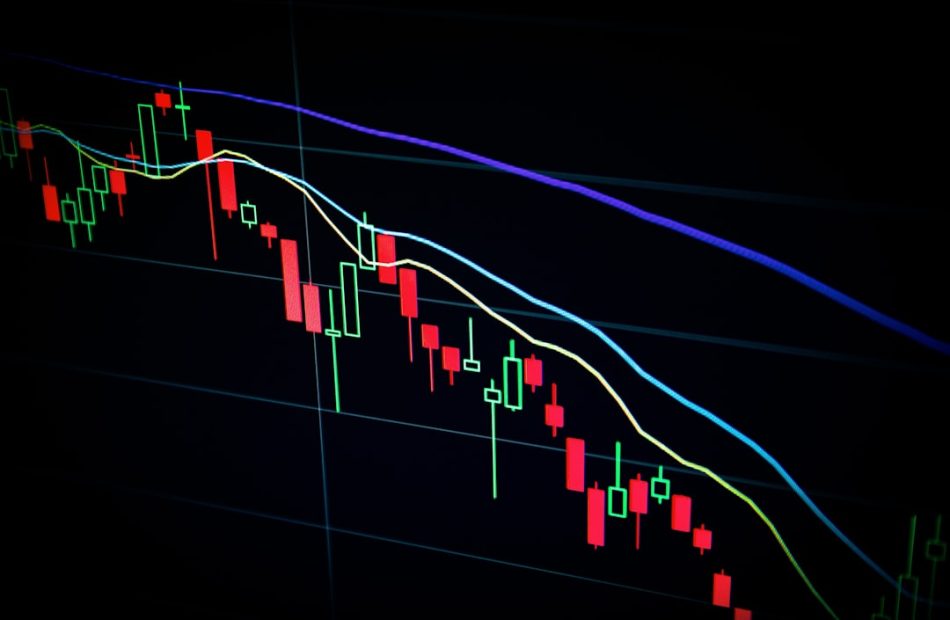
Don’t Let FOMO Wreck Your Portfolio – How to Trade Smart When Everyone Else Is Panicking
You’ve seen it before: a coin suddenly pumps 20% in an hour, Twitter is exploding with green candles, and your fingers itch to click ‘buy’. That’s FOMO – the Fear Of Missing Out. It’s the emotional force that pushes beginners into buying tops and selling bottoms. But here’s the truth: FOMO is a trap, and the best traders learn to tame it.
How It Works
FOMO is a psychological response to rapid price movement and social proof. When you see others making quick profits, your brain’s reward system activates, making you feel like you’re losing money by not acting. In trading, this often leads to impulsive entries at the worst possible time – right before a retrace or a reversal.
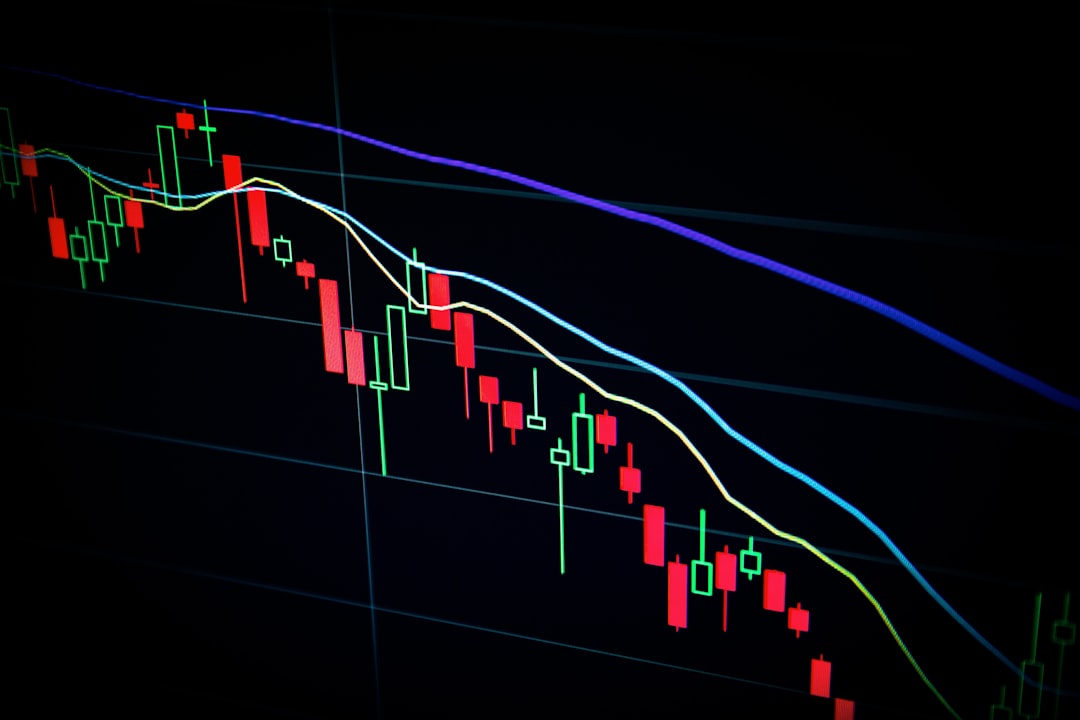
Looking for altcoin opportunities and smooth trading? Try KuCoin.
The Setup
Instead of chasing pumps, wait for the market to cool down. Look for a pullback to a key support level or a consolidation pattern (like a flag or a range). Use volume analysis: if the initial pump had high volume but the pullback has decreasing volume, the trend might be healthy. Enter only after a clear confirmation – a higher low or a bounce off a moving average.
Risk Management
Never let FOMO override your stop-loss. Before entering any trade, decide your maximum loss (e.g., 1-2% of your account). If the price doesn’t respect your level, you walk away. Remember: there will always be another trade. Missing a pump is better than catching a falling knife.
Conclusion
FOMO is natural, but it doesn’t have to control you. By waiting for proper setups, managing risk, and staying disciplined, you can turn emotional reactions into calculated decisions. Trade the plan, not the noise.
Top RWA Projects to Watch in 2026: Tokenized Real-World Assets Guide
Real World Assets (RWAs) are tangible or intangible assets—such as real estate, bonds, commodities, and credit—that are tokenized on a blockchain. This process enables fractional ownership, 24/7 liquidity, and unprecedented transparency, effectively bridging the gap between Traditional Finance (TradFi) and Decentralized Finance (DeFi). As we approach 2026, the RWA sector is maturing rapidly, driven by institutional adoption and regulatory clarity. This guide highlights the top projects to watch, grounded in financial rigor and real-world utility.
What Are Real World Assets (RWAs)?
RWAs represent the tokenization of off-chain assets onto a blockchain. The key distinction is between off-chain assets (physical or legal assets held by a custodian) and on-chain tokens (digital representations that grant ownership or yield rights). This separation allows for global accessibility while maintaining legal enforceability.
How RWA Tokenization Works
The technical process involves several critical steps:
- Asset Identification & Valuation: A real-world asset (e.g., a commercial building) is appraised by a third-party auditor.
- Special Purpose Vehicle (SPV): The asset is placed into a legal entity (SPV) to isolate risk and ensure compliance.
- Tokenization: The SPV issues tokens on a blockchain (e.g., Ethereum, Polygon) representing fractional ownership or debt claims.
- Oracle Integration: Oracles (e.g., Chainlink) feed real-time data (prices, interest rates) to the smart contract.
- Secondary Market: Tokens trade on decentralized or centralized exchanges, providing liquidity.
Top RWA Projects to Watch in 2026
1. Ondo Finance
Ondo Finance tokenizes U.S. Treasury bonds and money market funds, offering stable yields to DeFi users. Its flagship product, USDY, is backed by short-term Treasuries and provides a compliant yield (currently ~5% APY). Data from RWA.xyz shows Ondo has over $500 million in total value locked (TVL) as of early 2025, with strong institutional backing from BlackRock and Morgan Stanley.
2. Centrifuge
Centrifuge focuses on tokenizing real-world credit, such as invoices and consumer loans. It connects borrowers with DeFi liquidity pools, offering yields ranging from 8% to 15% APY. The platform uses a decentralized credit rating system and has facilitated over $400 million in loans. Reports from CoinDesk highlight its integration with MakerDAO, which uses Centrifuge pools as collateral for DAI.
3. RealT
RealT tokenizes residential real estate in the U.S., allowing investors to buy fractional ownership of rental properties. Each token represents a share in a property, and rental income is distributed weekly in stablecoins. RealT has tokenized over 200 properties, with average yields of 6–10% APY. The platform uses a Wyoming-based SPV structure for legal compliance.
4. Maple Finance
Maple Finance provides undercollateralized lending for institutional borrowers, using tokenized credit agreements. It offers yields of 8–12% APY for lenders, with borrowers posting collateral in the form of tokenized real-world assets. Maple has processed over $2 billion in loans and is expanding into private credit and trade finance.
5. Goldfinch
Goldfinch focuses on credit access for emerging markets, tokenizing loans to fintech companies and small businesses. Investors earn yields by providing liquidity to pools that fund real-world loans. The platform has originated over $100 million in loans, with yields ranging from 10% to 20% APY. Goldfinch uses a decentralized underwriting model and has partnerships with local lenders in Africa and Southeast Asia.
Investment Analysis: Pros, Cons, and Risks
Pros
- Fractional Ownership: Low minimum investments (e.g., $50 for RealT) democratize access to institutional-grade assets.
- 24/7 Liquidity: Secondary markets allow trading outside traditional market hours.
- Transparency: On-chain records reduce fraud and improve auditability.
- Yield Diversification: RWAs offer uncorrelated returns compared to crypto-native assets.
Cons
- Regulatory Uncertainty: Jurisdictional differences (e.g., SEC vs. EU MiCA) create compliance costs.
- Smart Contract Risk: Bugs in tokenization contracts can lead to loss of funds.
- Liquidity Fragmentation: Some RWA tokens have thin order books, leading to slippage.
- Counterparty Risk: Reliance on custodians and SPVs introduces off-chain failure points.
Risks to Monitor
- Regulation: The SEC’s stance on tokenized securities remains fluid. Projects that fail to register may face enforcement actions.
- Oracle Manipulation: If price feeds are compromised, token values can deviate from underlying assets.
- Concentration Risk: Many RWA projects rely on a single asset class (e.g., U.S. Treasuries) or geographic region.
For a broader market view, check out our analysis on The Rise of AI Agents in Crypto: A Complete Guide. Investors often compare this to Stochastic Oscillator Dip Buying: Your Guide to Smart Crypto Entries.
Tool Recommendation: Best Platform for RWA Charting
To analyze RWA token performance, you need reliable charting tools. For the best charting tools to spot this pattern, try Bitget. Bitget offers advanced order books, real-time RWA token data, and leverage trading options. Its interface is designed for both retail and institutional investors, making it ideal for tracking projects like Ondo, Centrifuge, and RealT.
FAQ Section
What is the difference between tokenized RWAs and stablecoins?
Tokenized RWAs represent ownership of a specific asset (e.g., a building or bond), while stablecoins are pegged to a fiat currency (e.g., USDC). RWAs offer yield and diversification, whereas stablecoins prioritize price stability for payments and trading.
Are RWA investments regulated?
Yes, but regulation varies by jurisdiction. In the U.S., many RWA tokens are classified as securities under the Howey Test, requiring SEC registration or exemptions. In the EU, MiCA provides a framework for asset-referenced tokens. Always verify a project’s legal structure before investing.
How do I evaluate an RWA project’s risk?
Key factors include: (1) the quality and diversification of underlying assets, (2) the legal structure (SPV jurisdiction), (3) audit frequency and transparency, (4) liquidity of the token on secondary markets, and (5) the team’s track record in both TradFi and DeFi.
Conclusion
RWAs represent a paradigm shift in how we access and trade real-world value. By 2026, projects like Ondo, Centrifuge, RealT, Maple, and Goldfinch are poised to lead this transformation, offering yields that are both attractive and grounded in tangible assets. However, investors must remain vigilant about regulatory shifts, smart contract risks, and liquidity constraints. For those seeking exposure to tokenized finance, a diversified approach—combining U.S. Treasuries, real estate, and credit—can mitigate risk while capturing growth. Start with a small allocation, use reliable platforms like Bitget for analysis, and stay informed through authoritative sources like RWA.xyz and SEC filings.
U.S. Crypto Clarity Act Explained: What the Senate Standoff Means for You
What happens when the U.S. Senate can’t agree on crypto rules? A major market structure bill called the Clarity Act is stuck in partisan gridlock. The Senate Banking Committee hearing on May 14, 2026, revealed deep divisions between Republicans and Democrats on how to regulate digital assets. While Republican negotiator Cynthia Lummis says only “1% of remaining issues” need resolution, Democratic Senator Elizabeth Warren argues the bill “is just not ready for prime time.” This guide explains the Clarity Act without political spin, breaks down what’s actually being debated, and shows how a potential regulatory framework could affect your crypto holdings. You’ll learn the key sticking points around DeFi and investor protection, understand why this matters for U.S. crypto users, and get clarity on what happens next.
Read time: 10-12 minutes
Understanding the Clarity Act for Beginners
The Digital Asset Market Clarity Act is a proposed U.S. law that aims to create a comprehensive federal framework for regulating cryptocurrency markets. Think of it like building a rulebook for a new sport—right now, different referees (the SEC, CFTC, state regulators) call different fouls, creating confusion for players and fans alike.
Why was it created? The crypto industry has operated in a regulatory gray area for years. The SEC says many tokens are securities, while industry advocates argue they’re commodities. This uncertainty has led to lawsuits, exchange shutdowns, and limited institutional adoption. The Clarity Act attempts to solve this by clearly defining which agency regulates what and setting rules for market participants.
A real-world example is the ongoing debate about whether Ethereum is a security or commodity. Under current law, this question has no definitive answer. The Clarity Act would establish clear criteria, potentially resolving years of legal ambiguity and giving crypto businesses a predictable path forward.
The Technical Details: How Crypto Market Structure Legislation Actually Works
The Clarity Act isn’t a single rule—it’s a comprehensive bill that would reshape how crypto is regulated. Here are the key components:
1. Jurisdictional Clarity: The bill would give the Commodity Futures Trading Commission (CFTC) primary authority over digital commodities like Bitcoin and Ethereum, while the SEC would oversee tokens that function as securities. This ends the “who’s in charge?” confusion.
2. Exchange Registration: Crypto trading platforms would need to register with either the SEC or CFTC depending on what they list. This includes new rules for custody, disclosures, and preventing market manipulation.
3. Stablecoin Standards: The bill would set requirements for stablecoin issuers, including reserve asset transparency and redemption rights. This directly impacts how you can use USDC, USDT, or other dollar-pegged tokens.
4. DeFi Provisions: Decentralized finance protocols would face new compliance requirements, including potential registration obligations for developers and governance token issuers.
Why this structure matters for you: A clear regulatory framework could mean safer exchanges, better consumer protections, and clearer tax treatment. But it could also mean higher costs for smaller projects and potential restrictions on decentralized applications.
Current Market Context: Why This Matters Now
As of May 2026, the Clarity Act represents the most significant attempt at U.S. crypto regulation since the collapse of FTX in late 2022. The hearing revealed that while Republicans are pushing forward, Democrats remain skeptical about the bill’s impact on investor protection.
The stakes are high. The U.S. crypto market, worth over $1 trillion, has seen significant outflows to jurisdictions with clearer rules like the EU, which implemented its Markets in Crypto-Assets (MiCA) regulation in early 2025. Without federal clarity, U.S. users face:
- Ongoing SEC enforcement actions against major exchanges
- Limited access to DeFi protocols and yield opportunities
- Confusing tax reporting requirements
- Legal uncertainty that discourages innovation and investment
Senator Tim Scott noted the bill’s transparent but difficult process, saying “This is not over, and I hope that no one thinks that this is over.” The bill’s fate will shape whether the U.S. remains a crypto hub or continues losing ground to other nations.
Competitive Landscape: How Different Players View the Clarity Act
| Stakeholder | Position | Key Concern | Why It Matters to You |
|---|---|---|---|
| Republican Senators | Support bill as written | Need bipartisan support for passage | Crypto advocates want rules that foster innovation |
| Democratic Leadership | Oppose current version | Investor protection, SEC authority | Consumer advocates worry about fraud risks |
| Crypto Exchanges | Generally supportive | Want legal certainty for operations | Your exchange may offer different services based on final rules |
| DeFi Projects | Divided | Compliance costs could stifle innovation | Access to decentralized protocols could be limited |
| Traditional Finance | Watching closely | Potential for institutional adoption | Could open doors for Bitcoin ETFs and custody solutions |
Why this matters: The battle over the Clarity Act isn’t just political theater—it will determine how you can buy, sell, and use cryptocurrency in the United States for years to come.
Practical Applications: Real-World Use Cases
How would the Clarity Act affect daily crypto users?
- Simpler Tax Filing: With clearer definitions, the IRS could issue straightforward guidance on crypto transactions, reducing confusion around staking rewards, airdrops, and DeFi yields.
- Safer Exchanges: Registered platforms would need to follow strict rules on custody, hold customer assets separately, and maintain adequate reserves. This could reduce risks similar to the FTX collapse.
- Stablecoin Reliability: Clear reserve requirements would give you confidence that USDC, USDT, or new stablecoins are actually backed by cash or equivalent assets.
- DeFi Access: Depending on final language, you might need to verify your identity (KYC) to use certain protocols, potentially reducing privacy but increasing safety.
- Cross-Border Transactions: A clear U.S. framework could align with international standards, making it easier to send crypto across borders without triggering legal complications.
Risk Analysis: Expert Perspective
Primary Risks:
1. Regulatory Overreach: If the bill gives too much power to traditional financial regulators, it could stifle the innovation that makes crypto unique, particularly in DeFi and self-custody.
2. Incomplete Protection: Consumer advocates, including Elizabeth Warren, argue the bill doesn’t adequately protect investors from fraud, market manipulation, or conflicts of interest.
3. Implementation Complexity: Even if passed, agencies would need months or years to write detailed rules, prolonging uncertainty.
What’s Real vs. Rhetoric: While political speeches draw sharp lines, the actual differences between parties may be less extreme than the hearing suggests. Senator Lummis noted the gap is about “1% of remaining issues,” suggesting compromise is possible.
Regulatory Status: As of now, no federal law governs crypto markets comprehensively in the U.S. The Clarity Act, if passed, would be a landmark change, but it faces significant hurdles.
Mitigation Strategies:
- Continue diversifying your holdings across asset classes
- Use regulated exchanges for larger positions
- Stay informed about rule changes that could affect your tax liability
- Consider non-U.S. options if you’re concerned about restrictive regulations
Future Outlook: What’s Next
The Clarity Act’s immediate future is uncertain. If the Senate Banking Committee votes along party lines (likely 13-11), the bill moves to the full Senate floor. However, it would still need 60 votes to overcome a filibuster, requiring significant Democratic support that currently doesn’t exist.
Expected milestones:
1. Committee Vote: Party-line approval expected, with Democrats pushing for major changes
2. Senate Floor Debate: Could happen in late 2026 if negotiators find common ground
3. House of Representatives: Would need to pass its own version or merge with the Senate bill
4. Presidential Signature: Required for final enactment
The timeline remains uncertain. Even if the bill passes, full implementation of new regulations could take 12-24 months.
Key Takeaways
- The Clarity Act aims to create a clear regulatory framework for U.S. crypto markets, ending the “whos in charge” confusion between the SEC and CFTC.
- The bill is stuck in partisan gridlock, with Republicans pushing forward and Democrats demanding stronger investor protections.
- Key sticking points include DeFi regulation, stablecoin standards, and SEC authority over crypto securities.
- The outcome will directly affect how you buy, sell, and use cryptocurrency in the U.S., potentially bringing clearer rules and better consumer protections.
- Passage remains uncertain despite optimism from Republican negotiators about near-agreement.
,
“datePublished”: “2026-05-14T12:01:36.088-04:00”,
“dateModified”: “2026-05-14T12:01:36.088-04:00”,
“mainEntity”: {
“@type”: “Thing”,
“name”: “Digital Asset Market Clarity Act”
}
}