
Gold-Backed Cryptos vs Physical Gold: Pros and Cons
Gold has been a store of value for millennia, but the way we invest in it is evolving. On one side, you have physical gold – bars, coins, and jewelry – tangible assets stored in vaults or at home. On the other, gold-backed cryptocurrencies (tokenized gold) represent digital claims on physical gold, recorded on a blockchain. This guide compares both options across liquidity, security, costs, and regulatory risk, helping you decide which fits your portfolio.
How Gold Tokenization Works
Tokenized gold bridges the gap between off-chain physical assets and on-chain digital tokens. The process typically involves:
- Asset Custody: Physical gold is stored in a secure, audited vault (e.g., by Brink’s or a London Bullion Market Association member).
- SPV (Special Purpose Vehicle): A legal entity is created to hold the gold, isolating it from the issuer’s bankruptcy risk.
- Token Issuance: A smart contract on a blockchain (like Ethereum or Solana) mints tokens, each representing a specific weight (e.g., 1 token = 1 gram of gold).
- Oracle Integration: Price oracles (e.g., Chainlink) feed real-time gold spot prices to the blockchain, enabling accurate on-chain valuation and redemption.
- Redemption: Token holders can redeem their tokens for physical gold (subject to minimums and fees) or sell them on secondary markets.
Investment Analysis: Pros and Cons
Pros of Gold-Backed Cryptos
- Fractional Ownership: Buy as little as $1 worth of gold, lowering the barrier to entry.
- 24/7 Liquidity: Trade on crypto exchanges anytime, unlike physical gold markets that close on weekends.
- Transparency: On-chain audits and public reserve addresses allow anyone to verify backing.
- DeFi Integration: Use tokenized gold as collateral for loans, earn yield, or provide liquidity – impossible with physical bars.
Cons of Gold-Backed Cryptos
- Counterparty Risk: You trust the issuer to hold the gold and honor redemptions. If the issuer goes bankrupt, recovery may be complex.
- Smart Contract Risk: Bugs or exploits in the token contract could lead to loss of funds.
- Regulatory Uncertainty: Tokenized commodities may be classified as securities in some jurisdictions, affecting tax treatment and availability.
- Storage Fees: Most issuers charge annual custody fees (0.5%–1.5%), reducing long-term returns.
Pros of Physical Gold
- Tangible Asset: No counterparty risk – you hold it directly.
- Universal Acceptance: Recognized globally as a store of value, no internet required.
- No Tech Dependence: Immune to blockchain outages, wallet loss, or private key theft.
Cons of Physical Gold
- High Entry Barrier: Premiums on small bars/coins can be 5–10% above spot.
- Storage & Insurance Costs: Safe deposit boxes or home safes incur recurring costs.
- Illiquidity: Selling physical gold requires a dealer, assay, and time – you may get below spot price.
- No Yield: Physical gold generates no income or passive returns.
For a broader market view, check out our analysis on Restaking Explained: EigenLayer and Beyond – The Ultimate Guide to Crypto Restaking. Investors often compare this to AI Agents in Crypto: Complete 2024 Guide to Automated Trading & Analysis.
Tool Recommendation
Looking for altcoin opportunities and smooth trading? Try KuCoin. KuCoin offers a wide range of gold-backed tokens (e.g., PAXG, XAUT) alongside thousands of other digital assets, with competitive fees and robust security. Whether you’re a beginner or a pro, KuCoin’s interface makes it easy to buy, sell, and stake tokenized gold.
Frequently Asked Questions
Are gold-backed cryptos fully redeemable for physical gold?
Most reputable issuers (e.g., Paxos for PAXG, Tether for XAUT) allow redemption for physical gold, but minimum amounts apply (typically 1 oz or more). Redemption fees and processing times vary. Always check the issuer’s terms and audit reports.
What are the tax implications of trading gold-backed tokens?
Tax treatment depends on your jurisdiction. In the US, the IRS treats gold-backed tokens as collectibles (like physical gold), subject to a 28% long-term capital gains rate. In the EU, VAT may apply on redemption. Consult a tax professional.
How do I verify that a gold-backed token is actually backed by real gold?
Look for issuers that publish regular third-party audits (e.g., by a top accounting firm) and maintain a public blockchain address showing the token supply. Projects like PAXG and XAUT provide real-time attestations. Avoid tokens that lack transparency.
Conclusion
Gold-backed cryptos offer superior liquidity, fractional access, and DeFi utility, making them ideal for tech-savvy investors seeking exposure to gold without the hassle of storage. However, they introduce counterparty and smart contract risks that physical gold avoids. For long-term, conservative investors, physical gold remains a proven safe haven. For active traders and DeFi participants, tokenized gold is a powerful tool. Diversifying between both can capture the best of both worlds.
New York Forces Uphold to Pay $5M Over Fraudulent Crypto Product
May 3, 2026 — New York Attorney General Letitia James has secured a $5 million settlement from cryptocurrency platform Uphold for promoting CredEarn, a fraudulent crypto savings product that misled users about its risks and left thousands of investors facing losses.
Immediate Details & Direct Quotes
Want to trade this news? Bitget offers professional charting tools and deep liquidity.
The settlement centers on Uphold’s promotion of CredEarn, a product offered by Cred, LLC and its CEO Daniel Schatt. Between January 2019 and October 2020, Uphold marketed CredEarn on its platform and mobile app as a safe, reliable savings product offering attractive annual interest payments.
However, the Attorney General’s office found that Uphold failed to disclose critical information to customers. Cred was generating returns by making microloans to low-income video game players in China — borrowers with no credit histories and no access to traditional financial institutions.
Uphold also falsely claimed that Cred carried “comprehensive insurance” protecting retail investors, according to the Attorney General’s announcement. No such insurance covering digital asset losses existed in the industry at the time.
“Investors should be able to trust the industry advice they receive,” James said, “and my office will always work to ensure bad actors are held accountable for endangering their customers’ financial security.”
Additionally, Uphold was operating without the required broker or commodity broker-dealer registration during the promotion period.
Market Context & Reaction
The settlement requires Uphold to pay $5 million directly to affected customers — more than five times the fees it collected from the arrangement. Any funds Uphold recovers from Cred’s ongoing bankruptcy proceedings, where it is owed $545,189, will also be passed on to harmed investors.
Cred began racking up losses from its risky lending practices in March 2020 and filed for bankruptcy eight months later, leaving thousands of Uphold customers around the world holding the bag, according to the announcement.
Affected users will be notified by email when the funds hit their accounts. Market reaction details from Uphold’s platform operations were not immediately available.
Background & Historical Context
The settlement comes amid broader regulatory scrutiny of cryptocurrency platforms in New York. Last month, New York sued Coinbase and Gemini, claiming their prediction market offerings violated state gambling laws.
The Commodity Futures Trading Commission (CFTC) fired back by suing New York in federal court, arguing that federal law gives it sole authority over prediction markets. The CFTC is seeking a permanent injunction to block the state’s enforcement actions.
The Uphold case highlights ongoing tensions between state regulators and crypto platforms over consumer protection obligations. The Attorney General’s office emphasized that Uphold’s failure to disclose CredEarn’s true risks and its unregistered operations violated investor trust and state law.
What This Means
For affected Uphold users, direct compensation is forthcoming via email notification when funds are distributed. Investors should verify their contact information with the platform.
The settlement signals that state regulators will aggressively pursue crypto platforms that fail to conduct proper due diligence on third-party products. Uphold’s liability for promoting CredEarn — despite not being the product’s issuer — sets a precedent for platform responsibility.
Cred’s ongoing bankruptcy proceedings may yield additional recoveries for harmed investors, though the timeline remains uncertain.
Industry observers should expect increased scrutiny on crypto savings and lending products, particularly regarding disclosure of underlying investment strategies and insurance claims.
—
BlackRock Asks OCC to Drop Proposed Cap on Tokenized Reserves
October 24, 2023 — BlackRock has formally requested the Office of the Comptroller of the Currency to remove a proposed cap on tokenized stablecoin reserve assets, arguing that risk assessment should focus on liquidity, credit quality, and maturity rather than the form of the asset. The asset manager’s comment letter challenges draft rules under the GENIUS Act framework while its own tokenized Treasury fund, BUIDL, gains traction as institutional collateral on crypto trading platforms.
Immediate Details & Direct Quotes
Looking for altcoin opportunities and smooth trading? Try KuCoin.
BlackRock filed a comment letter with the OCC opposing a potential 20% cap on tokenized reserve assets under proposed rules for permitted payment stablecoin issuers. The firm argued that risk should depend on credit quality, maturity, and liquidity characteristics rather than whether an asset exists on a distributed ledger.
“The use of a distributed ledger should not decide whether an asset qualifies as safe or unsafe,” BlackRock stated in its letter, raising questions around treating tokenized Treasury products differently from traditional versions.
The asset manager also requested clarity that Treasury exchange-traded funds can qualify as stablecoin reserves when they meet safety and liquidity standards. The OCC’s current draft already lists eligible reserve assets including U.S. cash, Federal Reserve balances, Treasury bills, notes, bonds with 93 days or less to maturity, repo assets, and certain government money market funds. The draft allows some approved reserves in tokenized form but asks whether the OCC should impose a percentage limit.
Market Context & Reaction
BlackRock’s request comes as institutional adoption of tokenized assets accelerates. The firm’s BUIDL fund, which invests in cash, U.S. Treasury bills, and repurchase agreements, has gained significant traction across crypto market infrastructure.
OKX recently added BUIDL to its institutional collateral system in partnership with Standard Chartered. Eligible institutional and VIP clients can now use BUIDL as trading margin, with Standard Chartered holding the collateral off-exchange while OKX handles margining and liquidation processes.
The arrangement allows clients to retain ownership of the fund and its yield while using it within OKX’s margin system, according to crypto.news. This integration demonstrates growing demand for tokenized Treasury products as collateral instruments in digital asset trading, underscoring why regulatory clarity on reserve asset treatment has become increasingly important for market participants.
Background & Historical Context
The GENIUS Act established a federal framework for payment stablecoins in July 2025. The OCC’s proposal seeks to apply that framework to issuers under its supervision, including rules governing reserves, redemptions, custody, and reporting requirements.
The OCC proposal mandates that stablecoin issuers hold reserve assets diverse enough to manage credit, liquidity, interest rate, and price risks. It also requires issuers to avoid over-reliance on any single financial institution or small group of custodians.
BlackRock’s comment letter represents a significant industry response to the proposed regulatory framework. As the world’s largest asset manager with over $9 trillion in assets under management, its position carries substantial weight in regulatory discussions. The firm’s request to expand eligible reserve assets and eliminate the tokenized asset cap reflects the growing intersection between traditional finance and digital asset infrastructure.
What This Means
The OCC’s decision on BlackRock’s request will shape how stablecoin issuers structure their reserves and whether tokenized assets gain equal regulatory treatment alongside traditional instruments. A ruling favoring BlackRock’s position could accelerate institutional adoption of tokenized Treasury products as reserve assets.
Market participants should monitor the OCC’s response in the coming months, as it will establish precedents for how regulators view blockchain-based assets versus their traditional counterparts. The outcome could influence capital flows into tokenized funds like BUIDL and affect stablecoin issuer compliance strategies.
For traders and investors, the regulatory clarity sought by BlackRock may ultimately lead to more robust and flexible stablecoin reserve structures, potentially reducing systemic risks while enabling greater innovation in digital asset markets.
Real World Assets (RWA): How Tokenization Changes Investing
Tokenization of real world assets (RWA) is reshaping the investment landscape by bringing physical and traditional financial assets onto blockchain networks. This guide explains what RWA tokenization is, how it works, and why it matters for investors.
Key Concepts
What Are Real World Assets (RWA)?
Real world assets include tangible and intangible assets that exist outside the blockchain, such as real estate, commodities, bonds, stocks, art, and intellectual property. Tokenization converts ownership rights of these assets into digital tokens on a blockchain.
How Tokenization Works
Tokenization involves creating a digital representation of an asset on a distributed ledger. Each token corresponds to a fraction of the underlying asset, enabling fractional ownership, increased liquidity, and global accessibility. Smart contracts automate compliance, distribution, and settlement.
Benefits of RWA Tokenization
- Fractional Ownership: Investors can buy small portions of high-value assets like real estate or fine art.
- Increased Liquidity: Tokens can be traded 24/7 on secondary markets, unlike traditional assets.
- Global Access: Anyone with an internet connection can invest, removing geographical barriers.
- Transparency: Blockchain records provide immutable ownership and transaction history.
- Lower Costs: Reduced intermediaries and automated processes cut administrative fees.
Popular RWA Categories
- Real Estate: Tokenized properties allow investors to own shares of commercial or residential buildings.
- Commodities: Gold, silver, and oil can be tokenized for easy trading and storage.
- Fixed Income: Bonds and treasury bills are being issued as tokens on blockchain.
- Art & Collectibles: High-value artworks and rare collectibles become accessible to smaller investors.
Pro Tips
For more details on this, check out our guide on What Metaplanet’s Massive Bitcoin Purchase Means for Crypto.
FAQ Section
What is the difference between RWA tokenization and traditional investing?
Traditional investing often requires large capital, intermediaries, and lengthy settlement times. RWA tokenization enables fractional ownership, instant settlement, and peer-to-peer trading without middlemen.
Is RWA tokenization legal?
Yes, but regulatory frameworks vary by jurisdiction. Many projects comply with securities laws by registering tokens or operating under exemptions. Always verify the legal status in your country.
What are the risks of investing in tokenized RWAs?
Risks include regulatory uncertainty, smart contract vulnerabilities, market volatility, and reliance on the underlying asset’s performance. Due diligence on the token issuer and asset is essential.
How do I buy tokenized real world assets?
You can purchase RWA tokens on specialized platforms, decentralized exchanges, or through tokenization marketplaces. Some assets require KYC verification due to regulatory requirements.
Can I trade RWA tokens on any exchange?
Not all exchanges list RWA tokens. Look for platforms that support tokenized assets, such as Binance, or decentralized exchanges that offer liquidity pools for specific RWA projects.
Conclusion
Real world asset tokenization is democratizing access to investment opportunities that were once reserved for institutions or wealthy individuals. By leveraging blockchain technology, investors can now own fractions of real estate, commodities, and more with greater liquidity and transparency. As the ecosystem matures and regulations evolve, RWA tokenization is poised to become a cornerstone of modern investing.
You might also be interested in reading about Real World Assets (RWA): How Tokenization Changes Investing.
How to Spot a Honey Pot Scam: Safety Guide for Crypto Traders
Introduction
Honey pot scams are one of the most insidious threats in decentralized finance (DeFi). A honey pot is a smart contract that appears to offer a lucrative opportunity—such as a token that can be bought but not sold—designed to trap unsuspecting investors. Once you deposit funds, the contract prevents you from withdrawing, often draining your wallet. This guide will teach you how to identify honey pot scams, protect your assets, and trade safely in the crypto space.
Key Concepts
- Honey Pot Contract: A malicious smart contract that allows users to buy a token but blocks selling, often through hidden functions or manipulated liquidity.
- Liquidity Lock vs. Fake Lock: Legitimate projects lock liquidity to prevent rug pulls. Honey pots may fake this by using unverified lockers or renouncing ownership without actually removing control.
- Honeypot Detection Tools: Platforms like Honeypot.is, TokenSniffer, and RugDoc can analyze contract code for red flags such as hidden transfer fees, blacklist functions, or sell restrictions.
- Social Engineering: Scammers often promote honey pots through fake social media hype, paid influencers, or phishing links to create a false sense of urgency.
Pro Tips
- Always verify the contract code on a block explorer (e.g., Etherscan). Look for functions like
_transferthat include restrictions or blacklist logic. - Test with a small amount before committing significant capital. If you cannot sell even a tiny portion, it is likely a honey pot.
- Check liquidity locks using tools like Unicrypt or Team Finance. Ensure the liquidity is locked for a reasonable period and the lock is verifiable.
- Use a burner wallet for initial interactions with unknown tokens to limit potential losses.
- Beware of tokens with extremely high buy taxes (e.g., 10%+) or hidden fee structures that drain your balance on every transaction.
FAQ Section
What is a honey pot scam in crypto?
A honey pot scam is a malicious smart contract that allows users to buy a token but prevents them from selling it. The scammer often sets hidden conditions (e.g., only their address can sell) to trap funds.
How can I detect a honey pot token before buying?
Use automated scanners like Honeypot.is or TokenSniffer. Also, manually review the contract on Etherscan for suspicious functions, high transfer taxes, or blacklist mechanisms.
Can honey pots affect reputable exchanges?
Most honey pots appear on decentralized exchanges (DEXs) like Uniswap or PancakeSwap. Centralized exchanges like Binance have stricter listing requirements, but you should still exercise caution with new listings.
What should I do if I suspect a token is a honey pot?
Do not buy it. If you already hold it, do not attempt to sell—this may trigger additional fees or confirm your vulnerability. Report the contract to community watchdogs like RugDoc or the relevant blockchain security team.
Conclusion
Honey pot scams prey on greed and inexperience, but with the right knowledge and tools, you can avoid them. Always verify smart contracts, use detection platforms, and never invest more than you can afford to lose in unverified tokens. For more details on this, check out our guide on Privacy Coins: The Regulatory Tightrope Every Trader Should Understand. You might also be interested in reading about The VWAP Day Trading Strategy: Your Guide to Trading with the ‘Smart Money’. Stay safe and trade smart.
Cold Storage vs Hot Wallets: Which Should You Choose? A Complete Guide for Crypto Security
When it comes to safeguarding your cryptocurrency, the choice between cold storage and hot wallets is one of the most critical decisions you’ll make. Each method offers distinct trade-offs between security and convenience. In this comprehensive guide, we’ll break down the differences, help you assess your needs, and provide actionable recommendations to keep your digital assets safe.
Key Concepts
What is a Hot Wallet?
A hot wallet is a cryptocurrency wallet that is connected to the internet. Examples include mobile apps, desktop software, and web-based wallets. Hot wallets are designed for frequent transactions and easy access, making them ideal for day-to-day trading and spending. However, because they are always online, they are more vulnerable to hacking, phishing, and malware attacks.
What is Cold Storage?
Cold storage refers to wallets that are kept offline, disconnected from the internet. This includes hardware wallets (like Ledger or Trezor), paper wallets, and even offline computers. Cold storage is the gold standard for long-term holding and large amounts of crypto, as it is virtually immune to remote cyberattacks. The trade-off is that accessing your funds requires more steps and is less convenient for frequent use.
Key Differences at a Glance
- Security: Cold storage is far more secure against online threats; hot wallets are more exposed.
- Convenience: Hot wallets offer instant access; cold storage requires manual connection or decryption.
- Use Case: Hot wallets for active trading and small balances; cold storage for savings and large holdings.
- Cost: Hot wallets are often free; cold storage hardware can cost $50–$200+.
Pro Tips
- Use a hybrid approach: Keep a small amount in a hot wallet for daily use, and store the majority of your funds in cold storage.
- Never store large sums on exchanges: Even if an exchange offers a hot wallet, it’s not your private key. Withdraw to your own wallet.
- Backup your seed phrase: For both hot and cold wallets, write down your recovery phrase on paper and store it in a safe place. Never store it digitally.
- Enable 2FA: For hot wallets that support it, always enable two-factor authentication for an extra layer of security.
- Test small amounts first: When using a new wallet or moving funds to cold storage, send a tiny test transaction to confirm everything works.
FAQ Section
1. Can I use both a hot wallet and cold storage at the same time?
Absolutely. In fact, this is the recommended strategy. Use a hot wallet for small, frequent transactions and a cold storage wallet for your long-term holdings. This gives you the best of both worlds: convenience and security.
2. Which is safer: a hardware wallet or a paper wallet?
Both are forms of cold storage and are very secure. Hardware wallets offer more convenience and additional features (like signing transactions without exposing your private key), while paper wallets are free but require careful handling to avoid physical damage or loss.
3. Do I need to buy a hardware wallet if I only have a small amount of crypto?
If your holdings are small (e.g., under $500), a well-secured hot wallet may be sufficient. However, if you plan to accumulate more, investing in a hardware wallet is a wise move. For more details on this, check out our guide on Mastering Supply and Demand Zones: The Trader’s Guide to High-Probability Entries.
4. What happens if I lose my hardware wallet?
If you have your recovery seed phrase (usually 12 or 24 words), you can restore your wallet on a new device. Without the seed phrase, your funds are lost forever. Always keep your seed phrase offline and in a secure location.
5. Are mobile wallets safe?
Mobile wallets are hot wallets and come with risks. They are safe for small amounts if you keep your phone updated, avoid jailbreaking, and use biometric locks. For larger sums, cold storage is recommended.
Conclusion
Choosing between cold storage and hot wallets doesn’t have to be an either/or decision. The smartest approach is to use both: a hot wallet for everyday transactions and a cold storage wallet for your savings. By understanding the strengths and weaknesses of each, you can tailor your crypto security to your lifestyle and risk tolerance. Remember, in the world of crypto, you are your own bank — so take the time to protect your assets properly.
You might also be interested in reading about Israeli Regulators Approve Shekel-Pegged Stablecoin.
Tax Loss Harvesting in Crypto: A Guide for Traders
Tax loss harvesting is a powerful strategy that allows crypto traders to offset capital gains by selling assets at a loss. By strategically realizing losses, you can reduce your taxable income and potentially save thousands of dollars. This guide explains how to apply tax loss harvesting to your crypto portfolio, the key rules to follow, and the best tools to use.
Key Concepts
What is Tax Loss Harvesting?
Tax loss harvesting involves selling a cryptocurrency that has declined in value to realize a capital loss. This loss can then be used to offset capital gains from other trades, reducing your overall tax liability. If your losses exceed your gains, you can deduct up to $3,000 per year against ordinary income (in the US) and carry forward remaining losses to future years.
Wash Sale Rule in Crypto
Unlike stocks, the IRS has not yet applied the wash sale rule to cryptocurrencies. This means you can sell a crypto asset at a loss and immediately repurchase the same asset without penalty. However, this may change in the future, so always consult a tax professional.
How to Calculate Gains and Losses
You need to track the cost basis (purchase price plus fees) and the sale price of each trade. Use methods like FIFO (First In, First Out), LIFO (Last In, First Out), or specific identification to determine which lots are sold. Crypto tax software can automate this process.
Pro Tips
- Harvest losses before year-end: Realize losses before December 31 to offset gains from the current tax year.
- Pair losses with high-gain trades: If you have a large unrealized gain, sell a losing position to neutralize the tax impact.
- Use a dedicated crypto tax tool: Platforms like CoinTracker, Koinly, or TaxBit can import your trades and calculate optimal harvest opportunities.
- Avoid triggering short-term gains: Short-term gains are taxed at higher rates. Try to offset them with short-term losses first.
- Rebalance strategically: If you want to maintain exposure to a crypto you sold at a loss, consider buying a correlated asset (e.g., swap ETH for stETH) to stay in the market while locking in the loss.
FAQ Section
Can I harvest losses on any crypto exchange?
Yes, as long as the exchange supports trading and you can export your transaction history. However, low fees are critical to avoid eroding your tax savings. Exchanges like MEXC offer competitive fees that make frequent harvesting economical.
What if I repurchase the same crypto after selling at a loss?
Currently, the wash sale rule does not apply to crypto in most jurisdictions. You can immediately buy back the same asset. But always check local regulations as they may change.
How much can I save with tax loss harvesting?
Savings depend on your tax bracket and the size of your losses. For example, if you realize a $10,000 loss and are in the 32% bracket, you could save $3,200 in taxes. Losses can also be carried forward indefinitely.
Do I need to report every trade for tax loss harvesting?
Yes, you must report all trades to calculate gains and losses accurately. Use crypto tax software to generate the necessary forms (e.g., IRS Form 8949).
Conclusion
Tax loss harvesting is a smart way to turn market downturns into tax advantages. By understanding the key concepts, following pro tips, and using low-fee exchanges like MEXC, you can significantly reduce your tax bill. Always keep detailed records and consult a tax professional to stay compliant.
For more details on this, check out our guide on DePIN Explained: Earning Passive Income with Infrastructure.
You might also be interested in reading about Top RWA Projects to Watch in 2026: Tokenized Real-World Assets.
Bitcoin Layer 2s: Stacks, Lightning, and Runes Guide
Introduction
Bitcoin, the world’s first cryptocurrency, has long been hailed as a store of value, but its limited transaction throughput and scripting capabilities have hindered its use for everyday payments and complex applications. Enter Bitcoin Layer 2s—scaling solutions built on top of the Bitcoin base layer to enhance speed, reduce costs, and unlock new functionality. This comprehensive guide explores three key Layer 2 technologies: Stacks, Lightning Network, and Runes. Whether you’re a developer, investor, or curious enthusiast, understanding these innovations is crucial for navigating the evolving Bitcoin ecosystem.
Key Concepts
What Are Bitcoin Layer 2s? Layer 2 solutions are secondary protocols that operate on top of Bitcoin’s main blockchain (Layer 1). They handle transactions off-chain or through separate mechanisms, then settle final results on the main chain. This reduces congestion, lowers fees, and enables features like smart contracts and microtransactions.
Stacks (STX) is a Layer 2 that brings smart contracts and decentralized applications (dApps) to Bitcoin. It uses a unique consensus mechanism called Proof of Transfer (PoX), where miners transfer Bitcoin to STX token holders to secure the network. Stacks enables DeFi, NFTs, and other dApps while inheriting Bitcoin’s security.
Lightning Network is a payment protocol that creates off-chain payment channels between users. Transactions are instant, near-zero cost, and can be routed through a network of channels. It’s ideal for micropayments, streaming payments, and everyday purchases, making Bitcoin viable as a currency.
Runes is a newer protocol that allows for the creation and transfer of fungible tokens directly on the Bitcoin blockchain, similar to BRC-20 but more efficient. Runes leverages Bitcoin’s UTXO model and is designed to be lightweight, reducing bloat and enabling tokenization of assets like stablecoins, governance tokens, or in-game currencies.
Pro Tips
- Start Small: When experimenting with Lightning Network, begin with small amounts to understand channel management and routing.
- Use a Hardware Wallet: For Stacks stacking or holding Runes, a hardware wallet like Ledger or Trezor adds an extra layer of security.
- Monitor Fees: Bitcoin Layer 1 fees can spike. Use Lightning for frequent small transactions and Stacks for dApp interactions to save costs.
- Stay Updated: Runes is evolving rapidly; follow official documentation and community channels for the latest developments.
FAQ
Q: Are Bitcoin Layer 2s secure? Yes, they inherit Bitcoin’s security through different mechanisms. Stacks uses PoX to anchor to Bitcoin, Lightning relies on cryptographic proofs, and Runes uses Bitcoin’s UTXO model. However, each has its own risk profile—always do your own research.
Q: Can I use Lightning Network without a node? Yes, many wallets like Wallet of Satoshi or Phoenix offer custodial or semi-custodial Lightning services. For full control, run your own node.
Q: What is the difference between Runes and BRC-20? Runes is more efficient, using Bitcoin’s native UTXO model instead of ordinal inscriptions, reducing transaction size and fees. It’s designed for fungible tokens, while BRC-20 is more experimental.
Q: Do I need to hold Bitcoin to use Stacks? Yes, Stacks uses Bitcoin for security and transaction fees. You’ll need BTC to interact with dApps and STX for stacking or governance.
Conclusion
Bitcoin Layer 2s are revolutionizing what’s possible on the world’s most secure blockchain. Stacks brings smart contracts and dApps, Lightning enables instant payments, and Runes offers efficient tokenization. Each serves a unique purpose, and together they expand Bitcoin’s utility beyond a simple store of value. As the ecosystem matures, these technologies will likely become integral to everyday crypto use. For more details on this, check out our guide on Security Tokens: Utility vs Security Tokens Explained. You might also be interested in reading about The Wyckoff Method: A Trader’s Blueprint for Reading the Market.
Unlocking Bitcoin’s Next Frontier: How to Trade the Layer-2 Ecosystem Boom
Bitcoin is no longer just digital gold. With the rise of Layer-2 (L2) solutions like the Lightning Network, Stacks, Rootstock, and Liquid, Bitcoin is evolving into a programmable, scalable ecosystem. For traders, this opens up a whole new world of opportunities beyond simply buying and holding BTC. In this post, we’ll break down what Bitcoin L2s are, how they’re creating new trading setups, and how you can get involved without getting burned.
How it Works
Think of Bitcoin as the secure, slow-moving base layer—like a massive vault. Layer-2s are like express lanes built on top, allowing transactions to happen faster and cheaper. They also enable smart contracts and decentralized applications (dApps) to run using Bitcoin’s security. Key projects include:
- Lightning Network: Instant, low-cost payments.
- Stacks (STX): Smart contracts and DeFi powered by Bitcoin.
- Rootstock (RBTC): Ethereum-compatible smart contracts secured by Bitcoin.
- Liquid: Fast settlement for exchanges and traders.
Each of these L2s has its own native token (like STX, RIF, or L-BTC), which can be traded alongside Bitcoin. The strategy here is to trade the “ecosystem” rather than just the asset.
The Setup
Here’s a simple setup you can use to trade Bitcoin L2 tokens:
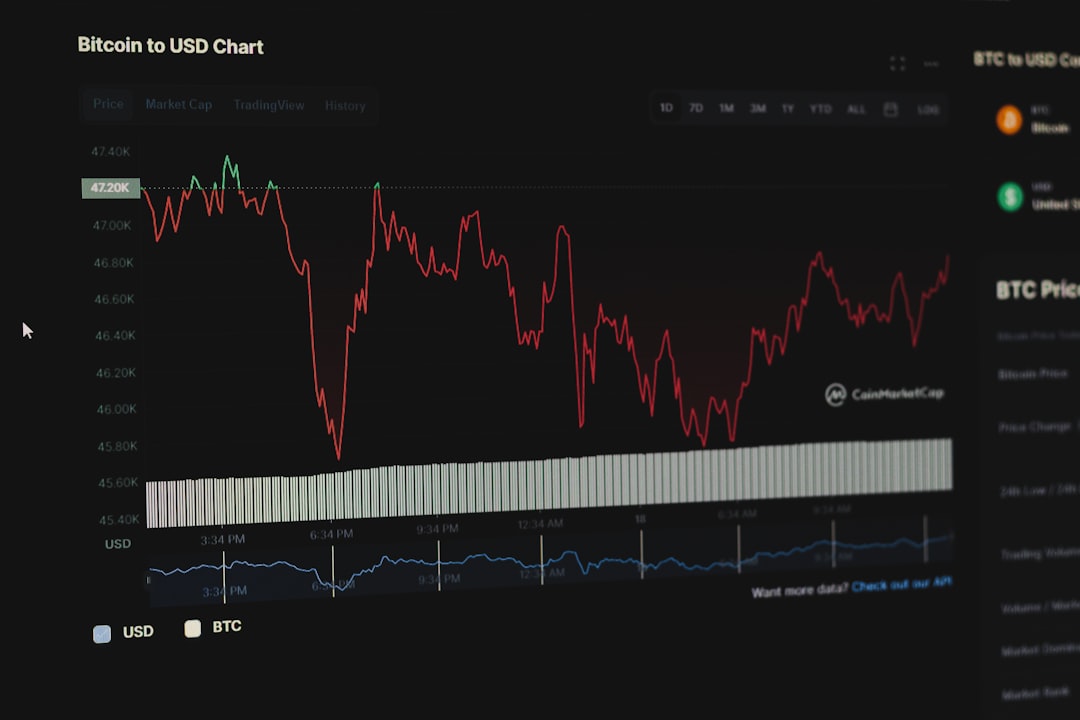
1. Monitor Bitcoin Dominance (BTC.D): When BTC dominance is high (above 50%), Bitcoin is the focus. When it drops, altcoins—including L2 tokens—tend to rally. Look for a dip in BTC.D as your entry signal.
2. Identify the Leader: Watch for which L2 token is gaining momentum. For example, if Stacks announces a major dApp launch, STX might lead the pack.
3. Enter on Retracement: Wait for a pullback to a key support level (like the 20-day EMA or a prior resistance-turned-support) on the L2 token’s chart. Use a 4-hour timeframe for entries.
4. Set a Target: Aim for a 1.5x to 2x risk-reward ratio. For example, if you risk 5%, target a 10% gain.
5. Exit with BTC: When the trade works, consider converting profits back into BTC to capture the long-term upside of Bitcoin itself.
Risk Management
Trading L2 tokens is exciting, but it comes with extra risks. Here’s how to protect yourself:
- Size Small: Allocate no more than 5-10% of your crypto portfolio to L2 plays. Bitcoin itself should be your core holding.
- Use Stop-Losses: Set a stop-loss at 5-10% below your entry. L2 tokens can be volatile, so don’t let a small dip wipe out your account.
- Watch for Network Risks: L2s are newer and may have bugs or security issues. Never invest more than you can afford to lose.
- Stay Updated: Follow the project’s development and community. A delayed upgrade or security breach can tank the token.
Conclusion
The Bitcoin Layer-2 ecosystem is still in its early stages, but it’s growing fast. By understanding how these networks work and using a disciplined trading strategy, you can profit from the next wave of Bitcoin innovation. Start small, manage your risk, and always keep an eye on Bitcoin dominance. The future of Bitcoin is layered—and so can be your trading profits.

Master the RSI Divergence Strategy: Spot Trend Reversals Before They Happen
Imagine being able to spot a trend reversal before it appears on your screen. That’s the power of RSI Divergence. It’s one of the most reliable tools in crypto trading, giving you an edge by revealing when momentum is shifting—often before price action confirms it. In this guide, I’ll walk you through exactly how to use this strategy, with clear examples and risk management tips so you can trade with confidence.
How It Works
The Relative Strength Index (RSI) measures the speed and change of price movements, typically on a scale from 0 to 100. Divergence occurs when the RSI and price move in opposite directions. This mismatch signals that the current trend is losing steam and a reversal might be imminent.
There are two types of divergence:
- Bullish Divergence: Price makes a lower low, but RSI makes a higher low. This suggests selling pressure is fading, and a price rally could follow.
- Bearish Divergence: Price makes a higher high, but RSI makes a lower high. This indicates buying momentum is weakening, and a price drop may be ahead.
The Setup
To trade RSI Divergence effectively, follow these steps:
1. Choose Your Timeframe: For day trading, use 1-hour or 4-hour charts. For swing trading, daily charts work best.

2. Apply the RSI Indicator: Set the period to 14 (default). Keep the overbought level at 70 and oversold at 30.
3. Identify Divergence: Look for at least two price peaks (for bearish) or troughs (for bullish). Compare them with the corresponding RSI peaks/troughs.
4. Wait for Confirmation: Don’t enter immediately. Wait for the price to break a key trendline or for the RSI to cross back above 30 (bullish) or below 70 (bearish).
5. Entry Point: Enter on the confirmation candle close. For bullish divergence, buy. For bearish divergence, sell (or short).
Example
Imagine Bitcoin is making lower lows on the daily chart, but the RSI is making higher lows. That’s a bullish divergence. You wait until Bitcoin breaks above the recent swing high or the RSI crosses above 30. Then you enter a long position with a stop loss below the recent low.
Risk Management
No strategy is perfect. RSI divergence can sometimes fail, especially in strong trends. Always protect your capital:
- Stop Loss: Place it just below the recent swing low (for bullish) or above the recent swing high (for bearish).
- Position Size: Never risk more than 1-2% of your account on a single trade.
- Take Profit: Set a target at the next resistance level (bullish) or support level (bearish). You can also trail your stop once the trade moves in your favor.
- Avoid Overbought/Oversold Traps: Divergence works best when RSI is in neutral territory (30-70). If RSI is already extremely overbought or oversold, the reversal may be less reliable.
Conclusion
RSI Divergence is a powerful strategy that helps you anticipate trend reversals with a higher probability of success. By combining it with proper risk management, you can turn this tool into a consistent edge. Practice on historical charts or a demo account first, and soon you’ll spot these setups like a pro. Remember, the key is patience—wait for confirmation and manage your risk. Happy trading!