
Master the RSI Divergence Strategy: Spot Trend Reversals Before They Happen
Have you ever watched a crypto asset make a higher high on the chart, only to see it suddenly crash moments later? Or watched a coin hit a lower low and then rocket upward? That, my friend, is the power of divergence — and the RSI (Relative Strength Index) is your best tool to catch it.
In this guide, I’m going to teach you a simple yet powerful RSI divergence strategy that can help you identify potential trend reversals early. Whether you’re a beginner or an intermediate trader, this strategy will give you an edge in your crypto trading.
How It Works
The RSI is a momentum oscillator that measures the speed and change of price movements. It ranges from 0 to 100, with levels above 70 considered overbought and below 30 considered oversold.
Divergence occurs when the price makes a new high or low, but the RSI does not confirm it. This tells you that momentum is weakening, and a reversal might be coming.
There are two types of divergence:
- Bearish Divergence: Price makes a higher high, but RSI makes a lower high. This signals a potential downside reversal.
- Bullish Divergence: Price makes a lower low, but RSI makes a higher low. This signals a potential upside reversal.
The Setup
Here’s how to set up the RSI divergence strategy on any crypto chart:

1. Choose your timeframe: I recommend starting with the 1-hour or 4-hour chart for swing trades. Lower timeframes (like 15 min) give more false signals.
2. Add the RSI indicator: Set the period to 14 (default). Keep the levels at 30 and 70.
3. Look for divergence: Wait for price to make a clear new high or low. Then check if the RSI is moving in the opposite direction.
4. Wait for confirmation: Don’t enter immediately. Wait for the price to break a recent trendline or for a candlestick pattern (like a pin bar) to confirm the reversal.
Example entry rules:
- Bullish divergence + RSI below 30: Look to buy when price breaks above the most recent swing high.
- Bearish divergence + RSI above 70: Look to sell (or short) when price breaks below the most recent swing low.
Risk Management
No strategy works 100% of the time. Divergence can fail, especially in strong trends. Here’s how to protect your capital:
- Set a stop-loss: Place it just below the recent swing low (for longs) or above the recent swing high (for shorts).
- Risk 1-2% per trade: Never risk more than a small percentage of your total trading capital on a single trade.
- Take profit targets: Use a 1:2 or 1:3 risk-to-reward ratio. For example, if your stop-loss is 2% away, aim for 4-6% profit.
- Don’t force it: If the divergence is unclear or the market is choppy, skip the trade. Patience pays.
Conclusion
The RSI divergence strategy is a classic tool that every crypto trader should have in their arsenal. It helps you anticipate reversals instead of chasing them. Remember: divergence is a warning, not a guarantee. Always combine it with price action confirmation and solid risk management.
Start practicing on a demo chart or with small size. Over time, you’ll develop an eye for spotting these powerful patterns. Happy trading!
Security Tokens vs Utility Tokens: RWA Guide
Security tokens represent a major evolution in how real-world assets (RWAs) are owned and traded. Unlike utility tokens, which grant access to a product or service, security tokens derive their value from an external, tradable asset—such as equity in a company, a share in a real estate property, or a bond. This guide explains the key differences between security and utility tokens, how tokenization works, and what investors need to know.
What Are Security Tokens?
A security token is a digital asset that represents ownership or a stake in an underlying real-world asset. Under U.S. law, the Howey Test determines if an asset is a security: if an investment of money is made in a common enterprise with an expectation of profit from the efforts of others, it is a security. Security tokens are subject to securities regulations, which means they must comply with KYC/AML requirements and can only be traded on regulated exchanges.
In contrast, utility tokens provide holders with access to a product or service within a blockchain ecosystem. For example, Filecoin (FIL) lets users pay for decentralized storage. Utility tokens are not designed as investments, though they can appreciate in value.
Off-Chain vs On-Chain: The Core Difference
The fundamental difference between traditional securities and security tokens is where the asset lives:
- Off-chain (Traditional): Ownership is recorded on a paper certificate or a centralized database. Transfers require intermediaries (brokers, custodians, clearinghouses) and can take days to settle.
- On-chain (Tokenized): Ownership is recorded on a blockchain. Transfers are peer-to-peer, near-instant, and transparent. The asset itself remains off-chain (e.g., the real estate deed), but the token represents a legal claim to it.
This shift enables fractional ownership—investors can buy a small piece of a high-value asset like a Manhattan office building—and 24/7 liquidity on secondary markets.
How Security Tokenization Works
The process of turning a real-world asset into a security token involves several steps:
- 1. Asset Selection & Valuation: An asset (e.g., a commercial real estate property) is identified and professionally appraised.
- 2. Legal Structuring (SPV): A Special Purpose Vehicle (SPV) is created to hold the legal title of the asset. The SPV issues tokens that represent shares in the SPV. This is the standard legal wrapper for RWA tokenization.
- 3. Token Minting: The tokens are created on a blockchain (most commonly Ethereum or a permissioned chain) according to a smart contract that encodes ownership rights, dividend distribution, and transfer restrictions.
- 4. Oracle Integration: Oracles (e.g., Chainlink) feed real-world data—such as property valuations, rental income, or interest rates—onto the blockchain to keep the token price accurate.
- 5. Distribution & Trading: Tokens are sold to qualified investors via a regulated offering (e.g., Reg D or Reg A+ in the U.S.) and can later be traded on compliant secondary markets.
Investment Analysis: Pros, Cons, and Risks
Security tokens offer compelling advantages but come with distinct risks.
Pros
- Fractional Ownership: Lowers the barrier to entry for high-value assets like real estate, fine art, or private equity.
- Liquidity: Tokens can be traded on secondary markets, providing exit options that traditional private assets lack.
- Transparency: All transactions are recorded on an immutable ledger, reducing fraud and increasing trust.
- Programmable Compliance: Smart contracts can enforce transfer restrictions (e.g., only accredited investors) automatically.
Cons & Risks
- Regulatory Uncertainty: Laws vary by jurisdiction. A token classified as a security in the U.S. may be treated differently in Europe or Asia. Non-compliance can lead to fines or delisting.
- Smart Contract Risk: Bugs in the token contract could lead to loss of funds. Audits are essential but not foolproof.
- Limited Secondary Market: While liquidity is better than traditional private assets, it is still thin compared to public stocks. Bid-ask spreads can be wide.
- Custody & Key Management: Investors must securely store private keys. Loss of keys means loss of tokens.
For a broader market view, check out our analysis on What Is Impermanent Loss? Liquidity Providing Explained – A Complete Guide.
Investors often compare this to How SPVs Protect RWA Investors: A Complete Guide.
Tool Recommendation: Best Platform for RWA Trading
For investors looking to trade security tokens and other tokenized assets, having a reliable exchange with robust charting tools is critical. Bitget offers advanced charting features, real-time data, and a user-friendly interface for spotting trends in RWA markets. To get started, visit Bitget using this link: https://partner.bitget.site/bg/SVJSDD.
FAQ: Security Tokens vs Utility Tokens
Q: Can a utility token become a security token?
A: Yes. If a utility token is marketed as an investment or its value is tied to the efforts of a third party, regulators may reclassify it as a security. This happened with several ICO tokens after the SEC’s 2017 guidance.
Q: Are security tokens legal in all countries?
A: No. Regulations vary widely. The U.S., EU, and Singapore have clear frameworks, but many countries lack specific laws for tokenized securities. Always consult a legal expert before investing.
Q: How do I know if a token is a security?
A: Look for the Howey Test criteria: Is there an investment of money? Is there a common enterprise? Is there an expectation of profit from the efforts of others? If yes, it is likely a security token. Also, check if the project has filed with regulators (e.g., SEC Form D).
Conclusion
Security tokens are a powerful innovation that bridges traditional finance and blockchain technology. They offer fractional ownership, enhanced liquidity, and transparency for real-world assets. However, they come with regulatory and technical risks that investors must understand. Utility tokens, while more flexible, lack the legal protections and asset backing of security tokens. For most investors, security tokens represent a safer, more regulated entry point into the world of tokenized assets—especially when paired with proper due diligence and a reliable trading platform like Bitget.
Bitcoin Layer 2s: Stacks, Lightning, and Runes Guide
Introduction
Bitcoin, the world’s first cryptocurrency, has long been celebrated for its security and decentralization. However, its base layer is inherently limited in scalability and programmability. Enter Bitcoin Layer 2 solutions — protocols built on top of Bitcoin that extend its capabilities without compromising its core principles. This guide explores three pivotal Layer 2 technologies: Stacks, Lightning Network, and Runes. Whether you’re a developer, investor, or curious enthusiast, understanding these layers is essential for navigating the next wave of Bitcoin innovation.
Key Concepts
1. Lightning Network
The Lightning Network is a second-layer protocol that enables instant, low-cost Bitcoin transactions. By creating payment channels between users, it processes transactions off-chain and settles them on the Bitcoin blockchain only when the channel is closed. This dramatically increases throughput and reduces fees, making microtransactions viable. Lightning is ideal for everyday payments, streaming money, and remittances.
2. Stacks (STX)
Stacks is a Layer 2 blockchain that brings smart contracts and decentralized applications (dApps) to Bitcoin. It uses a unique consensus mechanism called Proof of Transfer (PoX), which anchors its security to Bitcoin’s proof-of-work. Stacks enables developers to build dApps that leverage Bitcoin’s security and data, unlocking DeFi, NFTs, and more on the Bitcoin ecosystem. The native token, STX, is used for fees and participation in consensus.
3. Runes
Runes is a newer protocol that allows for the creation and transfer of fungible tokens directly on the Bitcoin blockchain, similar to BRC-20 tokens but with a more efficient design. Built on the UTXO model, Runes aims to reduce blockchain bloat and improve scalability for token issuance. It represents a significant step toward a more versatile Bitcoin ecosystem, enabling tokenized assets, memecoins, and community currencies without relying on external chains.
Pro Tips
- Start small with Lightning: Use wallets like Phoenix or Breez to experience instant payments. Always maintain a backup of your channel state to avoid fund loss.
- Stacks stacking: If you hold STX, consider stacking (locking tokens) to earn Bitcoin rewards. Choose a reliable stacking pool to maximize returns.
- Runes caution: As a nascent protocol, Runes tokens can be highly speculative. Only invest what you can afford to lose, and verify token contracts on trusted explorers.
- Security first: Never share your private keys. Use hardware wallets for long-term storage of Bitcoin and Layer 2 assets.
FAQ Section
Q: What is the main difference between Lightning Network and Stacks?
A: Lightning focuses on fast, cheap payments, while Stacks enables smart contracts and dApps. Both enhance Bitcoin but serve different use cases.
Q: Are Runes tokens safe to use?
A: Runes are built on Bitcoin’s base layer, inheriting its security. However, the token contracts themselves may have vulnerabilities. Always audit the code and use reputable platforms.
Q: Can I use Bitcoin directly on Stacks?
A: Yes, Stacks allows you to use Bitcoin as an asset in dApps via its bridging mechanism. You can also earn Bitcoin by stacking STX.
Q: Do I need to run a node to use these Layer 2s?
A: Not necessarily. Many wallets and services abstract the complexity. However, running your own node gives you full control and privacy.
Conclusion
Bitcoin Layer 2 solutions are transforming the world’s most secure blockchain into a scalable, programmable platform. Lightning Network revolutionizes payments, Stacks brings smart contracts, and Runes introduces efficient tokenization. As the ecosystem matures, these technologies will unlock new economic opportunities and use cases. For more details on this, check out our guide on What Hyperliquid’s USDH to USDC Switch Means for DeFi: A Beginner’s Guide. You might also be interested in reading about Ride the Trend, Not the Noise: The 200-Day Moving Average Filter. Stay curious, stay secure, and explore the layers beneath Bitcoin.
Trump Warns Iran Will ‘Pay the Price’ as Inflation Hits 4.2% on Energy Spike
June 10, 2026 — U.S. inflation accelerated to a three-year high in May, driven by a 40.5% surge in gasoline prices, as President Donald Trump escalated rhetoric against Iran on Wednesday, adding fresh geopolitical risk to energy markets ahead of next week’s Federal Reserve meeting.
Immediate Details & Direct Quotes
Looking for altcoin opportunities and smooth trading? Try KuCoin.
The U.S. Bureau of Labor Statistics reported that May 2026 headline consumer price inflation climbed to 4.2% year-over-year, marking the hottest reading since April 2023. Month-over-month, the index rose 0.5%, slightly down from April’s 0.6% gain.
Core CPI, which strips out food and energy, rose 2.9% year-over-year — up from 2.8% in April and the highest since September 2025. The core monthly reading came in at 0.2%, softer than analysts’ expectations of roughly 0.3% and below April’s 0.4% monthly print.
Energy prices were the dominant factor. The energy index climbed 23.5% year-over-year, with gasoline up 40.5% annually and 7.0% in May alone. Fuel oil jumped 58.9% year-over-year, while electricity costs rose 5.9%. Energy accounted for more than 60% of the monthly headline increase in some analyses.
Hours after the CPI release, President Trump posted on Truth Social directly addressing the Iran conflict driving inflation data. “Iran’s Military is a complete and total mess…The Bully of the Middle East is DEAD!!! They’ve taken too long to negotiate a deal that would have been great for them, now they will have to pay the price!!!” Trump wrote.
In a separate post, Trump claimed the naval blockade is operating at maximum effectiveness. “NOTHING GETS THROUGH unless we want it to. IT IS A STEEL WALL! Iran is doing ZERO business…and quickly becoming a FAILED NATION!”
Market Context & Reaction
The Federal Open Market Committee (FOMC) meets June 16-17 with a challenging combination: headline inflation at a three-year high, core CPI running nearly a full percentage point above the Fed’s 2% target, a strong labor market, and an active geopolitical conflict distorting energy prices.
Rate-cut odds for 2026 were already diminishing before Wednesday’s print. The in-line but re-accelerating headline, combined with sticky core services, keeps any discussion of near-term easing off the table and revives debate around potential holds or hikes if energy pressure broadens into core.
Bitcoin held near the $61,000-$61,600 range ahead of the data. The combination of higher real yields, policy uncertainty, and geopolitical risk creates near-term headwinds for risk assets, including crypto. Equities futures showed pressure on the S&P 500 and Nasdaq before the open, with growth names particularly exposed to any rise in rate expectations.
The conflict, now in roughly its 103rd day, broke a fragile April ceasefire following a timeline including Iran allegedly downing a U.S. Army Apache helicopter near the Strait of Hormuz, U.S. retaliatory strikes on Iranian air defense infrastructure, and Iranian ballistic missile and drone attacks on U.S. bases in Bahrain, Kuwait, and Jordan.
Background & Historical Context
The May CPI print marked the third consecutive month of headline acceleration. The April reading had come in at 3.8% year-over-year. Food prices added modest pressure, rising 3.1% year-over-year, with food away from home up 3.5%.
Shelter costs climbed 3.4% annually, with rent of primary residence rising 0.4% month-over-month. Used cars and trucks offered an offsetting deflationary note, falling 2.0% year-over-year.
What This Means
Long-term, a prolonged inflation and conflict environment has historically drawn some investor interest toward Bitcoin’s store-of-value narrative. But the immediate context — a hot inflation print paired with fresh military escalation one week before the FOMC — keeps near-term positioning cautious.
Longer-dated forecasts still project headline inflation cooling toward 3.0% in 2027 and 2.5% in 2028, but that path now depends heavily on how quickly the Iran conflict resolves and whether the Strait of Hormuz remains a pressure point.
Traders and investors should watch next week’s FOMC meeting closely for signals on rate policy, and monitor geopolitical developments in the Middle East for continued energy price volatility.
—
The Stochastic Dip Hunter: How to Buy Pullbacks Like a Pro
Every trader loves a good breakout, but the real money is often made by buying the dip. The problem? Not every dip is a buying opportunity. Some dips turn into full-blown crashes. That’s where the Stochastic Oscillator comes in. This classic momentum indicator can help you separate temporary pullbacks from trend reversals, giving you a clear edge when entering trades at a discount.
How It Works
The Stochastic Oscillator compares an asset’s closing price to its price range over a set period (usually 14 periods). It produces two lines: the fast %K line and the slow %D signal line. Values range from 0 to 100. When the indicator drops below 20, the asset is considered oversold — meaning selling pressure may be exhausted and a bounce could be near.
But here’s the key: buying blindly at oversold levels is a recipe for losses. In a strong downtrend, the Stochastic can stay oversold for a long time. That’s why we combine it with dip buying — looking for oversold readings within an overall uptrend.
The Setup
Here’s a step-by-step setup for the Stochastic Dip Buy:
1. Identify the Trend First – Use a higher timeframe (e.g., 4H or Daily) to confirm the market is in an uptrend. Look for higher highs and higher lows.

2. Wait for a Pullback – On the lower timeframe (e.g., 1H or 15 min), watch for price to retrace toward a support level (like a moving average or previous resistance-turned-support).
3. Check the Stochastic – The Stochastic should dip below 20 (oversold) during the pullback. This tells you the dip is getting extreme.
4. Look for a Cross – Wait for the %K line to cross back above the %D line, preferably while still below 30. This is your trigger.
5. Enter the Trade – Place a buy order once the cross is confirmed and price shows a bullish candlestick pattern (like a hammer or bullish engulfing).
Example in Practice
Imagine Bitcoin is trending up on the daily chart. On the 1-hour chart, it pulls back 5% and the Stochastic drops to 15. The %K line then crosses above %D while price holds above the 50 EMA. You enter a long position. Within a few hours, the bounce takes price back toward the recent high — a clean 3-4% gain.
Risk Management
No strategy works 100% of the time. Here’s how to protect your capital:
- Stop Loss: Place a stop loss just below the recent swing low or the support level you identified. Typically 1-2% below entry.
- Take Profit: Set a target at the previous resistance or a 1.5x to 2x risk-to-reward ratio.
- Position Size: Never risk more than 1-2% of your account on a single trade.
- Avoid Trading Ranges: If the market is sideways, the Stochastic will whip back and forth. Only use this strategy in a clear uptrend.
Conclusion
The Stochastic Oscillator is a powerful tool for dip buying, but only when used with proper trend analysis and risk management. By waiting for oversold conditions within an uptrend and confirming with a crossover, you can enter trades with high probability and low stress. Start practicing on a demo account, and soon you’ll be hunting dips like a seasoned pro.
What Is Impermanent Loss? Liquidity Providing Explained – A Complete Guide for DeFi Investors
Impermanent loss (IL) is one of the most critical concepts every decentralized finance (DeFi) liquidity provider must understand. It refers to the temporary loss in value that occurs when the price ratio of assets in a liquidity pool changes compared to when you deposited them. While the loss is “impermanent” because it can reverse if prices return to original levels, it becomes permanent if you withdraw during the divergence. This guide breaks down how impermanent loss works, why it matters, and how to minimize its impact.
Key Concepts
1. Automated Market Makers (AMMs) and Liquidity Pools
Decentralized exchanges like Uniswap, PancakeSwap, and SushiSwap use AMMs. Instead of order books, they rely on liquidity pools – smart contracts that hold two or more tokens. Liquidity providers (LPs) deposit equal values of paired tokens (e.g., ETH/USDC) to facilitate trading and earn fees.
2. The Constant Product Formula
Most AMMs use the formula x * y = k, where x and y are the reserves of each token, and k is a constant. When traders swap tokens, the ratio changes, but the product remains the same. This automatic rebalancing is what creates impermanent loss.
3. How Impermanent Loss Occurs
Imagine you deposit 1 ETH ($1,000) and 1,000 USDC ($1,000) into a pool when ETH = $1,000. If ETH rises to $2,000, arbitrageurs will buy your cheap ETH until the pool rebalances. You end up with less ETH and more USDC – worth less than if you had simply held the original tokens. The difference is impermanent loss.
4. Impermanent Loss Magnitude
- 1.25x price change: ~0.6% loss
- 1.5x price change: ~2.0% loss
- 2x price change: ~5.7% loss
- 3x price change: ~13.4% loss
- 4x price change: ~20.0% loss
- 5x price change: ~25.5% loss
The loss is symmetrical – it applies whether the price goes up or down.
Pro Tips
- Choose stablecoin pairs: Pools like USDC/DAI have minimal price divergence, so impermanent loss is near zero.
- Look for high fee pools: Pools with volatile assets often charge higher fees (e.g., 0.3% vs 0.05%), which can offset IL over time.
- Use concentrated liquidity: Protocols like Uniswap v3 let you set a price range, reducing exposure to large price moves.
- Monitor price correlation: Pairs with highly correlated assets (e.g., ETH/stETH) experience less IL.
- Consider IL insurance: Some platforms offer protection against impermanent loss for a fee.
FAQ Section
Q1: Is impermanent loss permanent?
No, it is only realized when you withdraw from the pool. If you wait for prices to return to the original ratio, the loss disappears. However, if you withdraw during a price divergence, it becomes permanent.
Q2: Can I avoid impermanent loss entirely?
Not completely if you provide liquidity to volatile pairs. But you can minimize it by using stablecoin pools, single-sided staking, or protocols that offer IL protection.
Q3: Do trading fees compensate for impermanent loss?
Often yes. High-volume pools generate enough fees to outweigh IL, especially in bull markets. Always calculate expected fees vs. potential IL before depositing.
Q4: What is the best strategy to hedge against impermanent loss?
Some LPs use options or futures to hedge price exposure. Others prefer providing liquidity to pairs they are bullish on long-term, so holding the asset is acceptable.
Q5: How do I calculate impermanent loss?
Use online calculators like the one on DailyDefi.org or CoinGecko. Simply input the price change percentage to see the estimated loss.
Conclusion
Impermanent loss is an unavoidable risk in AMM-based liquidity provision, but it is not a dealbreaker. By understanding how it works, choosing the right pools, and leveraging tools like concentrated liquidity or IL insurance, you can turn DeFi yield farming into a profitable venture. Always backtest strategies and start small. For more details on this, check out our guide on Restaking Explained: EigenLayer and Beyond – The Ultimate Guide to Crypto Yield Amplification. You might also be interested in reading about Aptos (APT) Leads CoinDesk 20 Gains With 3.5% Rise.
Tokenized Real Estate: How to Invest with $50
Tokenized real estate is a subset of Real World Assets (RWAs) that allows investors to buy fractional ownership in physical properties through blockchain-based tokens. Unlike traditional real estate, which requires large capital outlays and suffers from illiquidity, tokenized real estate enables you to start with as little as $50. The key difference between off-chain and on-chain real estate lies in accessibility: off-chain investments require intermediaries, high minimums, and lengthy settlement times, while on-chain tokens offer 24/7 liquidity, transparent ownership records, and lower barriers to entry.
How It Works
The process of tokenizing real estate involves several steps that bridge the physical and digital worlds:
- Asset Selection & SPV Formation: A property is identified, and a Special Purpose Vehicle (SPV) is created to hold legal title. This SPV isolates the asset from the issuer’s balance sheet.
- Tokenization: The SPV issues digital tokens on a blockchain (e.g., Ethereum, Polygon) representing fractional ownership. Each token corresponds to a share of the property’s value and cash flows.
- Oracles & Data Feeds: Smart contracts rely on oracles (e.g., Chainlink) to feed real-world data such as property valuations, rental income, and occupancy rates onto the blockchain.
- Secondary Trading: Tokens can be traded on compliant decentralized or centralized exchanges, providing liquidity that traditional real estate lacks.
Investment Analysis
Pros
- Low Minimum Investment: Start with $50 instead of tens of thousands.
- Diversification: Spread capital across multiple properties and geographies.
- Liquidity: Trade tokens 24/7, unlike traditional property sales that take months.
- Transparency: All ownership and transaction history recorded on-chain.
Cons & Risks
- Regulatory Uncertainty: Tokenized real estate falls into a gray area in many jurisdictions. Securities laws may apply, and compliance varies by region.
- Smart Contract Risk: Bugs or exploits in the token contract could lead to loss of funds.
- Illiquidity of Underlying Asset: While tokens trade, the property itself remains illiquid. In a market downturn, token prices may plummet.
- Valuation Challenges: Oracles may not always reflect accurate property values, leading to mispricing.
For a broader market view, check out our analysis on Polymarket Insider Trading Explained: What Google Engineer Case Means for Prediction Markets. Investors often compare this to What is Impermanent Loss? Liquidity Providing Explained.
Tool Recommendation
To execute a $50 investment in tokenized real estate, you need a platform that offers low fees and access to RWA tokens. Low fees are crucial for this strategy. We recommend MEXC, which lists several tokenized real estate projects with competitive trading fees. Start your journey at: https://promote.mexc.co/a/PefPNW2g.
FAQ
Is tokenized real estate legal?
Yes, but it depends on jurisdiction. In the US, tokens are often classified as securities and must comply with SEC regulations. Always verify that the issuer has conducted proper KYC/AML checks and legal structuring.
Can I lose more than my $50 investment?
No. Tokenized real estate investments are typically structured as limited liability. Your maximum loss is the amount you invested in the tokens, assuming no smart contract failure.
How do I earn yield from tokenized real estate?
Yield comes from rental income distributed to token holders (often as stablecoins) and potential price appreciation of the tokens. Some platforms also offer staking rewards. Check the project’s whitepaper for APY details.
Conclusion
Tokenized real estate democratizes access to a traditionally exclusive asset class. With just $50, you can gain exposure to institutional-grade properties, enjoy fractional ownership, and benefit from blockchain transparency. However, risks such as regulatory shifts and smart contract vulnerabilities remain. For small investors, this asset class offers a compelling way to diversify beyond stocks and bonds, but due diligence on the platform and legal structure is essential.
New York Stablecoin Rules Explained: What the GENIUS Act Means for You
Did you know that the US stablecoin market now exceeds $200 billion in total value? With such massive growth, regulators are finally stepping in to create clear rules. That’s what’s happening with the GENIUS Act—a new federal law that will reshape how stablecoins are supervised across the country. And New York, long considered the strictest crypto regulator, is already updating its rules to stay ahead.
Why should you care? If you’ve ever used USDC, USDT, or any other dollar-backed stablecoin for trading, earning yield, or sending money, these regulations directly affect your safety and rights. They determine how companies hold your funds, whether you can get your money back if something goes wrong, and what transparency you can expect.
This guide explains the New York DFS stablecoin proposal in plain language, shows how it compares to the GENIUS Act, and helps you understand what these changes mean for your crypto holdings in 2025 and beyond.
Read time: 10-12 minutes
Understanding Stablecoin Regulation for Beginners
Stablecoin regulation refers to the legal rules that govern how companies issue and manage digital tokens designed to maintain a stable value, usually 1:1 with the US dollar. Think of it like the rules for a bank that holds your savings—regulations ensure they actually have the money they claim, don’t take excessive risks, and can return your funds when you ask.
Why was this created? In crypto’s early days, stablecoin issuers operated with very little oversight. This led to problems: some companies held risky assets instead of cash, others lacked proper audits, and a few even collapsed, leaving users unable to redeem their tokens. The famous TerraUSD crash in 2022 showed what happens when a stablecoin isn’t properly backed—$40 billion evaporated in days.
A real-world example is USDC, issued by Circle, which voluntarily publishes monthly attestations from a top accounting firm showing exactly what assets back each token. This transparency is what regulators now want to make mandatory for all stablecoin issuers.
The Technical Details: How the New York DFS Proposal Actually Works
The New York Department of Financial Services (DFS) has supervised stablecoin issuers since 2018. Their proposed regulation builds on existing rules while adding new requirements aligned with the GENIUS Act. Here’s what changes:
1. Reserve Custody Limits: Issuers can no longer keep all their reserves with a single bank or custodian. This prevents a single point of failure—if one bank fails, your stablecoin’s backing isn’t entirely at risk.
2. Mandatory Risk Management Programs: Companies must create formal programs covering internal controls, information security, internal audits, asset growth management, earnings oversight, insider transactions, and service provider relationships. This means they can’t just wing it—they need documented, auditable processes.
3. Continued Standards Remain: The existing rules stay in place—1:1 reserve backing with high-quality liquid assets, the right for users to redeem tokens for dollars at any time, restrictions on what assets can be held as reserves, and mandatory independent audits.
4. Transition Period: Existing New York-licensed issuers get one year to comply once the regulation takes effect on January 18, 2027. Until then, current DFS guidance remains in force.
Why this structure matters for you: These rules create a safety net. If you hold a stablecoin from a New York-regulated issuer, you now have legal guarantees about how your money is held, where it’s stored, and what happens if the company runs into trouble.
Current Market Context: Why This Matters Now
As of mid-2025, stablecoins have become the backbone of the crypto economy. They facilitate trading on exchanges, power decentralized finance (DeFi) lending, and process cross-border payments worth billions daily. The GENIUS Act, when implemented, creates a dual-track system:
- Large issuers (over $10 billion in outstanding stablecoins) fall under direct federal supervision by the Federal Reserve and Treasury
- Smaller issuers (under $10 billion) can remain under state oversight—but only if their state’s rules are certified as “substantially similar” to federal standards
New York is positioning itself to get that certification. The state has been a crypto regulatory leader since 2015, when it created the BitLicense framework. DFS Acting Superintendent Kaitlin Asrow stated: “The GENIUS Act’s provisions mirror DFS’s stablecoin framework, and this proposal will ensure that the Department’s regulatory regime is in full alignment with new federal requirements.”
The certification process will be handled by a new Stablecoin Certification Review Committee, composed of representatives from the US Treasury, Federal Reserve, and FDIC. New York’s early action signals confidence that its rules will pass muster, allowing its licensed issuers to stay under state rather than federal oversight.
Competitive Landscape: How Regulatory Frameworks Compare
Different regulatory approaches create different advantages for issuers and users. Here’s how the major frameworks stack up:
| Feature | New York DFS (Proposed) | GENIUS Act (Federal) | EU MiCA (Markets in Crypto-Assets) |
|---|---|---|---|
| 1:1 Reserve Backing | Required | Required | Required (for asset-referenced tokens) |
| Audit Frequency | Independent audits (annual minimum) | Independent audits (quarterly for large issuers) | Monthly reporting, quarterly audits |
| Yield Prohibition | Required | Required | Permitted for certain token types |
| Custody Limits | Single custodian limits | Not specified in detail | Diversification requirements |
| Bankruptcy Priority | User priority repayment | User priority repayment | User priority (varies by member state) |
| Issuer Threshold | All licensed issuers | Over $10B = federal; under = state certified | All EU-issued tokens |
| Implementation Date | January 18, 2027 | July 2026 (rules due); January 2027 (effective) | June 30, 2024 (stablecoins); 2025 (full) |
Why this matters: New York’s framework is already the gold standard in the US. The proposed update brings it even closer to federal requirements while maintaining the state’s historical strictness. For users, this means choosing a New York-regulated stablecoin—like USDC (issued by Circle, a DFS licensee)—offers the strongest consumer protections available in the market.
Practical Applications: Real-World Use Cases
How do these stablecoin regulations actually affect everyday crypto users?
- Trading on Exchanges: When you trade on Coinbase, Kraken, or other major platforms, you’re likely using stablecoins. New regulations ensure those tokens are fully backed and redeemable, reducing the risk of a “bank run” scenario where you can’t cash out.
- Earning Yield in DeFi: Lending platforms like Aave and Compound rely on stablecoins for most of their lending activity. Regulated stablecoins provide a more reliable base asset, reducing systemic risk for the entire DeFi ecosystem.
- Cross-Border Payments: Companies like Circle and Paxos facilitate international money transfers using stablecoins. Strong regulation makes these services more trustworthy for businesses sending large sums.
- Hedging Against Volatility: Many investors hold stablecoins to park funds during market downturns. Knowing those tokens are properly backed gives peace of mind that your “safe haven” is actually safe.
- On-Ramp for Unbanked Users: Stablecoins provide a way for people without bank accounts to hold dollar-denominated value. Clear regulation ensures this access remains secure and reliable.
Risk Analysis: Expert Perspective
Primary Risks:
1. Regulatory Fragmentation: If multiple states get certified but with slightly different rules, issuers may face conflicting requirements. This could increase costs that are passed to users.
2. Implementation Delays: The GENIUS Act’s dual-track system requires the Certification Review Committee to evaluate state rules—a process that could take years if multiple states apply simultaneously.
3. Competitive Disadvantage: Strict New York rules may push some issuers to other jurisdictions, reducing user choice and potentially concentrating risk in less regulated markets.
4. Over-Regulation Risk: Requirements like single custodian limits, while prudent, could increase operational costs. Smaller issuers may struggle to comply, reducing competition.
Historical Context: The BitLicense, New York’s first major crypto regulation, was criticized for being too strict—fewer than 30 companies received licenses, and many smaller projects left the state. However, those that did comply gained significant trust and market share. The stablecoin framework appears to follow this pattern: strict but proven effective.
Mitigation Strategies:
- For users: Choose stablecoins from regulated issuers (check for DFS, NYDFS, or equivalent licensing)
- For projects: Engage early with regulatory bodies to shape upcoming rules
- For investors: Monitor the Certification Review Committee’s decisions—they will determine which issuers can operate under state vs federal oversight
Expert Consensus: Most industry observers view coordinated regulation as positive for long-term stability. The International Monetary Fund and Bank for International Settlements have both called for clear stablecoin rules. The US approach, modeled partly on New York’s framework, is seen as a balanced compromise between innovation and protection.
Understanding the GENIUS Act’s Impact
The GENIUS Act (which stands for “Guiding and Establishing National Innovation for US Stablecoins”) is the first comprehensive federal stablecoin law. Its key provisions include:
- 1:1 Backing with High-Quality Liquid Assets: No fractional reserves allowed
- Prohibition on Yield: Issuers cannot offer interest payments (like a bank would)
- Bankruptcy Priority: Stablecoin users are treated as priority creditors, meaning you get your funds back before other unsecured creditors
- Dual-Track Supervision: Over $10B in outstanding stablecoins = federal supervision; under $10B = state supervision (if certified)
What this means for you: If you hold stablecoins from a regulated issuer, you now have legal priority in bankruptcy—something that wasn’t guaranteed before. This is a significant consumer protection improvement.
Beginner’s Corner: How to Check If Your Stablecoin Is Regulated
1. Check the Issuer: Go to the stablecoin’s official website and find the “Regulatory” or “Transparency” page. Look for mentions of DFS, NYDFS, or equivalent licensing.
2. Verify Attestations: The best stablecoins publish regular third-party audit reports. Circle (USDC) does this monthly. Check the date and confirm the accounting firm is reputable (e.g., Deloitte, PwC, EY).
3. Review the Whitepaper: The legal section should clearly state which regulatory body oversees the issuer and what consumer protections exist.
4. Check the DFS Website: The New York Department of Financial Services maintains a list of licensed virtual currency companies. If your stablecoin’s issuer isn’t listed, it’s not DFS-regulated.
5. Watch for Updates: The certification process will publish decisions publicly. Bookmark the DFS stablecoin page for the latest information.
Common Mistakes to Avoid:
- Don’t assume all stablecoins are equal—USDC and USDT have very different regulatory statuses
- Don’t confuse “audited” with “regulated”—an audit is just a snapshot; regulation is an ongoing oversight
- Don’t store large amounts on unregulated exchanges—use regulated custodians instead
Future Outlook: What’s Next
The regulatory landscape for stablecoins is evolving rapidly. Here’s what to expect:
1. July 2026: Federal agencies (Treasury, Fed, FDIC) must publish implementing rules for the GENIUS Act
2. Late 2026: The Stablecoin Certification Review Committee will begin evaluating state frameworks. New York’s proposal positions it as an early candidate for certification.
3. January 18, 2027: The GENIUS Act takes effect. New York’s regulation also becomes effective on this date.
4. 2027-2028: Existing New York-licensed issuers complete their transition to the new requirements. Expect consolidation among smaller issuers.
5. 2028 and Beyond: As stablecoin adoption grows—projections show the market could exceed $500 billion by 2028—regulatory frameworks will continue to evolve. International coordination (like the DFS-EBA MoU signed in May 2025) will become increasingly important.
Speculation Boundary: These dates are confirmed by official sources. However, the certification process timeline is less certain—if multiple states apply simultaneously, it could take longer than anticipated.
Key Takeaways
- New York’s proposed stablecoin rules align with the federal GENIUS Act, creating a consistent regulatory framework that enhances consumer protection.
- Reserve custody limits and mandatory risk management programs are new requirements designed to prevent single points of failure.
- Stablecoin users now have priority repayment rights in bankruptcy, a significant improvement over previous protections.
- The GENIUS Act creates a dual-track system where issuers over $10B fall under federal oversight, while smaller issuers can remain state-regulated—but only if their state’s rules are certified.
- Choose regulated stablecoins from DFS-licensed issuers like Circle (USDC) for the strongest consumer protections available.
XRP Capitulation Signals Potential Bottom as Loss-Sellers Dominate
June 10, 2026 — XRP holders are selling at a loss at the highest rate in years, a classic capitulation pattern that historically precedes market bottoms, according to onchain data from Glassnode.
Immediate Details & Direct Quotes
Low fees are crucial when trading breaking news. We recommend MEXC for tight spreads and fast execution.
The 90-day moving average of XRP’s realized profit-to-loss ratio has plunged to 0.38, Glassnode data shows. This means for every $1 of losses investors are currently realizing, they’re taking in just 38 cents in profit — indicating the vast majority of coins trading on the blockchain are underwater.
The metric marks a dramatic reversal from the 2025 peak, when the ratio hit 50 and profit-takers outnumbered loss-sellers by a staggering 50-to-1 margin.
A ratio this far below 1.0 is widely viewed as a hallmark of capitulation — a market phase where exhausted holders finally sell after prolonged periods of holding coins at a loss. It reflects intense fear or forced selling in the market.
While capitulation doesn’t always mark the exact bottom, it frequently appears near exhaustion points in downtrends, suggesting XRP’s bear market may be entering its final stages.
Market Context & Reaction
XRP traded at approximately $1.11 at press time, down nearly 40% for the year, according to CoinDesk data. The payments-focused cryptocurrency peaked above $3.60 last July before entering a prolonged decline.
The current price represents a significant drop from July 2025 highs above $3.60, meaning XRP has lost roughly 70% of its value from those peaks.
Trading metrics on the blockchain confirm the bearish sentiment. The realized profit-to-loss ratio’s decline below 1.0 signals that most onchain transactions now involve coins moving at a loss — a stark contrast to the profit-taking frenzy observed during the 2025 peak.
Background & Historical Context
The capitulation pattern follows a textbook bear market trajectory for XRP. After reaching substantial highs above $3.60 in July 2025, the token began a steady decline that has continued through mid-2026.
The profit-to-loss ratio’s drop from 50-to-1 in favor of profit-takers to 0.38 in favor of loss-takers represents one of the most significant sentiment shifts in XRP’s trading history, according to Glassnode’s tracked data.
This kind of extreme sentiment shift typically occurs when long-term holders who purchased near the top finally exit their positions, often at significant losses. The phenomenon is widely studied by onchain analysts as a potential indicator of market exhaustion.
What This Means
For XRP traders monitoring the market, the capitulation signal suggests the token’s bear market could be approaching a potential bottom. However, capitulation does not necessarily mean prices will reverse immediately — bottoms can form over days or weeks.
Short-term outlook: The intense selling pressure may continue as remaining underwater holders exit positions. Traders should watch for volume declines and stabilization in the profit-to-loss ratio as potential bottoming signals.
Long-term implications: Historical capitulation events across crypto markets have often preceded significant rallies, though each cycle carries unique risks. XRP’s future price action will depend on broader market conditions and any developments specific to Ripple’s ecosystem.
Investors should conduct their own research and consider that onchain metrics, while historically reliable, do not guarantee future price movements.
—

Base Chain Ecosystem Rotations: How to Surf the Next Wave of L2 Alpha
If you’ve been trading on Ethereum Layer 2s for a while, you’ve probably noticed a pattern: capital doesn’t sit still. It flows from one protocol to the next, chasing yields, new launches, and narrative shifts. On Base Chain—Coinbase’s fast-growing L2—this rotation is happening faster than ever. Understanding how to spot and ride these ecosystem rotations can give you a real edge as a trader.
Let’s break down what Base Chain ecosystem rotations are, how to spot them early, and how to position yourself without getting caught in the dump.
How It Works
Ecosystem rotations happen when liquidity and attention move from one sector or protocol on Base to another. For example:
Looking for altcoin opportunities and smooth trading? Try KuCoin.
- A new DEX launches with farming incentives → TVL flows in from other DEXs.
- A meme coin narrative heats up → traders rotate from DeFi blue chips into speculative tokens.
- A major NFT project mints → capital shifts from fungible tokens to NFTs.
On Base, these rotations are amplified because the chain is still relatively young, and the community is highly active on social platforms like Farcaster and X. This creates a fertile ground for rapid shifts in market sentiment.
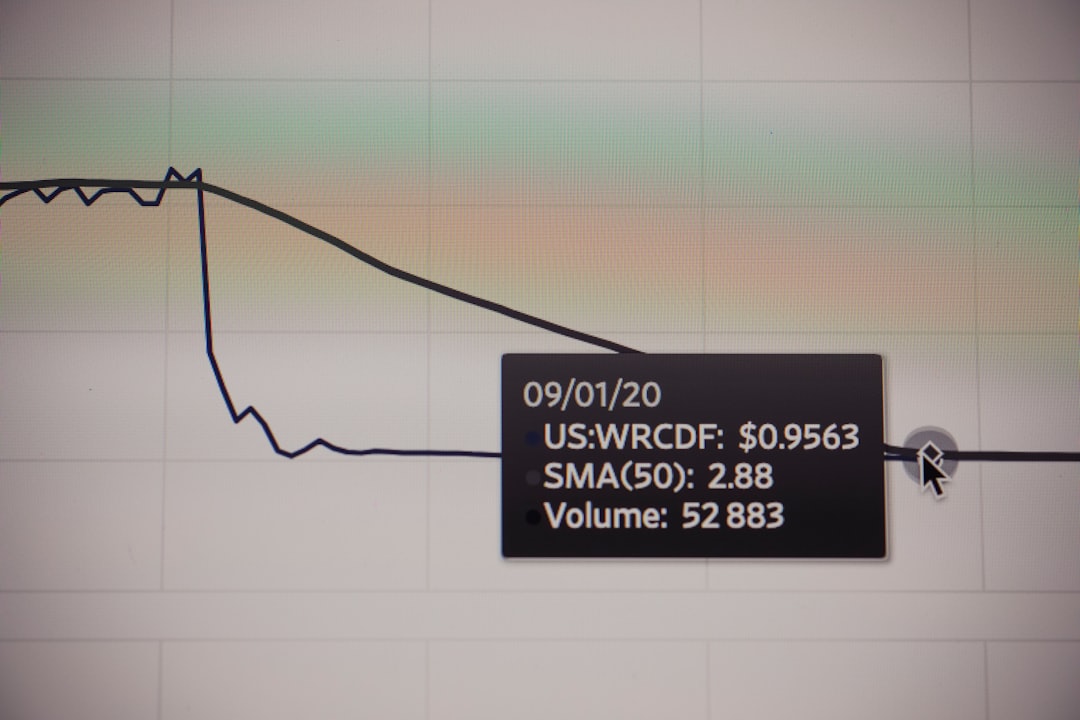
The key is to watch for three signals: volume spikes, social chatter, and TVL changes.
The Setup
Here’s a simple framework to catch rotations early:
1. Monitor Base Chain TVL dashboards (e.g., DeFiLlama, Dune Analytics). Look for a sudden increase in a protocol you haven’t seen before. That’s often the first sign of capital rotating in.
2. Check DEX volume rankings on Base. If a new pair is trading significantly more than established pairs, something is brewing. Tools like DexScreener or GeckoTerminal can help you spot these anomalies in real time.
3. Scan social feeds for Base-specific channels (Farcaster channels like /base, /degens, or /aero). Look for repeated mentions of a token or protocol. If you see the same name popping up every few minutes, attention is starting to rotate.
4. Enter early, but not first. The best risk/reward is often after the initial spike—once the rotation is confirmed but before the crowd piles in. Wait for the first pullback after a volume surge, then enter with a tight stop.
Risk Management
Rotations can be violent. What goes up 200% can easily retrace 80% in hours. Here’s how to stay safe:
- Set a stop-loss immediately. A good rule of thumb is 15-20% below your entry, depending on volatility.
- Take partial profits. If your position doubles, sell half. Let the rest run with a trailing stop.
- Don’t chase the narrative too late. If you see a token already up 10x on the day, you’re likely the exit liquidity, not the alpha.
- Size conservatively. Because rotations are fast and unpredictable, never allocate more than 5% of your trading portfolio to any single rotation play.
Conclusion
Base Chain ecosystem rotations are one of the most exciting opportunities for traders right now. The chain’s strong user base, low fees, and active developer community create a perfect environment for rapid capital movement. By watching volume, social signals, and TVL shifts, you can position yourself ahead of the crowd. Just remember: manage your risk, take profits along the way, and never fall in love with a rotation play. The next wave is always coming.
Stay sharp, stay disciplined, and happy trading.