
Bitcoin and Strategy (MSTR) Explained: Why Saylor Says a Capital Rotation, Not a Crash
Bitcoin has dropped sharply, falling over 22% from its recent high and entering what some call “bear-market territory.” But Michael Saylor, Executive Chairman of Strategy (formerly MicroStrategy), says this isn’t a crisis of confidence. Instead, he argues it’s a temporary shift of money into artificial intelligence (AI) infrastructure. For crypto learners, understanding why major players see this price drop as a rotation rather than a collapse is key to making sense of market movements. This guide explains the recent sell-off, why Saylor links it to AI spending, and what his company’s small Bitcoin sale means for everyday investors. You’ll learn how institutional capital flows affect crypto prices and why volatility might actually create opportunities.
Read time: 9-11 minutes
Understanding Capital Rotation for Beginners
Capital rotation is the movement of investment money from one sector or asset class to another. Think of it like rearranging furniture in a house: you move your sofa from the living room to the den because you’re spending more time there. In markets, investors shift their funds based on where they see the best potential returns or the least risk.
Why does this matter? When large institutions decide to move billions of dollars, it can create noticeable price changes in the assets they leave behind. In this case, Saylor argues that about $400 billion flowed into AI infrastructure over six months, while spot Bitcoin ETFs saw about $4 billion in outflows since May 14. That’s a significant amount leaving Bitcoin-related products.
A real-world example: Imagine a pension fund that previously allocated 5% of its portfolio to Bitcoin ETFs. If it decides to redirect that money to AI company stocks and bonds, those ETF shares are sold, potentially pushing Bitcoin’s price down—even if the fund still believes in Bitcoin long-term. That’s a rotation, not a rejection.
The Technical Details: How Institutional Capital Flows Actually Work
When big money moves, it doesn’t happen instantly or invisibly. Here’s a simplified look at the mechanics:
1. Institutional Fundraising: Major corporations and investment funds raise capital by issuing bonds, selling shares, or using cash reserves. For AI, companies like Microsoft, Google, and Amazon have raised hundreds of billions for data centers and hardware.
2. ETF Redemption: When institutions sell their spot Bitcoin ETF shares, the ETF provider must sell the underlying Bitcoin to raise cash for the redemption. This creates sell pressure on the actual BTC market.
3. Market Impact: Large sell orders (millions or billions of dollars) can temporarily push the price down, especially in thinner trading hours like overnight sessions.
4. Price Discovery: As sell orders get filled, the market finds a new equilibrium price. In this case, Bitcoin dropped to $61,400 before recovering slightly to around $62,400.
Why this structure matters: Small investors often panic when prices fall, but understanding that institutional rotations are often temporary can help you make calmer decisions. The underlying asset hasn’t changed—only the flow of capital.
Current Market Context: Why This Matters Now
As of early June 2026, Bitcoin has fallen 22.7% from its four-week high, dropping below $62,000. The total crypto market lost over $600 billion in value during this move. But Saylor’s explanation offers a different perspective.
According to Wall Street consensus estimates, hyperscaler capital expenditures (spending by major cloud and AI companies) could exceed $600 billion in 2026 alone. CreditSights estimates about $450 billion of that goes to AI hardware, servers, and networking equipment. In contrast, Bitcoin ETFs have seen roughly $4 billion in outflows since mid-May.
This creates a clear narrative: institutions are prioritizing AI infrastructure funding, temporarily reducing their crypto exposure. Saylor described this as “a capital rotation, not a Bitcoin impairment.” His key point: volatility creates opportunity, and the investment case for Bitcoin remains intact.
Important context: This doesn’t mean AI is “winning” over crypto. It means both sectors are competing for the same institutional capital pools, and right now, AI is getting a larger share of new money.
Competitive Landscape: How Bitcoin and AI Compete for Institutional Capital
Both Bitcoin and AI infrastructure are vying for the same limited pool of institutional investment dollars. Here’s how they compare:
| Feature | Bitcoin (via ETFs & Direct Holdings) | AI Infrastructure (Hardware, Data Centers) |
|---|---|---|
| Capital Needed | Relatively small; ETFs can absorb billions | Massive; single data centers cost $1B+ |
| Return Profile | High volatility, potential for appreciation | Steady, predictable returns via cloud contracts |
| Institutional Comfort | Growing, but still considered risky by some | High; seen as essential future technology |
| Recent Capital Flow | ~$4B outflows from ETFs since May 14 | ~$400B+ into buildout over 6 months |
| Key Players | Strategy, BlackRock, Fidelity | Microsoft, Amazon, Google, NVIDIA |
Why this matters for users: If you’re investing in crypto, understanding this competition helps you anticipate periods of price pressure. When a major new technology sector (like AI) captures institutional attention, crypto may experience temporary outflows. This doesn’t mean crypto’s fundamentals are broken.
Practical Applications: Real-World Use Cases
Why should you care about capital rotation?
- Market Timing Awareness: If you’re planning to buy or sell crypto, monitoring institutional flows (ETF inflows/outflows, corporate treasury moves) can help you avoid buying at peaks or selling at bottoms.
- Portfolio Diversification: Understanding that different sectors compete for capital can inform your broader investment strategy. You might choose to hold both AI-related stocks and Bitcoin to hedge against rotation risk.
- News Literacy: When you see headlines about “Bitcoin crashing,” knowing the difference between a fundamental problem and a capital rotation helps you avoid panic decisions.
- Long-Term Perspective: Saylor’s framing reminds us that short-term price moves don’t necessarily reflect the asset’s long-term value. Volatility is normal in emerging asset classes.
Risk Analysis: Expert Perspective
Primary Risks:
1. Rotation Could Continue: If AI investment maintains its pace, Bitcoin could face additional selling pressure for months.
2. Strategy’s Small Bitcoin Sale: The company sold 32 BTC between May 26-31 at ~$77,135 each, raising $2.5 million. While tiny compared to their 843,706 BTC holdings (worth ~$61 billion), it was the first sale since 2022, which some analysts say affected sentiment.
3. Leverage Concerns: Strategy repurchased $1.5 billion of its convertible notes, reducing debt but signaling a more cautious approach to balance sheet management.
4. MSTR Stock Drop: Strategy’s stock (MSTR) fell nearly 15% over five trading days, showing the sell-off extended beyond just Bitcoin.
Mitigation Strategies:
- Dollar-Cost Averaging: Regular, smaller purchases reduce the impact of timing poorly during capital rotations.
- Focus on Fundamentals: Bitcoin’s supply cap, network security, and adoption trends remain unchanged despite short-term price moves.
- Monitor Institutional Activity: Following major holders like Strategy and ETF flows provides leading indicators of market direction.
Expert Consensus: Most analysts agree this is a capital allocation shift, not a structural problem for Bitcoin. However, the duration of AI-driven outflows remains uncertain.
Beginner’s Corner: Quick Start Guide to Understanding Market Drops
1. Check the Source of the Drop: Is it a fundamental issue (hack, regulation, protocol flaw) or a capital flow issue (ETF outflows, institutional rotations)? This determines your response.
2. Look at On-Chain Data: Tools like Glassnode or CoinMetrics show whether large holders are selling or just rotating. If whales aren’t dumping, it’s likely a rotation.
3. Compare to Historical Events: Similar rotations happened during the 2021 NFT boom and 2023 AI hype. Bitcoin recovered each time.
4. Avoid Panic Selling: Selling during a rotation locks in losses. If you believe in the asset’s long-term value, holding or buying more during dips is historically more profitable.
5. Set Price Alerts: Use exchanges or apps to notify you of significant moves. This prevents emotional decisions based on real-time price watches.
Common Mistakes to Avoid:
- Assuming every drop is a “crash” — this is a 22% decline, not a 50%+ collapse.
- Ignoring context — AI spending is a legitimate reason for capital reallocation.
- Following the herd — if everyone panic sells, prices drop further. Institutional rotation often reverses.
Future Outlook: What’s Next
Several developments are on the horizon that could affect this dynamic:
1. AI Spending Spikes May Moderate: As AI infrastructure gets built, capital allocation may return to other assets, including crypto. Analysts expect some normalization by late 2026.
2. Strategy’s Next Moves: The company still holds ~843,706 BTC and plans to rebuild its liquidity buffer. Any further sales or purchases will be closely watched.
3. ETF Flow Reversal: If AI sentiment cools or Bitcoin finds a new support level, ETF inflows could resume, providing price support.
4. Regulatory Developments: Clearer U.S. and EU regulations (MiCA) could boost institutional confidence in crypto, potentially reversing the rotation.
Timeframe Clarity: The current rotation appears driven by near-term AI funding needs. Saylor expects volatility to create opportunity, suggesting he views this as a temporary phase rather than a permanent shift.
Key Takeaways
- Bitcoin’s recent 22% drop is attributed by Michael Saylor to a capital rotation into AI, not a loss of confidence in the asset itself.
- Over $400 billion has flowed into AI infrastructure recently, while Bitcoin ETFs saw ~$4 billion in outflows, creating temporary sell pressure.
- Strategy’s small Bitcoin sale (32 BTC) was its first since 2022, raising market attention despite the company still holding over 843,000 BTC.
- Understanding capital rotation helps investors avoid panic selling during institutional reallocations and recognize potential buying opportunities.
,
“datePublished”: “2026-06-04T12:01:04.097-04:00”,
“dateModified”: “2026-06-04T12:01:04.097-04:00”,
“mainEntity”: {
“@type”: “Thing”,
“name”: “Bitcoin Capital Rotation”
}
}
The Rise of AI Agents in Crypto: A Complete Guide
Artificial intelligence is reshaping the crypto landscape, and AI agents—autonomous programs that execute tasks on behalf of users—are at the forefront of this revolution. From automated trading and portfolio management to smart contract auditing and decentralized governance, AI agents are making crypto more efficient, accessible, and intelligent. This comprehensive guide explores what AI agents are, how they work in crypto, key use cases, and what the future holds.
Key Concepts
What Are AI Agents?
AI agents are software programs that use machine learning, natural language processing, and decision-making algorithms to perform tasks autonomously. In crypto, they can analyze market data, execute trades, manage DeFi positions, and even participate in DAO voting without human intervention.
How AI Agents Work in Crypto
AI agents connect to blockchain nodes, APIs, and data feeds to gather real-time information. They use predictive models to identify opportunities, then execute transactions via smart contracts or exchange APIs. Some agents are designed for specific protocols (e.g., Uniswap liquidity management), while others are general-purpose trading bots.
Key Use Cases
- Automated Trading: AI agents scan order books, detect arbitrage, and execute trades faster than humans.
- DeFi Yield Optimization: Agents automatically move funds between lending pools to maximize returns.
- Smart Contract Auditing: AI scans code for vulnerabilities and suggests fixes.
- DAO Governance: Agents vote on proposals based on predefined criteria or predictive analysis.
- NFT Valuation: AI agents assess rarity, historical sales, and market trends to price NFTs.
Pro Tips
- Start with a clear strategy: Define your risk tolerance, goals, and the specific tasks you want the agent to handle.
- Test in simulation: Use paper trading or testnets before deploying real funds.
- Monitor agent performance: Even autonomous agents need periodic review to ensure they adapt to market changes.
- Prioritize security: Use agents from reputable sources, audit their code, and never share private keys.
- Combine multiple agents: Diversify by using different agents for different strategies (e.g., one for arbitrage, one for yield farming).
FAQ Section
What is the difference between a trading bot and an AI agent?
A trading bot follows fixed rules, while an AI agent learns from data and adapts its strategy over time. AI agents can handle more complex, dynamic tasks.
Are AI agents safe to use in crypto?
Safety depends on the agent’s code, the platform it runs on, and your security practices. Always audit open-source agents, use hardware wallets, and start with small amounts.
Can AI agents replace human traders?
Not entirely. AI agents excel at speed and data analysis, but human intuition, risk management, and strategic oversight remain valuable. The best approach is human-AI collaboration.
What are the best platforms for AI agents in crypto?
Popular platforms include Fetch.ai, Autonolas, and SingularityNET. Many DeFi protocols also offer native agent integrations.
Do I need coding skills to use an AI agent?
Not necessarily. Many platforms offer no-code interfaces where you can configure agents via drag-and-drop or simple settings. However, custom agents require programming knowledge.
Conclusion
AI agents are transforming crypto by automating complex tasks, improving efficiency, and opening new opportunities for both retail and institutional users. As the technology matures, we can expect even more sophisticated agents that handle everything from portfolio rebalancing to cross-chain arbitrage. Whether you’re a trader, DeFi enthusiast, or developer, now is the time to explore how AI agents can enhance your crypto journey.
For more details on this, check out our guide on Strategy Sells 32 Bitcoin: First Sale Since 2022 Signals Policy Shift.
You might also be interested in reading about Real World Assets (RWA): How Tokenization Changes Investing – The Ultimate Guide.
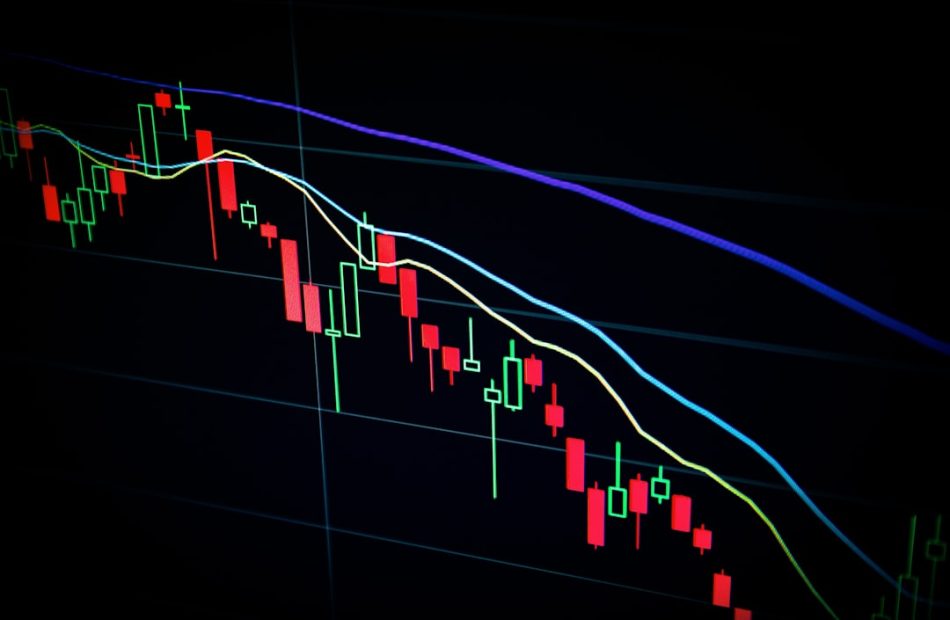
Unlock the Market’s Secret Language: A Beginner’s Guide to the Wyckoff Method
Have you ever looked at a chart and felt like the market was speaking a language you just couldn’t understand? The ups and downs seem random, driven by news and hype. But what if I told you there’s a method—developed over 100 years ago—that can help you read the market like a book? Welcome to the Wyckoff Method. It’s not about magic indicators; it’s about understanding the psychology of the big players (the ‘Composite Operator’) and how they accumulate and distribute assets. Let’s break it down in a way that’s clear, modern, and immediately useful for your trading.
How It Works
The Wyckoff Method is built on three core laws: Supply and Demand, Cause and Effect, and Effort vs. Result. Think of it like this: price movements are not random; they are the result of a battle between smart money (institutions) and the public. The method focuses on analyzing price action and volume to identify the phases of this battle.
The Wyckoff Cycle: Accumulation, Markup, Distribution, Markdown
The entire market moves in a cycle. The Wyckoff Method gives names to these four distinct phases:
1. Accumulation: Smart money is quietly buying while the public is selling in fear (often after a downtrend). Price moves sideways in a range.
2. Markup: The smart money has finished buying. They start pushing the price up. This is the strong uptrend.
3. Distribution: The smart money is selling their holdings to the public, who are now excited and buying. Price moves sideways again.
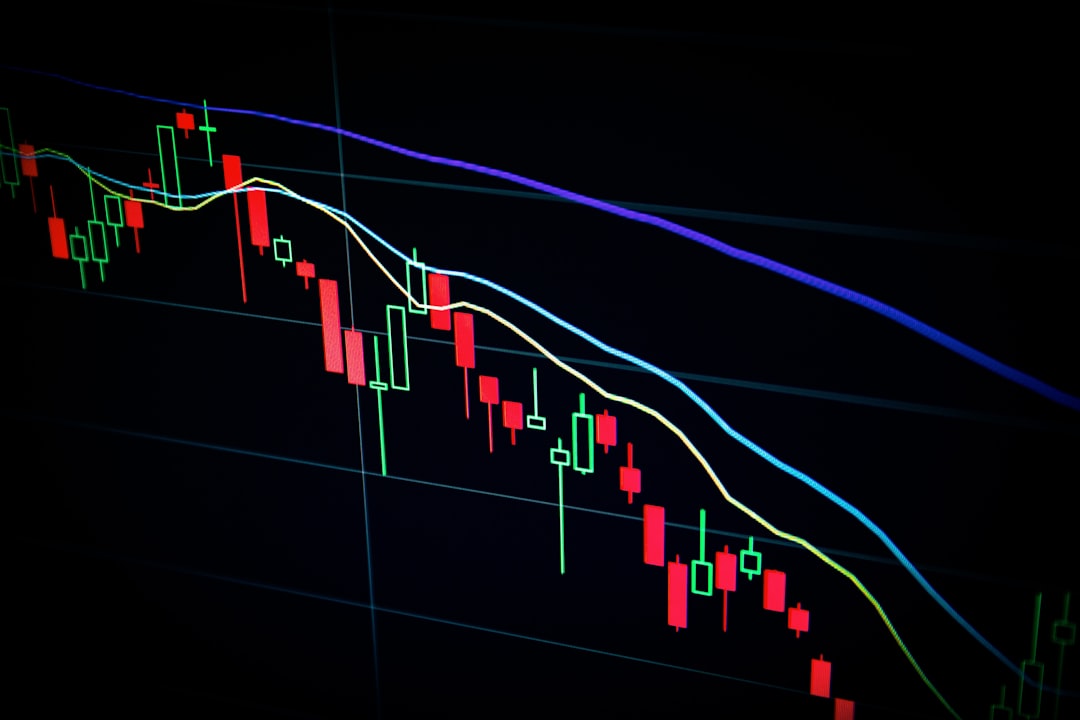
4. Markdown: Supply overwhelms demand. The price falls sharply as the public panic-sells.
The key is to identify where we are in this cycle. You want to buy during Accumulation and sell during Distribution.
The Setup: Identifying the Phases
Let’s zoom into the Accumulation phase. It’s not just a flat line. It has specific price and volume events that act as your trading signals.
The Accumulation Schematic
1. Preliminary Support (PS): After a downtrend, volume spikes and price stops falling. This is the first sign of buying interest.
2. Selling Climax (SC): A sharp, final sell-off with huge volume. The smart money absorbs all the panic selling.
3. Automatic Rally (AR): The price bounces up from the SC because the selling pressure is exhausted.
4. Secondary Test (ST): Price returns to the SC area but on lower volume. This confirms that the selling pressure has dried up. The smart money is in control.
5. Spring (Optional but Powerful): A final, deceptive drop below the SC support level that quickly reverses. This shakes out the last weak hands before the markup begins.
Your Setup: Look for the SC and ST pattern on a daily or 4-hour chart. When you see an ST with low volume, or a Spring that reverses strongly, consider your entry. You are buying in the Accumulation zone.
Risk Management
The Wyckoff Method is powerful, but no strategy is perfect. Risk management is your safety net.
- Stop Loss Placement: Place your stop loss below the lowest point of the Accumulation zone (below the SC or Spring). If price breaks below this level with high volume, your thesis is wrong. Get out.
- Position Sizing: Never risk more than 1-2% of your trading capital on a single trade. The Wyckoff Method gives you high-probability setups, but it’s not 100%.
- Wait for Confirmation: Don’t jump in at the first sign of a PS. Wait for the ST or a clear Spring. Patience is your greatest asset in Wyckoff trading.
Conclusion
The Wyckoff Method is like learning to read the footprints of the smart money. It shifts your focus from ‘what will happen next?’ to ‘what is happening right now?’ By understanding accumulation and distribution, you stop trading against the tide and start trading with the institutional flow. It takes practice to spot these patterns, but start by looking at historical charts. Find the SC, ST, and Springs. The more you see them, the more you’ll trust them. You’ve got this—go find those footprints.
How to Bridge Assets Across Blockchains Safely: A Complete Guide
Bridging assets across blockchains is a fundamental skill in the multi-chain crypto ecosystem. Whether you’re moving ETH from Ethereum to Arbitrum, or USDC from Polygon to Solana, understanding the risks and best practices is essential to avoid losing funds. This guide walks you through the key concepts, safety tips, and recommended tools for secure cross-chain transfers.
Key Concepts
What is a Blockchain Bridge?
A blockchain bridge is a protocol that allows you to transfer tokens or data from one blockchain to another. Bridges typically lock assets on the source chain and mint equivalent tokens on the destination chain. Examples include the official Polygon Bridge, Wormhole, and Stargate.
Types of Bridges
- Trusted Bridges: Rely on a central authority or validator set. Faster but require trust in the operator.
- Trustless Bridges: Use smart contracts and cryptographic proofs. More secure but often slower and more expensive.
- Liquidity Networks: Use atomic swaps and liquidity pools to exchange assets across chains without minting wrapped tokens.
Common Risks
- Smart Contract Bugs: Vulnerabilities in bridge contracts can lead to hacks.
- Validator Collusion: In trusted bridges, validators might steal funds.
- Front-Running: Malicious actors may exploit transaction ordering.
- Fake Bridges: Scammers create phishing sites that look like legitimate bridges.
Pro Tips for Safe Bridging
- Always double-check the bridge URL. Bookmark official bridge links and never click on ads or search results.
- Start with a small test transaction. Send a minimal amount first to verify the bridge works correctly.
- Use bridges with a proven track record. Look for bridges that have undergone multiple audits and have a long history of secure operations.
- Monitor gas fees. Bridging can be expensive, especially on Ethereum. Consider using L2-to-L2 bridges to save costs.
- Keep your private keys secure. Never share your seed phrase or private keys with any bridge interface.
- Check for liquidity. Ensure the destination chain has enough liquidity for the asset you’re bridging.
For more details on this, check out our guide on Risks of Investing in Real World Assets: A Candid Guide.
You might also be interested in reading about Tokenized Real Estate & More: How to Trade Real World Assets (RWA) in Crypto.
FAQ
What is the safest bridge for cross-chain transfers?
There is no single safest bridge. However, bridges like Stargate (LayerZero), Across, and Hop Protocol are widely considered secure due to their decentralized architecture and multiple audits. Always do your own research before using any bridge.
How long does a bridge transaction take?
It depends on the bridge and the chains involved. Some bridges complete in seconds (e.g., Wormhole between Solana and Ethereum), while others may take several minutes to hours, especially if they require multiple confirmations.
Can I lose my funds while bridging?
Yes, bridging carries risks. Common causes of fund loss include: sending to the wrong address, using a malicious bridge, smart contract exploits, or network congestion. Always verify the bridge and use small test amounts first.
Do I need to pay gas fees on both chains?
Yes, you typically need to pay gas fees on the source chain for the initial transaction, and on the destination chain to claim or unwrap the bridged assets. Some bridges include destination gas in the fee.
What should I do if my bridge transaction is stuck?
First, check the transaction status on a block explorer. If it’s pending, you may need to wait for network confirmations. If it fails, try increasing the gas limit or contacting the bridge’s support team. Never send additional funds to “unlock” a stuck transaction.
Conclusion
Bridging assets across blockchains is a powerful tool for accessing DeFi opportunities, lower fees, and diverse ecosystems. However, it comes with significant risks that require careful attention. By understanding the types of bridges, following safety best practices, and using reputable tools, you can minimize the chances of losing funds. Always start small, verify everything, and stay informed about the latest security developments in the bridging space.
How SPVs Protect RWA Investors: A Complete Guide
Real World Assets (RWAs) are tangible or intangible assets—such as real estate, bonds, commodities, and credit—that are tokenized on a blockchain. This process bridges the gap between Traditional Finance (TradFi) and Decentralized Finance (DeFi), enabling fractional ownership, 24/7 liquidity, and transparent on-chain record-keeping. However, the off-chain nature of these assets introduces unique risks. Special Purpose Vehicles (SPVs) are a critical legal and financial structure used to protect investors by isolating asset ownership and liability. This guide explains how SPVs work in the RWA ecosystem and why they are essential for investor safety.
What Is an SPV and Why Is It Needed for RWAs?
An SPV is a legally separate entity—typically a limited liability company or trust—created to hold a specific asset or pool of assets. In the RWA context, the SPV owns the off-chain asset (e.g., a commercial building or a bond portfolio) while the token represents a fractional ownership interest in the SPV. This separation ensures that if the asset originator goes bankrupt, the asset held by the SPV is protected from creditors. Without an SPV, token holders would have a direct claim on the originator, exposing them to insolvency risk.
How SPVs Work in RWA Tokenization
The process involves several steps:
- Asset Selection & Legal Structuring: The asset is transferred into an SPV, which is registered in a jurisdiction with clear asset protection laws (e.g., Delaware, Luxembourg).
- Tokenization: The SPV issues digital tokens on a blockchain (e.g., Ethereum, Polygon) that represent proportional ownership. Each token corresponds to a specific share of the SPV’s equity or debt.
- Oracle Integration: Off-chain data—such as property valuations, rental income, or bond coupon payments—is fed onto the blockchain via oracles (e.g., Chainlink) to ensure token pricing reflects real-world conditions.
- Secondary Market Trading: Tokens can be traded on decentralized exchanges or specialized RWA platforms, providing liquidity that the underlying asset lacks.
Investment Analysis: Pros, Cons, and Risks
Pros
- Legal Protection: SPVs ring-fence assets, shielding token holders from originator bankruptcy.
- Fractional Ownership: Lowers the minimum investment barrier for high-value assets like real estate or private credit.
- Transparency: On-chain token supply and SPV financial statements can be audited by third parties.
Cons
- Regulatory Uncertainty: SPV structures vary by jurisdiction; some regulators may classify tokens as securities, triggering compliance costs.
- Smart Contract Risk: Bugs in the token contract or oracle can lead to loss of funds.
- Liquidity Risk: Even with tokenization, some RWA tokens trade thinly, making exit difficult.
Risks to Monitor
- Regulation: The SEC and ESMA have issued guidance on tokenized securities. Reports from BlackRock and data from RWA.xyz show that compliant SPVs are gaining traction.
- Counterparty Risk: The SPV’s administrator or custodian must be reputable; due diligence is essential.
- Oracle Manipulation: If the oracle providing asset data is compromised, token prices can deviate from fair value.
For a broader market view, check out our analysis on The DeFi Yield Farming Gold Rush: How to Chase Returns Without Getting Burned.
Investors often compare this to How to Spot a Honey Pot Scam: Safety Guide.
Tool Recommendation
Looking for altcoin opportunities and smooth trading? Try KuCoin. KuCoin offers a wide range of RWA-related tokens and provides advanced trading tools for both spot and futures markets. Its robust security features and user-friendly interface make it a solid choice for investors seeking exposure to tokenized assets.
Frequently Asked Questions
What happens if the SPV goes bankrupt?
If the SPV itself becomes insolvent, token holders are still entitled to the underlying asset’s proceeds after secured creditors are paid, because the SPV is a separate legal entity. However, the asset may be liquidated, and token holders receive a pro-rata distribution.
Are RWA tokens considered securities?
In many jurisdictions, yes. If the token represents an ownership stake in an SPV that holds a passive asset, it likely meets the Howey Test criteria. Issuers must comply with securities laws, including registration or exemption filings.
How do oracles ensure accurate pricing for RWA tokens?
Oracles aggregate data from multiple trusted sources—such as appraisal reports, exchange feeds, and custodians—and publish it on-chain via smart contracts. Decentralized oracle networks like Chainlink use multiple node operators to reduce manipulation risk.
Conclusion
SPVs are the backbone of investor protection in the RWA ecosystem. By legally isolating assets from originator risk and enabling transparent tokenization, they make fractional ownership of real-world assets viable and secure. While regulatory and smart contract risks remain, the combination of SPVs, oracles, and blockchain technology is rapidly maturing. For investors, understanding this structure is essential before committing capital to any RWA token.
Cardano Ecosystem Crisis Explained: Why ADA Dropped Below $0.20
What happens when a blockchain’s founder warns of an “ecosystem failure” while its native token hits a five-year price low? That’s the situation facing Cardano (ADA) in early June 2026. Founder Charles Hoskinson announced he is “taking a break” after months of setbacks—including the cancellation of Cardano’s flagship conference and the shutdown of a major analytics platform. ADA fell below $0.20 for the first time since 2021, dropping nearly 70% over the past year. For crypto users, this isn’t just about price action—it reveals deeper challenges about community governance, treasury management, and what happens when market conditions strain a blockchain ecosystem. This guide explains what’s happening to Cardano, why it matters for ADA holders, and what the broader crypto community can learn from these events.
Read time: 9-11 minutes
Understanding Blockchain Ecosystem Health for Beginners
A blockchain ecosystem is the network of projects, developers, tools, and businesses that build on top of a specific blockchain. Think of it like a city—the blockchain is the infrastructure (roads, utilities), and the ecosystem is the restaurants, shops, schools, and homes that make the city livable and valuable.
When a blockchain ecosystem is healthy, new projects launch regularly, developers build useful applications, and users have many tools to interact with the network. When it struggles, projects shut down, developers leave, and the network becomes less useful—which can affect the value of its native token.
Cardano’s ecosystem faces exactly this challenge. The shutdown of TapTools, an analytics platform that served Cardano users for four years, signals that even established projects are struggling. Founder Hoskinson warned earlier this year that “we’re going to see a lot of people collapse because the markets are really bad.”
Why does this matter for you? The health of a blockchain’s ecosystem directly affects the utility and potential value of its token. A network with few working projects is less attractive to new users and investors, creating a cycle that can be hard to break.
The Technical Details: How Cardano’s Governance Structure Works
Cardano operates differently from many other blockchains. Its governance system involves a treasury—a pool of ADA collected from transaction fees that the community can vote to spend on ecosystem development. Here’s how it works:
1. Treasury Accumulation: A portion of every transaction fee on Cardano is automatically added to the treasury. This creates a fund meant to support future development without requiring additional token issuance.
2. Proposal Submission: Anyone can submit a proposal requesting funds from the treasury for projects like conferences, development tools, marketing, or other ecosystem needs.
3. Community Voting: ADA holders vote on proposals. This is called “on-chain governance”—decisions are recorded directly on the blockchain, making them transparent and irreversible.
4. Fund Disbursement: If a proposal passes, funds are released. If it fails, the proposer must find other funding or cancel the project.
5. Impact on Ecosystem: The community’s voting decisions directly determine which projects live or die. This is the “collective action problem” Hoskinson referenced—getting thousands of independent voters to agree on funding priorities.
Cardano’s recent crisis stemmed from this exact process. The community voted against funding the Cardano 2026 Summit in Singapore, forcing organizers to cancel the event. Similarly, Hoskinson expressed frustration that “there doesn’t seem to be a lot of community desire to spend the treasury to take these ventures to the next level.”
Why this structure matters: Decentralized governance gives power to token holders, but it also means slow, sometimes frustrating decision-making. Projects can’t rely on a central authority to save them—they need community support, which isn’t guaranteed.
Current Market Context: Why Cardano’s Troubles Matter Now
As of June 2026, Cardano faces a perfect storm of negative developments:
- Token Price Crash: ADA fell below $0.20, its lowest in over five years. The token is down approximately 70% over the past year alone.
- Founder Fatigue: Charles Hoskinson’s “taking a break” announcement and “TTYL” tweet suggest leadership uncertainty at a critical time.
- Ecosystem Shutdowns: TapTools, a major analytics platform, ceased operations after four years on Cardano.
- Conference Cancellation: The 2026 Cardano Summit was canceled due to lack of community treasury funding.
- Market Sentiment: ADA dropped nearly 10% immediately following Hoskinson’s remarks, showing how sensitive the market is to ecosystem news.
This situation isn’t unique to Cardano. Many blockchain ecosystems experienced similar pressures during prolonged bear markets. However, Cardano’s governance model makes it particularly susceptible—when the community is divided on spending priorities, even flagship events can’t survive.
For context, Cardano’s market cap has fallen from its peak of over $90 billion in 2021 to roughly $7-8 billion in mid-2026. The network still has active development and a dedicated community, but the recent setbacks raise serious questions about its medium-term viability.
Competitive Landscape: How Cardano Compares to Other Ecosystems
| Feature | Cardano (ADA) | Ethereum (ETH) | Solana (SOL) | Polygon (MATIC) |
|---|---|---|---|---|
| Governance Model | On-chain treasury voting | Off-chain (Ethereum Foundation + EIP process) | Foundation + validator voting | Foundation + community DAO |
| Treasury Size | ~$1.5B (ADA tokens) | No formal on-chain treasury | ~$200M (SOL tokens) | ~$100M (MATIC tokens) |
| Ecosystem Health (2026) | Struggling: Summit canceled, key projects shutting down | Strong: L2 scaling, institutional adoption | Moderate: Still recovering from 2022-2023 issues | Moderate: Active but competitive pressure |
| Community Funding | Fully decentralized—slow, divisive | Foundation-driven—faster decisions | Hybrid—balance of speed and decentralization | Similar to Solana |
| Recent Issues | TapTools shutdown, Hoskinson break | High gas fees on L1 | Past network outages | Competition from other L2s |
Why this comparison matters: Cardano’s fully decentralized governance is both a strength and a weakness. It prevents any single entity from controlling the network, but it also makes it nearly impossible to fund critical projects quickly. Ethereum and Solana have more centralized decision-making that can move faster during crises.
Practical Applications: What This Means for ADA Holders
For current ADA holders or those considering investing, this situation has several practical implications:
- Price Monitoring: Watch for further ecosystem announcements. If more key projects shut down or Hoskinson’s break extends, ADA could face additional selling pressure.
- Governance Participation: ADA holders can vote on treasury proposals. If you hold ADA, engaging in governance could help direct funds toward projects you believe in.
- Portfolio Diversification: The Cardano ecosystem’s struggles highlight why many investors diversify across multiple blockchains rather than betting on one.
- Risk Assessment: Evaluate how much of your portfolio is exposed to a single ecosystem. Cardano’s current troubles could take months or years to resolve.
- Learning Opportunity: This situation demonstrates the real-world consequences of decentralized governance—both the power and the challenges it creates.
Risk Analysis: Expert Perspective
Primary Risks:
1. Leadership Vacuum: Hoskinson has been Cardano’s most visible advocate. His departure, even temporary, could slow development and hurt morale.
2. Ecosystem Death Spiral: If key projects continue shutting down, developers may leave, reducing the network’s utility and further depressing token price.
3. Governance Gridlock: The community’s reluctance to fund projects could lead to chronic underinvestment in the ecosystem.
4. Competition Risk: Other blockchains with faster, more centralized governance may attract projects that Cardano loses.
Mitigation Strategies:
- Community Mobilization: If holders engage more actively in governance, they could approve critical funding proposals more quickly.
- Alternative Funding: Projects could seek venture capital or grants outside the treasury system.
- Timeline Realism: Many blockchain ecosystems have weathered similar crises. Cardano’s technology remains functional, and prices could recover if ecosystem health improves.
Expert Consensus: Most analysts agree that Cardano faces serious near-term challenges but isn’t doomed. The technology works, the community remains active, and bear market cycles eventually end. However, the next 6-12 months will be critical for determining whether Cardano can reverse its current trajectory.
Beginner’s Corner: Quick Start Guide to Monitoring Ecosystem Health
If you’re new to crypto and want to track whether a blockchain ecosystem is healthy, here are simple steps:
1. Check active projects: Visit the blockchain’s ecosystem page (e.g., Cardano’s “Built on Cardano” directory) and see how many projects are listed.
2. Monitor developer activity: Use platforms like Electric Capital’s Developer Report to see how many developers are actively building on the network.
3. Watch for major events: Conference cancellations, project shutdowns, or founder announcements often signal ecosystem stress.
4. Follow governance votes: For blockchains with on-chain governance, track what proposals pass or fail. Repeated failures on critical funding suggest community dysfunction.
5. Track token price relative to peers: If a token falls more than its competitors during a market downturn, it may indicate ecosystem-specific problems.
Common mistakes to avoid:
- Selling in panic immediately after negative news. Markets often overreact temporarily.
- Ignoring ecosystem health and only watching price. A token can pump without ecosystem improvement—but that’s usually temporary.
- Assuming a blockchain is “dead” because of short-term struggles. Crypto ecosystems often cycle through periods of decline and recovery.
Future Outlook: What’s Next for Cardano
The coming months will determine Cardano’s trajectory. Here’s what to watch:
1. Hoskinson’s Return: If the founder returns quickly with a clear plan for ecosystem recovery, confidence could stabilize.
2. Community Governance Reform: The community may need to revise its treasury voting system to make funding decisions faster and more practical.
3. New Ecosystem Projects: The arrival of innovative projects could reverse the negative narrative and attract new users and developers.
4. Market Conditions: A broader crypto market recovery could lift all tokens, including ADA, giving the ecosystem more breathing room.
5. Institutional Adoption: Any news of partnerships or institutional use of Cardano could provide a catalyst for recovery.
Speculation boundary: While some analysts predict ADA could drop further to $0.10-$0.15 before recovering, this is speculation. No one knows the exact bottom. The most realistic outlook is continued volatility until ecosystem health indicators improve.
Key Takeaways
- Cardano’s ecosystem struggles—including the Cancun Summit cancellation and TapTools shutdown—sent ADA below $0.20, a five-year low, after founder Charles Hoskinson announced he is “taking a break.”
- The blockchain’s decentralized governance model, while empowering token holders, can slow critical funding decisions, leading to project shutdowns when community support is divided.
- Ecosystem health is a leading indicator of token value—a network losing key projects and conferences may face prolonged price pressure.
- For ADA holders, active governance participation and portfolio diversification are practical responses to ecosystem uncertainty.
,
“datePublished”: “2026-06-04T09:59:00-04:00”,
“dateModified”: “2026-06-04T09:59:00-04:00”,
“mainEntity”: {
“@type”: “Thing”,
“name”: “Cardano Ecosystem Crisis”
}
}
Bitcoin Has Lost Its Momentum Trade, Says Charles Schwab Director
June 12, 2025 — Bitcoin has fallen more than 16% over the past month while the S&P 500 gained 5%, a divergence driven less by crypto-specific problems and more by investors chasing opportunities in AI stocks, commodities and anticipated IPOs, according to Charles Schwab’s Jim Ferraioli.
Immediate Details & Direct Quotes
Looking for altcoin opportunities and smooth trading? Try KuCoin.
Charles Schwab’s director of digital currencies research and strategy, Jim Ferraioli, told crypto media that Bitcoin’s inability to keep pace with U.S. equities stems largely from a loss of speculative momentum rather than a lack of positive industry developments.
“Bitcoin has been in a bear market since October,” Ferraioli said. “Not to say it’s as simple as that, but it’s kind of simple as that.”
The crypto industry has secured spot ETF approvals, attracted billions from institutional investors and moved closer to regulatory certainty in Washington over the past year. Despite those catalysts, Bitcoin has failed to produce the sustained rally many market participants expected.
Ferraioli linked a February rebound to renewed enthusiasm around institutional adoption and another successful Wall Street ETF launch, but said buying interest failed to develop into the speculative surge seen in previous market cycles.
Market Context & Reaction
According to Ferraioli, Bitcoin now competes with a growing range of speculative opportunities for investor capital. Historically, crypto markets have benefited when digital assets represented the most attractive speculative option available, but capital flows have shifted elsewhere.
“Crypto investors historically just go wherever the momentum is,” Ferraioli said. “And momentum is out of crypto at the moment.”
Recent capital has moved into gold, commodities and equities, with artificial intelligence now the dominant narrative attracting speculative money. Companies tied to AI infrastructure, advanced computing and data center expansion have delivered strong returns. Investors have also focused on anticipated public listings from firms such as OpenAI and Anthropic.
Ferraioli pointed to growing interest in private market opportunities, including Elon Musk’s SpaceX reportedly preparing for an IPO that could value the company at up to $1.8 trillion. Expected listings could collectively raise more than $200 billion.
“I think people that are excited about momentum are getting excited about IPOs,” Ferraioli said. “Then some of these you can actually access the private shares on these decentralized exchanges on Hyperliquid.”
U.S. spot Bitcoin ETFs recorded $483 million in net outflows on June 2, extending an 11-session withdrawal streak that removed more than $3.4 billion, according to crypto.news. On May 26, BlackRock’s IBIT spot Bitcoin ETF recorded a $1.26 billion off-exchange block transaction, described by research firm NYDIG as a large investor rapidly reducing exposure.
Background & Historical Context
Ferraioli dismissed suggestions that Strategy’s sale of 32 BTC played a major role in Bitcoin’s recent weakness. While the transaction attracted attention because of executive chairman Michael Saylor’s reputation as one of Bitcoin’s strongest advocates, Ferraioli said the sale became a convenient explanation for a trend already underway.
“The narrative has been that they’ll never sell,” Ferraioli said. “But I don’t think [the sale] is what’s really driving it.”
Investor positioning may be contributing more to the weakness. Ferraioli said some holders who endured sharp swings over the past year may be using recent price recoveries as an opportunity to exit the market.
“I think you get to those levels and you get people that are saying, ‘Hey, I made my money back, maybe I’ll revisit it later,'” he said.
Separate analysis from Binance Research linked Bitcoin’s weakness to competition for investor capital, arguing that money has increasingly moved into AI, semiconductor, defense and energy stocks, creating what it described as a “capital black hole” that leaves fewer funds available for Bitcoin.
Ferraioli believes institutional participation remains smaller than many investors assume. “Again, this is primarily a retail asset,” he said, explaining why positive developments such as advancing crypto legislation have not translated into immediate price gains.
What This Means
Summer seasonality could add another challenge. Ferraioli noted that trading activity has historically slowed during the summer months, a period that has often produced weaker performance for Bitcoin.
Ferraioli argued that regulation, institutional adoption and product launches remain supportive long-term developments, but none can guarantee higher prices if market participants continue finding more attractive places to deploy capital.
“There’s a lack of a reason to be buying here when there’s other things you can choose,” Ferraioli said.
While the industry awaits potential progress on the Clarity Act and other regulatory measures in the U.S., Ferraioli said those developments alone may not be enough to attract capital back into Bitcoin while investors remain focused on AI stocks, IPOs and commodities.

Catch the Next Crypto Windfall: Your Beginner’s Guide to Airdrop Farming Strategies
Imagine waking up to find free tokens worth thousands of dollars in your wallet. That’s the reality of airdrop farming—one of the most exciting ways to earn in crypto without spending a dime on buying tokens. But it’s not just luck; it’s a strategy. In this guide, I’ll show you how to spot high-potential airdrops, set up your wallet, and farm them safely and effectively.
How It Works
Airdrops are free token distributions given by new or existing blockchain projects to promote adoption, reward early users, or decentralize governance. To qualify, you usually need to perform specific on-chain actions—like interacting with a protocol, providing liquidity, or holding a certain token. Farming means strategically completing these actions to maximize your chances of receiving a future airdrop.
The Setup
1. Get a Dedicated Wallet – Use a hot wallet like MetaMask or Phantom. Never use your main trading wallet for farming; keep it separate to reduce risk.

2. Research Projects – Look for protocols that have raised venture capital (check Crunchbase or Messari), have a clear product, and haven’t launched a token yet. Twitter and Discord are goldmines for hints.
3. Perform Key Actions – Common requirements include:
- Swapping tokens on a DEX
- Bridging assets between chains
- Staking or lending tokens
- Minting an NFT
4. Track Your Activity – Use tools like Dune Analytics or DeBank to monitor your interactions. Keep a spreadsheet of addresses and actions.
5. Be Early – The earlier you interact, the more likely you’ll be rewarded. Start with testnets if the project offers them.
Risk Management
Airdrop farming isn’t risk-free. Here’s how to protect yourself:
- Watch for Gas Fees – Farming can be expensive on Ethereum. Use Layer 2 chains (Arbitrum, Optimism) or low-fee chains (Solana, Polygon) when possible.
- Avoid Scams – Never connect your wallet to unknown sites. Only use official links from the project’s verified social media.
- Diversify – Don’t put all your funds into one project. Spread across 5–10 promising protocols.
- Set a Budget – Decide how much you’re willing to spend on gas and transactions. Treat it like a business expense, not a gamble.
- Beware of Sybil Detection – Projects now detect fake accounts. Use unique wallets for each project and avoid bot-like behavior.
Conclusion
Airdrop farming is a powerful way to grow your crypto portfolio, but it requires patience, research, and discipline. Start small, focus on quality projects, and always prioritize security. The next big airdrop could be just a few clicks away—so get out there, start farming, and let the tokens rain down!
Bitcoin Layer 2s: Stacks, Lightning, and Runes Guide
Introduction
Bitcoin’s scalability has long been a challenge, but Layer 2 solutions are transforming the network by enabling faster, cheaper transactions and new functionalities. This guide explores three key Bitcoin Layer 2 technologies: Stacks, Lightning Network, and Runes. Whether you’re a developer, investor, or enthusiast, understanding these protocols is essential for navigating the evolving Bitcoin ecosystem.
Key Concepts
Lightning Network
The Lightning Network is a payment protocol built on top of Bitcoin that enables instant, low-cost transactions. It uses off-chain payment channels to settle transactions without recording each one on the main blockchain, significantly reducing congestion and fees. Ideal for microtransactions, it supports applications like streaming payments and retail purchases.
Stacks
Stacks is a Layer 2 blockchain that brings smart contracts and decentralized applications (dApps) to Bitcoin. It uses a unique consensus mechanism called Proof of Transfer (PoX) that anchors to Bitcoin’s security. Stacks enables DeFi, NFTs, and other dApps while leveraging Bitcoin’s robust network. Its native token, STX, is used for transaction fees and participation in consensus.
Runes
Runes is a protocol for creating fungible tokens on Bitcoin, inspired by the BRC-20 standard but designed to be more efficient. It allows users to issue and transfer tokens directly on the Bitcoin blockchain using UTXO-based models. Runes aims to simplify token creation and reduce network bloat, making it a promising tool for asset tokenization and community projects.
Pro Tips
- Start with Lightning: For everyday payments, Lightning Network is the most mature and user-friendly option. Use wallets like Phoenix or Breez for seamless transactions.
- Explore Stacks for DeFi: If you want to build or use dApps on Bitcoin, Stacks offers a rich ecosystem. Check out projects like Alex Lab and StackingDAO for yield opportunities.
- Experiment with Runes: For token issuance, Runes is gaining traction. Use platforms like Unisat or OrdinalsBot to mint and trade Runes tokens.
- Security First: Always use reputable wallets and double-check transaction details. Layer 2 solutions are still evolving, so stay updated on best practices.
FAQ Section
What is the difference between Lightning Network and Stacks?
Lightning Network focuses on fast, low-cost payments using off-chain channels, while Stacks enables smart contracts and dApps on Bitcoin. Lightning is ideal for transactions, Stacks for programmability.
Are Runes tokens safe to use?
Runes tokens are built on Bitcoin’s security, but like any new protocol, risks exist. Always verify token contracts and use trusted platforms. Start with small amounts to test.
Can I use these Layer 2s together?
Yes, they are complementary. For example, you could use Lightning for payments, Stacks for DeFi, and Runes for token creation. However, each operates independently, so you’ll need separate wallets.
Do I need to own Bitcoin to use these?
Most Layer 2s require Bitcoin for transaction fees or as collateral. For Stacks, you need STX tokens for gas. For Runes, you need Bitcoin to mint or transfer tokens.
Conclusion
Bitcoin Layer 2s like Stacks, Lightning Network, and Runes are unlocking new possibilities for the world’s most secure blockchain. From instant payments to smart contracts and tokenization, these technologies are expanding Bitcoin’s utility without compromising its core principles. As the ecosystem matures, staying informed and experimenting with these tools will be key to capitalizing on the next wave of innovation.
For more details on this, check out our guide on Blackrock Leads $635M Bitcoin ETF Selloff as Solana Demand Holds Firm.
You might also be interested in reading about Real World Assets (RWA): How Tokenization Changes Investing.
Bitcoin Layer 2s: Stacks, Lightning, and Runes Guide – Scaling Bitcoin for DeFi & Payments
Introduction
Bitcoin, the world’s first cryptocurrency, has long been hailed as digital gold — secure, decentralized, and censorship-resistant. However, its base layer is intentionally limited in throughput, making it impractical for everyday transactions or complex smart contracts. Enter Bitcoin Layer 2s: scaling solutions that build on top of Bitcoin to unlock faster payments, programmability, and new asset issuance without compromising security. In this comprehensive guide, we explore the three most impactful Bitcoin Layer 2 technologies: Stacks, Lightning Network, and the emerging Runes protocol. Whether you’re a developer, investor, or curious enthusiast, this guide will help you understand how these layers are transforming Bitcoin from a store of value into a vibrant ecosystem.
Key Concepts
1. Lightning Network
The Lightning Network is a second-layer protocol that enables instant, low-cost Bitcoin payments. It works by creating off-chain payment channels between users, which can be settled on the Bitcoin blockchain only when needed. This dramatically reduces transaction fees and confirmation times, making Bitcoin viable for microtransactions, remittances, and everyday purchases. Lightning is already live with thousands of nodes and channels, supporting wallets like Phoenix and Breez.
2. Stacks (STX)
Stacks is a Bitcoin Layer 2 that brings smart contracts and decentralized applications (dApps) to Bitcoin. Unlike Lightning, which focuses on payments, Stacks uses a unique consensus mechanism called Proof of Transfer (PoX) that anchors its transactions to Bitcoin’s security. Developers can build DeFi protocols, NFTs, and tokenized assets on Stacks, all while inheriting Bitcoin’s finality. The native token, STX, is used for fees and stacking (staking) to earn Bitcoin rewards.
3. Runes Protocol
Runes is a newer Bitcoin Layer 2 protocol designed for efficient token issuance and transfer. Inspired by the BRC-20 standard but built directly on Bitcoin’s UTXO model, Runes allows users to create and trade fungible tokens with minimal on-chain footprint. It leverages Bitcoin’s security while offering lower fees and faster settlement than native Bitcoin token protocols. Runes is still in early development but has gained traction among builders seeking a more scalable asset layer.
Pro Tips
- Start small with Lightning: Use a non-custodial wallet like Phoenix to test small payments before moving larger amounts. Always keep a backup of your channel state.
- Stack STX wisely: To earn Bitcoin rewards via Stacks stacking, choose a reliable pool or delegate to a trusted validator. Monitor lock-up periods and slashing risks.
- Runes are experimental: Only invest what you can afford to lose when trading Runes-based tokens. Verify token contracts and use reputable marketplaces.
- Security first: Never share your private keys. Use hardware wallets (e.g., Ledger) for long-term storage of BTC and STX.
FAQ Section
Q: What is the difference between Lightning Network and Stacks?
A: Lightning Network is optimized for fast, low-cost payments using off-chain channels, while Stacks enables smart contracts and dApps on Bitcoin. Lightning is best for transactions; Stacks is best for programmability.
Q: Is Runes the same as BRC-20?
A: No. Runes is a separate protocol that uses Bitcoin’s UTXO model for more efficient token transfers, whereas BRC-20 relies on ordinal inscriptions. Runes aims to be more scalable and cheaper.
Q: Can I use Bitcoin Layer 2s without owning Bitcoin?
A: Yes, but you’ll need some BTC for transaction fees on Lightning and Stacks. Runes tokens can be acquired via exchanges or swaps without holding BTC directly.
Q: Are Bitcoin Layer 2s secure?
A: They inherit Bitcoin’s security to varying degrees. Lightning relies on cryptographic channels, Stacks uses PoX anchored to Bitcoin, and Runes leverages Bitcoin’s base layer. However, each has its own attack vectors (e.g., channel jamming, smart contract bugs).
Conclusion
Bitcoin Layer 2s are no longer a futuristic concept — they are here, and they are reshaping what Bitcoin can do. Lightning Network makes Bitcoin spendable in daily life, Stacks unlocks decentralized finance and NFTs, and Runes offers a new frontier for tokenized assets. As these technologies mature, they will drive the next wave of Bitcoin adoption, bridging the gap between digital gold and a global financial platform. For more details on this, check out our guide on Restaking Explained: EigenLayer and Beyond – The Ultimate Guide to Crypto Restaking. You might also be interested in reading about Oracles in RWA: How Chainlink CCIP Bridges Off-Chain Assets.