
Tokenized Real Estate: How to Invest with $50
Tokenized real estate is a revolutionary asset class within the Real World Assets (RWA) ecosystem. It allows investors to buy fractional ownership in physical properties through blockchain-based tokens. Instead of needing $100,000 for a down payment, you can start with as little as $50. This guide explains the off-chain vs on-chain difference, the technical process, and the risks involved.
How Tokenized Real Estate Works
The process begins with a real estate asset being placed into a Special Purpose Vehicle (SPV) — a legal entity that holds the property. The SPV then issues tokens on a blockchain (e.g., Ethereum or Polygon) representing fractional ownership. Oracles provide real-time data on property valuations and rental income to the smart contract. Investors buy these tokens, gaining rights to proportional rental yields and potential capital appreciation.
Investment Analysis: Pros, Cons, and Risks
Pros
- Low Entry Barrier: Invest with $50 instead of six figures.
- Liquidity: Tokens can be traded 24/7 on secondary markets, unlike traditional real estate.
- Transparency: All transactions and ownership records are on-chain, auditable by anyone.
Cons and Risks
- Regulatory Uncertainty: Tokenized real estate sits between securities law and crypto regulation. Jurisdictions like the SEC may classify tokens as securities.
- Smart Contract Risk: Bugs or exploits in the token contract could lead to loss of funds.
- Market Illiquidity: While tokens are tradeable, the market may be thin, leading to price slippage.
For a broader market view, check out our analysis on $292M Kelp DAO Hack Exposes Critical DeFi Security Gaps. Investors often compare this to Gold-Backed Cryptos vs Physical Gold: Pros and Cons.
Tool Recommendation
Looking for altcoin opportunities and smooth trading? Try KuCoin. KuCoin offers a wide range of tokenized real estate tokens and other RWA assets with low fees and high liquidity. Start trading on KuCoin today.
FAQ
Is tokenized real estate legal?
Yes, but it depends on the jurisdiction. Most platforms use SPVs and comply with securities laws. Always check if the token is registered or exempt under local regulations.
Can I lose my $50 investment?
Yes. Real estate values can decline, and smart contract bugs or platform insolvency could result in total loss. Diversify and only invest what you can afford to lose.
How do I earn yield from tokenized real estate?
Most tokens distribute rental income as stablecoin dividends (e.g., USDC) proportional to your ownership. Some platforms also offer staking rewards.
Conclusion
Tokenized real estate democratizes access to a traditionally exclusive asset class. With $50, you can gain exposure to prime properties, earn passive income, and trade with 24/7 liquidity. However, regulatory and smart contract risks remain. As the RWA sector matures — with reports from BlackRock and data from RWA.xyz showing over $10 billion in tokenized assets — this could become a staple in modern portfolios.
Using Etherscan: Tracking Whales and Verifying Transactions – The Ultimate Guide
Introduction
Etherscan is the leading blockchain explorer for Ethereum, providing transparency into every transaction, wallet, and smart contract on the network. For crypto investors and traders, mastering Etherscan is essential for tracking whale movements, verifying transaction details, and making informed decisions. This guide will walk you through the key features, pro tips, and best practices for using Etherscan to monitor large holders and confirm transaction integrity.
Key Concepts
1. What is Etherscan?
Etherscan is a block explorer and analytics platform for the Ethereum blockchain. It allows users to search for transactions, addresses, tokens, and smart contracts. It is the go-to tool for on-chain analysis.
2. Tracking Whales
Whales are addresses holding large amounts of ETH or tokens. Etherscan enables you to identify whale wallets by viewing top holders of any ERC-20 token or ETH. You can monitor their recent transactions, inflows/outflows, and even set alerts for large movements using third-party tools or Etherscan’s watchlist feature.
3. Verifying Transactions
Every transaction on Ethereum has a unique hash. On Etherscan, you can paste a transaction hash to see details like sender, receiver, amount, gas fees, block confirmation, and status (success/failed). This is crucial for confirming that a transfer actually occurred and for spotting scams or fake transactions.
4. Smart Contract Interaction
Etherscan also allows you to read and write to smart contracts directly from its interface. This is useful for verifying contract functions, checking balances, or interacting with DeFi protocols without using a dApp.
Pro Tips
- Use the Watchlist: Add whale addresses to your Etherscan watchlist to receive email notifications for incoming/outgoing transactions.
- Check Token Approvals: Use the ‘Token Approvals’ section to see which contracts have permission to spend your tokens. Revoke suspicious approvals to prevent hacks.
- Analyze Gas Prices: Etherscan’s gas tracker shows real-time gas fees. Use it to time your transactions during low network congestion.
- Look for Verified Contracts: Always check if a smart contract source code is verified on Etherscan. Unverified contracts are a red flag.
- Use the ‘Internal Transactions’ Tab: Some transactions involve multiple internal transfers. This tab reveals the full flow of funds.
FAQ Section
Q: Is Etherscan free to use?
A: Yes, Etherscan is free for basic searches and analytics. Premium features like API access and advanced alerts require a paid plan.
Q: Can I track whale movements in real time?
A: Etherscan does not offer real-time alerts natively, but you can use third-party tools like Whale Alert or set up custom alerts via Etherscan’s watchlist (with some delay).
Q: How do I verify a transaction on Etherscan?
A: Copy the transaction hash (TXID) from your wallet or exchange, paste it into the Etherscan search bar, and review the details. Check the status, block number, and confirmations.
Q: What does ‘unverified contract’ mean?
A: It means the smart contract’s source code has not been published on Etherscan. This makes it harder to audit the contract’s logic and increases risk.
Conclusion
Etherscan is an indispensable tool for anyone serious about crypto. By learning to track whales and verify transactions, you gain a significant edge in market analysis and security. Start exploring Etherscan today to deepen your on-chain insights.
For more details on this, check out our guide on US Inflation Hits 3.8% in April, Pressuring Fed Rate Cut Timeline.
You might also be interested in reading about How to Read a Smart Contract Audit Report: A Comprehensive Guide for Crypto Investors.

The Stochastic Dip: How to Buy the Pullback Like a Pro
Every trader loves a good dip—but only if they know how to buy it without getting burned. The Stochastic Oscillator is one of the most reliable tools for timing those pullbacks, and today I’m going to show you a simple, repeatable strategy to catch the bounce.
How It Works
The Stochastic Oscillator measures momentum by comparing a closing price to its price range over a set period. When it drops below 20, the asset is considered oversold—meaning sellers have exhausted themselves and a reversal might be coming. But here’s the key: you don’t buy just because it’s below 20. You wait for confirmation.
The Setup
1. Timeframe: Use the 1-hour or 4-hour chart for swing trades. For day trading, the 15-minute chart works well.

2. Indicator Settings: Default (14,3,3) is fine. Keep %K and %D lines visible.
3. Entry Signal: Wait for the Stochastic to cross back above the 20 line after being oversold. This is your buy trigger.
4. Trend Filter: Only take the trade if the price is above the 200-period moving average (or in an uptrend on the higher timeframe).
Example: BTC drops hard, Stochastic hits 15, then closes a candle with the %K line crossing up through 20. You enter long with a stop loss below the recent swing low.
Risk Management
- Stop Loss: Place it 2-3% below the recent swing low (or 1-2% for tighter setups).
- Take Profit: Target the previous resistance level or a 1:2 risk-to-reward ratio.
- Position Size: Never risk more than 1-2% of your account on a single trade.
- Avoid Overbought Zones: Don’t buy when the Stochastic is above 80—that’s where dips are dangerous.
Conclusion
The Stochastic Dip Buy strategy is a staple of professional traders because it combines momentum with mean reversion. It gives you an edge when others are panicking. Remember: patience is your superpower. Wait for the cross above 20, respect your stop loss, and let the market come to you.
Happy trading!
What Is Impermanent Loss? Liquidity Providing Explained
Impermanent loss is one of the most misunderstood risks in decentralized finance (DeFi). If you provide liquidity to an automated market maker (AMM) like Uniswap, PancakeSwap, or SushiSwap, you need to understand how price changes can reduce your returns — sometimes wiping out your trading fees entirely. This guide explains impermanent loss in plain English, shows you how to calculate it, and offers strategies to minimize it.
Key Concepts
What Is Impermanent Loss?
Impermanent loss occurs when the price of tokens in a liquidity pool changes compared to when you deposited them. The larger the price change, the more severe the loss. It’s called “impermanent” because the loss only becomes permanent if you withdraw your liquidity while the price is still different from your entry price. If the price returns to your original deposit price, the loss disappears.
How Does It Work?
AMMs use a constant product formula: x * y = k. When you provide liquidity, you deposit two tokens in a 50/50 ratio by value. If one token’s market price rises, arbitrageurs will trade against the pool to bring it back into balance. This trading activity leaves you with more of the lower-priced token and less of the higher-priced one — a net loss compared to simply holding both tokens.
Example of Impermanent Loss
Suppose you deposit $1,000 in Token A and $1,000 in Token B (total $2,000). If Token A doubles in price, arbitrageurs will buy your Token A until the pool rebalances. When you withdraw, you might have $1,500 in Token A and $750 in Token B — total $2,250. But if you had just held both tokens outside the pool, you’d have $2,500. That $250 difference is your impermanent loss.
Impermanent Loss Magnitude
- 1.25x price change → ~0.6% loss
- 1.5x price change → ~2.0% loss
- 2x price change → ~5.7% loss
- 3x price change → ~13.4% loss
- 4x price change → ~20.0% loss
- 5x price change → ~25.5% loss
Pro Tips
- Stick to stablecoin pairs — Pools like USDC/DAI have minimal impermanent loss because both tokens are pegged to $1.
- Choose correlated assets — ETH/wstETH or BTC/WBTC pairs move together, reducing price divergence.
- Use concentrated liquidity carefully — Narrow price ranges amplify impermanent loss if the price exits your range.
- Track your pool’s APR vs. holding — Only provide liquidity if trading fees and incentives comfortably exceed potential impermanent loss.
- Consider impermanent loss protection — Some protocols like Bancor and Trader Joe offer partial or full protection.
💡 Pro Tip
Looking for altcoin opportunities and smooth trading? Try KuCoin.
FAQ Section
Is impermanent loss permanent?
No — it only becomes permanent when you withdraw your liquidity at a price different from your deposit price. If you wait until prices return to your entry point, the loss disappears.
Can you lose all your money from impermanent loss?
In theory, yes — if one token goes to zero, you’ll be left with only the other token. But in practice, with established tokens, the loss is usually a fraction of your deposit.
How do I calculate impermanent loss?
Use the formula: IL = 2 * sqrt(P) / (1 + P) – 1, where P is the price ratio change. Many online calculators can do this for you.
Do all liquidity pools have impermanent loss?
Yes, any AMM pool with two volatile assets has impermanent loss. Stablecoin pools and single-sided staking pools do not.
Can impermanent loss be negative?
No — impermanent loss is always a loss relative to holding. However, trading fees and rewards can more than compensate for it, making liquidity providing profitable overall.
Conclusion
Impermanent loss is an unavoidable reality of providing liquidity in AMM-based DeFi protocols. The key is not to fear it, but to understand it and manage it. By choosing the right pools, monitoring price movements, and factoring in fees and incentives, you can make informed decisions that maximize your net returns. Remember: impermanent loss is only one piece of the puzzle — always consider the full picture of fees, rewards, and your own risk tolerance.
For more details on this, check out our guide on Master the MACD Histogram: A Simple Strategy for Trend Reversals.
You might also be interested in reading about Top RWA Projects to Watch in 2026: Tokenized Real-World Assets.

How to Trade the Gap Fill Strategy Like a Pro
Have you ever noticed how markets seem to have a magnetic pull, often returning to fill price gaps left behind from previous sessions? This isn’t just coincidence—it’s a powerful phenomenon known as the Gap Fill Strategy. Whether you’re trading stocks, crypto, or forex, understanding gaps can give you a clear edge.
How it Works
A price gap occurs when an asset opens significantly higher or lower than its previous close, creating an empty space on the chart. These gaps happen due to overnight news, earnings reports, or sudden shifts in sentiment. The core idea is simple: markets tend to revisit these empty zones before continuing their trend. By anticipating a gap fill, you can enter trades with a high probability of success.
The Setup
To trade the gap fill, follow these steps:
1. Identify the Gap: Look for a clear gap on your daily or 4-hour chart. Note the gap’s top and bottom boundaries.

2. Wait for Confirmation: Don’t jump in immediately. Let the price show signs of reversing toward the gap. A bullish engulfing candle or a bearish rejection wick can signal the move.
3. Enter the Trade: Place a limit order near the gap’s edge. For example, if a gap is above current price (a bullish gap), wait for a pullback and buy near the gap’s top. If it’s a bearish gap below, sell near the gap’s bottom.
4. Set a Target: The initial target is the opposite side of the gap. If you buy near the top, aim for the bottom. Often, the gap fills completely, but partial fills also offer good profits.
Risk Management
No strategy is perfect, and gaps can fail to fill. Here’s how to protect yourself:
- Stop Loss: Place your stop just beyond the gap’s edge. For a bullish gap, set it slightly below the gap’s top. This limits losses if the price continues away from the gap.
- Position Size: Risk no more than 1-2% of your account per trade. Gaps can be volatile, so keep size small.
- Watch for News: Major announcements can prevent a gap from filling. Avoid trading gaps right before high-impact events like FOMC meetings or earnings.
- Time Limit: If the gap doesn’t start filling within 3-5 candles on your timeframe, consider closing the trade. Gaps lose their pull over time.
Conclusion
The Gap Fill Strategy is a timeless approach that works across multiple markets. It’s simple to understand, easy to execute, and backed by market psychology. Start by practicing on a demo account, and soon you’ll see gaps as opportunities rather than anomalies. Remember: patience and discipline are your best tools. Happy trading!
Gold-Backed Cryptos vs Physical Gold: Pros and Cons
Gold has been a store of value for millennia, but the rise of blockchain technology has introduced a new way to own it: gold-backed cryptocurrencies. These digital tokens represent ownership of physical gold stored in vaults, combining the stability of a traditional commodity with the flexibility of digital assets. This guide compares gold-backed cryptos and physical gold, examining their mechanics, advantages, risks, and suitability for different investors.
How Gold-Backed Cryptos Work
Gold-backed tokens bridge the off-chain and on-chain worlds through a structured process:
- Tokenization: A custodian (e.g., a vault operator) stores physical gold bars in a secure facility.
- SPV (Special Purpose Vehicle): An SPV is created to hold the gold and issue tokens representing fractional ownership (e.g., 1 token = 1 gram of gold).
- Oracles: Smart contracts use oracles to verify the gold’s existence, purity, and market price, updating the token’s value in real time.
- Blockchain: Tokens are minted on a blockchain (e.g., Ethereum, Binance Smart Chain) and can be traded 24/7, transferred globally, or redeemed for physical gold.
Investment Analysis: Pros and Cons
Gold-Backed Cryptos
- Pros: Fractional ownership (buy as little as $1), 24/7 liquidity on decentralized exchanges, lower storage costs (no safe or insurance), and easy transferability across borders.
- Cons: Smart contract risk (bugs or hacks), regulatory uncertainty (SEC classification), reliance on custodian honesty, and potential redemption fees.
- Risks: Oracle manipulation, de-pegging events, and platform insolvency (e.g., if the custodian goes bankrupt).
Physical Gold
- Pros: Tangible asset with no counterparty risk, universally recognized, no technology dependency, and strong historical performance during inflation.
- Cons: High storage and insurance costs, illiquidity (selling requires a dealer), difficulty in fractional ownership (buying small amounts), and theft risk.
- Risks: Price volatility, counterfeit bars, and logistical challenges in verification.
For a broader market view, check out our analysis on US Inflation Hits 3.8% in April, Pressuring Fed Rate Cut Timeline. Investors often compare this to New York Forces Uphold to Pay $5M Over Fraudulent Crypto Product.
Tool Recommendation
If you’re interested in exploring gold-backed cryptos, Binance offers a secure platform to trade tokens like PAX Gold (PAXG) or Tether Gold (XAUT). You can practice this setup safely on Binance, which provides robust custody, liquidity, and educational resources for new investors. Sign up here to get started.
FAQ
Are gold-backed cryptos redeemable for physical gold?
Yes, most reputable gold-backed tokens (e.g., PAXG, XAUT) allow redemption for physical gold, but minimum amounts (e.g., 1 kg) and fees may apply. Always check the issuer’s terms.
What happens if the custodian goes bankrupt?
In most structures, the gold is held in a trust or SPV, legally separate from the custodian’s assets. However, legal claims could delay access. Token holders may become unsecured creditors in worst-case scenarios.
Which is safer: physical gold or gold-backed crypto?
Physical gold has no technology risk but carries storage and theft risks. Gold-backed cryptos offer convenience but introduce smart contract and regulatory risks. Diversification across both can mitigate individual weaknesses.
Conclusion
Gold-backed cryptos and physical gold serve different investor needs. Physical gold remains the ultimate hedge against systemic risk, while tokenized gold offers modern flexibility, fractional ownership, and liquidity. As the RWA sector matures—with reports from BlackRock and data from RWA.xyz showing growing institutional interest—gold-backed tokens are becoming a legitimate bridge between TradFi and DeFi. Your choice depends on your risk tolerance, investment horizon, and need for accessibility.
Tokenization Explained: How Project Agorá Aims to Fix Cross-Border Payments
Have you ever waited days for an international payment to arrive, wondering where your money was stuck? That frustrating delay might soon become a thing of the past. A major experiment led by the Bank for International Settlements (BIS) has found that tokenization — the process of representing real-world assets as digital tokens on a blockchain — could make cross-border payments faster, safer, and more reliable. Project Agorá, backed by seven central banks including the New York Fed, Bank of England, and Bank of Japan, concluded that tokenizing central bank reserves and commercial bank deposits could enable “atomic settlement” — meaning transactions either complete fully or not at all, eliminating the risk of one side failing while the other succeeds. For anyone who sends money internationally, runs a business with overseas suppliers, or simply wants to understand the future of global finance, this development matters. This guide explains what Project Agorá discovered, how tokenization could transform cross-border payments, and what it means for everyday crypto users.
Read time: 10-12 minutes
Understanding Tokenization for Beginners
Tokenization is the process of creating a digital representation of a real-world asset on a blockchain. Think of it like taking a physical gold bar and issuing a digital certificate that proves you own it — except the certificate itself can be transferred instantly and securely online.
Why was tokenization created? Traditional financial systems rely on multiple intermediaries — banks, clearing houses, and settlement systems — to process transactions. This creates delays, costs, and operational risks, especially for cross-border payments. Tokenization solves this by bringing assets onto a shared, programmable ledger (blockchain) where they can be transferred directly between parties.
A real-world crypto example: stablecoins like USDC or USDT are already a form of tokenization. They represent dollars on the blockchain, allowing near-instant transfers without waiting for traditional bank settlement. Project Agorá aims to take this concept further by tokenizing central bank money itself — the most trusted form of money in existence.
The Technical Details: How Project Agorá Actually Works
Project Agorá’s key innovation is atomic settlement — a mechanism that ensures cross-border payments complete on an “all-or-nothing” basis. Here’s how it works:
1. Unified Ledger: Central bank reserves and commercial bank deposits are tokenized on a shared blockchain platform, creating a single source of truth for all participating institutions.
2. Smart Contract Execution: When a payment is initiated, a smart contract automatically checks that all conditions are met — sufficient funds, correct currency conversion, and compliance with regulations — before executing the transfer.
3. Atomic Swap Mechanism: The exchange happens in a single, indivisible transaction. Either both sides of the payment complete simultaneously, or neither does. This eliminates “settlement risk” — the danger that one party pays but the other fails to deliver.
4. Multi-Currency Support: The system handles different currencies by representing each as a unique token. Exchange rates are determined by smart contracts or market makers, with settlement occurring in real time.
5. Regulatory Compliance Built In: Compliance checks (anti-money laundering, sanctions screening) are embedded in the tokenized assets themselves, automating what currently requires manual processes across multiple banks.
Why this structure matters: Today, a cross-border payment can pass through 3-5 intermediary banks, each maintaining separate ledgers and reconciling them manually. This takes 1-5 days and costs an average of 6-7% of the transaction value. Tokenization collapses this process into minutes and dramatically reduces costs and risks.
[Flow diagram suggestion: Show a traditional cross-border payment bouncing between multiple banks vs. a direct blockchain transfer with atomic settlement]
Current Market Context: Why This Matters Now
As of early 2026, the push for faster cross-border payments has reached a critical juncture. The BIS estimates that cross-border payment failures cost the global economy over $100 billion annually in delays, failed transactions, and operational overhead.
Project Agorá’s findings come at a time when Wall Street is rapidly embracing tokenization. DTCC, the clearing house that processes most U.S. securities trades, plans to roll out tokenized settlement infrastructure for stocks, ETFs, and U.S. Treasuries. Nasdaq and the New York Stock Exchange owner Intercontinental Exchange are both developing blockchain-based systems for tokenized securities.
The Bank of Canada recently joined Project Agorá, bringing the total to eight major central banks. The initiative now plans to move beyond simulations toward testing real-value transactions — meaning actual central bank reserves and commercial deposits will be tokenized and settled on blockchain rails for the first time.
This development aligns with broader trends in digital payments. Stablecoins now settle over $1 trillion monthly, and central banks worldwide are exploring central bank digital currencies (CBDCs). Project Agorá bridges these two worlds by combining the security of central bank money with the efficiency of blockchain technology.
Competitive Landscape: How Project Agorá Compares
Project Agorá isn’t the only initiative trying to modernize cross-border payments. Here’s how it compares to other approaches:
| Feature | Project Agorá (BIS) | Stablecoins (e.g., USDC, USDT) | SWIFT GPI | CBDCs (e.g., e-CNY, Digital Euro) |
|---|---|---|---|---|
| Type of Money | Central bank reserves + commercial deposits | Private-issued, fiat-backed tokens | Commercial bank deposits | Central bank digital currency |
| Settlement Speed | Near-instant (atomic) | Near-instant (on-chain) | Minutes to hours | Near-instant (planned) |
| Settlement Finality | Guaranteed (central bank) | Depends on issuer solvency | Guaranteed (bank credit) | Guaranteed (central bank) |
| Regulatory Status | Central bank-backed, pre-approved | Evolving (MiCA in EU, unclear in US) | Industry standard | Government-issued |
| Global Reach | 40+ major banks, 7+ central banks | Broad but capped by issuer limits | 11,000+ banks globally | Limited by country |
Why this matters: Project Agorá’s key advantage is combining the trust of central bank money with blockchain efficiency. Unlike stablecoins, which rely on private issuers maintaining dollar reserves, Agorá uses actual central bank reserves — the safest form of money. Unlike SWIFT, it offers atomic settlement and lower costs. Unlike isolated CBDCs, it’s designed for multi-currency, multi-jurisdiction use from the start.
Practical Applications: Real-World Use Cases
How could Project Agorá’s technology change your financial life?
- International Remittances: Send money to family abroad in minutes instead of days, with significantly lower fees than current services.
- Cross-Border E-Commerce: Pay international suppliers instantly upon delivery confirmation, reducing the need for expensive letters of credit or payment guarantees.
- Corporate Treasury Management: Multinational companies can move funds between subsidiaries in different countries instantly, optimizing cash flow without currency conversion delays.
- Trade Finance: Import/export transactions can settle automatically when goods arrive, reducing fraud and working capital requirements for small businesses.
- Institutional Asset Transfers: Large asset managers, banks, and hedge funds can settle multi-currency trades in real time, reducing counterparty risk and freeing up capital.
Who benefits most: Businesses involved in international trade, migrant workers sending remittances, and financial institutions managing cross-border portfolios will see the most immediate improvements.
Risk Analysis: Expert Perspective
While Project Agorá’s findings are promising, several risks warrant attention:
Primary Risks:
1. Technical Complexity: Implementing atomic settlement across different currencies, legal jurisdictions, and regulatory frameworks is enormously complex. The transition from simulation to real-value testing will reveal unforeseen challenges.
2. Regulatory Fragmentation: Each participating country has different laws regarding money, banking, and digital assets. Harmonizing these across 40+ institutions and 7+ jurisdictions is a significant hurdle.
3. Operational Risk: A smart contract bug or blockchain vulnerability could disrupt global payments, creating systemic risk. The BIS acknowledges this and plans extensive testing before any production deployment.
4. Adoption Inertia: Banks have invested billions in existing payment systems (SWIFT, correspondent banking). Convincing them to migrate to a new infrastructure will take time and incentives.
Mitigation Strategies:
- Phased Rollout: Starting with real-value testing among a smaller group of institutions before expanding.
- Redundant Systems: Maintaining existing payment rails as backups during the transition period.
- Regulatory Collaboration: Involving regulators from the start to ensure compliance is built into the system’s design.
Expert Consensus: Most analysts view Project Agorá as a positive step, but emphasize that production deployment is likely 3-5 years away. The BIS’s cautious, methodical approach — moving from simulations to real-value testing — is seen as prudent rather than slow.
Future Outlook: What’s Next
Project Agorá’s roadmap includes several key milestones:
1. Real-Value Testing (2026-2027): Participants will tokenize actual central bank reserves and commercial deposits, testing atomic settlement with real money in controlled environments.
2. Expansion of Participants: More central banks and commercial institutions are expected to join as the project demonstrates viability.
3. Regulatory Framework Development: The BIS will work with national regulators to establish standards for tokenized central bank money, including legal finality, anti-money laundering, and consumer protection.
4. Integration with Existing Systems: Agorá’s technology will need to interface with SWIFT, domestic payment systems, and corporate treasury platforms.
The BIS has also warned about stablecoin risks, urging faster regulatory action. This suggests Project Agorá is partly a response to the rapid growth of private stablecoins — offering a central bank-backed alternative that maintains monetary sovereignty.
What to watch: Look for announcements about which currencies will be included in real-value testing (likely USD, EUR, JPY, GBP, CHF), and whether major payment companies like Visa or PayPal participate.
Key Takeaways
- Project Agorá found that tokenizing central bank reserves and commercial deposits can enable atomic settlement for cross-border payments, eliminating the risk of failed or delayed transactions.
- The initiative involves 7+ central banks and 40+ private financial institutions, including the New York Fed, Bank of England, and Bank of Japan. It plans to move from simulations to real-value testing soon.
- Tokenization could reduce cross-border payment times from days to minutes and dramatically lower costs by removing intermediary banks.
- The project faces significant technical, regulatory, and adoption hurdles, but represents the most serious effort yet to modernize the global payment system using blockchain technology.
,
“datePublished”: “2026-05-27T23:45:00.000Z”,
“dateModified”: “2026-05-27T23:45:00.000Z”,
“mainEntity”: {
“@type”: “Thing”,
“name”: “Project Agorá Tokenization”
}
}
Stablecoin Yield Strategies: Low Risk Farming – A Complete Guide for 2025
Stablecoin yield farming has emerged as one of the most popular ways to earn passive income in the crypto space without exposing yourself to the wild price swings of volatile assets. By lending, staking, or providing liquidity with stablecoins like USDT, USDC, or DAI, you can generate consistent returns while preserving capital. This guide walks you through the safest strategies, key concepts, and pro tips to maximize your yields with minimal risk.
Key Concepts
1. What Are Stablecoins?
Stablecoins are cryptocurrencies designed to maintain a stable value relative to a reserve asset, typically the US dollar. The most common types include fiat-collateralized (e.g., USDT, USDC), crypto-collateralized (e.g., DAI), and algorithmic stablecoins. For low-risk farming, stick to well-audited, widely adopted stablecoins.
2. Yield Farming Basics
Yield farming involves depositing your stablecoins into decentralized finance (DeFi) protocols to earn rewards. Common methods include lending on platforms like Aave or Compound, providing liquidity on automated market makers (AMMs) like Uniswap or Curve, and staking in yield aggregators like Yearn Finance.
3. Risk Factors to Consider
Even low-risk strategies carry some risk: smart contract bugs, impermanent loss (though minimal with stablecoin pairs), protocol insolvency, and regulatory changes. Diversifying across multiple protocols and using audited platforms is essential.
Pro Tips
- Start small and test: Before committing large sums, try a small deposit to understand the withdrawal process and fee structure.
- Prioritize audited protocols: Only use platforms that have undergone multiple security audits by reputable firms like Certik or Trail of Bits.
- Monitor gas fees: On Ethereum, high gas fees can eat into your profits. Consider using Layer 2 solutions like Arbitrum or Optimism, or alternative chains like Polygon or BNB Chain.
- Use stablecoin-only pools: Pools that pair two stablecoins (e.g., USDC/USDT) have near-zero impermanent loss, making them ideal for low-risk farming.
- Reinvest rewards: Compound your earnings by regularly reinvesting rewards to take advantage of compounding interest.
FAQ Section
Q: What is the safest stablecoin yield strategy?
A: Lending stablecoins on established platforms like Aave or Compound is generally considered the safest, as these protocols have been battle-tested and offer variable APYs typically between 2-8%.
Q: Can I lose money with stablecoin farming?
A: While the risk is low, it’s not zero. Potential losses can come from smart contract exploits, de-pegging events, or protocol insolvency. Always do your own research and never invest more than you can afford to lose.
Q: How much can I earn from stablecoin yield farming?
A: Returns vary widely based on the platform, market conditions, and strategy. Low-risk strategies typically yield 2-15% APY, while higher-risk strategies (like leveraged farming) can offer 20%+ but come with greater risk.
Q: Do I need to pay taxes on yield farming rewards?
A: Yes, in most jurisdictions, yield farming rewards are considered taxable income. Consult a tax professional to understand your obligations, as rules vary by country.
Conclusion
Stablecoin yield farming offers a compelling way to earn passive income with lower risk compared to volatile crypto assets. By focusing on audited protocols, stablecoin-only pools, and low-fee networks, you can build a reliable income stream. For more details on this, check out our guide on Senate Crypto Clarity Act Explained: What the New Bill Means for Investors. You might also be interested in reading about How to Secure Your Crypto Wallet: A Step-by-Step Guide. Start small, stay diversified, and always prioritize security over chasing the highest yields.
Hyperliquid Lists Unauthorized SpaceX Perp, Igniting Regulatory Debate
May 27, 2026 — Hyperliquid has launched a synthetic pre-IPO perpetual contract tracking SpaceX’s implied valuation on Trade.xyz, allowing traders to speculate on the private company using leverage without any authorization or equity backing, creating a live test case for decentralized derivatives regulation.
Immediate Details & Direct Quotes
Low fees are crucial when trading breaking news. We recommend MEXC for tight spreads and fast execution.
The contract, trading under the ticker SPCX USDC, launched with a reference price of $150, implying a $1.78 trillion valuation for the privately held space company. Speculative trading quickly pushed the price to $216, demonstrating how rapidly on-chain markets can reprice private assets, according to Forbes.
Unlike traditional pre-IPO shares or secondary transactions, SPCX USDC is settled entirely in USDC stablecoins. The contract references prices derived from market oracles rather than any underlying SpaceX equity, financial statements, or cap table. Traders can take long or short positions using leverage without owning a single share.
SpaceX has not authorized the listing, receives no proceeds from trading activity, and maintains no formal relationship with the venue or the instrument. This gap between an equity-like market and a purely synthetic product sits at the center of the regulatory controversy.
Market Context & Reaction
The contract is structured as a perpetual future, meaning positions can be held indefinitely as long as margin requirements are met. Funding payments between longs and shorts keep the perp price anchored around the oracle feed, with all cash flows denominated in USDC.
As of today’s launch, traders are pricing SpaceX exposure in real time through a global pool of crypto participants, despite the instrument having no legal ties to the company’s securities. There are no shareholder rights, claims on future cash flows, prospectus, or corporate disclosures—only a synthetic reference using SpaceX’s name and implied valuation as its narrative anchor.
For regulators, this raises questions about whether such products constitute unregistered securities, misleading branding, or a new class of derivatives that existing rules never anticipated.
Background & Historical Context
The SpaceX contract emerged from Hyperliquid’s HIP 3 framework, a mechanism for listing new perpetual markets that explicitly entertains the idea that private company valuations can be “repriced” on chain. In this design, decentralized derivatives become a parallel price discovery layer that can front-run or contradict valuations formed in traditional private funding rounds.
Because SpaceX itself has neither authorized nor participated in the market, critics argue decentralized derivatives are effectively hijacking the narrative and pricing power around one of the world’s most closely watched private companies. Supporters counter that all markets are collective guesses about value, and on-chain perps aggregate those guesses faster and more transparently than opaque private negotiations.
What This Means
There is currently no settled regulatory framework for how synthetic, non-deliverable perps tied to private companies should be treated when offered to a global audience through decentralized front ends and smart contracts.
Hyperliquid’s SpaceX perpetual has become a live test case for whether synthetic on-chain price discovery of private giants will be tolerated, copied, and institutionalized—or trigger enforcement action that forces the experiment back into the shadows. Traders should conduct their own research and understand that this is not financial advice. The coming months will likely determine whether similar products proliferate or face regulatory pushback from bodies like the SEC.
—
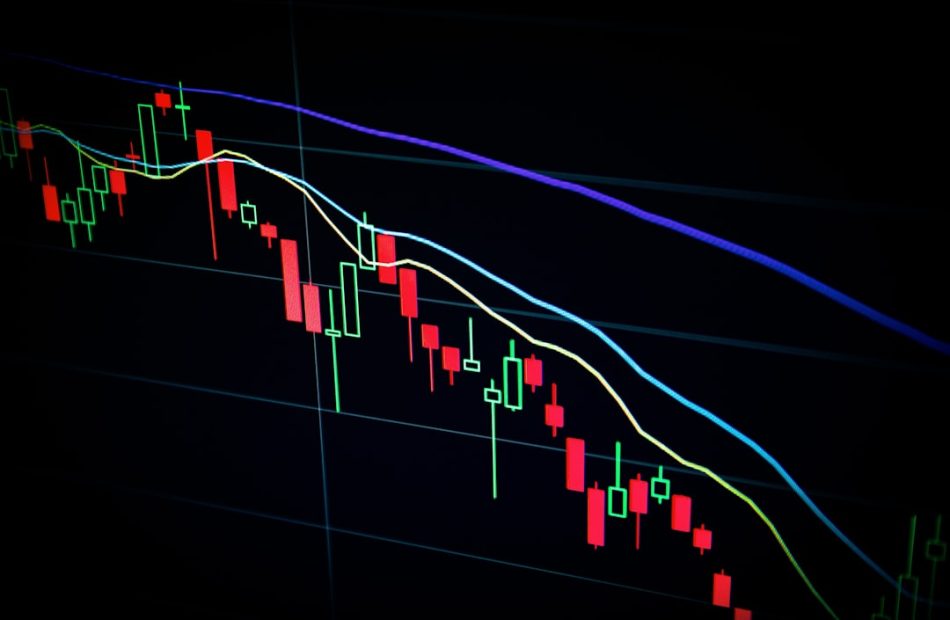
The Stochastic Dip-Buying Edge: Catch Bounces Before They Explode
Have you ever watched a coin dip hard, hesitated to buy, and then watched it rip 15% higher without you? That hesitation is normal—but it’s also costly. The Stochastic Oscillator, a classic momentum indicator, can give you the confidence to buy those scary dips with a clear, repeatable plan.
Let’s break down exactly how to use the Stochastic Oscillator for dip buying, even if you’re still new to reading charts.
How It Works
The Stochastic Oscillator compares a crypto’s closing price to its price range over a set period (usually 14 periods). It outputs two lines: %K (fast) and %D (slow signal line). The key levels are:
Looking for altcoin opportunities and smooth trading? Try KuCoin.
- Above 80: Overbought (potential pullback)
- Below 20: Oversold (potential bounce)
For dip buying, we focus on the oversold zone. When the Stochastic dips below 20, it suggests selling pressure has been extreme—and a reversal might be near.
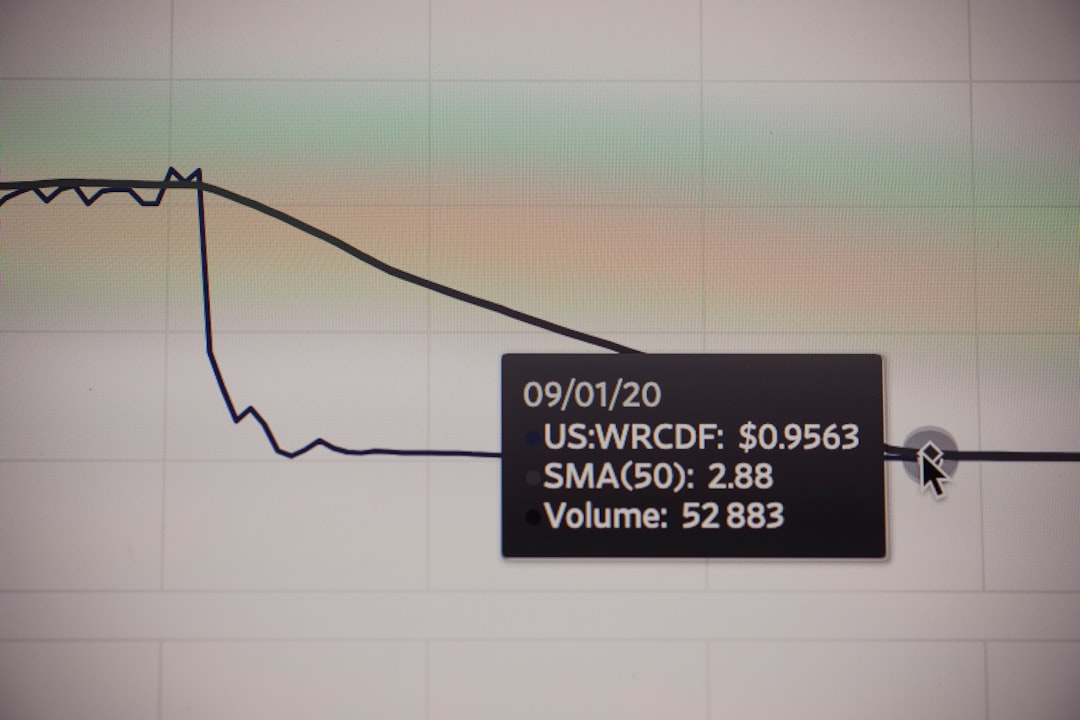
The Setup
Here’s a simple 3-step plan:
1. Identify a strong uptrend first. Don’t buy dips in a downtrend. Use a 50 or 200 EMA—price should be above it.
2. Wait for the Stochastic to cross back above 20. A dip below 20 is a warning. The actual buy signal is when %K crosses back above the 20 line (or above %D) from the oversold zone.
3. Enter on confirmation. Look for a bullish candlestick pattern (like a hammer or bullish engulfing) right after the cross. That’s your green light.
Pro tip: On the 1-hour or 4-hour timeframe, this setup works beautifully for catching intraday bounces. On daily charts, it’s great for swing trades.
Risk Management
No strategy is perfect. Here’s how to protect yourself:
- Stop loss: Place it just below the recent swing low (the lowest point of the dip). If the Stochastic fails, you’re out with a small loss.
- Take profit: A common target is the previous resistance level or the 80 overbought zone on the Stochastic. Aim for a 1.5:1 or 2:1 reward-to-risk ratio.
- Position size: Never risk more than 1-2% of your trading account on a single dip-buy trade.
Conclusion
The Stochastic Oscillator dip-buying strategy turns fear into a systematic edge. By waiting for the oversold cross in an uptrend, you’re buying when others are panicking—and selling when they’re greedy. Practice this on a demo chart first, then apply it with small size. Over time, it becomes one of the most reliable tools in your crypto trading toolbox.
Remember: patience is the real indicator. Wait for the setup, manage your risk, and let the probabilities work for you.