
Tokenized Real Estate: How to Invest with $50
Tokenized real estate is transforming the way everyday investors access property markets. By converting physical real estate into digital tokens on a blockchain, platforms now allow you to buy fractional ownership in commercial or residential properties for as little as $50. This guide explains the mechanics, risks, and opportunities of this emerging asset class within the Real World Assets (RWA) ecosystem.
What Is Tokenized Real Estate?
Tokenized real estate represents ownership of a property through blockchain-based tokens. Each token corresponds to a fraction of the underlying asset, enabling investors to hold a stake without needing to purchase an entire building. The key difference between off-chain and on-chain real estate is liquidity: traditional property sales can take months, while tokenized shares can be traded on secondary markets 24/7.
Off-chain real estate relies on paper deeds, title companies, and slow settlement. On-chain real estate uses smart contracts, oracles, and a Special Purpose Vehicle (SPV) to legally link the digital token to the physical property. This structure bridges TradFi and DeFi, offering transparency and programmability.
How It Works: The Technical Process
The tokenization process follows a clear legal and technical pipeline:
- SPV Creation: A Special Purpose Vehicle (usually an LLC or trust) is established to hold legal title to the property. This isolates the asset and protects token holders.
- Token Minting: The SPV issues a fixed number of tokens (e.g., 1,000,000 tokens) representing fractional ownership. Each token is a digital claim on the SPV’s equity.
- Oracle Integration: Real-world data (property valuations, rental income, occupancy rates) is fed onto the blockchain via oracles like Chainlink. This ensures on-chain accuracy.
- Smart Contract Management: Smart contracts automate rent distribution, voting on property decisions, and secondary trading. Investors receive yields (APY) directly to their wallets.
- Secondary Market: Tokens can be traded on decentralized exchanges (DEXs) or regulated security token exchanges, providing liquidity that traditional real estate lacks.
Investment Analysis: Pros, Cons, and Risks
Pros
- Low Entry Barrier: Start with $50 instead of $50,000.
- Liquidity: Trade tokens 24/7 on secondary markets.
- Diversification: Spread small amounts across multiple properties globally.
- Transparency: All transactions and ownership records are on-chain.
Cons
- Regulatory Uncertainty: Tokenized real estate may be classified as a security in many jurisdictions, requiring compliance with SEC or local laws.
- Smart Contract Risk: Bugs or exploits in the token contract could lead to loss of funds.
- Illiquidity Risk: While tokens are tradeable, thin order books can make it hard to exit quickly without a discount.
- Valuation Challenges: Property appraisals are infrequent, and oracle data may lag.
For a broader market view, check out our analysis on KYC vs No-KYC Exchanges: Privacy Guide 2026. Investors often compare this to Real World Assets (RWA): How Tokenization Changes Investing.
Tool Recommendation: Start on Binance
If you’re new to tokenized real estate, the safest way to begin is by practicing on a regulated exchange. Binance offers a secure environment to buy, sell, and hold tokenized assets. You can explore fractional real estate tokens and understand the mechanics without risking large sums. Create your Binance account here and start with a small deposit to test the process.
FAQ
Is tokenized real estate legal?
Yes, but it depends on jurisdiction. Most platforms use an SPV structure to comply with securities laws. Always verify that the platform is registered with relevant regulators (e.g., SEC in the US, FCA in the UK).
Can I lose my entire investment?
Yes. If the underlying property loses value, or if the smart contract is exploited, you could lose your capital. Tokenized real estate carries the same market risks as traditional property, plus additional technology risks.
How are rental yields distributed?
Rental income is collected by the SPV, then distributed to token holders via smart contracts. Distributions are typically made in stablecoins (e.g., USDC) or the native token of the platform, and can be claimed periodically (monthly or quarterly).
Conclusion
Tokenized real estate is a legitimate evolution in asset investing, offering fractional access, liquidity, and transparency that traditional property markets cannot match. However, it is not without risks—regulatory, technological, and market. For investors with $50, it provides a unique opportunity to diversify into real estate without the usual capital requirements. As the RWA sector matures, expect more institutional involvement and clearer regulation. Start small, use regulated platforms like Binance, and always conduct your own due diligence.
Using Etherscan: Tracking Whales and Verifying Transactions – The Ultimate Guide
Etherscan is the leading blockchain explorer for Ethereum, providing transparency into every transaction, wallet, and smart contract on the network. Whether you’re a novice investor or a seasoned trader, mastering Etherscan allows you to track whale movements, verify transactions, and make informed decisions. This guide covers everything you need to know to use Etherscan effectively.
Key Concepts
1. What is Etherscan?
Etherscan is a block explorer and analytics platform for Ethereum. It lets you search the blockchain for transactions, addresses, tokens, and smart contracts. Think of it as a public ledger where you can look up any activity on Ethereum.
2. Tracking Whales
Whales are entities holding large amounts of cryptocurrency. On Etherscan, you can identify whale wallets by looking at high-value transactions or using the ‘Top Accounts’ section. To track a whale:
- Go to the wallet address page.
- Click the ‘Token Holdings’ tab to see their portfolio.
- Use the ‘Transaction History’ to monitor their buys, sells, and transfers.
3. Verifying Transactions
To verify a transaction, enter its hash (TxHash) into the search bar. The page will show:
- Status (Success, Pending, or Failed)
- Block number and timestamp
- From and To addresses
- Value transferred (ETH or tokens)
- Transaction fee (gas used)
Always check the ‘Status’ field to confirm the transaction is finalized.
4. Reading Smart Contracts
Etherscan allows you to view verified smart contract source code. Navigate to the contract address, click the ‘Contract’ tab, and then ‘Read Contract’ or ‘Write Contract’ to interact with it or verify its logic.
Pro Tips
- Use Filters: On the token page, filter transactions by value (e.g., > $100k) to spot whale activity quickly.
- Set Alerts: Use Etherscan’s ‘Watch List’ feature to get email notifications when a specific address transacts.
- Check Internal Transactions: For complex DeFi interactions, look at ‘Internal Txns’ to see hidden transfers between contracts.
- Verify Token Approvals: Use the ‘Token Approvals’ section to check if a contract has permission to spend your tokens – crucial for security.
For more details on this, check out our guide on Risks of Investing in Real World Assets: A Candid Guide.
FAQ Section
Q: Is Etherscan free to use?
A: Yes, Etherscan is free for basic searches. Advanced features like API access or custom alerts may require a paid plan.
Q: How do I find a whale wallet on Etherscan?
A: Look for addresses with high token balances (e.g., top 100 holders) or use the ‘Token Transfers’ tab filtered by large amounts.
Q: Can I verify a transaction that is pending?
A: Yes, you can see pending transactions in the mempool. However, they are not confirmed until included in a block.
Q: What does ‘Out of Gas’ mean on Etherscan?
A: It means the transaction failed because the gas limit was too low to complete the operation. You need to resend with a higher gas limit.
Q: How do I check if a smart contract is safe?
A: Look for verified source code, check the contract’s audit reports (if any), and review its transaction history for suspicious activity.
You might also be interested in reading about Less Than 2% of DeFi Funds Are Insured as Hacks Surpass $7.7 Billion.
Conclusion
Etherscan is an indispensable tool for anyone involved in Ethereum. By learning to track whales and verify transactions, you gain a significant edge in the market – from spotting accumulation patterns to avoiding scams. Start exploring Etherscan today, and combine it with advanced charting tools like Bitget to maximize your insights. Remember: transparency is the foundation of trust in crypto.
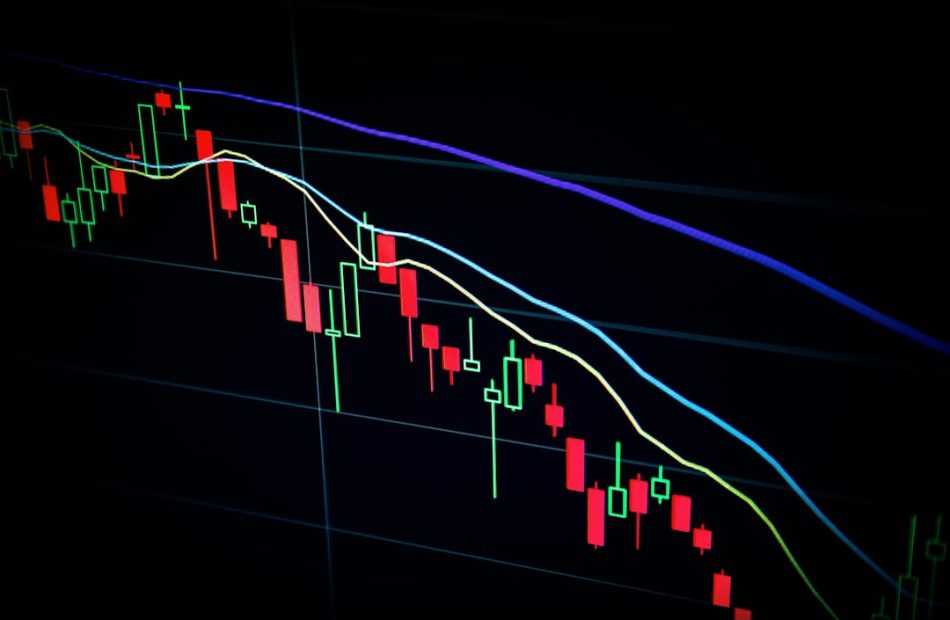
Mastering the MACD Histogram: A Simple Strategy for Clearer Trades
Ever looked at a chart and felt like the MACD line was teasing you? You’re not alone. The Moving Average Convergence Divergence (MACD) is one of the most popular momentum indicators, but its raw form can be noisy. That’s where the MACD Histogram comes in. This simple tweak strips away the noise and gives you a crystal-clear view of momentum shifts — perfect for catching trend continuations and early reversals.
How It Works
The MACD Histogram is actually the difference between the MACD line (the fast line) and the signal line (the slow line). When plotted as bars, it shows you whether momentum is accelerating or decelerating. Rising bars = growing momentum. Falling bars = fading momentum. The key? Watch for the histogram to turn up or down — not just cross zero.
Why This Matters
- Earlier signals than waiting for a full MACD crossover.
- Clearer divergence — price makes a higher high, but histogram makes a lower high? That’s a warning.
- Reduces false signals — you ignore small wiggles and focus on real momentum changes.
The Setup
1. Add MACD to your chart (default settings: 12, 26, 9 are fine).
2. Look for the histogram bars — they’ll appear as a separate oscillator below the price.
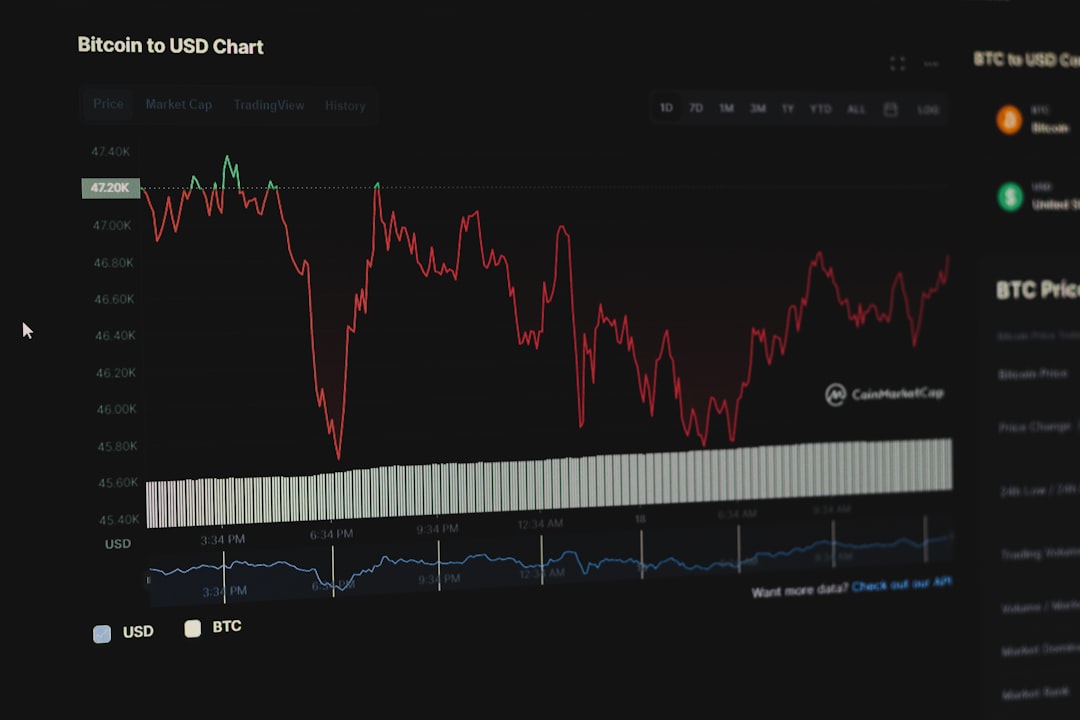
3. Identify the pattern:
- Bullish setup: Histogram stops making lower lows and prints a higher low (i.e., starts rising). Enter long when the first green bar appears after a series of red bars.
- Bearish setup: Histogram stops making higher highs and prints a lower high (i.e., starts falling). Enter short when the first red bar appears after a series of green bars.
4. Confirmation: Wait for the histogram to clearly change direction. Don’t jump in on a single bar — let two or three bars confirm the shift.
Pro Tip for Beginners
Combine this with a simple moving average (like the 20 EMA). Only take bullish setups when price is above the 20 EMA, and bearish setups when price is below it. This keeps you trading with the trend and boosts your win rate.
Risk Management
No strategy works without protecting your capital. Here’s how to manage risk with this setup:
- Stop Loss: Place your stop just below the most recent swing low (for longs) or above the most recent swing high (for shorts). If the histogram reverses against you, exit quickly.
- Position Size: Never risk more than 1-2% of your account on a single trade. Calculate your stop distance in pips or dollars first, then size accordingly.
- Take Profit: A common approach is to target the next key support/resistance level. Alternatively, trail your stop once the histogram starts to flatten or reverse.
- Avoid Overtrading: Wait for clear histogram direction changes. If the bars are flat or choppy, sit on your hands.
Final Thoughts
The MACD Histogram strategy is not a holy grail — nothing is. But it gives you a clean, objective way to measure momentum without second-guessing every candle. Practice on a demo account first. Get comfortable watching how the histogram behaves during trends and ranges. Over time, you’ll develop an intuitive feel for when momentum is about to shift.
Trade smart, stay disciplined, and let the histogram be your guide.
Cold Storage vs Hot Wallets: Which Should You Choose? A Complete Guide for 2025
When it comes to securing your cryptocurrency, one of the most fundamental decisions you’ll face is choosing between cold storage and hot wallets. Each method offers distinct trade-offs between security and convenience. In this comprehensive guide, we break down the key differences, pros and cons, and help you decide which solution fits your needs.
Key Concepts
What is a Hot Wallet?
A hot wallet is a cryptocurrency wallet that is connected to the internet. Examples include mobile apps, browser extensions, and exchange wallets. Hot wallets are convenient for frequent transactions, but they are more vulnerable to hacks, malware, and phishing attacks.
What is Cold Storage?
Cold storage refers to keeping your private keys completely offline. This includes hardware wallets (like Ledger or Trezor), paper wallets, and even offline computers. Cold storage offers the highest level of security because your keys are never exposed to the internet, making them immune to online attacks.
Key Differences at a Glance
- Security: Cold storage wins hands down for long-term holdings.
- Convenience: Hot wallets are better for daily spending and trading.
- Cost: Hot wallets are usually free; cold storage requires purchasing a hardware device.
- Recovery: Both can be recovered with seed phrases, but cold storage requires physical access.
Pro Tips
- Use a hybrid approach: Keep a small amount in a hot wallet for daily use, and store the majority of your funds in cold storage.
- Never share your seed phrase: Write it down on paper and store it in a safe place. Never enter it into any website or app.
- Enable two-factor authentication (2FA): For hot wallets and exchange accounts, always use 2FA for an extra layer of security.
- Test your setup: Before moving large amounts, send a small test transaction to ensure everything works correctly.
FAQ Section
1. Is a hardware wallet worth the investment?
Yes, if you hold more than a few hundred dollars in crypto, a hardware wallet is a worthwhile investment. It protects your funds from online threats and gives you full control over your private keys.
2. Can I use both hot and cold wallets together?
Absolutely. Many users keep a small balance in a hot wallet for everyday transactions and store the bulk of their savings in cold storage. This is considered a best practice.
3. What happens if I lose my hardware wallet?
If you have your seed phrase (recovery phrase) safely backed up, you can restore your funds on a new hardware wallet or compatible software wallet. The seed phrase is the master key to your crypto.
4. Are exchange wallets considered hot wallets?
Yes, exchange wallets are hot wallets because they are connected to the internet. While convenient for trading, they are not recommended for long-term storage due to exchange hacks and withdrawal limits.
5. Which is better for beginners?
For beginners, starting with a reputable hot wallet (like Trust Wallet or MetaMask) is fine for small amounts. As your portfolio grows, transition to a hardware wallet for enhanced security.
Conclusion
Choosing between cold storage and hot wallets ultimately depends on your personal needs. If you prioritize security and plan to hold for the long term, cold storage is the clear winner. If you need quick access for trading or spending, a hot wallet is more practical. For most users, a combination of both provides the best balance. Remember to always back up your seed phrases and stay vigilant against scams.
For more details on this, check out our guide on Bitcoin Price Drop Explained: What the $1,500 Sell-Off Means for Traders.
You might also be interested in reading about Onchain Privacy and Accountability: How They Can Coexist, Explained.
Bitcoin ETF Outflows Hit $1.26B, Santiment Issues Buy Signal
May 22, 2026 — US spot Bitcoin ETFs recorded net outflows for six consecutive trading sessions from May 15 through May 22, totaling $1.26 billion across 11 funds. Analytics firm Santiment is calling the sustained outflow streak a contrarian accumulation signal rather than a warning sign for the market.
Immediate Details & Direct Quotes
Want to trade this news? Bitget offers professional charting tools and deep liquidity.
Data from Farside shows the 11 US-listed spot Bitcoin ETFs experienced net outflows in each session between May 15 and May 22, amounting to $1.26 billion in total redemptions. Fidelity’s Wise Origin Bitcoin Fund led individual outflows during the period, while BlackRock’s IBIT also saw withdrawals on multiple trading days.
“Sustained ETF outflows have historically correlated with conditions favorable for patient accumulation rather than panic,” Santiment said in a published report.
The analytics firm argued that ETF flows disproportionately reflect retail investor sentiment rather than institutional positioning. Santiment described the current outflow streak as resembling a healthy market reset, following Bitcoin’s failure to hold the $80,000 price level.
Santiment noted that retail investors grew less patient after Bitcoin’s inability to sustain its May high of $79,052, reached on May 16. Bitcoin was trading at $75,410 when Santiment published its analysis.
Market Context & Reaction
Bitcoin’s price has declined from its May 16 peak of $79,052 to $75,410 at the time of Santiment’s report. This represents a drop of approximately 4.6% during the outflow period.
ETF analyst James Seyffart observed that Bitcoin ETFs have recovered most of the $9 billion in outflows recorded between October 2025 and February 2026. Crypto.news reported that the first May outflow event reversed the early-month inflow trend seen earlier this year.
Morgan Stanley’s MSBT ETF attracted positive flows on certain days during the streak, showing that not all funds experienced uniform redemptions.
Santiment’s analysis rests on a historical pattern where Bitcoin’s strongest rallies have followed periods of heavy ETF withdrawals. The firm views large outflows as a counter-signal because ETFs disproportionately reflect retail conviction rather than smart money positioning.
Background & Historical Context
Crypto.news previously tracked Bitcoin ETFs ending Q1 2026 with net outflows of approximately $500 million. The current six-session streak continues a broader 2026 pattern of intermittent redemptions.
The outflow streak follows Bitcoin’s failure to maintain the $80,000 level, which triggered retail selling. Santiment’s contrarian framework suggests these conditions historically precede accumulation opportunities.
However, Santiment’s bullish interpretation carries caveats. If Bitcoin breaks below $74,000, the outflow streak would need reassessment as a valid buy signal, the firm acknowledged.
The $1.26 billion in outflows over six sessions represents one of the most sustained withdrawal periods this year, according to Farside data cited by Crypto.news.
What This Means
In the short term, Bitcoin’s price direction depends on whether it can hold support above $74,000. A break below this level would challenge Santiment’s buy signal assessment.
Traders should monitor whether the outflow streak stabilizes or accelerates in the coming sessions. Historically, accumulation signals from Santiment have correlated with subsequent price recoveries, but past performance does not guarantee future results.
The broader 2026 pattern of intermittent ETF redemptions suggests institutional interest remains cautious despite retail sentiment swings. Investors should conduct their own research before making trading decisions based on outflow data.
—
Art & Collectibles: Fractional Ownership via Tokenization
Art and collectibles have long been the domain of the ultra-wealthy, with masterpieces by Picasso or rare vintage cars trading hands at auction houses for millions. But tokenization is changing that. By converting physical or digital assets into blockchain-based tokens, investors can now buy a fraction of a high-value painting, a rare comic book, or a classic Ferrari. This guide explains how fractional ownership works, the risks and rewards, and how you can get started.
What Is Fractional Ownership of Art and Collectibles?
Fractional ownership means dividing an asset into smaller, tradable shares. In the traditional world, this is common for real estate (timeshares) or aircraft (fractional jet ownership). For art and collectibles, tokenization takes this concept on-chain. Each token represents a proportional claim on the underlying asset, allowing multiple investors to co-own a single piece.
Off-Chain vs. On-Chain
Off-chain: The physical artwork or collectible is stored in a secure vault or gallery. A legal entity (often a Special Purpose Vehicle or SPV) holds the title. Investors receive traditional shares or contracts, which are illiquid and difficult to trade.
On-chain: The SPV issues digital tokens on a blockchain (e.g., Ethereum or Polygon). These tokens are programmable, divisible, and can be traded 24/7 on secondary markets. The physical asset remains off-chain, but ownership rights are recorded and transferred on-chain.
How It Works: The Technical Process
The journey from a physical painting to a tradable token involves several steps:
- Asset Selection & Valuation: An expert appraises the artwork or collectible. Reports from firms like Deloitte or data from RWA.xyz show that high-value assets (e.g., Banksy prints, rare watches) are most commonly tokenized.
- Legal Structuring (SPV): A Special Purpose Vehicle is created to hold legal title to the asset. This SPV issues tokens that represent beneficial ownership. This structure ensures that if the SPV goes bankrupt, the asset is protected.
- Tokenization & Smart Contract: The SPV mints a fixed number of tokens (e.g., 10,000 tokens for a $1M painting, each worth $100). A smart contract governs token transfers, dividend distributions (if the asset generates income), and voting rights.
- Oracle Integration: Oracles (like Chainlink) provide real-world data to the blockchain, such as the latest appraisal value or insurance status. This ensures transparency and trust.
- Secondary Market Listing: Tokens are listed on regulated or decentralized exchanges, enabling liquidity. Investors can buy or sell fractions at any time.
Investment Analysis: Pros, Cons, and Risks
Fractional ownership democratizes access to alternative assets, but it is not without pitfalls.
Pros
- Low Barrier to Entry: Invest in a Picasso for as little as $50.
- Liquidity: Trade tokens 24/7, unlike traditional art which can take months to sell.
- Diversification: Build a portfolio of multiple high-value assets without tying up millions.
- Transparency: Blockchain records every transaction, and appraisals are often public.
Cons
- Illiquid Underlying Asset: The physical asset may be hard to sell if the SPV dissolves.
- Management Fees: Storage, insurance, and SPV administration fees eat into returns.
- Market Volatility: Token prices can deviate from the asset’s appraised value due to speculation.
Risks
- Regulatory Uncertainty: Securities laws vary by jurisdiction. The SEC may classify tokens as securities, requiring registration. Always consult a legal expert.
- Smart Contract Risk: Bugs or exploits in the token contract could lead to loss of funds. Audits by firms like CertiK or Trail of Bits are essential.
- Counterparty Risk: The SPV operator or custodian could act fraudulently. Look for platforms with insurance and third-party audits.
For a broader market view, check out our analysis on The Ultimate Airdrop Farming Playbook: How to Catch Free Crypto Tokens. Investors often compare this to How to Spot a Honey Pot Scam: Safety Guide for Crypto Investors.
Tool Recommendation: Where to Start
If you are new to fractional ownership, you can practice this setup safely on Binance. Binance offers a dedicated platform for tokenized assets, including art and collectibles, with robust security and regulatory compliance. Start with small amounts to understand the mechanics before committing larger capital. Create your Binance account here.
Frequently Asked Questions
What happens if the physical artwork is damaged or stolen?
Reputable platforms require the SPV to hold comprehensive insurance covering the full appraised value. If the asset is damaged, the insurance payout is distributed to token holders proportionally. Always verify the insurance policy before investing.
Can I redeem my tokens for the physical asset?
Usually, no. Tokenization is designed for fractional trading, not physical redemption. However, some platforms allow a majority of token holders to vote to sell the asset and distribute proceeds. In rare cases, a single holder can buy out all tokens to claim the physical item.
Are these tokens considered securities?
In many jurisdictions, yes. If the token represents an investment in a common enterprise with an expectation of profit from the efforts of others, it likely meets the Howey Test. Platforms often register tokens as securities or operate under exemptions. Always check the legal status in your country.
Conclusion
Fractional ownership of art and collectibles via tokenization is a powerful innovation that bridges the gap between Traditional Finance and DeFi. It offers unprecedented access, liquidity, and transparency, but carries regulatory, smart contract, and counterparty risks. As the market matures—with increasing involvement from institutions like BlackRock and improved legal frameworks—this asset class could become a staple in diversified portfolios. Start small, do your due diligence, and use trusted platforms like Binance to explore this exciting frontier.
How to Bridge Assets Across Blockchains Safely: A Step-by-Step Guide for 2025
Introduction
Bridging assets across blockchains is a fundamental skill in the decentralized finance (DeFi) ecosystem. Whether you’re moving ETH from Ethereum to Arbitrum, or transferring stablecoins between Solana and Polygon, cross-chain bridges enable interoperability. However, bridges are also prime targets for hacks and user errors. This guide will walk you through the safest methods to bridge assets, common pitfalls, and best practices to protect your funds.
Key Concepts
- Cross-Chain Bridge: A protocol that locks assets on one blockchain and mints equivalent tokens on another, enabling asset transfer between networks.
- Wrapped Tokens: Tokens representing an asset from another chain (e.g., wBTC on Ethereum). They are pegged 1:1 to the original asset.
- Liquidity Pool: A pool of tokens on both sides of a bridge that facilitates swaps without needing a centralized order book.
- Validator/Relayer: Nodes that verify transactions on the source chain and relay them to the destination chain.
- Finality: The point at which a transaction is irreversible. Different chains have different finality times.
Pro Tips
- Always use official bridge interfaces. Double-check the URL and avoid clicking on ads or links from unknown sources.
- Start with a small test transaction. Send a tiny amount first to confirm the bridge works and you have the correct destination address.
- Check bridge liquidity. If a bridge has low liquidity, your transaction may fail or incur high slippage.
- Monitor gas fees. Bridging involves gas on both the source and destination chains. High gas on Ethereum can make bridging expensive.
- Use bridges with proven security audits. Look for bridges audited by top firms like Trail of Bits, OpenZeppelin, or Certik.
- Beware of fake tokens. After bridging, verify you received the correct token contract address on the destination chain.
FAQ Section
What is the safest way to bridge assets?
The safest way is to use a well-audited, decentralized bridge with a long track record. Always verify the destination address and start with a small test transaction. Avoid bridges that require you to share your private keys or seed phrase.
How long does a cross-chain bridge transaction take?
It depends on the chains involved. Ethereum to Arbitrum can take 10-15 minutes, while Solana to Polygon might take 1-5 minutes. Some bridges offer faster transfers using liquidity pools.
Can I lose my funds when bridging?
Yes, risks include bridge hacks, smart contract bugs, sending to the wrong address, or network congestion. Always use reputable bridges and double-check every step.
Do I need to pay gas fees on both chains?
Yes, you typically pay gas on the source chain to initiate the transfer and on the destination chain to claim the tokens. Some bridges include destination gas in the fee.
What should I do if my bridge transaction is stuck?
First, check the bridge’s status page or explorer. If the transaction is pending for too long, you may need to increase gas or contact the bridge’s support team. Never resend funds without checking first.
For more details on this, check out our guide on Etherscan Guide: Track Whales & Verify Transactions.
You might also be interested in reading about ADI Foundation and Settlemint Launch ADGM Tokenization Rail for $30.9B RWAs.
Conclusion
Bridging assets across blockchains is a powerful tool for accessing DeFi opportunities, but it comes with risks. By understanding how bridges work, following security best practices, and using reputable platforms, you can minimize those risks. Always stay informed about the latest bridge exploits and updates. Start small, verify everything, and never invest more than you can afford to lose.
Bitcoin Slides as Coinbase Premium Index Hits Monthly Low
May 23, 2026 — Bitcoin has dropped to $74,500 after the Coinbase Bitcoin Premium Index fell to -0.085%, its lowest level in over a month, signaling reduced institutional accumulation on the U.S.-based exchange. The negative reading indicates Bitcoin is trading cheaper on Coinbase than on Binance, suggesting professional investors are pulling back amid growing macroeconomic uncertainty.
Immediate Details & Direct Quotes
Low fees are crucial when trading breaking news. We recommend MEXC for tight spreads and fast execution.
The Coinbase Bitcoin Premium Index, which measures the price difference between Bitcoin on Coinbase (primarily used by U.S. institutional investors) and Binance (the largest global retail exchange), declined to -0.085% on May 22, according to Coinglass data. A positive premium signals aggressive institutional buying, while a negative and declining reading indicates the opposite—U.S. professional money is retreating with sellers outpacing buyers on Coinbase’s institutional-grade platform.
Nick Ruck, research director at LVRG, offered insight into the trend, stating the decline could indicate “institutional profit-taking and repositioning.” Ruck added that such a shift “could weigh on near-term price momentum across major crypto assets.”
The macro uncertainty appears centered on Federal Reserve Chair Kevin Warsh, who was sworn into office this week. Warsh struck a notably hawkish tone in early remarks, with markets now pricing in the possibility of rate hikes in 2026 rather than the previously anticipated cuts.
Market Context & Reaction
Bitcoin is currently trading at $74,500, down over 4% for the week and approximately 38% below its all-time high. The selling pressure extends beyond the Coinbase premium index, with U.S. spot Bitcoin ETFs experiencing six consecutive days of net outflows totaling over $1.26 billion. BlackRock’s iShares Bitcoin Trust has led this withdrawal trend.
The market saw $209 million in long liquidations in a single session yesterday, further compounding bearish sentiment. The Crypto Fear and Greed Index currently reads 28, indicating “Fear” among market participants—a drop from last week’s reading of 39.
The index data reinforces a broader pattern of institutional withdrawal visible across multiple metrics simultaneously, as macro uncertainty pushes institutions toward hedging strategies while awaiting greater clarity on the economic outlook.
Background & Historical Context
The Coinbase Bitcoin Premium Index has been declining for months, suggesting a sustained reduction in institutional accumulation. Historically, extended negative readings on the index have preceded either deeper corrections or marked the final leg of a shakeout before institutional buyers return at lower price levels.
The current macro uncertainty stems primarily from the Federal Reserve’s shifting policy stance under newly sworn Chair Kevin Warsh. His hawkish tone marks a significant departure from previous expectations of rate cuts, creating headwinds for risk assets including cryptocurrencies.
Whether the current setup resolves with continuation lower or stabilization depends heavily on macro signals, particularly any guidance from the Fed on the rate path.
What This Means
In the short term, Bitcoin faces continued pressure as institutional selling intensifies and ETF outflows persist. The $74,500 level could serve as a critical support test, with potential for further downside if macro conditions deteriorate.
For traders, monitoring the Coinbase Bitcoin Premium Index for signs of a reversal could signal renewed institutional interest. A return to positive territory would indicate professional buyers are stepping back in.
Long-term implications hinge on Federal Reserve policy direction. Any dovish signals from Chair Warsh could trigger a rapid shift in institutional sentiment, potentially marking the bottom of the current correction.
Disclaimer: This article is for informational purposes only and does not constitute financial advice. Always conduct your own research before making investment decisions.

The Bollinger Band Squeeze: How to Catch the Next Big Move Before It Happens
Imagine watching a market that’s gone completely quiet—price barely moving, candles looking like a flat line. Most traders scroll past, bored. But you? You know this is exactly where the biggest opportunities hide. That stillness is the calm before the storm, and the Bollinger Band Squeeze is your early warning system.
This strategy helps you spot when volatility is about to explode, so you can position yourself before the breakout. It’s simple, reliable, and perfect for traders who want to stop chasing moves and start anticipating them.
How It Works
Bollinger Bands consist of a middle line (a simple moving average) and two outer bands that expand and contract based on volatility. When the bands are wide, volatility is high. When they narrow—squeezing together—volatility is low.
Looking for altcoin opportunities and smooth trading? Try KuCoin.
The squeeze itself is a contraction. It tells you the market is coiling up energy. History shows that after a squeeze, price often breaks out with strong momentum, either up or down. Your job is to wait for the breakout and ride the wave.
The Setup
Here’s the step-by-step process to trade a Bollinger Band Squeeze:
1. Identify the squeeze: Look for Bollinger Bands that have been narrowing for at least 10–15 candles. The bands should be almost parallel and very close together.

2. Wait for a catalyst: A squeeze alone isn’t a signal. You need a clear breakout—a candle that closes outside the upper or lower band.
3. Confirm with volume: Ideally, the breakout candle has higher volume than recent candles. This shows real conviction.
4. Enter the trade: If price closes above the upper band with volume, go long. If it closes below the lower band with volume, go short.
5. Set your stop: Place your stop just inside the opposite band or below the recent swing low/high (depending on direction).
6. Take profit: Aim for a move equal to the height of the squeeze zone. Or use a trailing stop once price moves 1–2 times the band width.
Risk Management
No strategy is perfect. Squeeze breakouts can fail—price can break out and immediately reverse (a fakeout). Protect yourself:
- Never risk more than 1–2% of your account on a single trade.
- Use a tight stop right below the breakout candle or the squeeze zone.
- Wait for a retest: Some traders wait for price to pull back to the band after the breakout, then enter for a better entry.
- Avoid trading squeezes on low timeframes (like 1-minute) unless you’re scalping—they’re noisier.
Conclusion
The Bollinger Band Squeeze turns quiet markets into your playground. Instead of getting bored when volatility dries up, you get excited. You know a big move is coming. Practice this on a demo account first—watch how price behaves after squeezes on different timeframes. Over time, you’ll develop an intuition for which breakouts have legs.
Remember: patience is your edge. Wait for the squeeze, confirm the breakout, and manage your risk. That’s how you catch the next big move before the crowd.
Using Etherscan: Tracking Whales and Verifying Transactions
Introduction
Etherscan is the leading blockchain explorer for Ethereum, providing transparency into every transaction, smart contract, and wallet address on the network. For traders and investors, mastering Etherscan is essential for tracking whale movements, verifying transaction details, and making informed decisions. This guide will walk you through the key concepts, pro tips, and tools to leverage Etherscan effectively.
Key Concepts
- Transaction Hash (TxHash): A unique identifier for each transaction. Use it to look up details like sender, receiver, amount, gas fees, and block confirmation.
- Wallet Address: A public key (e.g., 0x123…abc) that can be searched to view all incoming/outgoing transactions, token balances, and contract interactions.
- Whale Tracking: Identify large holders by monitoring addresses with high ETH or token balances. Use Etherscan’s “Token Holder” tab or third-party tools like Whale Alert.
- Gas Tracker: View current gas prices (Low, Average, High) to estimate transaction fees and prioritize confirmations.
- Contract Verification: Check if a smart contract’s source code is verified on Etherscan, reducing the risk of interacting with malicious contracts.
- Internal Transactions: Transactions that occur within a contract (e.g., token swaps). These are not visible on the main transaction list but can be viewed under the “Internal Txns” tab.
Pro Tips
- Set Up Alerts: Use Etherscan’s “Watch List” feature to monitor specific addresses and receive email notifications for incoming/outgoing transactions.
- Filter by Token: When tracking whales, use the “Token Transfers” tab to filter by specific tokens (e.g., USDC, UNI) and identify large movements.
- Analyze Gas Patterns: Whales often use high gas fees to prioritize transactions. Monitor gas spikes to detect potential large buys or sells.
- Check Contract Interactions: Before interacting with a DeFi protocol, verify the contract address on Etherscan and read the source code for any suspicious functions.
- Use the Advanced Search: Filter transactions by block range, value, or token type to narrow down whale activity.
FAQ Section
1. How do I track a whale on Etherscan?
Search for the whale’s wallet address, then click the “Token Transfers” tab to view all token movements. You can also add the address to your Watch List for real-time alerts.
2. Can I verify if a transaction is confirmed?
Yes. Look at the “Status” field on the transaction page. “Success” means confirmed, while “Pending” or “Fail” indicates issues.
3. What is a verified contract?
A verified contract has its source code published on Etherscan, allowing anyone to review it for security and functionality. Look for a green checkmark next to the contract address.
4. How do I check gas fees before a transaction?
Use the Etherscan Gas Tracker (gas.etherscan.io) to see current gas prices and estimate fees based on transaction complexity.
5. Is Etherscan free to use?
Yes, Etherscan is free for basic searches. Advanced features like API access and custom alerts may require a paid plan.
Conclusion
Etherscan is a powerful tool for anyone involved in the Ethereum ecosystem. By understanding how to track whales, verify transactions, and analyze on-chain data, you can gain a significant edge in your trading and investment decisions. Start exploring Etherscan today to uncover market insights and protect your assets.
For more details on this, check out our guide on Mastering Supply and Demand Zones: The Trader’s Guide to High-Probability Entries.
You might also be interested in reading about Ethereum vs Solana Ratio Trading: The Blueprint for Altcoin Pair Profits.