
Carbon Credits Tokenization: Fixing a Broken Market
Carbon credits have long been a cornerstone of global climate finance, yet the market suffers from opacity, double counting, and illiquidity. Tokenization—the process of representing real-world assets (RWAs) on a blockchain—is emerging as a powerful solution. By bridging the gap between off-chain carbon projects and on-chain transparency, tokenized carbon credits promise verifiable provenance, fractional ownership, and 24/7 liquidity. This guide explores how this transformation works, its investment potential, and the risks involved.
What Are Carbon Credits? Off-Chain vs On-Chain
A carbon credit represents the removal or avoidance of one metric ton of carbon dioxide equivalent (CO₂e). Off-chain, these credits are issued by registries like Verra or Gold Standard, tracked in centralized databases, and traded bilaterally or through brokers. The system is plagued by inefficiencies: verification delays, lack of price transparency, and risk of double counting.
On-chain tokenization solves these issues by minting a digital token (often an ERC-20 or similar standard) that is backed 1:1 by a verified carbon credit held in a Special Purpose Vehicle (SPV) or custodian. Oracles relay real-time data from registries to the blockchain, ensuring that each token is unique, retired upon use, and traceable from issuance to offset. This creates a transparent, immutable ledger that regulators and investors can trust.
How Tokenization Works: The Technical Process
The process involves four key steps:
- Tokenization & SPV: A project developer (e.g., a reforestation fund) transfers verified carbon credits to a legally compliant SPV. The SPV issues tokens representing fractional ownership of the underlying credits.
- Oracle Integration: Decentralized oracles (like Chainlink) feed data from carbon registries—such as issuance, retirement, and vintage—onto the blockchain. This ensures the on-chain token reflects the off-chain reality.
- Blockchain Issuance: Tokens are minted on a public blockchain (e.g., Ethereum, Polygon) and listed on decentralized exchanges (DEXs) or RWA-focused platforms. Smart contracts govern ownership, transfer, and retirement.
- Liquidity & Trading: Investors can buy, sell, or retire tokens 24/7. Fractional ownership lowers the barrier to entry, allowing retail participation alongside institutional players.
Investment Analysis: Pros, Cons, and Risks
Pros
- Transparency: Every token’s history is on-chain, reducing fraud and double counting.
- Liquidity: 24/7 trading on global exchanges, unlike traditional OTC markets.
- Fractional Ownership: Investors can buy a fraction of a credit, lowering minimum investment sizes.
- Programmability: Smart contracts automate retirement and compliance, cutting administrative costs.
Cons
- Regulatory Uncertainty: Jurisdictions differ on whether tokenized credits are securities, commodities, or something else.
- Smart Contract Risk: Bugs or exploits in token contracts could lead to loss of funds.
- Market Volatility: Prices can swing based on policy changes or project performance.
Key Risks
- Regulation: The SEC and ESMA are scrutinizing RWA tokens. Compliance with KYC/AML is mandatory for most platforms.
- Counterparty Risk: The SPV or custodian holding the off-chain credits must be trusted and audited.
- Oracle Manipulation: If oracle data is compromised, token prices may not reflect real-world value.
For a broader market view, check out our analysis on Top RWA Projects to Watch in 2026: Tokenized Real-World Assets.
Investors often compare this to Security Tokens vs Utility Tokens: The Complete RWA Guide.
Tool Recommendation
If you’re ready to explore tokenized carbon credits, you need a reliable exchange with robust RWA support. Binance offers a secure environment to trade tokenized assets, including carbon credits, with deep liquidity and regulatory compliance. You can practice this setup safely on Binance. Create your account here.
FAQ
Question: Are tokenized carbon credits legal?
Answer: Yes, but legality depends on jurisdiction. In the EU and US, tokenized credits are often treated as digital securities, requiring registration or exemptions. Always consult a legal expert before investing.
Question: How do I retire a tokenized carbon credit?
Answer: Most platforms allow you to send tokens to a ‘retirement’ smart contract address. The contract permanently removes the token from circulation and issues a certificate of retirement, which is recorded on-chain.
Question: What is the typical yield on tokenized carbon credits?
Answer: Yields vary widely. Some projects offer APY from staking or carbon credit appreciation (e.g., 5–15% annually), but this is not guaranteed. Always review the project’s whitepaper and historical data.
Conclusion
Tokenization is not a cure-all, but it addresses the carbon credit market’s most critical flaws: opacity, illiquidity, and trust. By combining blockchain transparency with real-world verification, tokenized carbon credits offer a compelling investment vehicle for both institutional and retail investors. However, regulatory and smart contract risks remain. For those willing to navigate these challenges, the potential for both financial return and environmental impact is significant. Start small, do your due diligence, and consider using a trusted platform like Binance to begin.
How to Participate in Governance Proposals (DAOs): A Complete Guide for Crypto Voters
Introduction
Decentralized Autonomous Organizations (DAOs) are reshaping how communities make decisions in the crypto space. By holding governance tokens, you gain the power to vote on proposals that determine a protocol’s future — from fee structures and treasury allocations to protocol upgrades. This guide walks you through everything you need to know to participate effectively in DAO governance, from acquiring tokens to casting informed votes.
Key Concepts
- Governance Tokens: Tokens (e.g., UNI, COMP, MKR) that grant voting rights. The more you hold, the more voting power you typically have.
- Proposals: Formal suggestions for changes, often submitted via on-chain or off-chain platforms like Snapshot or Tally.
- Voting Mechanisms: Common methods include token-weighted voting, quadratic voting, and delegation.
- Quorum: The minimum number of votes required for a proposal to pass.
- Delegation: Assigning your voting power to a trusted representative if you lack time or expertise.
Pro Tips
- Do Your Research: Read proposal discussions on forums like Discourse or Discord before voting. Understand the trade-offs.
- Use Delegation Wisely: If you can’t stay informed, delegate to active community members with a track record of thoughtful voting.
- Watch for Gas Costs: On-chain voting can be expensive. Use off-chain platforms (like Snapshot) for gas-free voting when available.
- Stay Updated: Follow official DAO channels and governance calendars to never miss a critical vote.
For more details on this, check out our guide on Tangem Wallet Laser Attack Explained: What It Means for Your Crypto Security.
You might also be interested in reading about The MACD Histogram Strategy: How to Spot Momentum Shifts Like a Pro.
FAQ Section
What do I need to vote in a DAO?
You typically need a wallet (e.g., MetaMask) connected to the relevant blockchain and governance tokens in that wallet. Some DAOs also require you to stake or lock tokens for voting power.
Can I vote without holding tokens?
Some DAOs allow delegation — you can receive voting power from token holders without holding tokens yourself. Others require direct token ownership.
What happens if a proposal passes?
If quorum is met and the majority votes in favor, the proposal is executed. This could mean code changes, fund transfers, or other on-chain actions, depending on the DAO’s smart contract design.
Is voting free?
On-chain voting requires gas fees. Off-chain voting (e.g., Snapshot) is free but still requires a signature. Always check the platform to avoid unexpected costs.
Conclusion
Participating in DAO governance is a powerful way to shape the future of the protocols you believe in. By understanding the key concepts, staying informed, and using tools like delegation wisely, you can make your voice heard without spending all day monitoring forums. Start small, pick one or two DAOs you care about, and gradually expand your participation. The decentralized future is built one vote at a time.

Airdrop Farming: The Ultimate Strategy for Free Tokens
Airdrop farming is one of the most exciting ways to earn free tokens in crypto—but it’s not just about luck. With a solid strategy, you can consistently qualify for high-value airdrops without wasting time or gas fees. Let’s dive into the best strategies for beginners and intermediate traders.
How It Works
Airdrops are free token distributions by blockchain projects to promote adoption and reward early users. To qualify, you typically need to interact with a project’s smart contract—like swapping tokens, providing liquidity, or bridging assets. Farming means actively performing these actions across multiple projects to maximize your chances.
The Setup
1. Research the best candidates – Look for projects that haven’t launched a token yet but have confirmed airdrop plans. Check forums, Twitter, and sites like Dune Analytics. Focus on Layer 2s, new DEXs, or NFT platforms.
Looking for altcoin opportunities and smooth trading? Try KuCoin.
2. Prepare multiple wallets – Use 3–5 wallets to farm different projects. This spreads risk and increases your odds. Never reuse the same wallet for everything.

3. Fund with small amounts – Start with $50–$200 per wallet. You only need enough for transaction fees and minimal interactions (e.g., $10 of ETH for swaps).
4. Perform “qualifying actions” – Each project has specific criteria. Common tasks: swap tokens, add liquidity, bridge assets, mint NFTs, or stake. Do these regularly over weeks or months.
5. Track your progress – Use a spreadsheet to log wallet addresses, actions taken, gas spent, and deadlines. This helps you avoid missing cutoff dates.
Risk Management
Airdrop farming isn’t risk-free. Here’s how to stay safe:
- Never interact with untrusted contracts – Only use official links from verified project websites. Scammers create fake airdrop sites.
- Protect your private keys – Use a hardware wallet or a separate browser for farming. Never share seed phrases.
- Set a budget for gas fees – On Ethereum, gas can spike. Limit your spending to 10–20% of your total farming budget.
- Diversify across chains – Farm on Ethereum, Arbitrum, Optimism, and Polygon to reduce chain-specific risks.
- Ignore “gas wars” – Don’t rush into high-gas transactions. Wait for calm periods or use Layer 2s.
Conclusion
Airdrop farming is a powerful way to grow your portfolio without direct investment. By researching projects, performing consistent actions, and managing risk, you can turn small capital into significant rewards. Start with one or two promising projects, track everything, and stay patient. Happy farming!
BIP-110 Explained: A Beginner’s Guide to Bitcoin’s Anti-Spam Fork Debate
Is Bitcoin’s plan to block “spam” transactions actually more dangerous than the problem it’s trying to solve? That’s the core question dividing the Bitcoin community as BIP-110—a controversial anti-spam fork—nears activation. Michael Saylor, executive chairman of Strategy (the largest corporate Bitcoin holder), fired back at the proposal, warning it sets a “dangerous precedent.” He argued there are “110 things more dangerous to Bitcoin than spam.” For everyday crypto users, this debate is about more than just technical rules—it’s about the fundamental philosophy of what Bitcoin should be. This guide breaks down what BIP-110 actually proposes, why industry leaders are split, and what it means for your Bitcoin transactions and fees.
Read time: 10-12 minutes
Understanding Bitcoin Improvement Proposals (BIPs) for Beginners
A Bitcoin Improvement Proposal (BIP) is a formal design document that proposes new features, processes, or changes to the Bitcoin network. Think of it like a suggestion box for the entire Bitcoin community. Anyone can submit a BIP, but for it to become active, miners (who process transactions) and node operators (who validate blocks) must reach consensus and adopt the new rules.
Simple Definition: A BIP is a standardized way for developers, miners, and the community to propose and debate upgrades to Bitcoin’s code.
Why was this created? Bitcoin is decentralized—there’s no CEO or central authority to make decisions. The BIP process creates a structured, transparent way for thousands of independent participants to agree on changes. Without it, upgrades could become chaotic or lead to network splits (forks).
Everyday Analogy: Imagine your neighborhood has no HOA or city council. If someone wants to change the street signs, they can’t just do it alone. They write a proposal (a BIP), post it in the community center, and ask neighbors to vote. If 90% agree, they change the signs. If only 30% agree, there’s a risk of “forks”—two different sign systems that confuse everyone.
Real-world example: The most famous BIPs include SegWit (BIP 141) , which increased Bitcoin’s transaction capacity, and Taproot (BIP 341) , which improved privacy and smart contract capabilities. Both went through years of debate and gradual adoption.
The Technical Details: How BIP-110 Actually Works
BIP-110 proposes to “temporarily limit the size of data fields at the consensus level” to reduce spam on the Bitcoin network. Here’s what that means in plain language:
1. Targeting Inscriptions (Ordinals): The primary target is data inscriptions, popularized by Ordinals—a protocol that allows users to embed arbitrary data (like images, text, or NFTs) directly onto Bitcoin transactions. Critics call this “spam” because it clogs blockspace with non-monetary data.
2. Consensus-Level Limit: BIP-110 would change Bitcoin’s core rules (consensus) to restrict how much extra data can be included in a transaction. This is not a soft suggestion—it would make some currently valid transactions invalid under the new rules.
3. Temporary Implementation: The proposal is advertised as a “temporary” fix to correct “distorted incentives caused by standardizing support for arbitrary data.” The idea is to cool down the Ordinals trend until the community agrees on a more permanent solution.
4. Miner & Node Signaling: For BIP-110 to activate, a majority of Bitcoin’s mining hash rate (computing power) must signal support. As of July 2026, only about 5 EH/s (exahashes per second) have signaled—a tiny fraction of Bitcoin’s total ~600 EH/s. This suggests the proposal may not have enough support to activate.
Why this structure matters: Changing Bitcoin’s consensus rules is a monumental task. Even a small change requires massive coordination and can create a “fork” if a significant minority rejects the change. This is why Saylor warns about “invalidating currently valid, fee-paying transactions.”
Current Market Context: Why This Matters Now
As of July 2026, the Ordinals phenomenon has been a double-edged sword for Bitcoin. On one hand, it has driven record transaction fees (miners earned over $1 billion in inscription-related fees in 2025). On the other, it has clogged blocks, causing average transaction confirmation times to spike during peaks.
Key data points:
- Bitcoin’s average fee in mid-2026 is around $2–$5 per transaction, far lower than the $50+ seen during 2023 Ordinals peaks.
- Market context: The broader crypto market has rallied, with Bitcoin trading near $64,000 and the Crypto Fear & Greed Index at “26 (Fear)”—suggesting cautious sentiment despite recent gains.
- Institutional interest: BlackRock and VanEck led $90 million in Bitcoin ETF inflows in late July, indicating sustained institutional demand despite the BIP-110 debate.
Why this matters now: The debate is not about an immediate crisis. Fees are low, and the network is functioning normally. But the philosophical divide is widening: purists want Bitcoin to remain strictly “digital gold” for monetary transactions only, while others see inscriptions as a legitimate use of block space.
Competitive Landscape: How Key Figures Compare
The debate over BIP-110 has created clear factions among Bitcoin’s most influential voices:
| Position | Michael Saylor (Strategy) | Luke Dashjr (Ocean Mining) | Adam Back (Blockstream) |
|---|---|---|---|
| Stance on BIP-110 | Strongly opposed—calls it “dangerous precedent” | Strongly supports—seeks to limit non-monetary data | Opposed—calls it “not grounded” and in conflict with permissionless money |
| Main Argument | “Spam is not a problem; the free market solves blockspace” | “Inscriptions distort incentives; consensus change needed” | “Anti-spam rules conflict with free, permissionless money” |
| Philosophy | Bitcoin as store of value; embrace all fee-paying uses | Bitcoin as pure money; non-monetary data harms network | Bitcoin as cypherpunk money; minimal consensus changes |
| User Impact Concern | Valid transactions becoming invalid | Blockspace being wasted on non-monetary data | Losing users disillusioned by changes |
Why this matters: These aren’t minor disagreements. They reflect three fundamentally different visions for Bitcoin’s future—as a digital gold (Saylor), as pure monetary protocol (Dashjr), or as permissionless value transfer (Back).
Practical Applications: Real-World Use Cases
How might BIP-110 affect your daily crypto experience?
- Transaction Fees: If BIP-110 succeeds, spam (inscriptions) would decrease, potentially reducing fees during peaks. Your transaction might confirm faster. User segment: Regular senders/receivers.
- NFTs on Bitcoin: If you hold Ordinals-based NFTs, BIP-110 could make transactions involving them invalid under new rules. You’d need to migrate to other blockchains. User segment: NFT collectors.
- Miner Revenue: Miners earning fees from inscriptions could see a revenue drop. This might push smaller miners out of business, increasing centralization. User segment: Mining pool participants.
- Development Innovation: Other projects building on Bitcoin (like layer-2 solutions) might be discouraged if consensus changes become unpredictable. User segment: Developers, protocol investors.
Risk Analysis: Expert Perspective
Primary Risks:
1. Fragmentation Risk: If BIP-110 activates without overwhelming consensus, it could split the Bitcoin network. Users on the old rules (non-BIP-110) and new rules (BIP-110) would have incompatible transaction sets. This is exactly what Saylor warns about.
2. Invalidation of Valid Transactions: By changing consensus to block inscriptions, BIP-110 would retroactively make some transactions invalid. This sets a precedent that “the consensus can flip at any time”—a scary thought for users relying on Bitcoin’s predictability.
3. Erosion of Permissionless Ethos: Adam Back criticizes the proposal as conflicting with “free cypherpunk permissionless money.” If Bitcoin starts policing what data you can include, where does it stop? Who decides what “spam” is?
Mitigation Strategies:
- User education: Understand the implications before signaling your support (miners) or adjusting your usage.
- Diversify: If you use Bitcoin for inscriptions, consider multi-chain strategies (e.g., Ethereum, Litecoin) to reduce exposure.
- Monitor signaling: BIP-110 currently has extremely low hashrate support (~5 EH/s out of 600+). It likely won’t activate soon, but keep an eye on the signal.
Historical Precedent: The Bitcoin Cash (BCH) fork in 2017 is a cautionary tale. A philosophical disagreement about block size led to a permanent split, confusing users and fragmenting the community. BIP-110 risks repeating that pattern.
Future Outlook: What’s Next
The BIP-110 story is far from over. Here’s what to watch:
1. Miner Signaling (Q3–Q4 2026): With only 5 EH/s currently supporting, the proposal needs a massive increase. If major mining pools (like Foundry or Antpool) signal support, the activation timeline accelerates toward August 2026.
2. Community Consensus: Key figures like Saylor, Back, and Jameson Lopp (Casa CSO) have dismissed BIP-110 as a “nothingburger.” But if the Ordinals craze returns and fees spike again, support could grow.
3. Alternative Solutions: Instead of a controversial hard fork, the community may shift toward second-layer solutions like RGB or Taproot Assets that handle inscriptions without clogging the base layer.
4. Regulatory Attention: If the debate escalates, global regulators (SEC, ESMA under MiCA) may weigh in on what constitutes legitimate Bitcoin use. This could force a compromise.
The most likely scenario: After months of debate, BIP-110 will either fail to reach activation threshold or be replaced by a more nuanced proposal (e.g., a fee-based economic disincentive rather than a consensus ban).
Key Takeaways
- BIP-110 proposes temporarily limiting data fields on Bitcoin to reduce Ordinals-style inscriptions, but critics warn it sets a dangerous precedent of invalidating valid transactions.
- Michael Saylor argues spam is not a current problem and that the free market handles blockspace challenges better than consensus changes.
- Miners have signaled minimal support (~5 EH/s) , suggesting the fork is unlikely to activate soon without a major shift in community sentiment.
- The core conflict is philosophical: should Bitcoin be “digital gold” for monetary use only, or “permissionless money” embracing all data?
Understanding Gas Fees: How to Save Money on Ethereum
Ethereum gas fees can be a major pain point for traders and DeFi users. In this comprehensive guide, we break down what gas fees are, why they fluctuate, and most importantly — how you can save money on every transaction.
Introduction
Gas fees are the costs required to perform transactions or execute smart contracts on the Ethereum network. They are paid in ETH (or Gwei) and compensate miners for validating and processing your transaction. During periods of high network congestion, gas fees can skyrocket, making simple swaps or transfers prohibitively expensive. Understanding how gas works is the first step to minimizing these costs.
Key Concepts
- Gas Limit: The maximum amount of gas you are willing to spend on a transaction. Simple transfers typically require 21,000 gas, while complex smart contract interactions may need more.
- Gas Price (Gwei): The amount you pay per unit of gas. Measured in Gwei (1 Gwei = 0.000000001 ETH). Higher gas prices mean faster confirmation.
- Base Fee + Priority Fee (EIP-1559): Since the London Upgrade, each transaction includes a base fee (burned) and an optional priority fee (tip) to incentivize miners.
- Network Congestion: When many users are transacting, gas prices rise. Timing your transactions during low-activity periods (e.g., weekends or late nights) can save you significantly.
Pro Tips
- Use Layer 2 Solutions: Arbitrum, Optimism, and Base offer much lower fees than Ethereum mainnet. Bridge your assets and trade there.
- Monitor Gas Prices: Use tools like Etherscan Gas Tracker or ETH Gas Station to find optimal times.
- Set Custom Gas Limits: Avoid overpaying by setting a realistic gas limit — especially for token swaps or NFT mints.
- Batch Transactions: Combine multiple actions (e.g., approve + swap) into one transaction using smart contract wallets.
- Use Gas Tokens (Deprecated): While less effective post-EIP-1559, some strategies like CHI or GST2 can still help in niche cases.
💡 Pro Tip
Looking for altcoin opportunities and smooth trading? Try KuCoin.
FAQ Section
What is the cheapest time to send Ethereum?
Typically, weekends and early mornings (UTC) see lower network activity, resulting in lower gas fees.
Can I cancel a pending transaction with high gas?
Yes, you can send a new transaction with the same nonce and a higher gas price to replace it, or use the ‘cancel’ feature in wallets like MetaMask.
Why are gas fees so high for NFT mints?
NFT mints are complex smart contract interactions that require more gas than simple transfers, and high demand during popular mints drives up the gas price.
Is there a way to avoid gas fees entirely?
Not on Ethereum mainnet, but using Layer 2 networks or centralized exchanges can drastically reduce or eliminate fees.
For more details on this, check out our guide on KYC vs No-KYC Exchanges: Privacy Guide 2026.
You might also be interested in reading about Top RWA Projects to Watch in 2026: Tokenized Real Assets Guide.
Conclusion
Gas fees are an unavoidable part of using Ethereum, but with the right strategies — timing, Layer 2 usage, and custom gas settings — you can significantly reduce your costs. Stay informed, use the right tools, and always double-check your gas settings before confirming a transaction. Happy saving!
New Clarity Act Draft Set to Drop This Week, Sources Say
July 12, 2026 — Lawmakers plan to unveil an updated version of the Digital Asset Market Clarity Act this week, according to multiple sources familiar with the negotiations. The new draft combines bills previously approved by the Senate Banking and Agriculture committees, but key disagreements remain unresolved as the 2026 midterm elections approach.
Immediate Details & Direct Quotes
Looking for altcoin opportunities and smooth trading? Try KuCoin.
The updated Clarity Act text will merge the different versions from both Senate committees and include approximately 70 additional pages, sources told CoinDesk. However, the draft will not contain an ethics provision or agreements on several contentious issues still dividing lawmakers.
“The rest of this newsletter is going to be conjecture and speculation,” the CoinDesk report noted, acknowledging the uncertainty surrounding the bill’s path forward.
Senate Majority Leader John Thune told Punchbowl News last month he was willing to bring the bill to the Senate floor for a vote in July. Rumors suggest the vote could occur during the weeks of July 20 or July 27, but no official schedule has been confirmed.
Sources indicated that without an ethics provision, sufficient Democratic support in the Senate remains unlikely. If the upcoming text doesn’t include even a placeholder for the ethics portion, it could prove counterproductive to securing bipartisan backing.
Market Context & Reaction
As of July 12, 2026, the crypto industry faces a narrowing window for the Clarity Act to navigate Congress and reach the president’s desk. The 2026 midterm election is scheduled for November 3, leaving less than four months before lawmakers break for summer recess and enter campaign season.
President Donald Trump and the $1.4 billion he reportedly made from crypto will be a key factor in the floor vote. Sources told CoinDesk that the White House has been less engaged recently compared to earlier this summer, though one individual suggested it may be a matter of waiting for other outstanding issues to resolve first.
Organizations like Stand With Crypto are expected to score the vote, and the industry will highlight the hundreds of millions of dollars crypto political action committees have on hand. Ethos provision remains a critical sticking point for Democrats.
Background & Historical Context
The Clarity Act has been a focus of crypto policy discussions throughout 2026, with industry advocates pushing for regulatory clarity around digital asset market structure. The bill’s path through Congress has faced repeated delays and negotiations between Senate committees.
On a positive note for the bill’s proponents, if President Trump did not veto the housing bill before Saturday, a provision banning the Federal Reserve from issuing a central bank digital currency (CBDC) for at least four years will have taken effect. Industry players had feared House lawmakers might push to include a CBDC ban in the Clarity Act, which could have strained negotiations further. That issue appears resolved through at least 2030.
What This Means
The Clarity Act’s timeline is critically compressed. If the bill reaches the Senate floor, it will need at least 60 votes, requiring seven Democrats to support it — more if any Republicans vote against it or are absent.
The upcoming hearings this week on crypto and financial regulation will provide additional signals about the bill’s prospects. The House Financial Services Committee’s digital assets subcommittee will hold a hearing in New York on Friday specifically addressing the Clarity Act.
Investors and industry participants should monitor whether the new draft includes any ethics framework, as this will likely determine the bill’s bipartisan viability. Without Democratic support, the Clarity Act faces an uphill battle before the November election.
—
The Golden Cross: Your Roadmap to Riding Major Crypto Trends
Imagine a signal so clear that it cuts through the noise of daily price swings and points you directly toward the next big wave. That’s the promise of the Moving Average Golden Cross. While it sounds like something out of a fantasy novel, it’s actually one of the most time-tested strategies in technical analysis. And the best part? It works beautifully in crypto markets, where trends can be explosive.
How It Works
The Golden Cross is a bullish signal formed when a short-term moving average (typically the 50-period MA) crosses above a long-term moving average (usually the 200-period MA). This crossover tells you that the recent price momentum is stronger than the longer-term average, suggesting a sustained uptrend is beginning.
Think of it like two trains on the same track. The 50-MA is the fast train, and the 200-MA is the slow train. When the fast train overtakes the slow one, it means the market is accelerating upward.
Looking for altcoin opportunities and smooth trading? Try KuCoin.
The Setup
Here’s how you can spot and trade a Golden Cross:
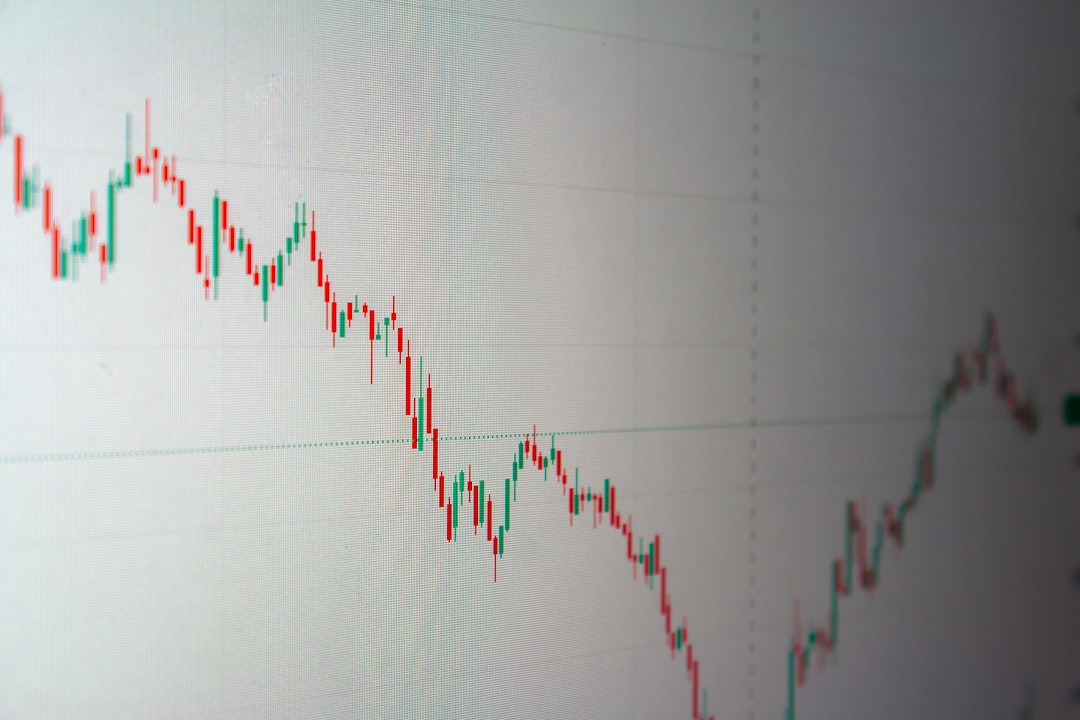
1. Choose Your Timeframe: For swing trades, use the daily chart (50 MA crossing above 200 MA). For longer-term holds, the weekly chart works well.
2. Confirm Volume: Look for increasing trading volume on the day of the cross. Volume confirms that the breakout is real, not a fakeout.
3. Wait for a Retest (Optional but Recommended): Sometimes the price will pull back to the newly formed support level near the moving averages. This provides a lower-risk entry point.
4. Enter the Trade: Buy when the cross is confirmed (or after a successful retest).
Example: If Bitcoin’s 50-day moving average crosses above its 200-day moving average on the daily chart, and volume is rising, that’s your signal to start accumulating.
Risk Management
No strategy is perfect, and the Golden Cross can sometimes produce false signals in choppy, sideways markets. To protect your capital:
- Set a Stop-Loss: Place your stop below the 200-MA or the recent swing low. A good rule of thumb is 5-10% below your entry.
- Take Partial Profits: When the price moves 20-30% in your favor, sell a portion of your position and move your stop to break even.
- Watch for the Death Cross: The opposite signal (50 MA crossing below 200 MA) is your exit signal. When that happens, it’s time to sell.
- Position Size: Never risk more than 1-2% of your total portfolio on a single trade.
Remember, the Golden Cross works best in trending markets. If Bitcoin is stuck in a range, the signal may be less reliable.
Conclusion
The Moving Average Golden Cross is not a magic bullet, but it’s a powerful tool that can help you capture the biggest moves in crypto. By combining it with volume confirmation and solid risk management, you can trade with confidence instead of emotion. Start by practicing on historical charts, then apply it to live markets. Your next big trend could be just one cross away.
BlackRock BUIDL: How Institutional Money Enters Crypto via RWA
BlackRock’s BUIDL fund marks a watershed moment for Real World Assets (RWAs) in crypto. For the first time, the world’s largest asset manager is tokenizing traditional financial instruments—primarily U.S. Treasury bills and cash equivalents—on a public blockchain. This guide explains how institutional money is flowing into crypto through RWAs, what it means for investors, and where to find opportunities.
What Are Real World Assets (RWAs) and Why Do They Matter?
Real World Assets are tangible or intangible assets—such as real estate, bonds, commodities, or credit—that are tokenized on a blockchain. Tokenization converts ownership rights into digital tokens, enabling fractional ownership, 24/7 liquidity, and transparent on-chain record-keeping. The key difference between off-chain and on-chain assets is that off-chain assets require traditional intermediaries (banks, brokers, custodians) for trading and settlement, while on-chain assets can be traded peer-to-peer, settled instantly, and composable with DeFi protocols. BlackRock’s BUIDL fund bridges this gap by taking a traditional money-market fund and making it accessible on-chain.
How BlackRock BUIDL Works: The Technical Process
1. Tokenization via Securitize
BlackRock partnered with Securitize, a digital transfer agent, to issue BUIDL tokens. Each token represents a share in the fund, which holds U.S. Treasuries and cash. The tokens are ERC-20 compliant on the Ethereum blockchain.
2. Special Purpose Vehicle (SPV)
The fund is structured as a Delaware statutory trust—an SPV that isolates the assets from BlackRock’s balance sheet. This ensures that token holders have a direct claim on the underlying Treasuries.
3. Oracle and Data Feeds
To maintain transparency, on-chain oracles (e.g., Chainlink) provide real-time net asset value (NAV) data. This allows smart contracts to accurately reflect the fund’s value and enables secondary market trading.
4. Blockchain Settlement
Investors can mint or redeem BUIDL tokens 24/7 through Securitize’s platform. Redemption requests are processed within one business day, a significant improvement over traditional T+2 settlement.
Investment Analysis: Pros, Cons, and Risks
Pros
- Institutional-grade yield: BUIDL targets a yield competitive with short-term U.S. Treasuries (currently around 5% APY), paid daily in USDC.
- 24/7 liquidity: Unlike traditional money-market funds, BUIDL tokens can be traded or redeemed at any time.
- Transparency: All holdings and NAV are verifiable on-chain via Securitize’s dashboard and oracle feeds.
- Fractional ownership: Minimum investment is $100,000 for accredited investors, but secondary markets may lower barriers over time.
Cons
- Accredited investor restriction: Currently only available to U.S. accredited investors and institutional entities.
- Low yield compared to DeFi: While stable, the yield is lower than many DeFi lending protocols.
- Centralized custody: The underlying Treasuries are held by BNY Mellon, not on-chain.
Risks
- Regulatory risk: SEC classification of tokenized securities remains uncertain. Changes in regulation could impact the fund’s structure.
- Smart contract risk: Although Securitize and BlackRock audited the contracts, bugs or exploits remain possible.
- Counterparty risk: The fund relies on BlackRock’s solvency and BNY Mellon’s custody.
For a broader market view, check out our analysis on Yield-Bearing Stablecoins Explained: A Beginner’s Guide to RealFi’s 9% APY Testnet.
Investors often compare this to Bitget Enters Argentina’s Regulated Crypto Market: What This Means for Latin American Users.
Tool Recommendation: Where to Trade RWA Tokens
Looking for altcoin opportunities and smooth trading? Try KuCoin. KuCoin offers a wide range of RWA-related tokens, including BUIDL (if listed), Ondo Finance, and Maple Finance. With low fees, high liquidity, and a user-friendly interface, it’s a great platform for both beginners and experienced traders. Sign up here.
Frequently Asked Questions
What is the minimum investment for BlackRock BUIDL?
The minimum investment is $100,000 for accredited investors. However, secondary market platforms may eventually allow smaller purchases.
How does BUIDL generate yield?
BUIDL invests in U.S. Treasury bills, repurchase agreements, and cash. Yield is accrued daily and paid out in USDC to token holders.
Is BUIDL available to non-U.S. investors?
Currently, BUIDL is only available to U.S. accredited investors. International availability may expand as regulatory frameworks evolve.
Conclusion
BlackRock BUIDL represents a pivotal step in merging TradFi with DeFi. By tokenizing a traditional money-market fund, BlackRock offers institutional-grade yield with blockchain-level transparency and liquidity. While risks remain—regulatory uncertainty, smart contract vulnerabilities, and centralized custody—the fund’s structure sets a new standard for RWA tokenization. For investors, BUIDL is a low-risk entry point into the RWA ecosystem, but due diligence on secondary markets and regulatory developments is essential.
Bitcoin Power Law Support Explained: A Beginner’s Guide to the $58,000 Floor
Did you know that Bitcoin’s price history follows a mathematical pattern that has accurately marked every major market bottom since 2015? According to Fidelity’s Director of Global Macro, Jurrien Timmer, Bitcoin is now approaching a critical support level around $58,000 that has historically signaled accumulation zones. As of mid-2026, Bitcoin trades near $62,700, raising an important question for crypto investors: Is this the bottom, or could prices drift lower? Understanding this “power law” model helps you make sense of market cycles without getting caught up in emotional trading. This guide explains what the Bitcoin power law support is, why Fidelity tracks it, and what it means for your portfolio when prices approach these historical floors.
Read time: 10-12 minutes
Understanding Bitcoin Power Law Support for Beginners
Bitcoin power law support is a mathematical model that plots Bitcoin’s price history on a logarithmic chart bounded by three curves—an upper resistance line, a middle trendline, and a lower support line. Think of it like a funnel that gets wider over time: Bitcoin’s price bounces between the upper and lower edges, but the overall trend moves upward. The lower support line has caught every major market bottom since 2015, making it a reliable historical marker for where accumulative buying tends to occur.
Why was this model created? Traditional valuation methods don’t work well for Bitcoin because it’s a new asset class without earnings, dividends, or cash flows. The power law emerged from observing that Bitcoin’s price growth follows a predictable mathematical relationship with time. A real-world example is how Fidelity’s Jurrien Timmer uses this model to identify “accumulation zones”—areas where the gap between Bitcoin’s current price and its trendline has historically signaled buying opportunities, such as the 2018 and 2022 bear market lows.
The Technical Details: How the Power Law Model Actually Works
The power law model tracks Bitcoin’s price using three key components that work together:
1. Upper Resistance Line: The top boundary where Bitcoin has historically peaked during bull markets. Prices touching this line often signal overvaluation.
2. Middle Trendline: The long-term average path of Bitcoin’s price growth. This is the baseline that shows the asset’s organic appreciation over time.
3. Lower Support Line: The bottom boundary where Bitcoin has historically found strong buying support. This is currently near $58,000.
These components interact by measuring how far Bitcoin trades above or below the trendline. As of July 2026, that gap has swung to negative 56%—a depth last seen during the 2018 and 2022 bear market lows. The model labels this the “accumulation zone,” suggesting prices are historically cheap relative to the trend.
Why this structure matters for you: The power law provides a data-driven framework to understand where Bitcoin stands in its market cycle. Instead of guessing based on news or emotions, you can reference historical patterns to make more informed decisions about when to accumulate or wait.
Current Market Context: Why This Matters Now
As of July 2026, Bitcoin’s power law support level sits near $58,000, according to Fidelity’s analysis. This is significant because:
- Historical Context: The 52-week reading on the bitcoin-to-gold ratio has fallen to around negative 100%, matching depths only seen at the 2018 and 2022 cycle bottoms.
- Current Price Action: Bitcoin trades at approximately $62,700, closing in on the $58,000 floor but not yet touching it.
- Market Dynamics: Timmer notes that speculative capital has rotated from Bitcoin to gold, and then from gold into semiconductor stocks. The “fast money” has already left the crypto market.
However, Fidelity’s Timmer is cautious about calling a bottom. He points out that the speculative premium that pushed Bitcoin past $120,000 in 2025 is largely gone, global money supply growth is slowing, and there’s no clear catalyst for a reversal. Timmer expects Bitcoin could drift sideways near the support level for months before turning upward.
Competitive Landscape: How the Power Law Compares to Other Models
Different analysts use various methods to identify Bitcoin bottoms. Here’s how the power law stacks up against other approaches:
| Feature | Power Law Support (Fidelity) | Stock-to-Flow Model | On-Chain Metrics (MVRV Ratio) |
|---|---|---|---|
| Primary Focus | Long-term price trend and support levels | Scarcity and price prediction based on halving cycles | Market value relative to realized value (cost basis) |
| Data Source | Price history on logarithmic chart | Block reward halving schedule and supply | On-chain transaction data and wallet behavior |
| Current Signal | Near $58,000 support, accumulation zone | Model disrupted by ETF flows and institutional demand | Historically low MVRV ratios near 1.0-1.2 |
| Track Record | Caught every major bottom since 2015 | Accurate in 2013-2021, less reliable post-2022 | Good at identifying extreme fear and greed |
| Limitation | Doesn’t account for external catalysts (regulatory, macro) | Ignores demand-side factors like ETF adoption | Lagging indicator that confirms bottom after it forms |
Why this matters: No single model is perfect. The power law excels at showing where Bitcoin historically finds support, but it doesn’t predict when or if a catalyst will emerge to spark a recovery. Using multiple models gives a more complete picture.
Practical Applications: Real-World Use Cases
How can you apply the Bitcoin power law concept to your own crypto strategy?
- Identifying Accumulation Zones: When Bitcoin’s price approaches the lower support line (now near $58,000), historical data suggests this is where patient buyers have been rewarded. This can inform dollar-cost averaging entries.
- Setting Realistic Expectations: Understanding that Bitcoin can sit near support for months helps you avoid panic selling during sideways price action. The model suggests patience, not panic.
- Comparing Against Gold: The bitcoin-to-gold ratio dropping to negative 100% indicates Bitcoin is historically cheap relative to the traditional safe haven. This helps traders allocate between crypto and traditional assets.
- Monitoring Institutional Sentiment: Fidelity’s tracking of this model provides a window into how major institutional players view Bitcoin’s valuation. When firms like Fidelity highlight accumulation zones, it signals professional interest.
- Avoiding Emotional Decisions: Knowing that every major bottom since 2015 has occurred on this support line gives confidence to hold or accumulate during drawdowns rather than selling at the worst possible time.
Risk Analysis: Expert Perspective
Primary Risks:
1. Catalyst Dependency: The power law doesn’t predict what will spark a reversal. Timmer specifically notes that without a liquidity catalyst or renewed global money supply growth, Bitcoin could drift sideways for months.
2. Model Limitations: Past performance doesn’t guarantee future results. The 2025 bull run to $120,000 deviated from the model’s upper range, suggesting new dynamics (like ETF adoption) may alter historical patterns.
3. Macroeconomic Headwinds: Slowing global money supply growth and capital rotation into AI and semiconductor stocks present headwinds that the power law doesn’t account for.
Mitigation Strategies:
- Use Multiple Timeframes: Combine the power law with shorter-term technical analysis and on-chain metrics for a fuller picture.
- Position Sizing: Don’t go all-in at support levels. Use dollar-cost averaging to build positions over weeks or months.
- Monitor Catalysts: Watch for macro shifts like Federal Reserve policy changes, ETF flow reversals, or regulatory clarity that could trigger the next move.
Expert Consensus: Fidelity’s Timmer acknowledges the accumulation zone but stops short of calling a bottom. He expects a “drift sideways” scenario for months, emphasizing that the easy gains from the speculative premium are gone.
Beginner’s Corner: Quick Start Guide to Using the Power Law
Step 1: Understand the concept—Bitcoin’s price follows a mathematical trend that gets wider over time, with a lower support line that has caught every major bottom since 2015.
Step 2: Learn what “accumulation zone” means. When the gap between Bitcoin’s price and its trendline reaches negative 50-60%, it signals historical buying opportunities.
Step 3: Check current price relative to the support line. As of July 2026, Bitcoin at $62,700 is approaching the $58,000 support but hasn’t touched it yet.
Step 4: Avoid panic selling. The model suggests that prices near support are historically cheap, even if they feel scary.
Step 5: Use dollar-cost averaging. Instead of buying all at once, spread purchases over weeks to average your entry price near the support zone.
Common Mistakes to Avoid:
- Don’t assume the bottom is in just because price approaches support—it can drift sideways for months
- Don’t use the model in isolation—combine with volume analysis and on-chain metrics
- Don’t chase the “fast money” that has already rotated out of Bitcoin to other assets
Security Best Practice: Always use hardware wallets for long-term holdings. Accumulation periods are when security matters most.
Future Outlook: What’s Next
Based on Fidelity’s analysis and current market conditions, the outlook for Bitcoin near its power law support includes:
1. Extended Sideways Action: Timmer expects Bitcoin could sit near the $58,000 support for months before finding a catalyst to bounce. The “fast money” has already left, meaning a quick recovery is unlikely.
2. Catalyst-Dependent Reversal: The next major move likely requires a liquidity catalyst—possibly Federal Reserve easing, renewed ETF inflows, or a macroeconomic shift that brings speculative capital back from semiconductor stocks and gold.
3. No Confirmed Bottom Yet: Key indicators like the bitcoin-to-gold ratio and the deviation from the power law trendline match 2018 and 2022 lows, but Timmer is not yet calling a bottom. This suggests caution remains warranted.
4. Long-Term Bullish Structure: Despite short-term uncertainty, the power law’s upward-sloping trendline suggests that each historical accumulation zone has eventually led to higher prices. The model remains intact.
For beginners, the message is clear: the historical floors are holding, but patience is key. This isn’t a time for panic or FOMO—it’s a time for understanding where Bitcoin sits in its long-term cycle.
Key Takeaways
- Bitcoin’s power law support near $58,000 has marked every major market bottom since 2015, making it a reliable historical marker for accumulation zones.
- Fidelity’s Jurrien Timmer notes Bitcoin is approaching this level but isn’t calling a bottom yet, expecting sideways drift for months without a catalyst.
- The bitcoin-to-gold ratio and price-to-trendline gap have reached depths last seen in 2018 and 2022, signaling historically cheap valuations.
- Use this framework for patience and dollar-cost averaging, not panic selling, as every major accumulation zone has eventually led to higher prices.
,
“datePublished”: “2026-07-12T20:30:00.000-04:00”,
“dateModified”: “2026-07-12T20:30:00.000-04:00”,
“mainEntity”: {
“@type”: “Thing”,
“name”: “Bitcoin Power Law Support”
}
}
DePIN Explained: Earning Passive Income with Infrastructure
Decentralized Physical Infrastructure Networks (DePIN) are reshaping how we think about ownership, investment, and passive income. By tokenizing real-world assets like wireless hotspots, storage drives, and energy grids, DePIN allows anyone to contribute physical infrastructure and earn rewards. This guide explains how DePIN works, how you can earn passive income, and what to watch out for.
Key Concepts
- What is DePIN? DePIN stands for Decentralized Physical Infrastructure Networks. It uses blockchain tokens to incentivize individuals to build and maintain physical infrastructure, such as 5G hotspots, VPN nodes, or solar panels.
- How Passive Income Works: Contributors deploy hardware (e.g., a Helium hotspot) and are paid in native tokens for providing services like wireless coverage or data storage. Tokens can be staked, traded, or held.
- Tokenomics: Most DePIN projects have a built-in token reward system. Early adopters often earn higher yields, but token price volatility can affect real-world returns.
- Real-World Examples: Helium (wireless), Filecoin (storage), and Hivemapper (mapping) are leading DePIN projects.
Pro Tips
- Start Small: Choose one DePIN project with a low barrier to entry (e.g., a $300 hotspot) to test the waters before scaling up.
- Monitor Tokenomics: Check emission schedules and token supply. High inflation can dilute your earnings over time.
- Location Matters: For wireless DePIN, your physical location directly impacts rewards. Dense urban areas may offer higher earnings but also more competition.
- Diversify: Don’t put all your capital into one DePIN project. Spread across different networks (storage, wireless, energy) to reduce risk.
FAQ Section
What is the minimum investment for DePIN?
It varies. Some projects require only a few hundred dollars for a hotspot, while others (like Filecoin) need significant storage hardware. Always check official project documentation.
Is DePIN passive income truly passive?
Mostly yes, but you may need to occasionally update firmware, monitor uptime, or adjust hardware placement. Some networks require active staking or delegation.
How are DePIN rewards taxed?
In most jurisdictions, token rewards are considered taxable income at the time of receipt. Consult a tax professional familiar with crypto.
Can I lose money in DePIN?
Yes. Hardware costs, token price drops, and network competition can lead to losses. Only invest what you can afford to lose.
Conclusion
DePIN offers a compelling way to earn passive income by contributing to real-world infrastructure. However, success requires careful project selection, location planning, and risk management. Start small, diversify, and stay updated on tokenomics. For more details on this, check out our guide on UK Stablecoin Rules Explained: Why the Bank of England Is Easing Restrictions. You might also be interested in reading about Real World Assets (RWA): How Tokenization Changes Investing.