
Tokenized Real World Assets: The Bridge Between Traditional Finance and DeFi
Imagine buying a piece of a New York skyscraper, a government bond, or a barrel of oil – all from your crypto wallet, with the same speed and transparency as swapping a meme coin. That’s the promise of Real World Asset (RWA) tokenization. For traders, this isn’t just a niche trend; it’s a paradigm shift that opens up entirely new markets and strategies. Let’s break down how you can trade this emerging sector.
How it Works
RWA tokenization converts physical or traditional financial assets (real estate, commodities, bonds, invoices) into digital tokens on a blockchain. Each token represents a fractional ownership or claim on the underlying asset. This process brings liquidity, 24/7 trading, and global accessibility to assets that were previously illiquid or restricted to institutional investors.
For example, a $10 million office building can be tokenized into 10,000 tokens worth $1,000 each. A trader in Tokyo can buy five tokens, while a trader in Brazil buys fifty. The building’s rental yield or appreciation is then distributed proportionally via smart contracts.
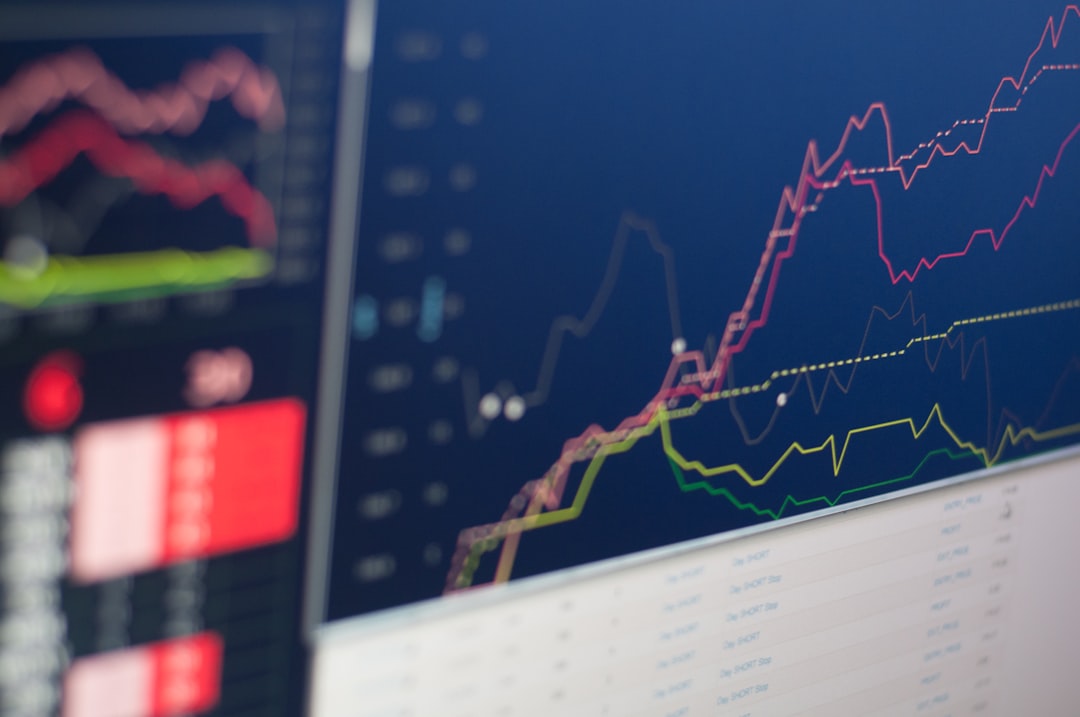
The Setup: How to Identify RWA Trading Opportunities
1. Focus on the “Big Three” RWA Categories:
- Private Credit & Bonds: Platforms like Maple Finance, Centrifuge, and Goldfinch tokenize corporate loans or invoices. Look for yield spreads vs. DeFi lending rates.
- Real Estate: RealT, Propy, and Lofty allow tokenized property ownership. Monitor rental yields and token price relative to property valuations.
- Commodities & Stablecoins: Paxos Gold (PAXG) and Tether Gold (XAUT) tokenize gold. Yield-bearing stablecoins like sDAI or USDC (via protocols) are also RWAs.
2. Monitor On-Chain Metrics:
- Total Value Locked (TVL) in RWA protocols – rising TVL often signals growing adoption.
- Token Price vs. NAV (Net Asset Value): If a token trades below its underlying asset’s value, it may be a buying opportunity (similar to a closed-end fund discount).
- Liquidity Pools: Check DEX liquidity for RWA tokens. Low liquidity means higher slippage and risk.
3. The Macro Play: RWA tokens often correlate with traditional markets (e.g., bond yields, real estate indices). If you expect Fed rate cuts, RWA tokens tied to fixed-income assets could rally. If inflation spikes, commodity-backed RWAs (gold, oil) may outperform.
Risk Management
Trading RWAs is not the same as trading volatile altcoins. Here’s how to stay safe:
- Counterparty Risk: The real asset is held by a custodian (e.g., a bank, legal entity). If the custodian fails or commits fraud, the token may become worthless. Always research the legal structure and audit reports.
- Smart Contract Risk: Even if the asset is real, the code can have bugs. Stick to audited protocols with a track record.
- Liquidity Risk: Many RWA tokens have thin order books. Avoid large market orders; use limit orders and consider position sizing (e.g., no more than 5% of portfolio in any single RWA token).
- Regulatory Risk: Securities laws vary by country. Tokens that are not compliant could be delisted or become illegal to trade. Favor projects that work with regulators (e.g., Securitize, Ondo Finance).
Pro Tip: Use a separate wallet for RWA trades. If a protocol is hacked, your main DeFi portfolio remains safe.
Conclusion
RWA tokenization is still in its early innings, but the potential is massive. By treating these tokens as a new asset class – with its own risk profile and correlation to traditional markets – you can diversify your crypto portfolio beyond pure speculation. Start small, focus on the most liquid and audited projects, and always monitor the underlying asset’s health. The bridge between Wall Street and the blockchain is being built; make sure you’re on the right side when it opens for traffic.