
How to Stop Revenge Trading: A 3-Step Recovery Plan
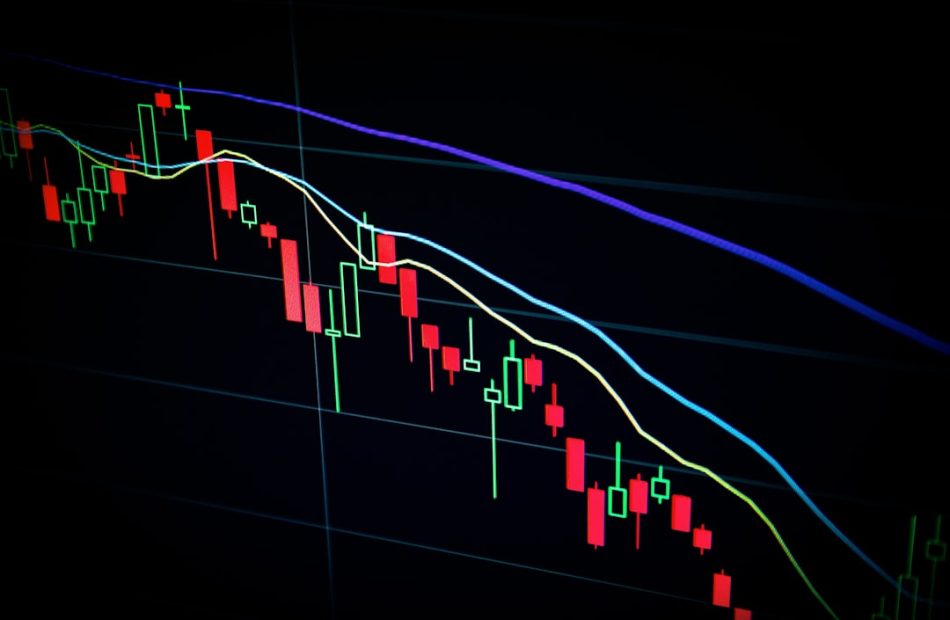
You had a solid plan. You entered a trade with confidence. Then, the market moved against you, stopped you out, and you felt a familiar surge of anger. Before you knew it, you were clicking ‘Buy’ again, not because the setup was good, but because you wanted to ‘get even.’ Welcome to the trap of revenge trading.
Revenge trading is the emotional act of immediately re-entering the market after a loss to try and recover the lost money. It’s driven by frustration, ego, and the illusion of control. The problem? It rarely works. In fact, it usually makes things worse, turning a small loss into a catastrophic one.
How it Works
The psychology behind revenge trading is simple: your brain hates losing more than it enjoys winning (a concept called loss aversion). When you take a loss, your ego feels bruised. The natural reaction is to ‘prove the market wrong’ by jumping back in. You abandon your strategy, increase your position size, and ignore risk management.
The Setup (The 3-Step Recovery Plan)
To break the cycle, you need a structured recovery plan. Here’s how to do it:
Step 1: The 30-Minute Rule
After any losing trade, walk away from your screen for at least 30 minutes. Go for a walk, drink water, or do breathing exercises. This breaks the emotional loop. Do not check your phone or charts.

Step 2: The Journal Entry
When you return, open your trading journal. Write down three things:
1. Why did the trade fail? (Market conditions, bad entry, or just bad luck?)
2. What was your emotional state before the trade?
3. What would a disciplined version of you do right now? (Usually, the answer is ‘nothing’.)
Step 3: The ‘One Good Trade’ Rule
You are not allowed to trade again until you can identify a high-probability setup that meets ALL your criteria. Not a ‘maybe’ setup. A perfect one. This forces you to slow down and wait for quality, not quantity.
Risk Management
Risk management is your shield against revenge trading. Implement these rules:
- Max Daily Loss Limit: Decide beforehand how much you are willing to lose in a single day. Once you hit that number, you are done trading for the day. No exceptions.
- Position Sizing: Never risk more than 1-2% of your account on a single trade. If you are tempted to ‘double down’ to recover a loss, you are already in revenge mode.
- Use Stop Losses Religiously: A stop loss is not a suggestion. It is your emergency exit. If you move your stop loss further away after entering, you are letting emotions take over.
Conclusion
Revenge trading is a silent account killer. It preys on your ego and your desire for instant gratification. But by implementing the 30-minute rule, journaling your emotions, and sticking to strict risk limits, you can break the cycle. Remember: the market will always be there tomorrow. There is no such thing as a ‘must-take’ trade. Discipline today leads to profits tomorrow.