
Breakout or Fakeout? How to Spot the Difference and Trade with Confidence
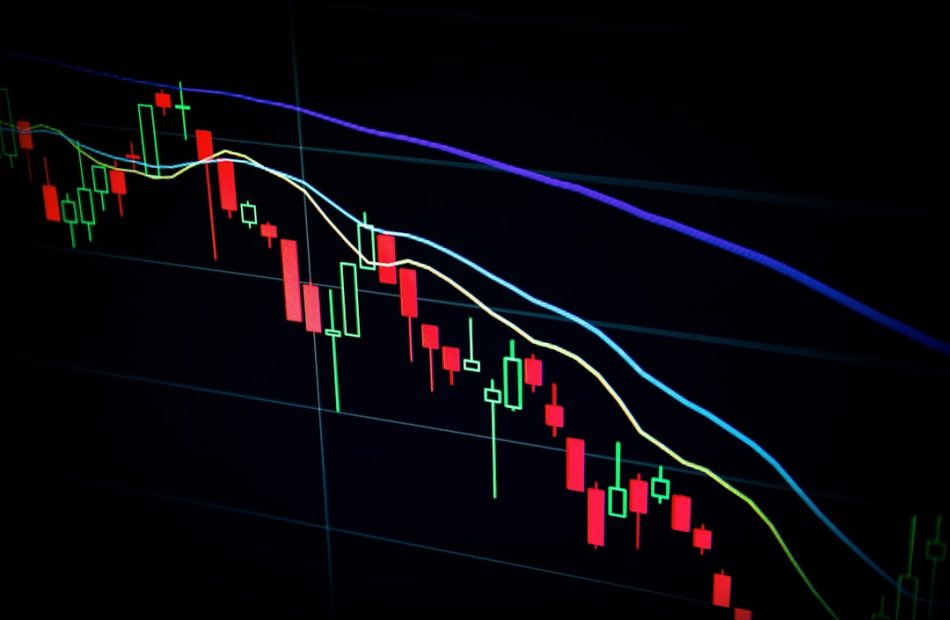
You see it happen all the time: a coin rips through a key resistance level, everyone rushes in, and then—bam—it reverses just as fast, trapping buyers at the top. That’s the classic fakeout, and it’s one of the most frustrating (and expensive) traps in crypto trading. The good news? With a few simple rules, you can learn to separate true breakouts from fakeouts and trade with far more precision.
How It Works
A true breakout happens when price moves decisively beyond a support or resistance level with strong momentum and volume. The move is confirmed, not just a quick spike. A fakeout (or “bull trap” / “bear trap”) looks like a breakout at first, but quickly reverses, shaking out latecomers.
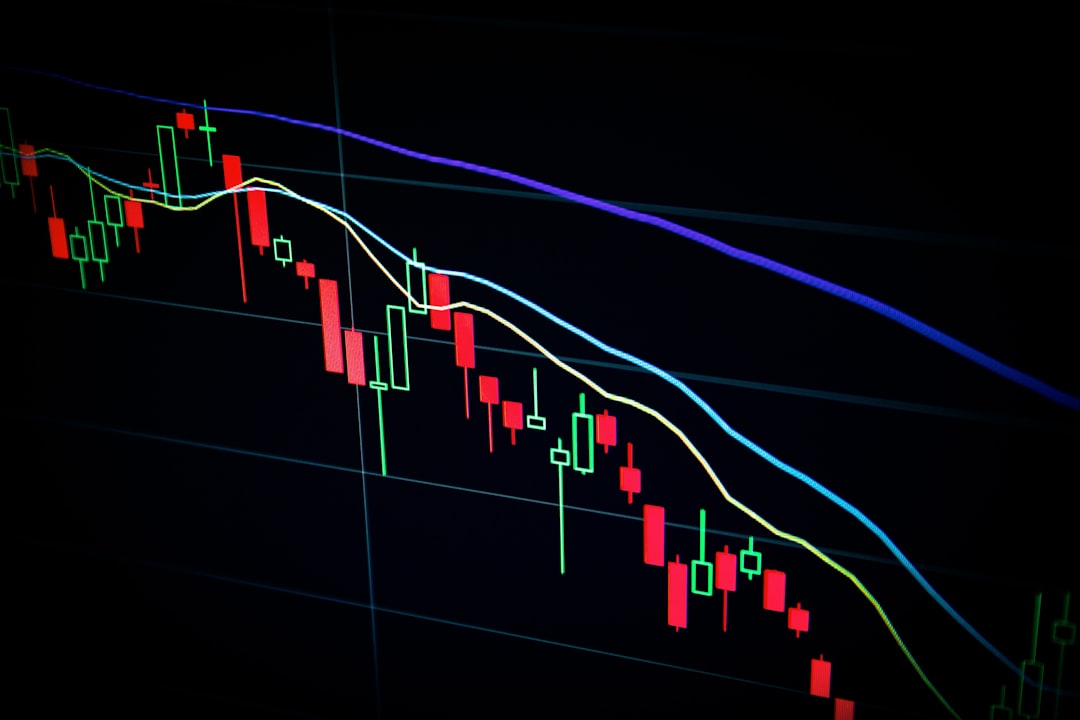
The Setup
To trade breakouts effectively, you need three things:
- A clear level: Draw a horizontal line at a recent high (resistance) or low (support) that price has touched at least twice.
- Volume confirmation: Look for a spike in trading volume as price breaks the level. Low volume breakouts are suspect.
- A retest: After the breakout, price often returns to test the level from the other side. A successful retest (where the level holds) is a strong confirmation.
Example: If Bitcoin breaks above $30,000 with high volume, then pulls back to $30,000 and bounces, that’s a high-probability long entry. If it breaks above $30,000 on low volume and immediately reverses, it’s likely a fakeout.
Risk Management
Even with the best setup, fakeouts happen. Protect yourself with these rules:
- Stop-loss: Place your stop just below the breakout level (for longs) or above it (for shorts). If price reverses, you’re out with a small loss.
- Position size: Risk no more than 1-2% of your account on any single trade.
- Wait for confirmation: Never trade the first touch of a level. Wait for the retest or a strong candle close beyond the level.
Conclusion
Breakouts and fakeouts are two sides of the same coin. By waiting for volume confirmation, retests, and using tight stop-losses, you can trade breakouts with confidence and avoid getting trapped. Remember: in crypto, patience is profit. Stick to your plan, and let the market come to you.