
The Support and Resistance Flip: Your Key to Spotting Trend Reversals
You’ve probably heard that support and resistance are the bread and butter of technical analysis. But did you know that when these levels break, they often swap roles? That’s the Support and Resistance Flip—a powerful concept that can help you catch trend reversals early and trade with confidence. In this post, we’ll break down exactly how this flip works, how to spot it, and how to use it in your own trading.
How it Works
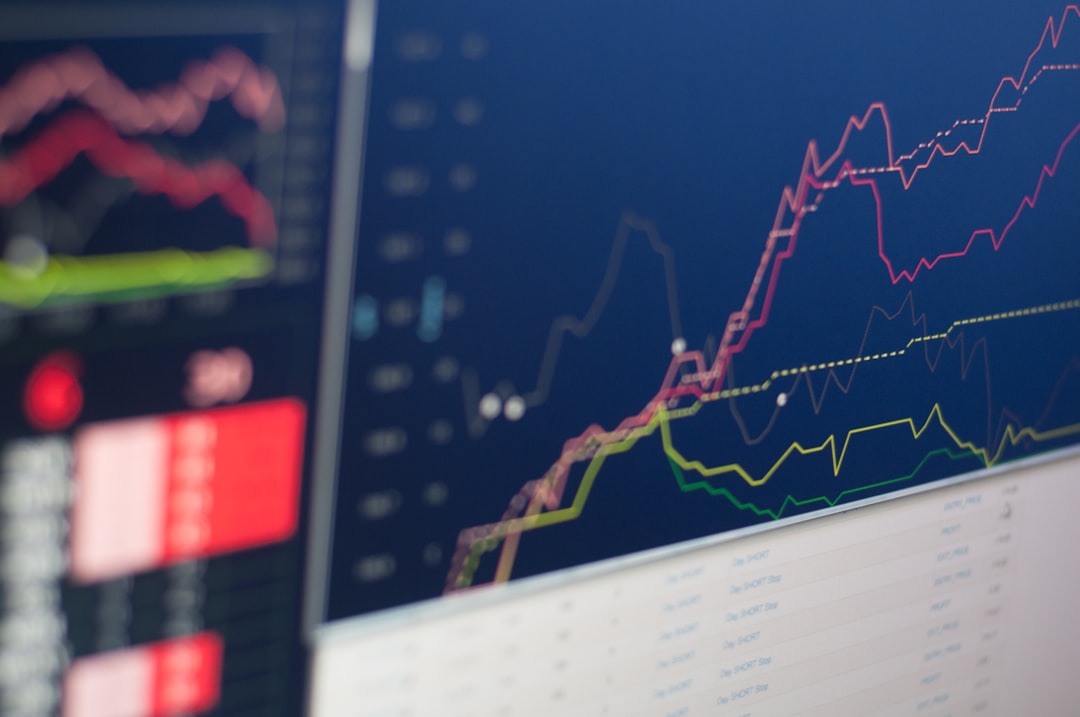
In a trending market, price respects certain levels. Support is where buying pressure stops a downtrend, and resistance is where selling pressure halts an uptrend. But when price breaks through a level with force, that level often transforms. Old resistance becomes new support, and old support becomes new resistance. This flip happens because the psychology of traders shifts—those who missed the breakout now see the level as a second chance to enter, and those who were trapped on the wrong side rush to exit.
The Setup
To trade a support and resistance flip, you need a clear level that has been tested at least twice. Wait for a decisive break above resistance (or below support) on higher-than-average volume. After the break, price often retests the level from the opposite side. This retest is your entry point. For example, if Bitcoin breaks above $30,000 resistance, wait for it to pull back to $30,000, which should now act as support. If the level holds, you can go long with a stop loss just below it.
Risk Management
No trade is guaranteed, so always protect your capital. Place your stop loss a few percent below the flipped level to account for market noise. Position size should be small—never risk more than 1-2% of your account on a single trade. If the flip fails and price re-enters the old zone, cut your losses quickly. Remember, the flip is strongest when it happens on a clear breakout with volume, so avoid trading flips on low-timeframe charts or during low liquidity.
Conclusion
The support and resistance flip is a simple yet effective way to align with market momentum. By waiting for the retest, you reduce the risk of a false breakout and increase your odds of a successful trade. Practice identifying these flips on historical charts, and soon you’ll see them everywhere. Happy trading!
Using Etherscan: Tracking Whales and Verifying Transactions – The Ultimate Guide
Introduction
Etherscan is the leading blockchain explorer for Ethereum, offering unparalleled transparency into on-chain activity. Whether you’re a seasoned trader or a crypto newcomer, mastering Etherscan allows you to track whale movements, verify transactions, and gain a competitive edge. This guide will walk you through everything you need to know about using Etherscan to monitor large holders and confirm transaction details.
Key Concepts
1. What is Etherscan? Etherscan is a block explorer and analytics platform for Ethereum. It lets you search the blockchain for transactions, addresses, tokens, and smart contracts.
2. Tracking Whales: Whales are addresses holding large amounts of ETH or tokens. By monitoring their activity, you can anticipate market moves. Use Etherscan’s ‘Top Accounts’ page or token holder lists to identify whales.
3. Verifying Transactions: Every transaction on Ethereum is recorded permanently. Enter a transaction hash (TxHash) into Etherscan to see sender, receiver, amount, gas fees, and confirmation status. This is essential for confirming payments or contract interactions.
4. Token Transfers: Etherscan tracks ERC-20, ERC-721, and other token standards. Use the ‘Token Transfers’ tab to see which tokens a whale is moving.
5. Internal Transactions: Some transactions involve smart contracts calling other contracts. Etherscan shows these as ‘Internal Txns’ – crucial for understanding complex DeFi moves.
Pro Tips
- Set up alerts: Use Etherscan’s ‘Watch List’ feature to get email notifications when a specific address makes a transaction.
- Use the ‘Advanced Filter’: Filter by value, token type, or time range to spot unusual activity quickly.
- Check contract source code: Verified contracts show a green checkmark. Always verify before interacting with unknown dApps.
- Monitor gas prices: Whale transactions often spike gas fees. Use Etherscan’s Gas Tracker to time your own transactions.
- Analyze whale accumulation: Look for addresses that receive large amounts without sending – this often signals accumulation.
FAQ Section
Q: Is Etherscan free to use?
A: Yes, Etherscan is free for basic use. Advanced features like API access may require a paid plan.
Q: Can I track a specific whale’s portfolio?
A: Yes. Enter the whale’s address, go to the ‘Token Holdings’ tab, and see all tokens and their values.
Q: How do I know if a transaction is confirmed?
A: Look for the ‘Status’ field – it will show ‘Success’ or ‘Fail’. The number of block confirmations is also displayed.
Q: What is a ‘Pending’ transaction?
A: A transaction that hasn’t been mined yet. You can speed it up by resubmitting with a higher gas fee via Etherscan’s ‘Replace Transaction’ tool.
Q: Can I track transactions in real-time?
A: Yes, Etherscan’s ‘Pending Transactions’ page shows unconfirmed transactions. Use the ‘Live’ tab for streaming updates.
Conclusion
Etherscan is an indispensable tool for anyone serious about crypto. By learning to track whales and verify transactions, you can make smarter trading decisions and avoid scams. Start exploring Etherscan today – the blockchain’s secrets are waiting to be uncovered.
For more details on this, check out our guide on The Secret Weapon of Profitable Traders: Your Trading Journal.
You might also be interested in reading about CLARITY Act Explained: What New Crypto Rules Mean for Regulation.
Americans Bypass Polymarket Ban: A Guide to $571M in Political Bets
Read time: 12 minutes
Introduction
Did you know that despite being officially banned, U.S.-linked wallets traded over half a billion dollars on Polymarket’s political prediction markets in just one year? According to on-chain analytics firm Allium, wallets tied to the United States traded $571 million in political contracts over the trailing 12 months, more than any other country. This raises an important question for crypto users: Why are Americans circumventing the ban, and what does this tell us about prediction markets, regulation, and offshore crypto activity in 2025? Whether you’re interested in decentralized finance, regulatory gray areas, or simply want to understand how blockchain-based prediction markets work, this guide explains the mechanics, the regulatory challenges, and the real-world implications without the jargon. You’ll learn why platforms like Polymarket exist, how they operate under bans, and what this means for the future of crypto-based betting.
Understanding Prediction Markets for Beginners
A prediction market is a platform where users trade contracts based on the outcome of future events. Think of it like a stock market, but instead of buying shares in a company, you’re buying shares in whether a specific event will happen or not. For example, you might buy a contract that pays out if a certain politician wins an election or if a conflict escalates.
Everyday analogy: Imagine you and your friends bet on who will win the Super Bowl. A prediction market does this formally—users buy and sell “shares” representing yes/no outcomes, and the price of those shares reflects the market’s perceived probability. A $0.60 contract means the market sees a 60% chance of that event occurring.
Why it was created: Prediction markets solve a fundamental problem—aggregating dispersed information. By allowing anyone to trade on future events, these markets produce highly accurate forecasts, often beating polls and expert opinions. Polymarket, built on the Polygon blockchain, uses smart contracts to ensure trades execute transparently without a central authority.
Real-world example: In 2024, Polymarket’s election markets saw over $3 billion in trading volume. The platform’s predictions on the U.S. presidential election closely matched final results, demonstrating their accuracy. However, the platform cannot legally serve U.S. users due to regulatory restrictions, creating the tension at the heart of this story.
The Technical Details: How Polymarket Operates Despite the Ban
Polymarket’s ability to function despite U.S. restrictions comes down to blockchain technology. Here’s how the system works:
1. On-chain Infrastructure: Polymarket runs on smart contracts on the Polygon blockchain, not on a central server. This means no single entity controls the platform. Trades execute automatically when conditions are met.
2. Crypto Wallet Required: Users don’t create accounts with email passwords. Instead, they connect a crypto wallet (like MetaMask). The platform cannot verify identities because it never collects personal data.
3. Stablecoin Transactions: All trades settle in USDC, a stablecoin pegged to the U.S. dollar. This bypasses traditional banking systems. No bank can block a transaction because it moves directly on the blockchain.
4. VPN Bypass: The platform blocks U.S. IP addresses, but a VPN (Virtual Private Network) masks a user’s location. Combined with a crypto wallet, this is enough to access the platform. As Allium notes, “There is no account for a regulator to deny, no identity check to clear.”
Why this structure matters: The decentralized nature makes enforcement extremely difficult. Even if regulators shut down Polymarket’s front-end website, the smart contracts remain on the blockchain, and users can interact with them through alternative interfaces. This is a core feature of decentralized applications—they can’t be easily censored or restricted.
Current Market Context: Why This Matters Now
As of mid-2026, Polymarket’s situation highlights a growing tension between decentralized crypto platforms and traditional financial regulation. According to Allium’s data, U.S.-linked wallets traded $571 million in political contracts, ahead of Hong Kong’s $422 million and other countries.
Key data points:
- Geopolitical bias: U.S. users placed 46% of their bets on geopolitics (wars, conflicts) compared to 36% platform-wide. Only 16% of U.S. volume went to elections versus 32% globally.
- Top markets: Five of the twelve largest U.S. markets involved the Iran war. The single largest market, at $20.8 million, was a novelty bet on whether Ukrainian President Zelenskyy would wear a suit.
- No performance edge: U.S. traders picked winners 81.9% of the time versus 80.3% for others—essentially identical. Returns were nearly the same.
Why timing matters: This data comes as regulators globally debate how to handle prediction markets. In the U.S., the Commodity Futures Trading Commission (CFTC) has pursued legal action against platforms like Kalshi and Polymarket. The European Union’s Markets in Crypto-Assets (MiCA) regulation creates a clearer framework, but it doesn’t explicitly cover prediction markets.
Competitive Landscape: How Polymarket Compares
| Feature | Polymarket (Offshore) | Kalshi (U.S. Regulated) | Traditional Bookmakers |
|---|---|---|---|
| Jurisdiction | Global (no U.S. service) | U.S. regulated (CFTC oversight) | Regulated per country |
| Market Types | Elections, geopolitics, novelty, sports | Economic data, rate decisions, elections only | Sports, entertainment, limited politics |
| KYC/AML | None (wallet-based) | Full identity verification | Usually required |
| Technology | Blockchain (Polygon) | Traditional web platform | Traditional web/app |
| Settlement | Automatic via smart contract | Manual, regulated | Manual, regulated |
| User Experience | Requires crypto knowledge | Simple, fiat-friendly | Simple, fiat-friendly |
Why this matters for users: Regulated platforms like Kalshi can only offer limited markets. Demand for geopolitical and novelty bets flows to Polymarket’s offshore version. This creates a regulatory dilemma: should the U.S. allow onshore prediction markets for more topics, or accept that demand will move offshore beyond oversight?
Practical Applications: Real-World Use Cases
Why would someone use a prediction market despite legal risks?
- Hedging geopolitical risk: A business exposed to Middle Eastern instability can bet on conflict outcomes to offset potential losses. For example, an oil trader might use Iran war markets to hedge exposure.
- Information aggregation: Markets produce more accurate forecasts than experts. Traders with unique insights can profit while contributing to collective intelligence.
- Alternative investment: Some users treat prediction markets as an asset class, seeking returns uncorrelated with stocks and crypto.
- Novelty and entertainment: The largest U.S. market on Polymarket was a novelty bet (Zelenskyy’s suit). Users find these markets engaging and fun.
- Testing hypotheses: Researchers and analysts use prediction markets to gauge probabilities for research purposes. The transparent on-chain data allows academic study.
Risk Analysis: Expert Perspective
Primary risks:
1. Legal risk: U.S. users face potential legal consequences. The CFTC has pursued enforcement actions against prediction market operators. Users could face fines or legal exposure.
2. Platform risk: Polymarket operates in a gray area. If regulators succeed in shutting it down, funds could be frozen or lost. The platform could be seized or forced to halt operations.
3. Technical risk: Smart contracts can have bugs. Funds could be lost due to vulnerabilities. Users rely on the underlying Polygon blockchain, which carries its own risks.
4. Counterparty risk: While trades execute automatically, the oracle system (which reports real-world outcomes) could fail or be manipulated. If the outcome is incorrectly reported, trades settle incorrectly.
5. Market integrity: Without KYC, markets are vulnerable to manipulation. Whales with large capital can move prices artificially, distorting the signal.
Historical precedent: Similar prediction markets have faced regulatory crackdowns. In 2012, the CFTC shut down Intrade, a prediction market, for offering options contracts without registration. Users lost access to funds and the platform collapsed.
Mitigation strategies:
- Use small amounts you can afford to lose
- Diversify across platforms (Kalshi, Polymarket, others)
- Monitor regulatory developments
- Use hardware wallets for storage
- Avoid markets with obvious manipulation risks
Expert consensus: Most legal experts agree that U.S. regulators will continue pursuing enforcement. The tension between decentralized technology and traditional regulation is unlikely to resolve quickly.
Beginner’s Corner: Quick Start Guide
If you’re curious about prediction markets but want to start responsibly, here’s how to begin:
Step 1: Understand the legal landscape
Research laws in your jurisdiction. U.S. users should consult a legal professional before accessing offshore platforms.
Step 2: Set up a crypto wallet
Install MetaMask or another wallet that supports Polygon. Secure your seed phrase—this is the only way to recover funds.
Step 3: Acquire USDC
Buy USDC on a centralized exchange (like Coinbase) and transfer it to your wallet. Bridge it to the Polygon network.
Step 4: Connect to Polymarket
Visit Polymarket.com (use a VPN if restricted). Connect your wallet and deposit USDC.
Step 5: Start small
Place small trades ($10-$50) to understand the mechanics. Watch how prices change as new information emerges.
Common mistakes to avoid:
- Never share your private keys or seed phrase
- Don’t bet more than you can afford to lose
- Don’t assume markets are perfectly efficient
- Avoid emotional trading based on personal beliefs
Security best practice: Use a separate wallet for prediction markets, not your main crypto holdings wallet.
Future Outlook: What’s Next
The Polymarket saga is far from over. Several developments will shape the future:
1. Regulatory clarity efforts: U.S. lawmakers may introduce legislation to explicitly legalize and regulate prediction markets. The CFTC is considering new rules. Expect developments in the next 12-18 months.
2. Technical improvements: Layer-2 scaling and privacy technologies could make enforcement even harder. Zero-knowledge proofs might allow users to participate without revealing identity.
3. Institutional interest: Major financial institutions are exploring prediction markets for risk management. If regulation clarifies, institutional capital could flood in.
4. Competitor emergence: New platforms with better compliance mechanisms may launch. Some hybrids offer on-chain settlement with off-chain identity verification.
5. Global divergence: The EU’s MiCA regulation may create clearer paths for regulated markets, while the U.S. remains fragmented. This could drive innovation overseas.
Planned developments: Polymarket has announced plans to explore regulated versions for specific jurisdictions. The timeline depends on regulatory progress.
Key Takeaways
- U.S. users traded $571 million on Polymarket despite a ban, highlighting the difficulty of regulating blockchain-based platforms that require only a wallet and VPN.
- Prediction markets aggregate information more accurately than polls, but offshore platforms lack investor protections and regulatory oversight.
- The demand for geopolitical and novelty markets exceeds what regulated U.S. platforms can offer, creating a policy dilemma for regulators.
- Blockchain technology makes enforcement extremely difficult because no central entity controls the smart contracts, and no bank can block crypto transactions.
,
“datePublished”: “2026-07-05”,
“dateModified”: “2026-07-05”,
“mainEntity”: {
“@type”: “Thing”,
“name”: “Polymarket prediction markets”,
“description”: “Decentralized prediction market platform operating despite U.S. ban”
}
}
How to Bridge Assets Across Blockchains Safely: A Complete Guide
Bridging assets across blockchains is a fundamental skill for any crypto user. Whether you want to move ETH from Ethereum to Arbitrum, or transfer stablecoins between networks, understanding how to do this safely can save you from costly mistakes. This guide covers everything you need to know about cross-chain bridging, from key concepts to pro tips and tool recommendations.
Key Concepts
What is a Blockchain Bridge? A blockchain bridge is a protocol that allows you to transfer tokens or data from one blockchain to another. It locks assets on the source chain and mints equivalent tokens on the destination chain.
Trusted vs. Trustless Bridges: Trusted bridges rely on a central authority or a set of validators to secure the transfer. Trustless bridges use smart contracts and cryptographic proofs, making them more decentralized but often more complex.
Slippage and Fees: When bridging, you may encounter slippage (price difference between chains) and network fees (gas fees on both chains). Always check these before confirming a transaction.
Pro Tips
- Always double-check the bridge URL: Phishing sites often mimic popular bridges. Bookmark the official URL.
- Start with a small test transaction: Bridge a tiny amount first to ensure the process works correctly.
- Monitor bridge liquidity: Some bridges may have low liquidity for certain token pairs, leading to failed transactions or high slippage.
- Use bridges with a proven track record: Stick to well-known bridges like Stargate, Hop, or Multichain (if still active).
FAQ Section
What is the safest way to bridge assets?
The safest way is to use a trusted bridge with a strong security track record, start with a small test transaction, and never share your private keys or seed phrase.
How long does a bridge transaction take?
It depends on the bridge and the chains involved. Some bridges complete in minutes, while others may take up to an hour, especially during network congestion.
Can I bridge any token?
Not all tokens are supported on every bridge. Check the bridge’s supported token list before initiating a transfer.
What happens if my bridge transaction fails?
If a transaction fails, your funds are usually returned to the source chain after a timeout period. However, you may still pay gas fees for the failed attempt.
For more details on this, check out our guide on DePIN Explained: Earning Passive Income with Infrastructure.
You might also be interested in reading about MiCA Explained: What the EU Crypto Regulation Review Means for You.
Conclusion
Bridging assets across blockchains is a powerful tool for accessing DeFi, NFTs, and other opportunities on different networks. By understanding the key concepts, following pro tips, and using recommended tools like Binance for practice, you can bridge safely and confidently. Always prioritize security and start small to minimize risk.
US Treasury Bills on Blockchain: The Risk-Free Rate On-Chain
US Treasury Bills (T-Bills) are short-term debt obligations issued by the U.S. government, traditionally considered the closest proxy to a ‘risk-free’ asset in global finance. Now, through tokenization, these instruments are being brought on-chain, allowing investors to access the risk-free rate directly within decentralized finance (DeFi) ecosystems. This guide explains how off-chain T-Bills become on-chain tokens, the investment mechanics, and where this asset class fits in your portfolio.
Off-Chain vs On-Chain: The Core Difference
Off-chain T-Bills are purchased through traditional brokerages or banks, settled in T+1 or T+2 days, and trade only during market hours. On-chain T-Bills are represented as ERC-20 or similar tokens, backed by real T-Bills held in a Special Purpose Vehicle (SPV). These tokens can be transferred, traded, or used as collateral 24/7, with yields automatically distributed to holders via smart contracts.
How It Works: The Technical Process
The tokenization of US Treasury Bills involves a multi-step process that bridges traditional finance and blockchain infrastructure:
- Tokenization: A regulated issuer (e.g., Ondo Finance, Backed Finance) creates a smart contract that mints tokens representing fractional ownership of an underlying T-Bill portfolio.
- SPV (Special Purpose Vehicle): The actual T-Bills are purchased and held in a bankruptcy-remote SPV, ensuring legal separation from the issuer’s own assets.
- Oracle Integration: Price oracles (e.g., Chainlink) feed the net asset value (NAV) of the T-Bill portfolio on-chain, updating periodically to reflect accrued interest.
- Blockchain Settlement: Investors buy the tokenized T-Bill (e.g., USDY, FOBXX) on a blockchain like Ethereum or Polygon. The token price appreciates daily as interest accrues, or yields are paid out directly.
Investment Analysis: Pros, Cons, and Risks
Tokenized T-Bills offer a unique blend of stability and DeFi utility, but they are not without risks.
Pros
- 24/7 Liquidity: Unlike traditional markets, you can buy or sell tokenized T-Bills at any time, including weekends and holidays.
- Fractional Ownership: Minimum investments can be as low as $1, democratizing access to an asset class typically requiring $1,000+.
- Programmable Yields: Interest can be automatically reinvested or used as collateral in DeFi lending protocols.
Cons
- Regulatory Uncertainty: The legal status of tokenized securities varies by jurisdiction. The SEC has signaled increased scrutiny.
- Smart Contract Risk: Bugs or exploits in the token contract or underlying DeFi protocols could lead to loss of funds.
- Custodial Dependence: The SPV relies on a traditional custodian (e.g., Coinbase Custody, Anchorage) to hold the actual T-Bills, introducing counterparty risk.
For a broader market view, check out our analysis on Stablecoin Regulation Explained: Why the Hard Part Is Just Beginning. Investors often compare this to DePIN Explained: Earning Passive Income with Infrastructure.
Tool Recommendation
To analyze on-chain T-Bill yields and track portfolio performance, you need reliable charting tools. For the best charting tools to spot this pattern, try Bitget. Their platform offers real-time data on tokenized asset prices, yield curves, and liquidity pools.
FAQ Section
What is the yield on tokenized US Treasury Bills?
Yields vary by issuer and the underlying T-Bill maturity. As of early 2025, typical yields range from 4.5% to 5.5% APY, closely tracking the effective Federal Funds Rate. Some tokens distribute yield daily, while others accrue it into the token price.
Are tokenized T-Bills considered securities?
Yes, in most jurisdictions, tokenized T-Bills are classified as securities because they represent ownership in an investment vehicle. Issuers typically comply with Regulation D (accredited investors) or Regulation S (non-U.S. persons) exemptions. Always verify the offering’s legal status before investing.
How do I redeem tokenized T-Bills for fiat?
Redemption processes vary. Most issuers allow you to burn the token on-chain and receive the equivalent USD value (minus fees) via bank transfer or stablecoin. Some platforms offer instant redemptions, while others have a 1-5 business day settlement period.
Conclusion
Tokenized US Treasury Bills represent a significant step in bridging TradFi and DeFi, offering a low-risk, yield-bearing asset that operates on blockchain rails. While regulatory and smart contract risks remain, the convenience of 24/7 liquidity and fractional ownership makes this an attractive option for both institutional and retail investors seeking a stable yield in volatile markets. As the ecosystem matures, on-chain T-Bills could become the new benchmark for the risk-free rate in decentralized finance.
Understanding Gas Fees: How to Save Money on Ethereum
Ethereum gas fees can be a significant barrier for users, especially during network congestion. This guide explains what gas fees are, why they fluctuate, and provides actionable strategies to minimize costs. Whether you’re a trader, developer, or DeFi user, mastering gas fees is essential for efficient blockchain interactions.
Key Concepts
- Gas: The unit that measures the computational effort required to execute operations on Ethereum.
- Gas Limit: The maximum amount of gas you’re willing to spend on a transaction.
- Gas Price: The amount of ETH you pay per unit of gas, usually measured in gwei (1 gwei = 0.000000001 ETH).
- Base Fee: The minimum fee required for a transaction to be included in a block, introduced by EIP-1559.
- Priority Fee (Tip): An optional extra fee to incentivize miners/validators to prioritize your transaction.
Pro Tips
- Time Your Transactions: Gas fees are typically lower during weekends and off-peak hours (e.g., early morning UTC). Use tools like Etherscan Gas Tracker to monitor trends.
- Use Layer 2 Solutions: Optimism, Arbitrum, and Base offer significantly lower fees by processing transactions off-chain and settling on Ethereum.
- Batch Transactions: Combine multiple actions (e.g., token approvals and swaps) into a single transaction to save on gas.
- Set Custom Gas Limits: Avoid overpaying by setting a realistic gas limit based on the complexity of your transaction.
- Leverage Gas Tokens: Tokens like CHI or GST2 can be used to reduce gas costs during high congestion, though their effectiveness has diminished post-EIP-1559.
FAQ Section
What causes high gas fees on Ethereum?
High demand for block space, network congestion, and complex smart contract interactions drive up gas fees. Popular events like NFT mints or DeFi launches often spike fees.
How can I estimate gas fees before a transaction?
Use wallets like MetaMask or tools like Etherscan’s Gas Tracker to see current base fees and priority fee recommendations. Many wallets also show estimated costs in USD.
Are gas fees refundable if a transaction fails?
No, gas fees are consumed even if a transaction fails because validators still process the computational work. Always check the gas limit and price before confirming.
Can I avoid gas fees entirely?
Not on Ethereum mainnet, but you can use Layer 2 solutions or sidechains like Polygon, which have near-zero fees. For more details on this, check out our guide on Identity on Chain: KYC and Compliance in DeFi.
Conclusion
Understanding gas fees is crucial for anyone using Ethereum. By timing transactions, using Layer 2s, and optimizing your wallet settings, you can significantly reduce costs. Stay informed about network upgrades like EIP-1559 and future scalability improvements (e.g., sharding) to further lower fees. You might also be interested in reading about Carbon Credits: How Tokenization Is Fixing the Market.
Mastering the Market’s Secret Language: A Beginner’s Guide to Japanese Candlestick Patterns
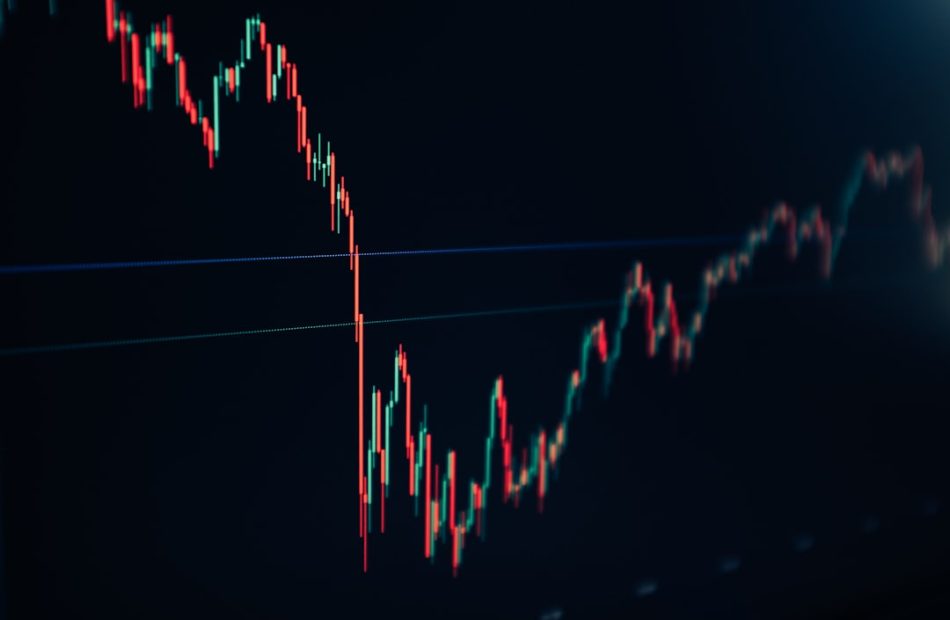
Have you ever looked at a price chart and felt like you were staring at a foreign language? Bars, lines, and zigzags can feel overwhelming—but there’s one tool that turns that noise into a clear story: Japanese candlestick patterns. These ancient formations, used by rice traders in 18th-century Japan, are still the most intuitive way to read market sentiment. Once you understand them, you’ll start seeing buying pressure, selling exhaustion, and potential reversals as clearly as a red light or green light.
How It Works
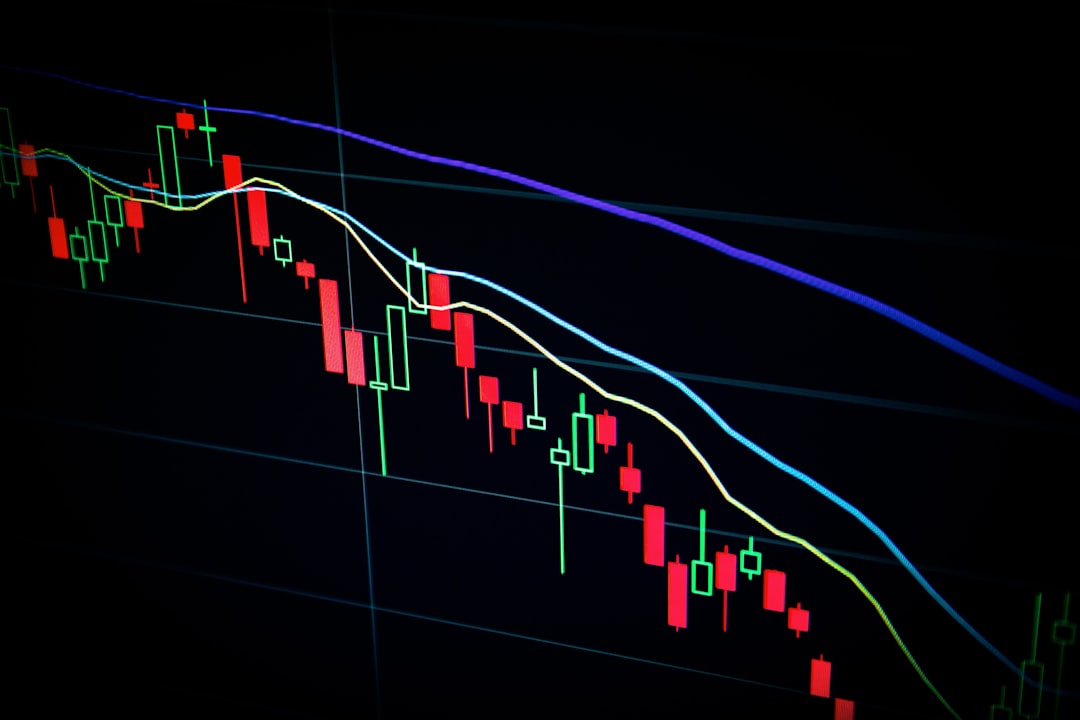
Each candlestick represents a specific time period (like 1 hour or 1 day). The “body” shows the opening and closing price, while the “wicks” (or shadows) show the high and low. When the close is higher than the open, the body is typically green or white—indicating buyers are in control. When the close is lower, the body is red or black—sellers are in charge. But the real magic happens when you spot patterns formed by two or three candles.
The Setup
Let’s break down three essential patterns every beginner should know:
1. The Hammer (Bullish Reversal)
- Appearance: A single candle with a small body at the top and a long lower wick (at least twice the body length).
- What it tells you: Sellers pushed the price down during the session, but buyers stepped in and drove it back up near the opening. This shows strong buying support at lower levels.
- When to use it: After a downtrend. The longer the wick, the stronger the signal.
2. The Shooting Star (Bearish Reversal)
- Appearance: A single candle with a small body at the bottom and a long upper wick.
- What it tells you: Buyers pushed the price high, but sellers took over and forced it back down. This indicates selling pressure at higher prices.
- When to use it: After an uptrend. Look for confirmation with a red candle the next day.
3. The Engulfing Pattern (Strong Reversal)
- Appearance: Two candles. The second candle’s body completely “engulfs” the first candle’s body.
- Bullish Engulfing: A red (or black) candle is followed by a larger green candle that covers it. This signals a shift from selling to buying.
- Bearish Engulfing: A green candle is followed by a larger red candle that covers it. This signals a shift from buying to selling.
- When to use it: At the end of a trend. The bigger the second candle, the more reliable the pattern.
Risk Management
No pattern is 100% accurate. Even the most classic hammer can fail if the overall trend is too strong. Here’s how to protect yourself:
- Always wait for confirmation: Don’t enter a trade as soon as you see a pattern. Wait for the next candle to close in the expected direction.
- Use stop-losses: Place your stop-loss below the low of a hammer (for a buy) or above the high of a shooting star (for a sell). This limits your loss if the pattern fails.
- Combine with support/resistance: A hammer at a known support level is far more powerful than one in the middle of nowhere. Similarly, a shooting star at resistance is a stronger signal.
- Risk only 1-2% of your account per trade. Candlestick patterns help you enter, but risk management keeps you in the game.
Conclusion
Japanese candlestick patterns turn raw price data into a visual story of fear, greed, and opportunity. Start by practicing on a demo account: look for hammers after drops, shooting stars after rallies, and engulfing patterns at key levels. Over time, you’ll develop an intuition for market psychology that no indicator can replace. Remember, these patterns are tools—not guarantees. Use them with patience, discipline, and solid risk management, and you’ll trade with the confidence of a seasoned pro.
The Rise of AI Agents in Crypto: A Complete Guide
Introduction
Artificial intelligence is reshaping the cryptocurrency landscape. From automated trading bots to decentralized AI marketplaces, AI agents are becoming a cornerstone of the next crypto bull run. This guide explores what AI agents are, how they work in crypto, and how you can leverage them for smarter investing and trading.
Key Concepts
- AI Agent: An autonomous software program that performs tasks on behalf of a user — in crypto, this includes trading, portfolio management, and data analysis.
- On-chain AI: AI models running directly on blockchain networks, ensuring transparency and immutability of decisions.
- DeFAI (Decentralized Finance + AI): The intersection of DeFi protocols and AI agents for automated yield farming, arbitrage, and risk management.
- AI Tokens: Native tokens of AI-focused blockchain projects (e.g., FET, AGIX, RNDR) used for governance, staking, or paying for AI services.
- Autonomous Trading Bots: AI agents that execute trades based on predefined strategies, sentiment analysis, or market patterns.
Pro Tips
- Start with a small allocation: AI crypto projects are highly volatile. Never invest more than 5-10% of your portfolio in this niche.
- Understand the underlying model: Not all AI tokens are equal. Research whether the project has a working product, real partnerships, and a clear roadmap.
- Use AI agents for research, not just trading: Tools like ChatGPT or specialized crypto AI agents can analyze whitepapers, track sentiment, and summarize news in seconds.
- Diversify across AI subsectors: Look at AI infrastructure (compute, data), AI applications (trading, analytics), and AI metaverse projects.
- Stay updated on regulations: AI in crypto is still a gray area. Keep an eye on SEC and EU crypto regulations that may impact AI tokens.
💡 Pro Tip
Looking for altcoin opportunities and smooth trading? Try KuCoin.
FAQ Section
What is an AI agent in crypto?
An AI agent in crypto is an autonomous program that uses machine learning to analyze data, make decisions, and execute actions like trading, staking, or managing a portfolio without human intervention.
Are AI crypto tokens a good investment?
AI tokens can offer high upside but come with significant risk. They are often early-stage projects with unproven technology. Always do your own research and consider them as a high-risk, high-reward part of a diversified portfolio.
How do I start using AI agents for trading?
You can start by using platforms like 3Commas, Cryptohopper, or custom bots on KuCoin. Many exchanges now offer built-in AI trading features. For more details on this, check out our guide on KYC vs No-KYC Exchanges: Privacy Guide 2026.
What is DeFAI?
DeFAI stands for Decentralized Finance + Artificial Intelligence. It refers to AI-powered tools that automate DeFi strategies such as yield farming, arbitrage, and liquidation protection.
Can AI agents replace human traders?
Not entirely. AI agents excel at speed and data processing, but they lack human intuition and adaptability to black-swan events. The best approach is to combine AI insights with your own judgment. You might also be interested in reading about The Trader’s Secret Weapon: How to Build a Trading Journal That Actually Works.
Conclusion
The rise of AI agents in crypto is not just a trend — it’s a paradigm shift. As blockchain and AI technologies converge, we are entering an era of autonomous, intelligent, and decentralized systems. Whether you are a trader, investor, or developer, understanding AI agents will give you a competitive edge. Start small, stay informed, and always prioritize security and due diligence.
Clarity Act Faces Critical Summer Deadline as Midterms Loom
July 5, 2026 — The Clarity Act remains in limbo after missing its July 4 target date, with Congress facing a shrinking window to pass the crypto legislation before the midterm elections disrupt momentum. Negotiations continue behind the scenes, but time constraints and political hurdles threaten the bill’s 2026 passage.
Immediate Details & Direct Quotes
Looking for altcoin opportunities and smooth trading? Try KuCoin.
The Clarity Act was not signed into law on July 4 as White House adviser Patrick Witt had hoped in May, according to a CoinDesk report. Three people following the process told CoinDesk late last week that they remain optimistic about the bill’s chances this year, despite Congress being out of session much of the summer.
“Staffers were still meeting to hash out the various issues, including reconciling the Senate Agriculture Committee and Senate Banking Committee versions of the bill,” one person familiar with the negotiations said. The Senate only needs to be in session for a few days to publicly debate and vote on the legislation, another person noted, suggesting the process “shouldn’t take that long — perhaps a few days to invoke cloture and get 60 votes to pass the bill.”
President Donald Trump’s 2025 financial disclosure added new urgency to the ethics debate. The filing revealed $1.4 billion in crypto-related income from his memecoin company, World Liberty Financial token sales, and sales to an Abu Dhabi sheikh’s firm. Trump also disclosed holding north of $100 million in various cryptocurrencies.
Senator Elizabeth Warren called for an ethics provision in the Clarity Act following the disclosure. “The crypto legislation heading to the Senate floor must prevent the president, vice president, senior administration officials, members of Congress and their families from profiting off the crypto industry,” Warren said. “If it does not, it will only turbocharge Donald Trump’s brazen crypto corruption.”
Market Context & Reaction
Senator Ruben Gallego, one of two Democrats to vote the bill out of committee, said in a post on X that he would do “everything I can to crack down on [Trump’s] corrupt crypto dealings.” During the May markup hearing, Gallego stressed that the bill needed “real, enforceable standards” on ethics.
Democrats, including Gallego and Senator Angela Alsobrooks, have made clear they want restrictions preventing senior government officials from profiting off crypto before supporting the bill’s passage. The ethics agreement is expected to be among the last issues finalized, after the various drafts are reconciled.
The U.S. Supreme Court ruling allowing the president to fire independent agency commissioners at will also complicates negotiations. Democrats have requested Trump fill the Securities and Exchange Commission and Commodity Futures Trading Commission with bipartisan commissioners, a demand that remains on the table.
As of press time, Trump had not signed the bipartisan housing bill that Congress passed last month, after saying he wouldn’t until Congress passed a voting ID bill. Congress sent the bill to Trump early last week. If he does nothing after 10 days, it becomes law automatically.
Background & Historical Context
The Clarity Act represents a significant effort to establish federal crypto regulations. If it doesn’t pass before the midterm elections, the outcome becomes uncertain. If the House or Senate flips, Democrats would likely want to put their own stamp on the bill.
The House of Representatives has struggled to make progress on even procedural issues. Politico reported that the House and Senate majority leaders’ “pre-midterm to-do list is looking increasingly unattainable.” Punchbowl News’ Jake Sherman described “the House is in a really crazy state of paralysis.”
The Senate is weighing the House’s dysfunction, which may be harming negotiators’ sense of urgency. The next critical date is Aug. 7, 2026, the last day of the Senate term before the summer recess and campaign season. While Congress returns for several weeks in September, other priorities like the National Defense Authorization Act compete for attention.
What This Means
The Clarity Act’s fate hangs on several factors coming together quickly. Senate staffers must reconcile competing committee versions of the bill, negotiate a White House-approved ethics provision, and secure at least 60 votes for cloture.
For the crypto industry, a pre-midterm passage would provide regulatory clarity under the current administration. A delay past November risks the bill being rewritten or abandoned entirely if political control shifts.
Investors should monitor the Aug. 7 deadline closely. If negotiators fail to advance the bill before the summer recess, the legislative calendar becomes increasingly crowded with competing priorities, making 2026 passage significantly less likely. The coming weeks represent a genuine crunch time for U.S. crypto policy.
Bitcoin Halving: Your Historical Cycle Roadmap for 2024–2025
If you’ve been around crypto for a few months, you’ve heard the phrase “Buy the halving, sell the peak.” But what does that actually mean? The Bitcoin halving is one of the most predictable and powerful events in all of finance. Every four years, the block reward for mining Bitcoin is cut in half, reducing new supply. Historically, this supply shock has ignited massive bull runs that last 12–18 months after the event.
In this post, we’ll walk through the three historical halving cycles (2012, 2016, 2020), identify the repeating patterns, and give you a clear, actionable strategy for the upcoming 2024 halving. No hype, no fear — just data-backed trading ideas.
How It Works
Bitcoin’s code enforces a halving every 210,000 blocks (roughly every four years). The first halving in 2012 cut the reward from 50 BTC to 25 BTC. The second in 2016 cut it to 12.5 BTC. The third in 2020 cut it to 6.25 BTC. The next halving is expected in April 2024, dropping the reward to 3.125 BTC.
The logic is simple: fewer new coins entering the market means scarcity increases. If demand stays the same or grows, price must rise. Historical data strongly supports this.
The Historical Pattern
Let’s look at each cycle’s price action:
2012 Halving (Nov 28, 2012)
- Pre-halving price: ~$12
- Peak (Dec 2013): ~$1,150
- Cycle gain: ~95x
- Time to peak: ~12 months
2016 Halving (Jul 9, 2016)
- Pre-halving price: ~$650
- Peak (Dec 2017): ~$19,800
- Cycle gain: ~30x
- Time to peak: ~17 months
2020 Halving (May 11, 2020)
- Pre-halving price: ~$8,600
- Peak (Nov 2021): ~$69,000
- Cycle gain: ~8x
- Time to peak: ~18 months
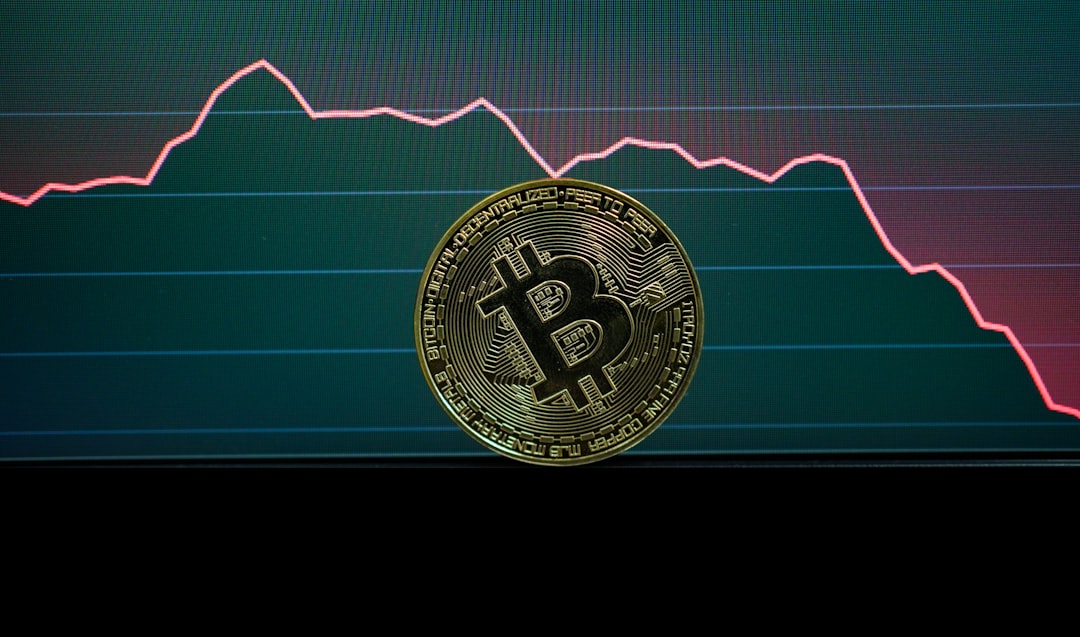
Notice the pattern: each cycle’s peak came 12–18 months after the halving, and the gains diminished as Bitcoin matured. That’s normal for an asset that grows its market cap. The key takeaway: the biggest price moves happen in the year following the halving, not before it.
The Setup
Here’s a simple strategy you can use for the 2024 halving:
1. Accumulate before the halving – Buy gradually in the 3–6 months leading up to the event. Don’t try to time the exact bottom. Dollar-cost average (DCA) weekly.
2. Hold through the post-halving dip – Sometimes price drops slightly right after the halving (as it did in 2016 and 2020). This is normal. Stay patient.
3. Target selling 12–18 months after halving – Look for signs of euphoria: parabolic price action, mainstream media hype, and everyone around you talking about crypto. Those are your exit signals.
4. Use a trailing stop – If you want to ride the trend but protect profits, set a trailing stop-loss at 20–25% below the current price. If price drops that much, you lock in gains.
Risk Management
No strategy is perfect. Here’s how to stay safe:
- Don’t go all-in. Halving cycles are powerful, but they are not guaranteed. External factors (regulation, macroeconomics, black swans) can disrupt the pattern.
- Take partial profits. When you’re up 2x, 3x, or 5x, sell a portion of your position (e.g., 25–50%). This locks in gains and reduces stress.
- Ignore the noise. You will see headlines screaming “This time is different” or “Bitcoin is dead.” Stick to your plan. History doesn’t repeat perfectly, but it often rhymes.
- Have a plan for the bear market. After the peak, Bitcoin typically falls 70–80% over the next year. Know your exit strategy before the euphoria fades.
Conclusion
The Bitcoin halving is a rare event where supply mechanics align with human psychology to create explosive bull runs. By studying the 2012, 2016, and 2020 cycles, you can build a clear, repeatable strategy. Remember: accumulate before the halving, hold through the volatility, and take profits 12–18 months after. Use risk management to protect your capital.
Trading is not about being right all the time — it’s about making smart decisions with a historical edge. The 2024 halving is your next opportunity. Prepare now, execute later, and enjoy the ride.
Disclaimer: This is for educational purposes only. Past performance does not guarantee future results. Always do your own research.