
Why Are Crypto Prices Falling? AI Stocks Attract Buyers as Bitcoin, ETH, and Dogecoin Drop
Did you know that while the S&P 500 equal-weight index hit a record high this week, major cryptocurrencies fell nearly 10%? For crypto beginners watching their portfolios dip, this might seem confusing. Why would stocks rally while crypto tumbles? The answer lies in where investor money is flowing right now. This week, artificial intelligence (AI) stocks are luring buyers away from digital assets, causing Bitcoin to slip 5%, while Ethereum, Dogecoin, and XRP saw even steeper declines. In this guide, we’ll break down what’s happening in simple terms, explain why crypto is lagging behind traditional markets, and help you understand the key factors driving these price movements. You’ll learn about ETF outflows, the strong dollar’s impact, and how to make sense of market rotations without the jargon.
Read time: 8-10 minutes
Understanding Market Rotation for Beginners
Market rotation is when investors shift their money from one type of asset to another. Think of it like moving your grocery budget from pasta to rice because pasta got too expensive. In financial markets, investors constantly move money between different sectors—tech stocks, energy, bonds, or cryptocurrencies—based on where they see the best opportunities.
Why does this happen? Investors are always looking for the next big thing. When a new trend emerges—like artificial intelligence—they sell assets that aren’t performing as well to buy into the hot new sector. This week, AI stocks are the “rice”—everyone wants them. Crypto assets like Bitcoin, Ethereum, and Dogecoin are the “pasta”—they’re being sold to free up cash.
A real-world example: Imagine you have $1,000 invested across different assets. If AI stocks suddenly look promising because of new technology breakthroughs, you might sell some of your crypto holdings to buy more AI stocks. That selling pressure pushes crypto prices down. This is exactly what’s happening now. The key insight for beginners: market rotation doesn’t mean crypto is broken—it means other investments are temporarily more attractive.
The Technical Details: How Crypto Prices Move With Market Flows
Understanding price movements requires looking at three key components that interact constantly:
1. Investor Sentiment (The Mood): When fear dominates, money flows out. When greed dominates, money flows in. Right now, the mood is mixed—excited about AI stocks, cautious about crypto.
2. Liquidity (Available Cash): How much cash is sitting on the sidelines ready to buy? Less cash flowing into crypto means prices drop unless selling pressure decreases.
3. External Factors (News & Events): ETF outflows, Federal Reserve decisions, and dollar strength all influence prices.
Infographic suggestion: A flow diagram showing “Investor Money → AI Stocks ↑ / Crypto ↓” with arrows indicating the rotation.
How these components interact: When AI stocks rise, media attention shifts there. More investors want in. To buy AI stocks, many sell crypto holdings. This selling pressure causes crypto prices to fall. Then, falling prices trigger fear, leading to more selling (called “panic selling” or “liquidations” among leveraged traders). This creates a downward spiral.
Why this structure matters for you: Understanding this flow helps you avoid panic during market dips. Instead of wondering “why is my portfolio down?” you can recognize it as a short-term rotation—not a fundamental problem with crypto itself.
Current Market Context: Why This Matters Now
As of late June 2026, the numbers paint a clear picture. Here’s what happened this week:
- Dogecoin (DOGE): Fell 9.6% to about $0.076
- Hyperliquid’s HYPE: Dropped 9.9%
- Ethereum (ETH): Slipped 8.4% to roughly $1,581
- XRP: Declined 7.8% to around $1.06
- Bitcoin (BTC): Held up better, down 5.3% to about $60,345, after briefly touching $58,800 on Friday
Why is this happening now? Three main factors are weighing on crypto:
1. U.S. Spot Bitcoin ETF Outflows: Institutional investors are pulling money from Bitcoin ETFs, reducing demand.
2. Hawkish Federal Reserve: The Fed is keeping interest rates higher for longer, which makes riskier assets like crypto less attractive compared to safe bonds.
3. Strong U.S. Dollar: A strong dollar typically pressures crypto prices, as investors prefer dollar-denominated assets.
Meanwhile, the stock market tells a different story. Wall Street is rotating out of the chipmakers that previously led the market and into broader companies tied to steady growth. The equal-weight S&P 500 hit a record high—meaning most stocks are rising, not just the big tech names. But crypto isn’t catching any of this enthusiasm.
As Alex Kuptsikevich, FxPro chief market analyst, noted: “Bitcoin approached $58K at its lows… but aggressive buying quickly pushed it back into the $60K range. This pattern resembles margin position liquidations during downtrend spikes, followed by strong buying on pending orders during the recovery.”
Competitive Landscape: How Major Cryptocurrencies Are Weathering the Storm
How do different cryptocurrencies compare during this market rotation? Here’s a snapshot:
| Cryptocurrency | Weekly Performance | Key Support Level | Why It’s Different |
|---|---|---|---|
| Bitcoin (BTC) | -5.3% | $58,800 (tested twice) | Most resilient; institutional buying on dips |
| Ethereum (ETH) | -8.4% | $1,500 (estimated) | More volatile; DeFi and NFT exposure adds risk |
| Dogecoin (DOGE) | -9.6% | $0.07 (psychological level) | Highly speculative; memecoin volatility |
| XRP | -7.8% | $1.00 (round number) | Legal clarity issues still unresolved |
| Solana (SOL) | ~0% (flat) | $70 | Held up best; strong ecosystem and developer activity |
| Tron (TRX) | ~0% (flat) | $0.30 | Stable due to USDT dominance on its network |
Why this matters: Not all cryptos react the same way to market pressure. Bitcoin, as the largest and most established, shows the most resilience. Smaller, more speculative coins like Dogecoin suffer the worst losses. This is typical—during market stress, money moves to safer assets first, then trickles down to riskier ones.
Practical Applications: Real-World Use Cases for Understanding Market Cycles
Why should the average crypto user care about market rotations? Here’s how this knowledge helps:
- Dollar-Cost Averaging (DCA) Planning: When markets dip due to rotations like this, it’s often a good opportunity to buy at lower prices. Regular, smaller purchases smooth out volatility.
- Portfolio Rebalancing: If you hold multiple cryptocurrencies, understanding which ones are more resilient helps you decide where to allocate new funds. Bitcoin and Ethereum typically recover faster than memecoins.
- News Literacy: Not every price drop means something is wrong with a project. Recognizing market rotation helps you separate signal from noise.
- Risk Management: Knowing that speculative coins drop hardest during sell-offs helps you adjust your risk exposure. If you’re risk-averse, consider allocating more to Bitcoin during uncertain times.
- Exit Strategy Timing: During strong AI stock rallies, crypto often lags. This doesn’t mean sell everything—it means be patient. History shows crypto markets eventually catch up when investor attention returns.
Risk Analysis: Expert Perspective
Primary Risks:
1. Continued ETF Outflows: If institutional selling persists, Bitcoin could test lower support levels around $55,000-$58,000.
2. Federal Reserve Policy: Higher-for-longer interest rates could keep crypto under pressure for weeks or months.
3. Strong Dollar Headwind: A continued strong dollar may limit crypto’s upside until the trend reverses.
4. Leverage Liquidations: As Kuptsikevich noted, leveraged traders getting liquidated can trigger sudden, sharp drops.
Historical Precedent: In 2017, when Bitcoin hit $20,000 for the first time, it went through several corrections of 30-40% before eventually recovering to new highs. Similarly, during the 2021 bull run, major dips of 20-30% were common. This week’s 5-10% drop is mild by comparison.
Mitigation Strategies:
- For traders: Set stop-loss orders below key support levels to limit losses.
- For long-term holders: Ignore short-term noise; history shows Bitcoin recovers from every major dip.
- For beginners: Avoid leveraged trading during volatile periods. Stick to spot (regular) purchases.
Expert Consensus: Most analysts agree this is a temporary rotation, not a structural problem. The crypto market has survived similar rotations before. The key is patience.
Future Outlook: What’s Next
What can we expect in the coming weeks and months? Based on current trends:
1. Short-term: AI stock enthusiasm may continue to pull money from crypto. Bitcoin could test $58,000 support again. If it holds, expect a bounce back toward $62,000-$65,000.
2. Medium-term: Once AI stock momentum stabilizes, money could flow back into crypto. Historically, rotations like this last 4-8 weeks.
3. Key Catalysts: Fed interest rate decisions, U.S. economic data, and any major crypto-specific news (like ETF approvals or regulatory clarity) could shift sentiment quickly.
Temporal phrasing: “Expected to” continue for the next 2-4 weeks before stabilizing. “Recently announced” ETF outflows suggest institutional caution. “In development” are potential catalysts like new product launches or regulatory frameworks.
Key Takeaways
- Market rotation is moving money from crypto to AI stocks, causing temporary price drops across major cryptocurrencies.
- Bitcoin is the most resilient, falling only 5% compared to Dogecoin’s 10% decline, showing the value of established assets during stress.
- Three key factors—ETF outflows, Fed policy, and a strong dollar—are weighing on crypto and may continue to do so in the short term.
- Understanding market cycles helps you avoid panic selling and make informed decisions about buying opportunities during dips.
Ripple CEO Criticizes Saylor’s Bitcoin Strategy as STRC Hits Record Low
June 27, 2026 — Ripple CEO Brad Garlinghouse said he remains bullish on bitcoin but argued that Michael Saylor’s preferred-share funding model for buying the cryptocurrency has damaged the broader market, pointing to Strategy’s STRC stock sliding to a record low as evidence of the strategy’s failure.
Immediate Details & Direct Quotes
Low fees are crucial when trading breaking news. We recommend MEXC for tight spreads and fast execution.
In a CNBC interview on Friday, Garlinghouse targeted the financial mechanism Strategy has used to accumulate its bitcoin holdings. The company has issued preferred shares—a class of stock paying a fixed dividend—to raise cash for additional bitcoin purchases over the past year. Its STRC preferred share carries an 11.5% annual dividend and is designed to trade near $100.
“Financial engineering does not drive long-term value,” Garlinghouse said. He argued that the lasting value of any digital asset comes from its usefulness. “Team Michael Saylor wasn’t focused on the right stuff and that has hurt the overall market.”
Garlinghouse called STRC trading about 25% below its $100 par value a “damning indictment” of the strategy. The stock hit a record low on Thursday, falling as much as 26% below par. Strategy’s common stock dropped to its lowest since February 2024 and closed around $82 on Friday.
Despite the criticism, Garlinghouse separated his view on the asset itself, stating he remains bullish on bitcoin.
Market Context & Reaction
The pressure on Strategy’s model intensified as bitcoin slipped below $59,000. When STRC trades below $100, Strategy’s engine for issuing new shares and buying additional bitcoin stalls, which is why the company has paused the program.
CryptoQuant released a report this week recommending that Strategy pause its bitcoin buying and rebuild its cash reserves. The report noted that the cushion behind STRC’s dividends has thinned from more than seven years of coverage to approximately 14 months.
Benchmark-StoneX analyst Mark Palmer offered a different perspective, arguing that Strategy’s funding engine has become “less efficient” rather than broken. He rejected comparisons between STRC and assets that have collapsed outright.
As of June 27, 2026, Strategy’s common stock trades around $82 while STRC remains below its $100 par value, with market participants watching closely for any recovery in the funding model.
Background & Historical Context
Strategy (formerly MicroStrategy) has used the preferred-share model for about one year to fund its ongoing bitcoin acquisition strategy. The company has become one of the largest corporate holders of bitcoin, with Michael Saylor serving as the public face of the aggressive accumulation approach.
Garlinghouse runs Ripple, the company behind XRP, which is often viewed as a bitcoin rival. His comments come at a time when the broader crypto market faces increased scrutiny over funding mechanisms and sustainable value creation.
The criticism lands during a week of mounting pressure on Strategy’s financial model, with market participants questioning the long-term viability of using debt-like instruments to fund cryptocurrency purchases.
What This Means
Garlinghouse’s comments signal growing skepticism among industry leaders about using complex financial engineering to fund crypto acquisitions. If STRC continues trading below par, Strategy may need to find alternative funding sources for future bitcoin purchases.
The situation highlights the tension between viewing bitcoin purely as a store of value and evaluating the financial instruments used to acquire it. Market participants should monitor whether Strategy can restore confidence in its preferred-share model or will need to pivot to other funding mechanisms.
For crypto investors, the debate underscores the importance of distinguishing between the underlying asset—which Garlinghouse remains bullish on—and the financial products used to access it. Further developments in Strategy’s funding strategy could have ripple effects across the broader crypto market.
—

Trading the AI Agent Narrative in Crypto
The AI agent narrative is one of the hottest trends in crypto right now, blending artificial intelligence with blockchain to create autonomous bots that trade, manage DeFi positions, or even generate content. For traders, this isn’t just hype—it’s a repeatable opportunity. In this post, we’ll break down how to trade this narrative from start to finish, with clear setups and risk management tips.
How It Works
AI agents are software programs that act independently on-chain. Think of them as “smart bots” that can execute strategies without human input. Projects like Fetch.ai, Autonolas, or newer AI-agent tokens (e.g., those on Solana or Base) are gaining traction. The narrative cycle typically follows three phases:
- Discovery: A new AI agent project launches or gets mentioned by influencers. Price spikes.
- Adoption: The project gains real usage or partnerships. Price trends up.
- Saturation: Too many copycats appear. Hype fades, and prices correct.
As a trader, you want to enter during Discovery or early Adoption and exit before Saturation.
The Setup
Here’s a step-by-step strategy for trading the AI agent narrative:

1. Monitor Social Signals: Watch Twitter (X), Discord, and Telegram for mentions of new AI agent projects. Look for accounts with high engagement (likes, retweets) but not yet mainstream.
2. Check On-Chain Activity: Use tools like Dune Analytics or DexScreener to see if a project has real transactions. If the agent is actually doing something (e.g., trading on Uniswap), that’s a green flag.
3. Enter on Breakout: Once you see a project with solid social buzz and on-chain activity, wait for a breakout above a key resistance level (e.g., 24-hour high). Enter with a limit order.
4. Set a Target: Use the previous narrative’s peak as a guide. For example, if similar AI agent tokens ran 3x before correcting, set your take-profit at 2.5x to be safe.
5. Exit on Weakness: If social mentions drop or the project’s TVL (total value locked) stalls, sell half your position. Let the rest ride with a trailing stop.
Risk Management
AI agent tokens are extremely volatile. Here’s how to protect your capital:
- Position Size: Never risk more than 2% of your portfolio on a single AI agent trade. These coins can drop 50% in hours.
- Stop Loss: Place a stop-loss at 15-20% below entry. If the narrative fizzles, you’ll escape with a small loss.
- Take Profit in Stages: Sell 30% at 1.5x, 30% at 2x, and leave the rest for moon shots. This locks in gains while keeping upside.
- Avoid FOMO: If a token is already up 5x, skip it. The easy money is gone, and you’re likely the exit liquidity.
Conclusion
Trading the AI agent narrative is about timing, not just picking winners. By monitoring social signals, checking on-chain data, and sticking to your risk rules, you can ride these waves without getting wrecked. Remember: narratives fade, but discipline lasts. Start small, learn the cycle, and scale up as you gain confidence. Happy trading!
Real World Assets (RWA): How Tokenization Changes Investing
Introduction
Real World Assets (RWA) tokenization is revolutionizing the investment landscape by bridging traditional finance with blockchain technology. By converting physical and financial assets—such as real estate, commodities, bonds, and art—into digital tokens on a blockchain, RWA tokenization unlocks liquidity, fractional ownership, and global accessibility. This guide explores how tokenization changes investing, the key concepts behind RWAs, and actionable tips for getting started.
Key Concepts
- Tokenization: The process of representing ownership of a real-world asset as a digital token on a blockchain. Each token corresponds to a fraction of the underlying asset, enabling fractional investing.
- Fractional Ownership: Investors can buy small portions of high-value assets (e.g., a commercial building or a fine art piece) that were previously out of reach for most individuals.
- Liquidity: Tokenized assets can be traded on secondary markets 24/7, providing liquidity that traditional assets often lack.
- Smart Contracts: Self-executing contracts automate compliance, dividend distribution, and ownership transfers, reducing administrative costs and intermediaries.
- Regulatory Compliance: Many RWA projects adhere to KYC/AML regulations, ensuring legal recognition and investor protection.
Pro Tips
- Start with liquid RWAs: Focus on tokenized stablecoins, treasuries, or commodities like gold before venturing into illiquid assets like real estate.
- Check the oracle infrastructure: Accurate price feeds are critical for RWA tokens. Ensure the project uses reliable oracles like Chainlink.
- Diversify across asset classes: Spread your investments across different RWA categories (real estate, bonds, art) to mitigate risk.
- Monitor regulatory developments: RWA regulations vary by jurisdiction. Stay updated on legal frameworks in your region.
FAQ Section
What are Real World Assets (RWA) in crypto?
RWAs are tangible or financial assets (like real estate, bonds, or commodities) that are represented as digital tokens on a blockchain, enabling fractional ownership and trading.
How does tokenization change investing?
Tokenization lowers barriers to entry, increases liquidity, reduces transaction costs, and allows for 24/7 global trading of assets that were previously illiquid or exclusive to institutional investors.
Is RWA investing safe?
While tokenization adds transparency and automation, risks include smart contract bugs, regulatory uncertainty, and reliance on oracles. Always conduct due diligence and invest only what you can afford to lose.
What are the most popular RWA tokens?
Examples include tokenized treasuries (e.g., Ondo Finance), real estate tokens (e.g., RealT), and commodity-backed tokens (e.g., PAX Gold).
Conclusion
Real World Asset tokenization is reshaping the investment world by democratizing access to high-value assets, enhancing liquidity, and streamlining operations through blockchain technology. As the ecosystem matures, early adopters can benefit from diversified portfolios and new income streams. For more details on this, check out our guide on Bitget Enters Argentina’s Regulated Crypto Market: What This Means for Latin American Users. You might also be interested in reading about Understanding Gas Fees: How to Save Money on Ethereum. Start exploring RWA opportunities today with a reliable exchange like MEXC to minimize costs and maximize returns.
Australia’s Crypto License Extension: What It Means for Your Investments
Did you know Australia’s securities regulator has received about 30 license applications from digital asset firms since late 2025? This signals a major shift toward formal regulation in one of the world’s most active crypto markets. On June 26, 2026, the Australian Securities and Investments Commission (ASIC) extended its no-action relief for crypto firms, giving them until September 30, 2026, to secure proper licenses. This matters because it affects where you buy, sell, and hold digital assets. Understanding Australia’s evolving crypto license framework helps you identify safer platforms and avoid unregulated risks. This guide explains what these license changes mean, which services are covered, and how they impact your crypto journey.
Read time: 10-12 minutes
Understanding Crypto Licenses for Beginners
A crypto license is a regulatory approval that allows a company to legally operate a digital asset business in a specific jurisdiction. Think of it like a driver’s license for crypto exchanges—without it, they can’t legally offer their services to local customers. Just as you wouldn’t trust an unlicensed taxi driver, licensed crypto platforms must meet strict standards for security, customer protection, and financial reporting.
Why were these licenses created? Australia, like many countries, wants to protect consumers while allowing innovation. Without licenses, crypto firms could operate without oversight, increasing risks of fraud, hacking, or mismanagement. The Australian government mandates that all local cryptocurrency exchanges and custodians obtain formal financial services licenses to ensure they follow the same rules as traditional financial institutions.
A real-world example: If you use an Australian exchange that has applied for a license, your funds are protected by mandatory custody rules and dispute resolution processes. An unlicensed platform might not offer these safeguards, leaving you vulnerable.
The Technical Details: How Australia’s Licensing System Works
Australia’s licensing system involves several key components and steps. Here’s how it works:
1. Australian Financial Services (AFS) License: This is the primary license for crypto firms offering financial services. Companies must apply to ASIC, demonstrating they have adequate resources, compliance systems, and consumer protection measures.
2. Authorized Representative Arrangements: Smaller firms can operate under an existing AFS license holder’s authorization. ASIC expanded its relief to cover these arrangements, giving smaller players more time to comply.
3. Market and Clearing Licenses: Firms seeking to operate exchanges or clearing facilities need additional licenses. They must notify ASIC in writing of their intention and hold a pre-meeting with the regulator.
4. Transition Conditions: To benefit from the no-action relief, eligible firms must meet specific conditions, including demonstrating they are actively working toward licensing.
Why this structure matters: This tiered system allows both large exchanges and smaller startups to transition to full compliance at a manageable pace. For users, it means more platforms will eventually meet regulatory standards, improving overall market safety.
Current Market Context: Why This Matters Now
As of June 2026, Australia is implementing a landmark regulatory framework requiring all local cryptocurrency exchanges and custodians to obtain formal financial services licenses. This follows years of industry consultation and aligns with global trends toward crypto regulation.
The extension of ASIC’s no-action relief from June 30 to September 30, 2026, reflects the regulator’s “pragmatic response to industry transition challenges.” About 30 license applications have been received since October 2025, when ASIC updated its Information Sheet 225 (INFO 225), which clarifies how financial services laws apply to digital assets.
This timing is crucial because the regulation covers a wide range of digital asset services. However, ASIC has excluded certain high-risk products, including crypto lending and earn products, most digital asset payment facilities (except eligible stablecoins), and derivatives beyond wrapped tokens. This selective approach aims to balance innovation with investor protection.
Competitive Landscape: How Australia’s Approach Compares
Australia’s regulatory framework differs from other major jurisdictions. Here’s how it stacks up:
| Feature | Australia (ASIC) | European Union (MiCA) | United States (SEC/CFTC) |
|---|---|---|---|
| Primary Framework | Financial services licenses under existing law | Comprehensive Markets in Crypto-Assets (MiCA) regulation | Fragmented; securities and commodities laws |
| Scope | Broad, covering most digital asset services | Wide-ranging, including stablecoins | Unclear; case-by-case enforcement |
| Relief Period | Extended to Sept 30, 2026 | Transition periods varying by member state | Limited no-action relief |
| Key Exclusion | Lending, earn products, most payment facilities | Certain decentralized finance (DeFi) activities | Pending legislative clarity |
| User Protection | Strong, with mandatory compliance systems | Comprehensive consumer safeguards | Uneven across states |
Why this matters: Australia’s clarity provides a predictable environment for crypto firms, potentially attracting more legitimate businesses. For users, this means safer platforms but fewer high-risk products like lending services.
Practical Applications: Real-World Use Cases
How does Australia’s crypto license extension affect your daily crypto activities?
- Choosing a Safe Exchange: Only use Australian exchanges that have applied for or hold an AFS license. Look for license numbers on their website or check ASIC’s register.
- Avoiding Unlicensed Services: Stay away from platforms offering crypto lending or earn products, as these are excluded from the relief and likely operating without regulatory oversight.
- Understanding Your Rights: Licensed platforms must follow consumer protection rules, including dispute resolution and fund segregation. This gives you legal recourse if something goes wrong.
- Reporting Issues: If you encounter problems with a licensed platform, you can report them to ASIC, which retains enforcement powers for serious misconduct.
- Planning for the Future: After September 30, unlicensed platforms may be forced to cease operations or face penalties. Move your funds to compliant platforms now.
Risk Analysis: Expert Perspective
Primary Risks:
1. Regulatory Gap: The extended deadline means some firms may not be fully compliant until October 2026, leaving a window for potential misconduct.
2. Exclusion of Certain Services: The no-action relief doesn’t cover crypto lending, earn products, or most payment facilities. Users of these services have no regulatory protection.
3. Enforcement Discretion: ASIC can still take action against serious misconduct even during the relief period. This creates uncertainty for firms.
Mitigation Strategies:
- Use only licensed or actively-applying platforms for core trading and custody.
- Avoid lending and earn products until they receive clear regulatory approval.
- Monitor ASIC announcements for updates on licensing status.
- Diversify across jurisdictions if possible, but prioritize regulated markets.
Expert Consensus: Industry experts view Australia’s approach as measured and practical. While the extended deadline shows regulatory flexibility, the exclusions signal that some crypto services remain high-risk. The move aligns with global trends toward regulation, but users should remain cautious.
Beginner’s Corner: Quick Start Guide
If you’re new to crypto and want to use Australian platforms safely, follow these steps:
1. Check Platform Licensing: Visit the exchange’s website and look for an AFS license number. Cross-reference it on ASIC’s professional registers.
2. Understand What’s Covered: Know that crypto trading and custody may be licensed, but lending, earn products, and payment services likely aren’t.
3. Avoid Unregulated Products: Don’t use platforms offering high-yield crypto lending or earn accounts—they’re excluded from regulatory protection.
4. Use Cold Storage: For long-term holdings, move funds to a hardware wallet you control. This reduces reliance on exchange security.
5. Stay Informed: Follow ASIC updates and news from reliable sources like CryptoSimplified.net to track regulatory changes.
Common Mistakes to Avoid:
- Assuming all exchanges are licensed just because they operate in Australia.
- Using lending or earn products without checking regulatory status.
- Keeping large funds on exchanges without considering custody risks.
Future Outlook: What’s Next
Looking ahead, Australia’s crypto regulatory landscape will continue evolving:
1. Post-Deadline Enforcement: After September 30, 2026, ASIC is expected to ramp up enforcement against unlicensed firms, potentially forcing closures or imposing fines.
2. Broader Framework Reforms: INFO 225 aligns with Australia’s Digital Asset Framework reforms. Expect more detailed rules for stablecoins, DeFi, and custody.
3. Industry Consolidation: Smaller firms unable to meet licensing costs may merge with larger operators, leading to fewer but more robust platforms.
4. International Alignment: Australia will likely coordinate with other jurisdictions, especially under the EU’s MiCA and global standards from FATF.
Regulatory Trends to Watch:
- Stablecoin regulation (excluded for now but under review)
- DeFi licensing requirements (likely in later phases)
- Cross-border compliance for international exchanges operating in Australia
Key Takeaways
- Australia extended its crypto license deadline to September 30, 2026, giving digital asset firms three more months to apply for or vary licenses.
- The no-action relief covers most trading and custody services, but excludes crypto lending, earn products, and most payment facilities.
- About 30 license applications have been received since October 2025, signaling industry movement toward compliance.
- ASIC retains enforcement powers for serious misconduct, even during the relief period.
- Users should prioritize licensed platforms and avoid unregulated products to protect their investments.
,
“datePublished”: “2026-06-27T00:01:12.807-04:00”,
“dateModified”: “2026-06-27T00:01:12.807-04:00”,
“mainEntity”: {
“@type”: “Thing”,
“name”: “Australia Crypto License Extension”
}
}
How to Spot a Honey Pot Scam: Safety Guide
Honey pot scams are one of the most deceptive traps in the crypto world. They lure investors with promises of easy profits, only to lock their funds away forever. This comprehensive guide will teach you how to identify and avoid honey pot scams, keeping your assets safe.
Key Concepts
- What is a Honey Pot Scam? A smart contract designed to appear legitimate but contains hidden code that prevents you from selling or withdrawing your tokens.
- Common Red Flags: Unusually high yields, anonymous developers, lack of liquidity locks, and complex tokenomics that favor the creator.
- How It Works: Scammers create a token, hype it on social media, and when investors buy in, the contract blocks sell orders or drains liquidity.
Pro Tips
- Always verify the contract source code on Etherscan or BscScan.
- Use tools like Honeypot.is or Token Sniffer to scan for malicious code.
- Check liquidity locks and ownership renouncement.
- Look for verified audits from reputable firms.
FAQ Section
What happens if I buy into a honey pot?
You will be unable to sell your tokens, and the scammer may drain liquidity, leaving you with worthless assets.
Can honey pot scams be avoided?
Yes, by using contract scanners, checking liquidity locks, and avoiding projects with anonymous teams or unrealistic promises.
Are honey pots illegal?
Yes, they are a form of fraud, but due to the pseudonymous nature of crypto, enforcement can be difficult.
Conclusion
Staying safe in crypto requires vigilance. By understanding honey pot scams and using the right tools, you can protect your investments. For more details on this, check out our guide on What Is Firedancer? A Beginner’s Guide to Solana’s New Validator Client. You might also be interested in reading about How to Trade the Gap Fill Strategy Like a Pro.
Carbon Credits: How Tokenization is Fixing the Market
The global carbon credit market, valued at over $2 billion in voluntary transactions alone, has long been plagued by opacity, double counting, and high transaction costs. Tokenization—the process of representing real-world assets on a blockchain—offers a structural fix. By moving carbon credits from fragmented, paper-based registries to transparent, programmable digital tokens, the market gains verifiable provenance, instant settlement, and fractional accessibility. This guide explains how tokenized carbon credits work, evaluates their investment potential, and provides actionable insights for both institutional and retail participants.
What Are Carbon Credits and Why Tokenize Them?
A carbon credit represents the right to emit one metric ton of carbon dioxide (or equivalent greenhouse gases). Off-chain, credits are issued by standards bodies (e.g., Verra, Gold Standard) and traded over-the-counter with limited price discovery. On-chain tokenization wraps each credit into a blockchain-based token—often an ERC-20 or similar standard—that can be traded 24/7 on decentralized exchanges or used as collateral in DeFi protocols. The key difference: off-chain credits rely on centralized registries and manual audits; on-chain credits embed verification data directly into the token, enabling real-time transparency and automated compliance.
How Tokenization Works: The Technical Process
The journey from a verified carbon project to a tradable token involves four critical steps:
- Project Verification: A carbon offset project (e.g., reforestation, renewable energy) is certified by a recognized standard like Verra’s VCS or Gold Standard. The project generates credits, each with a unique serial number.
- Special Purpose Vehicle (SPV): An SPV is created to legally hold the off-chain credits. This entity ensures that the underlying asset is ring-fenced and compliant with local regulations.
- Tokenization via Oracle: A trusted oracle (e.g., Chainlink or a dedicated carbon oracle) bridges the off-chain registry data to the blockchain. The oracle mints tokens that represent a specific number of credits, recording metadata such as vintage, project type, and certification body.
- On-Chain Trading: The tokenized credits are listed on secondary markets. Smart contracts govern retirement (permanent removal from circulation), preventing double spending. Each transaction is immutable and publicly auditable.
Investment Analysis: Pros, Cons, and Risks
Tokenized carbon credits offer a new asset class with distinct advantages and challenges. For a broader market view, check out our analysis on Security Tokens vs Utility Tokens: RWA Guide 2026.
Pros
- Liquidity: Fractional ownership allows small investors to buy portions of a credit, while 24/7 markets reduce the bid-ask spread typical of OTC trading.
- Transparency: Every credit’s lifecycle—from issuance to retirement—is recorded on-chain, reducing fraud and double counting.
- Programmability: Smart contracts can automate retirement upon sale, ensuring credits are not reused. This is a major upgrade over manual registry updates.
Cons and Risks
- Regulatory Uncertainty: Carbon credits are not universally classified as securities or commodities. Jurisdictions like the EU and US are still developing frameworks. Tokenized versions may face additional scrutiny under securities laws.
- Smart Contract Risk: Bugs in token contracts or oracle failures could lead to loss of funds or incorrect credit representation. Audited protocols reduce but do not eliminate this risk.
- Quality Variance: Not all carbon credits are equal. Some projects have been criticized for overestimating emission reductions. Tokenization does not solve the underlying quality issue—it only improves transparency.
Investors often compare this to How to Secure Your Crypto Wallet: A Step-by-Step Guide, as both require careful custody and verification practices.
Where to Trade Tokenized Carbon Credits
Several platforms now list tokenized carbon credits, including dedicated carbon exchanges and major cryptocurrency exchanges. For retail investors seeking low fees and high liquidity, MEXC offers a range of RWA tokens, including carbon credit projects. Low fees are crucial for this strategy. We recommend MEXC. Visit their platform to explore available pairs and start trading with competitive maker-taker rates. https://promote.mexc.co/a/PefPNW2g
Frequently Asked Questions
Are tokenized carbon credits legally recognized?
How do I verify the quality of a tokenized carbon credit?
Can I retire a tokenized carbon credit to offset my emissions?
Conclusion
Tokenization is not a cure-all for the carbon market’s structural flaws, but it is a powerful tool for increasing transparency, liquidity, and accessibility. Investors should approach with due diligence—focusing on audited protocols, high-quality underlying projects, and evolving regulations. As the market matures, tokenized carbon credits could become a cornerstone of both climate finance and diversified RWA portfolios. For those ready to participate, start with a regulated exchange that prioritizes low fees and robust security.
CLARITY Act Faces Senate Deadline as Midterm Elections Approach
June 26, 2026 — Senate leaders are under pressure to schedule a vote on the CLARITY Act before the midterm election calendar eliminates the window for bipartisan crypto legislation. Advocacy group Stand With Crypto warns that delaying the vote could waste months of compromise and progress on federal digital asset rules.
Immediate Details & Direct Quotes
Want to trade this news? Bitget offers professional charting tools and deep liquidity.
The Digital Asset Market Clarity Act awaits potential Senate floor action as lawmakers weigh when to bring the bill forward. Mason Lynaugh, executive director of Stand With Crypto, called on Senate leaders on June 25 to move the legislation, stating it would establish long-awaited federal guidelines for the digital asset sector.
“Crypto users, developers, and companies have continued to operate without a clear federal framework, creating ongoing uncertainty across the industry,” Lynaugh said. He emphasized the urgency: “There’s a limited window to get this done, with few remaining days left in the current Congress before the midterm elections. If Senate leaders don’t schedule a CLARITY Act vote in the coming weeks, an enormous amount of bipartisan work, compromise, and progress, could be wasted.”
The 2026 U.S. midterm general election is scheduled for November 3. The Senate’s tentative calendar includes extended state work periods in late summer and from October 5 through November 6, leaving limited legislative days before Election Day.
Market Context & Reaction
Stand With Crypto represents more than one million members and supporters, with hundreds of local chapters across the United States. The organization advocates for policies supporting digital asset adoption and oversight.
Polling cited by the group indicates significant voter interest in crypto regulation. Nearly three-quarters of crypto owners surveyed in Senate battleground states said they are more likely to support candidates who favor clearer cryptocurrency rules. A similar share reported closely following digital asset policy developments.
The CLARITY Act aims to strengthen consumer protections while providing developers and fintech firms clearer guidelines for creating products in the United States. Lynaugh wrote that the bill could address long-standing uncertainty surrounding digital asset regulation.
Background & Historical Context
The legislation follows months of bipartisan discussions focused on building a regulatory structure for digital asset markets. Federal rules for the sector remain incomplete, creating ongoing challenges for crypto users, developers, and companies operating without clear federal frameworks.
Stand With Crypto’s research shows digital assets are becoming part of everyday financial use. More than one-third of surveyed owners use crypto for personal transfers, while 21% report using digital assets to cover monthly expenses such as housing and utilities. Twenty percent of respondents use crypto to purchase household items like groceries.
Political alignment among crypto owners remains varied. Fifty-nine percent said they do not consistently support one political party. Nearly half indicated they could back candidates who share their views on crypto policy, even if they differ on other issues.
What This Means
The Senate has not yet scheduled a vote on the CLARITY Act. Lynaugh urged congressional leaders to move the legislation forward before the legislative calendar becomes further constrained. He noted that months of bipartisan work have positioned the bill for consideration.
If lawmakers fail to act before the midterm election period, the bill could face significant delays or require restarting negotiations in the next Congress. The legislation represents one of the most substantial bipartisan efforts to establish federal digital asset rules, and its future remains uncertain pending Senate leadership decisions.
More than 70,000 U.S. law enforcement professionals have also urged federal officials to revise provisions of the CLARITY Act, warning about potential implications of the current language.
The Rise of AI Agents in Crypto: A Complete Guide
Introduction
Artificial intelligence is reshaping the cryptocurrency landscape. From automated trading bots to intelligent portfolio managers, AI agents are becoming essential tools for traders and investors. This guide explores how AI agents work in crypto, their benefits, risks, and how you can leverage them for smarter decision-making.
Key Concepts
- AI Agent: A software program that uses machine learning to analyze data, make predictions, and execute actions autonomously.
- Automated Trading: AI agents can execute trades based on predefined strategies, market signals, or real-time sentiment analysis.
- Sentiment Analysis: AI scans social media, news, and forums to gauge market mood and predict price movements.
- Risk Management: AI agents can dynamically adjust stop-losses, position sizes, and portfolio allocations to minimize losses.
- DeFi Integration: AI agents interact with decentralized finance protocols for yield farming, lending, and arbitrage.
Pro Tips
- Start Small: Test AI agents with minimal capital before scaling up.
- Monitor Performance: Regularly review agent decisions and adjust parameters.
- Diversify Strategies: Use multiple agents with different approaches to spread risk.
- Security First: Only use reputable agents with audited code and never share private keys.
- Stay Updated: AI models need retraining as market conditions change.
FAQ Section
What is an AI agent in crypto?
An AI agent is an autonomous software program that uses machine learning to analyze crypto market data and execute trades or manage portfolios without human intervention.
Are AI agents safe to use?
Safety depends on the agent’s code quality, security audits, and your own practices. Always use agents from trusted sources and never grant unnecessary permissions.
Can AI agents guarantee profits?
No. AI agents can improve decision-making but cannot eliminate market risk. They are tools, not magic solutions.
Do I need coding skills to use an AI agent?
Many platforms offer no-code AI agents with drag-and-drop interfaces. However, customizing advanced strategies may require programming knowledge.
How much does an AI agent cost?
Costs vary from free open-source agents to subscription-based services charging a percentage of profits or a monthly fee.
Conclusion
AI agents are revolutionizing crypto trading by automating analysis, execution, and risk management. While they offer powerful advantages, they are not a substitute for due diligence. Start small, monitor performance, and choose platforms with low fees like MEXC to maximize returns. For more details on this, check out our guide on Tax Loss Harvesting in Crypto: A Guide for Traders. You might also be interested in reading about Order Blocks and Fair Value Gaps: The Smart Money’s Secret to Precision Entries.
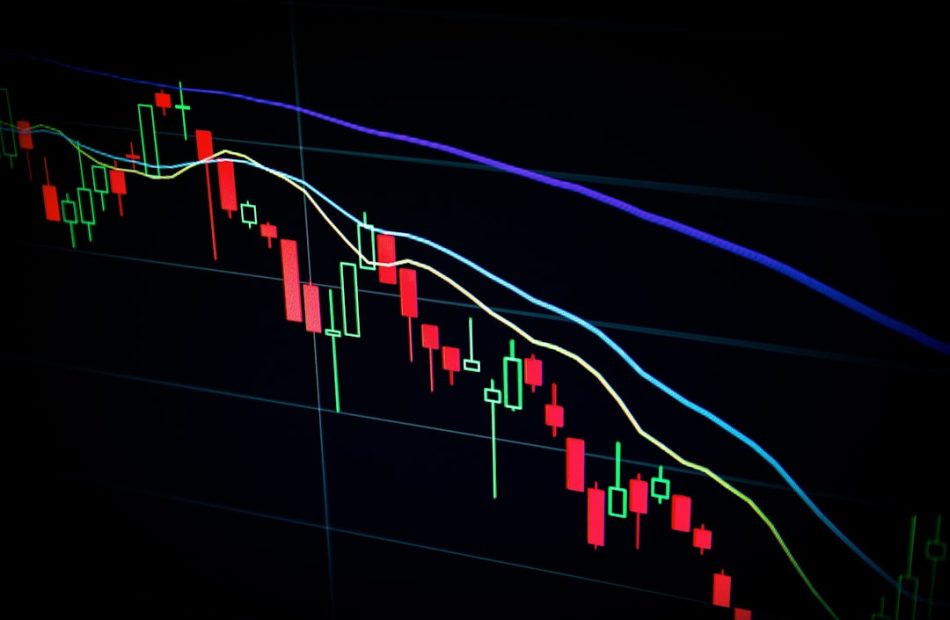
The Revenge Trade Trap: How to Stop Letting Losses Control Your Portfolio
You just took a bad loss. Maybe you ignored your stop-loss, or the market faked you out. Your heart is pounding, your screen is glowing, and all you want to do is ‘get it back’ right now. That urge? That’s revenge trading, and it’s one of the fastest ways to blow up an account. Let’s break down why it happens and, more importantly, how to stop it.
What Is Revenge Trading?
Revenge trading is when you enter a trade not because of a solid setup, but because you’re angry or frustrated from a previous loss. You’re trying to “punish” the market or make back what you lost in one quick move. It’s emotional, impulsive, and almost always ends badly.
How It Works
The cycle usually goes like this:
Looking for altcoin opportunities and smooth trading? Try KuCoin.
1. You lose money on a trade (often because of a mistake).
2. You feel upset, anxious, or angry.
3. You immediately open a new position, often larger or riskier than normal, without a clear plan.

4. The market moves against you again, deepening the loss.
5. The cycle repeats until you either stop or run out of capital.
The Setup (How to Spot It Coming)
Revenge trading doesn’t appear out of nowhere. Watch for these warning signs:
- You’re checking charts while still feeling emotional from a loss.
- You’re increasing position size to “win back” money faster.
- You’re entering trades without a stop-loss or take-profit.
- You feel a sense of urgency, like you must trade right now.
How to Break the Cycle
1. Step Away – After a loss, close your trading platform. Walk away for at least 30 minutes. Go outside, drink water, or do something unrelated.
2. Review Your Journal – Write down what went wrong. Was it your setup? Your risk? Your emotions? Seeing it on paper reduces the emotional charge.
3. Lower Your Risk – If you must trade, reduce your position size to 25% of normal. This keeps you in the game without letting emotions blow up your account.
4. Set a Daily Loss Limit – Decide before the session starts how much you’re willing to lose. Once you hit that number, you’re done for the day. No exceptions.
Risk Management for Your Mind
Risk management isn’t just about stop-losses and position sizing. It’s also about managing your mental state. Create a pre-trade checklist:
- Am I calm?
- Does this trade fit my strategy?
- Is my stop-loss in place?
- Am I trading to make money, or to get revenge?
If the answer to the last question is “revenge,” close the screen. That’s your most powerful risk management tool.
Final Thoughts
Revenge trading is a trap that catches every trader at some point. The difference between success and failure isn’t avoiding losses—it’s how you respond to them. Build habits that protect your capital and your mind. The market will always be there tomorrow. Make sure your account is too.