
The Revenge Trade Trap: How to Stop Letting Losses Control Your Portfolio
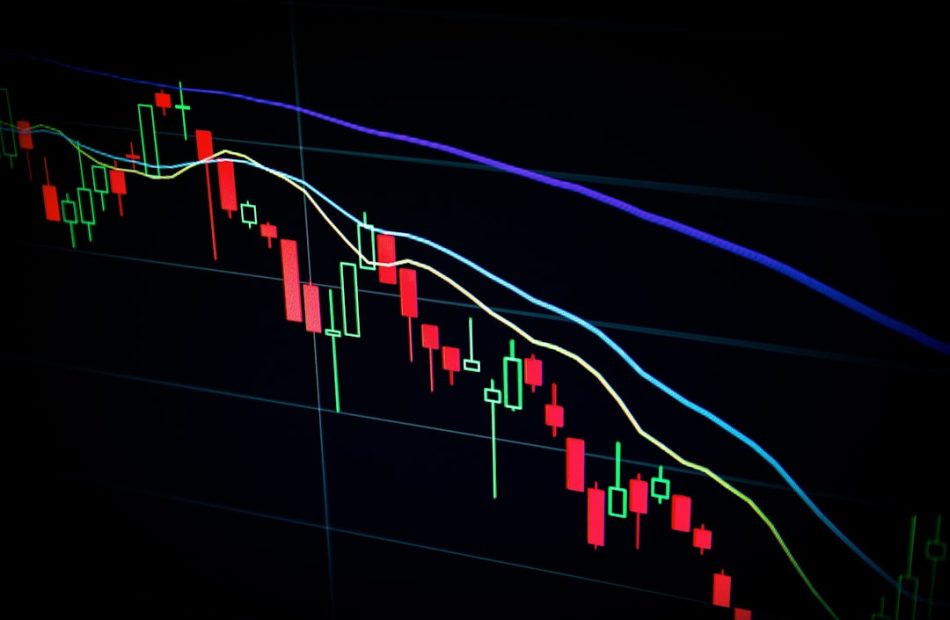
You just took a bad loss. Maybe you ignored your stop-loss, or the market faked you out. Your heart is pounding, your screen is glowing, and all you want to do is ‘get it back’ right now. That urge? That’s revenge trading, and it’s one of the fastest ways to blow up an account. Let’s break down why it happens and, more importantly, how to stop it.
What Is Revenge Trading?
Revenge trading is when you enter a trade not because of a solid setup, but because you’re angry or frustrated from a previous loss. You’re trying to “punish” the market or make back what you lost in one quick move. It’s emotional, impulsive, and almost always ends badly.
How It Works
The cycle usually goes like this:
Looking for altcoin opportunities and smooth trading? Try KuCoin.
1. You lose money on a trade (often because of a mistake).
2. You feel upset, anxious, or angry.
3. You immediately open a new position, often larger or riskier than normal, without a clear plan.
4. The market moves against you again, deepening the loss.
5. The cycle repeats until you either stop or run out of capital.
The Setup (How to Spot It Coming)
Revenge trading doesn’t appear out of nowhere. Watch for these warning signs:
- You’re checking charts while still feeling emotional from a loss.
- You’re increasing position size to “win back” money faster.
- You’re entering trades without a stop-loss or take-profit.
- You feel a sense of urgency, like you must trade right now.
How to Break the Cycle
1. Step Away – After a loss, close your trading platform. Walk away for at least 30 minutes. Go outside, drink water, or do something unrelated.
2. Review Your Journal – Write down what went wrong. Was it your setup? Your risk? Your emotions? Seeing it on paper reduces the emotional charge.
3. Lower Your Risk – If you must trade, reduce your position size to 25% of normal. This keeps you in the game without letting emotions blow up your account.
4. Set a Daily Loss Limit – Decide before the session starts how much you’re willing to lose. Once you hit that number, you’re done for the day. No exceptions.
Risk Management for Your Mind
Risk management isn’t just about stop-losses and position sizing. It’s also about managing your mental state. Create a pre-trade checklist:
- Am I calm?
- Does this trade fit my strategy?
- Is my stop-loss in place?
- Am I trading to make money, or to get revenge?
If the answer to the last question is “revenge,” close the screen. That’s your most powerful risk management tool.
Final Thoughts
Revenge trading is a trap that catches every trader at some point. The difference between success and failure isn’t avoiding losses—it’s how you respond to them. Build habits that protect your capital and your mind. The market will always be there tomorrow. Make sure your account is too.