
KYC vs No-KYC Exchanges: Privacy Guide 2026
Introduction
In 2026, the debate between KYC (Know Your Customer) and no-KYC exchanges has never been more critical. As global regulators tighten their grip on cryptocurrency markets, traders face a fundamental choice: convenience and compliance versus privacy and anonymity. This guide dives deep into the trade-offs, risks, and strategies for navigating both worlds, helping you decide which path aligns with your privacy needs and trading goals.
Key Concepts
- KYC Exchanges: Platforms that require users to submit personal identification (e.g., passport, driver’s license) before trading. Examples include Coinbase, Binance, and Kraken. Benefits: higher liquidity, fiat on-ramps, regulatory protection, and access to advanced features like margin trading. Drawbacks: personal data exposure, potential surveillance, and account freezes.
- No-KYC Exchanges: Platforms that allow trading without identity verification. Examples include decentralized exchanges (DEXs) like Uniswap, and some centralized exchanges (e.g., KuCoin for certain pairs). Benefits: full privacy, no data leaks, censorship resistance. Drawbacks: lower liquidity, limited fiat access, higher scam risk, and potential legal gray areas.
- Regulatory Landscape 2026: The Financial Action Task Force (FATF) Travel Rule now applies to most jurisdictions, forcing many exchanges to implement KYC. However, decentralized finance (DeFi) and privacy coins remain largely unregulated, creating a fragmented ecosystem.
Pro Tips
- Use a VPN: Always route your traffic through a reputable VPN when accessing no-KYC exchanges to mask your IP address and enhance privacy.
- Layer Your Privacy: Combine no-KYC exchanges with privacy wallets (e.g., MetaMask with a burner address) and privacy coins (e.g., Monero) for maximum anonymity.
- Start with Small Amounts: Test no-KYC platforms with small trades to verify their reliability and security before committing larger funds.
- Check Withdrawal Limits: Many no-KYC exchanges impose strict withdrawal caps (e.g., 1 BTC per day). Plan your trades accordingly.
- Stay Updated on Regulations: Laws around no-KYC trading are evolving. Follow crypto news and legal updates to avoid unexpected compliance issues.
💡 Pro Tip
Looking for altcoin opportunities and smooth trading? Try KuCoin.
FAQ Section
1. Is it legal to use no-KYC exchanges in 2026?
It depends on your jurisdiction. In most countries, using no-KYC exchanges is not explicitly illegal, but regulators may view it as a red flag for money laundering. Always consult local laws.
2. Can I lose my funds on a no-KYC exchange?
Yes, the risk is higher due to lower security standards and lack of insurance. Stick to reputable platforms like KuCoin or established DEXs.
3. What are the best no-KYC exchanges in 2026?
Top picks include KuCoin (for altcoins), Uniswap (for Ethereum-based tokens), and Bisq (for peer-to-peer trading).
4. How do I convert fiat to crypto without KYC?
Use peer-to-peer platforms like LocalMonero or Paxful, or buy from Bitcoin ATMs that accept cash. Note that these methods often have higher fees.
5. Will KYC exchanges ever become fully private?
Unlikely, as KYC is mandated by law in most major economies. However, some exchanges offer tiered KYC (e.g., lower limits for minimal verification).
Conclusion
Choosing between KYC and no-KYC exchanges in 2026 is a personal decision that hinges on your risk tolerance, privacy priorities, and trading volume. For most users, a hybrid approach works best: use KYC exchanges for fiat on-ramps and large trades, and no-KYC platforms for smaller, privacy-sensitive transactions. Remember, no system is perfect—always practice good security hygiene, from using strong passwords to enabling 2FA. As the crypto landscape evolves, staying informed is your best defense.
For more details on this, check out our guide on Stablecoin Yield Strategies: Low Risk Farming – A Comprehensive Guide.
You might also be interested in reading about KYC vs No-KYC Exchanges: Privacy Guide 2026.

How to Trade the AI Agent Narrative in Crypto: A Step-by-Step Guide
The crypto market moves in cycles, and right now, one of the loudest narratives is AI Agents—autonomous programs that trade, manage wallets, or interact with blockchains. If you’ve seen tokens like $AI16Z, $VIRTUAL, or $TAO pumping and wondered how to catch the next wave without getting wrecked, you’re in the right place. In this guide, I’ll show you a clear, repeatable strategy to trade the AI Agent narrative, from spotting the early signs to managing your risk.
How It Works
AI Agent tokens are tied to projects that use artificial intelligence to perform on-chain tasks. The narrative gains momentum when a major launch, partnership, or technological breakthrough hits the news. Traders pile in, prices spike, and then the inevitable correction follows. Our strategy focuses on entering early in the hype cycle and exiting before the crowd panics.
The Setup
Here’s the exact setup I use to trade AI Agent narratives:
1. Identify the catalyst. Look for announcements of new AI Agent protocols, integrations with major chains (like Solana or Ethereum), or venture capital funding rounds. Twitter and Discord are your best friends here.

2. Check trading volume. A sudden spike in volume (at least 2-3x the 24-hour average) on a low-cap token is a strong signal. Use DexScreener or CoinGecko to monitor this.
3. Look for accumulation patterns. On the 1-hour or 4-hour chart, watch for a base forming—a period of sideways price action after a small pump. This indicates smart money is loading up.
4. Enter on the breakout. Once price breaks above the high of the base with high volume (ideally >$1M in the first hour), enter a small position. Use a limit order to avoid slippage.
5. Set your target. Most AI Agent pumps last 2–5 days. Aim for a 30–50% gain, then take partial profits. If the narrative is still hot (e.g., a major exchange listing), you can let a portion run.
Risk Management
AI Agent tokens are volatile—some can 10x, others can drop 90% overnight. Here’s how to stay safe:
- Position size: Never risk more than 2% of your total portfolio on a single trade.
- Stop-loss: Place a stop-loss at 10–15% below your entry. If the narrative fizzles, you’re out quickly.
- Take profits: Sell 50% at your target, and move your stop-loss to breakeven. Let the rest ride.
- Avoid FOMO: If a token has already pumped 200% in a day, sit it out. The easy money is gone.
Conclusion
Trading the AI Agent narrative is about timing, not gambling. By focusing on volume, accumulation patterns, and disciplined risk management, you can ride these waves without getting caught in the crash. Start small, track your trades, and remember: the best trades are the ones you survive to talk about. Happy trading!
Restaking Explained: EigenLayer and Beyond – The Ultimate Guide to Crypto Restaking
Introduction
Restaking is one of the most transformative innovations in decentralized finance (DeFi) and blockchain security. By allowing users to reuse staked assets (like ETH) to secure multiple protocols simultaneously, restaking unlocks new levels of capital efficiency and network security. This guide explains everything you need to know about restaking, with a focus on EigenLayer—the pioneering protocol that introduced this concept—and explores emerging restaking platforms beyond EigenLayer.
Key Concepts
- What is Restaking? Restaking is the process of taking assets already staked on a proof-of-stake (PoS) blockchain (e.g., Ethereum) and using them to secure additional protocols or services, known as Actively Validated Services (AVSs). This allows stakers to earn extra rewards without unstaking their original position.
- EigenLayer: EigenLayer is the first and most prominent restaking protocol on Ethereum. It acts as a middleware layer that enables ETH stakers to opt into securing third-party networks, such as bridges, oracles, and rollups, in exchange for additional yield.
- Liquid Restaking Tokens (LRTs): Protocols like Lido and Rocket Pool have introduced liquid staking derivatives (e.g., stETH, rETH). When restaked via EigenLayer, these become liquid restaking tokens (e.g., LRTs like ezETH) that can be used across DeFi while still earning restaking rewards.
- Slashing Risks: Restaking introduces new slashing conditions. If the AVS you help secure misbehaves or fails, a portion of your staked assets can be slashed. Understanding the risk profile of each AVS is critical.
- Beyond EigenLayer: Other protocols like Karak, Symbiotic, and Solayer are building restaking solutions on different blockchains (e.g., Solana, Layer 2s) or with different trust models, expanding the restaking ecosystem.
Pro Tips
- Start Small: If you’re new to restaking, begin with a small amount of ETH to understand the mechanics and slashing risks before committing larger sums.
- Diversify AVSs: Don’t put all your restaked assets into a single AVS. Spread across multiple services to mitigate the impact of a potential slashing event.
- Monitor Yields: Restaking yields vary by AVS and market conditions. Use dashboards like EigenLayer’s official app or Dune Analytics to track real-time APRs.
- Use Liquid Restaking Tokens (LRTs): LRTs like ezETH or rsETH allow you to stay liquid while restaking. You can then use these tokens in other DeFi protocols (e.g., lending, farming) to compound returns.
- Stay Updated on Governance: EigenLayer and many AVSs have governance tokens. Participating in governance can give you a say in protocol upgrades and risk parameters.
💡 Pro Tip
Looking for altcoin opportunities and smooth trading? Try KuCoin.
FAQ Section
What is restaking in simple terms?
Restaking lets you take crypto you’ve already staked (like ETH) and use it to help secure other blockchain services. In return, you earn extra rewards—like getting paid twice for the same deposit.
Is restaking safe?
Restaking carries additional slashing risks beyond standard staking. If the service you’re securing fails or acts maliciously, you could lose a portion of your staked assets. Always research the AVS’s security and track record.
How do I start restaking on EigenLayer?
First, stake ETH on a liquid staking protocol like Lido (to get stETH) or Rocket Pool (to get rETH). Then, deposit those tokens into EigenLayer’s app. You can then delegate your restaked assets to one or more AVSs to start earning rewards.
What are liquid restaking tokens (LRTs)?
LRTs are tokens that represent your restaked position. They can be traded, lent, or used in DeFi while still earning restaking rewards. Examples include ezETH (from Renzo) and rsETH (from Kelp DAO).
What protocols are similar to EigenLayer?
Beyond EigenLayer, notable restaking protocols include Karak (multi-chain), Symbiotic (permissionless), and Solayer (on Solana). Each has unique features and risk profiles.
For more details on this, check out our guide on How to Participate in Governance Proposals (DAOs): A Step-by-Step Guide for 2026.
You might also be interested in reading about Understanding Gas Fees: How to Save Money on Ethereum – A Complete Guide.
Conclusion
Restaking, led by EigenLayer, is reshaping how we think about blockchain security and capital efficiency. By enabling staked assets to secure multiple networks, it creates a more interconnected and productive crypto ecosystem. However, with greater rewards come greater risks—especially slashing. Whether you’re a seasoned staker or a newcomer, understanding the mechanics, risks, and opportunities of restaking is essential for navigating the next wave of DeFi innovation. Start small, diversify, and stay informed as the restaking landscape evolves beyond EigenLayer.
The Halving Blueprint: How Bitcoin’s 4-Year Cycle Shapes the Next Bull Run
Imagine if the stock market had an alarm clock that rang every four years, signaling the start of a massive bull run. That’s essentially what the Bitcoin halving does. Since Bitcoin’s creation, this event has acted like a heartbeat for the crypto market, pumping fresh energy into prices and setting the stage for new all-time highs. If you’re a beginner or intermediate trader looking to ride the next wave, understanding these historical cycles is your cheat code.
How It Works
Bitcoin’s halving is built into its code. Every 210,000 blocks (roughly four years), the reward for mining a new block is cut in half. In 2009, miners earned 50 BTC per block. After the first halving in 2012, it dropped to 25 BTC. Then 12.5 BTC in 2016, 6.25 BTC in 2020, and 3.125 BTC in 2024. This programmed scarcity reduces the supply of new Bitcoin entering the market, creating a supply shock. Historically, this supply shock has preceded a massive price surge, followed by a euphoric peak and then a long bear market.

Looking for altcoin opportunities and smooth trading? Try KuCoin.
The Setup
Let’s look at the three halving cycles we’ve seen so far:
- 2012 Halving: Bitcoin was trading around $12 before the halving. One year later, it peaked near $1,100. That’s a 9,000%+ gain.
- 2016 Halving: Price hovered around $650 before the event. By December 2017, it hit $19,800. A 2,900%+ increase.
- 2020 Halving: Bitcoin was at $8,600. By April 2021, it reached $64,000. That’s roughly a 640% gain.
Notice a pattern? The percentage gains have diminished with each cycle as Bitcoin matures, but the overall trend remains: prices tend to rally for 12-18 months after the halving, then correct sharply. The key takeaway? The best time to buy is typically 6-12 months before the halving, and the best time to take profits is 12-18 months after.
Risk Management
Even with a proven pattern, nothing is guaranteed. Here’s how to stay safe:
- Don’t go all-in: Treat the halving as a probability, not a certainty. Allocate only a portion of your portfolio to a “halving trade.”
- Set profit targets: When Bitcoin doubles, take 20-30% off the table. When it triples, take more. Don’t be greedy waiting for the exact top.
- Use stop-losses: If the price drops 20% from your entry, exit and reassess. A failed halving cycle could mean a prolonged bear market.
- Dollar-cost average: Instead of buying a lump sum, buy small amounts weekly over 6-12 months before the halving. This smooths out volatility.
Conclusion
Bitcoin’s halving is not a magic spell—it’s a supply-side economic event that has historically created powerful bullish cycles. By studying the past, you can position yourself for the future. Remember, the best trades are made with a plan, not emotion. As the next halving approaches (or if you’re already in a post-halving year), keep your eyes on the charts, manage your risk, and stay patient. The blueprint is there—you just have to follow it.
Risks of Investing in Real World Assets: A Candid Guide
Real World Assets (RWAs) represent a transformative bridge between traditional finance (TradFi) and decentralized finance (DeFi). By tokenizing tangible and intangible assets—such as real estate, bonds, commodities, and credit—on a blockchain, RWAs enable fractional ownership, 24/7 liquidity, and enhanced transparency. However, this innovation comes with a distinct set of risks that every investor must understand before committing capital. This candid guide dissects the off-chain vs. on-chain divide, the technical process, and the critical pitfalls to watch for.
How RWA Tokenization Works
The process of bringing a real-world asset onto a blockchain involves several key steps:
- Asset Selection & Valuation: A tangible or intangible asset (e.g., a commercial building or a corporate bond) is identified and professionally appraised.
- Special Purpose Vehicle (SPV): The asset is placed into a legal SPV to isolate it from the issuer’s balance sheet and provide legal protection to token holders.
- Tokenization: The SPV issues digital tokens representing fractional ownership. These tokens are minted on a blockchain (e.g., Ethereum, Polygon) using smart contracts.
- Oracle Integration: Oracles (such as Chainlink) feed real-world data—like asset valuations, interest rates, or rental income—onto the blockchain to keep the token price accurate.
- Secondary Market: Investors can trade these tokens on decentralized or centralized exchanges, providing liquidity that the underlying asset may lack.
Investment Analysis: Pros, Cons, and Risks
Pros
- Fractional Ownership: Lowers the barrier to entry for high-value assets like real estate or fine art.
- 24/7 Liquidity: Tokens can be traded around the clock, unlike traditional markets.
- Transparency: All transactions and ownership records are publicly verifiable on-chain.
Cons
- Regulatory Uncertainty: Jurisdictions vary widely on how tokenized assets are classified (security vs. commodity).
- Smart Contract Risk: Bugs or exploits in the token’s code can lead to total loss of funds.
- Off-Chain Dependency: The asset’s value still relies on traditional legal systems and custodians.
Key Risks
- Regulatory Risk: Governments may impose new rules that restrict trading or classify tokens as unregistered securities. Reports from BlackRock and the SEC highlight ongoing debates about investor protection.
- Smart Contract & Oracle Risk: A compromised oracle can feed false data, causing token prices to diverge from the underlying asset’s true value.
- Liquidity Risk: While tokens can be traded 24/7, the market may be thin, leading to slippage or inability to exit positions at fair prices.
- Custodial Risk: The physical asset (e.g., a building) is held by a custodian. If the custodian fails or commits fraud, token holders may have limited recourse.
For a broader market view, check out our analysis on What is Impermanent Loss? Liquidity Providing Explained.
Investors often compare this to Bitcoin Layer 2s: Stacks, Lightning, and Runes Guide.
Tool Recommendation
When trading tokenized RWAs, choosing an exchange with low fees and strong liquidity is critical. We recommend MEXC, a platform that offers competitive trading fees and a wide selection of RWA tokens. Start your journey at: https://promote.mexc.co/a/PefPNW2g.
FAQ
What is the biggest risk of RWA investing?
The biggest risk is regulatory uncertainty. If a government classifies your token as an unregistered security, trading may be halted, and you could face legal penalties. Always verify the legal status of the token in your jurisdiction.
Can I lose my entire investment in an RWA token?
Yes. Smart contract bugs, oracle failures, or fraud by the asset custodian can result in total loss. Unlike traditional stocks, there is no SIPC insurance for tokenized assets.
How do I verify the underlying asset of an RWA token?
Look for projects that provide audited proof of reserves, third-party appraisals, and legal documentation of the SPV. Platforms like RWA.xyz aggregate data on verified RWA projects.
Conclusion
Real World Assets offer a compelling way to combine the stability of traditional investments with the efficiency of blockchain technology. However, the risks—regulatory, technical, and custodial—are real and should not be underestimated. Investors must perform thorough due diligence, diversify across projects, and only allocate capital they can afford to lose. As the ecosystem matures, clearer regulations and better infrastructure will likely reduce these risks, but for now, caution is warranted.
Understanding Gas Fees: How to Save Money on Ethereum – The Ultimate 2026 Guide
Ethereum gas fees are the transaction costs required to process operations on the Ethereum network. Whether you’re swapping tokens, minting an NFT, or interacting with a DeFi protocol, every action consumes computational resources — and you pay for that in gwei (a tiny fraction of ETH). With network congestion and fluctuating demand, fees can spike to hundreds of dollars. This guide breaks down the mechanics of gas fees and provides actionable strategies to keep more money in your pocket.
Key Concepts
- Gas Units: The amount of computational work a transaction requires. Simple transfers use 21,000 gas; complex smart contract interactions can use 100,000+ gas.
- Gas Price (Gwei): The price you’re willing to pay per unit of gas. Higher gas price = faster confirmation.
- Base Fee + Priority Fee (EIP-1559): Since the London Upgrade, the base fee is burned, and you can add a priority fee (tip) to incentivize validators.
- Network Congestion: When many users transact at once, demand for block space rises, pushing up fees.
Pro Tips to Save on Gas
- Time Your Transactions: Use tools like Etherscan Gas Tracker or ETH Gas Station to monitor low-fee periods (often weekends or late nights UTC).
- Use Layer 2 Solutions: Arbitrum, Optimism, Base, and zkSync offer dramatically lower fees (often < $0.10) while inheriting Ethereum's security.
- Batch Transactions: Combine multiple actions (e.g., approve + swap) into one transaction using DeFi aggregators like 1inch or CowSwap.
- Set a Custom Gas Limit: Don’t overpay. Use wallet features like MetaMask’s advanced gas controls to set a lower limit (but ensure it’s enough to avoid failure).
- Monitor Gas Tokens: Some projects offer gas tokens (like CHI or GST2) that let you store gas when cheap and spend it later — though their utility has diminished post-EIP-1559.
FAQ Section
What is the average gas fee on Ethereum right now?
Gas fees vary minute by minute. Check live data on Etherscan or a gas tracker. In 2026, with increased L2 adoption, L1 fees for simple transfers often range from $1–$10, while complex DeFi interactions can cost $20–$100+ during peak times.
Can I cancel a pending transaction to avoid paying gas?
Yes, but you’ll still pay gas for the cancellation transaction. Use MetaMask’s “Cancel” feature or send a 0 ETH transaction to yourself with the same nonce and a higher gas price to override the pending one.
Are gas fees refundable if a transaction fails?
No. Even if a transaction fails (e.g., slippage or insufficient balance), you still pay the gas fee because validators executed the computation. Always set a reasonable gas limit and slippage tolerance.
How do Layer 2s reduce gas fees?
L2s bundle hundreds of transactions into a single batch, submit it to Ethereum L1, and split the cost among users. This can reduce fees by 10–100x. Popular L2s include Arbitrum, Optimism, Base, and zkSync Era.
For more details on this, check out our guide on KYC vs No-KYC Exchanges: Privacy Guide 2026.
You might also be interested in reading about Tax Loss Harvesting in Crypto: A Guide for Traders.
Conclusion
Gas fees are an unavoidable part of using Ethereum, but with the right knowledge and tools, you can significantly reduce your costs. By timing transactions, embracing Layer 2s, and using smart wallet features, you’ll keep more ETH in your wallet. Stay informed, stay efficient, and happy transacting!
CZ Blames AI, Global Tensions, 4-Year Cycle for Crypto’s 2026 Slump
June 27, 2026 — Binance founder Changpeng “CZ” Zhao pointed to a combination of artificial intelligence investment competition, geopolitical tensions, and the industry’s four-year market cycle as key drivers behind crypto’s 50% decline over the past year, he told CoinDesk in an exclusive interview.
Immediate Details & Direct Quotes
Low fees are crucial when trading breaking news. We recommend MEXC for tight spreads and fast execution.
CZ said there is no single cause for the extended price decline affecting Bitcoin and other cryptocurrencies. Bitcoin opened 2026 trading near $89,000, briefly climbed above $96,000, but has since fallen to approximately $60,000 — down roughly 50% from its all-time high above $126,000 reached last October.
“Over the long run, the industry will develop,” Zhao said. “There’s going to be more and more demand for financial technologies, because there will be more and more transactions, so the industry will grow. So, I’m not worried about the industry or the short-term price fluctuations.”
The Binance founder acknowledged that new industries like AI have been absorbing “hot money” that might otherwise flow into crypto markets. However, he characterized this as a positive development for the long term.
CZ also highlighted the rapid growth of prediction markets, calling them beneficial tools for price discovery and liquidity. “We can price things much more accurately and we can predict things more accurately,” he said, while acknowledging gambling elements exist across all financial instruments.
Market Context & Reaction
CZ’s assessment carries weight given his decade-long involvement in building the crypto industry. He noted that most of his net worth remains tied to the BNB token, meaning his personal financial health is directly linked to crypto market conditions.
Regarding U.S. crypto policy, CZ described the proposed Digital Asset Market Clarity Act as a “small, tactical” measure that won’t dramatically impact long-term industry growth. He said he expects the U.S. to maintain its leadership role in crypto regulation even if the Clarity Act faces delays.
“The U.S. would likely still compete with other countries to introduce rules,” Zhao said, noting the already-passed GENIUS Act focused on stablecoins. “I, of course, hope to see it get passed, and then every other country will probably copy it to some extent. If it gets delayed … other countries may move forward first.”
Background & Historical Context
CZ’s interview comes amid a challenging period for crypto markets. The current bear cycle aligns with historical four-year patterns that have defined Bitcoin’s price movements since its inception. Previous cycles saw similar drawdowns before eventual recoveries.
The Binance founder received a presidential pardon earlier this year, part of broader Trump administration actions affecting crypto executives. With upcoming U.S. midterm elections, CZ acknowledged that Democratic control of Congress could bring increased scrutiny of pro-crypto policies.
“There will be more scrutiny, more inquiries, more clarity,” Zhao said. “We’re very happy to provide information if they’re seeking information.”
Despite potential political shifts, CZ said he tries to stay as far from U.S. politics as possible, noting foreign nationals face restrictions on direct political involvement. “This is a battle for the U.S. players to figure out. We will love to help you in some way, but I think there’s a limit on how close we can get.”
What This Means
CZ’s long-term outlook remains bullish despite the current downturn. He expects continued demand for financial technology to drive industry growth, with short-term price fluctuations being secondary considerations.
For traders and investors, CZ’s comments suggest that current market conditions may reflect structural shifts — including competition from AI investments — rather than fundamental problems with crypto technology. The four-year cycle pattern historically precedes recovery phases.
The upcoming U.S. midterm elections could reshape crypto regulatory dynamics, particularly regarding stablecoin legislation and enforcement priorities. Investors should monitor regulatory developments closely, as political outcomes may influence market conditions in late 2026 and beyond.
Not financial advice. Always conduct your own research before making investment decisions.
—

Unlocking Bitcoin’s Next Frontier: A Trader’s Guide to Layer-2 Ecosystems
Bitcoin is no longer just digital gold—it’s becoming the foundation of a thriving ecosystem. With the rise of Bitcoin Layer-2 (L2) solutions like the Lightning Network, Stacks, Rootstock (RSK), and Liquid, traders now have new opportunities to capture value beyond simply buying and holding BTC. In this guide, we’ll explore how to navigate these emerging markets and identify potential trading setups.
How It Works
Layer-2 solutions are protocols built on top of the Bitcoin blockchain to improve scalability, speed, and functionality. For example:
- Lightning Network enables instant, low-cost payments.
- Stacks brings smart contracts to Bitcoin.
- Rootstock (RSK) merges Bitcoin’s security with Ethereum-like capabilities.
- Liquid is a sidechain for faster settlements and asset issuance.
These ecosystems create new tokens, dApps, and DeFi protocols that trade in tandem with Bitcoin’s price action. As Bitcoin’s price moves, L2 tokens often amplify those moves—both up and down.
The Setup
To trade Bitcoin L2 ecosystems effectively, follow this step-by-step approach:
1. Identify the leaders: Focus on the most liquid L2 tokens (e.g., STX for Stacks, RBTC for RSK, L-BTC for Liquid).
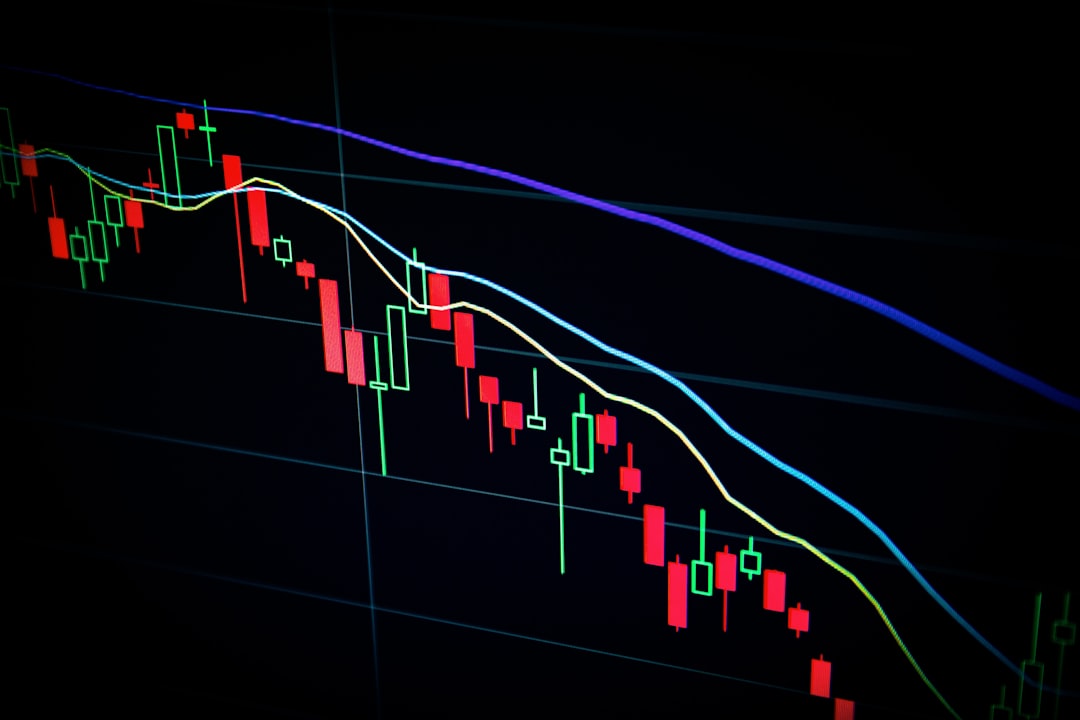
2. Monitor Bitcoin dominance: When Bitcoin dominance (BTC.D) is falling, altcoins—including L2 tokens—tend to outperform. Use this as your entry signal.
3. Look for correlation breakouts: If Bitcoin breaks a key resistance level, check if the corresponding L2 token is showing relative strength (e.g., higher volume, earlier breakout).
4. Entry: Buy the L2 token on a pullback to its 20-day exponential moving average (EMA) after the breakout, with volume confirmation.
5. Exit: Set a profit target at 2x the risk (e.g., if you risk 5%, aim for 10% gain). Trail your stop loss once price moves 5% in your favor.
Risk Management
L2 tokens are more volatile than Bitcoin itself. To protect your capital:
- Position size: Never allocate more than 5-10% of your trading portfolio to any single L2 token.
- Stop loss: Place a hard stop at 5-8% below your entry. If Bitcoin drops 3%, L2 tokens can drop 10%+.
- Diversify: Trade 2-3 different L2 ecosystems to spread risk.
- Stay updated: Follow the project’s development roadmap—network upgrades or hacks can cause sudden price swings.
Conclusion
Bitcoin Layer-2 ecosystems are a powerful way to amplify your trading edge while staying connected to Bitcoin’s core narrative. By understanding how these networks work, timing your entries with Bitcoin dominance, and managing risk carefully, you can turn these emerging markets into consistent opportunities. Start small, track your trades, and remember: in the crypto world, education is your best hedge.
Stablecoin Yield Strategies: Low Risk Farming for Steady Returns
Stablecoin yield farming is one of the most popular ways to earn passive income in crypto without exposing yourself to the wild price swings of Bitcoin or altcoins. By lending or providing liquidity with stablecoins like USDT, USDC, or DAI, you can generate consistent returns while keeping your principal relatively safe. This guide breaks down the best low-risk strategies, key concepts, and pro tips to help you get started.
Key Concepts
- Stablecoins: Cryptocurrencies pegged to a stable asset like the US dollar (e.g., USDT, USDC, DAI). They minimize volatility, making them ideal for yield farming.
- Yield Farming: The practice of depositing crypto into DeFi protocols to earn rewards, often in the form of interest or governance tokens.
- Liquidity Pools: Smart contracts where users deposit pairs of tokens (e.g., USDC/DAI) to facilitate trading. In return, they earn a share of trading fees.
- APY (Annual Percentage Yield): The real rate of return on your deposit, including compounding interest.
- Impermanent Loss: A temporary loss in value when providing liquidity to volatile pairs. Stablecoin pairs minimize this risk.
Pro Tips
- Always use reputable platforms like Aave, Compound, or Curve Finance for stablecoin lending.
- Diversify across multiple protocols to reduce smart contract risk.
- Monitor gas fees — on Ethereum, high fees can eat into small yields. Consider Layer 2 solutions like Arbitrum or Optimism.
- Start small to test the process before committing larger amounts.
- Keep an eye on protocol audits and community trust scores.
FAQ
Is stablecoin yield farming really low risk?
While it’s lower risk than volatile crypto farming, it’s not risk-free. Smart contract bugs, protocol hacks, and stablecoin de-pegging events can still cause losses. Always do your own research.
What are the best platforms for stablecoin yield farming?
Popular choices include Aave, Compound, Curve Finance, and Yearn Finance. Each offers different APYs and risk profiles.
How much can I earn with stablecoin farming?
APYs typically range from 2% to 15% for stablecoin lending, and up to 20-30% for stablecoin liquidity pools on certain protocols. Rates vary based on supply and demand.
Do I need to pay taxes on yield farming rewards?
Yes, in most jurisdictions, yield farming rewards are considered taxable income. Consult a tax professional for your specific situation.
For more details on this, check out our guide on How to Spot a Honey Pot Scam: Safety Guide for Crypto Traders.
You might also be interested in reading about DeFi Coins Explained: Why Smart Contract Tokens Are Falling With Bitcoin.
Conclusion
Stablecoin yield farming offers a compelling way to earn passive income with reduced volatility risk. By sticking to reputable protocols, diversifying your deposits, and staying informed about security best practices, you can build a steady stream of returns. Start small, learn the ropes, and gradually scale up as you gain confidence. Remember, no investment is completely risk-free, but stablecoin strategies are among the safest in the crypto space.
Tokenized Real Estate: How to Invest with $50
Tokenized real estate is transforming the way individuals access property investment. By representing ownership of real-world assets (RWAs) as digital tokens on a blockchain, investors can now buy fractional shares of commercial or residential properties for as little as $50. This guide explains the off-chain vs on-chain difference, the technical process, and how you can start investing today.
Off-Chain vs On-Chain: The Core Difference
In traditional (off-chain) real estate, ownership is recorded on paper deeds and government registries. Buying a property requires large capital, legal fees, and illiquid holding periods. On-chain tokenization converts property rights into digital tokens that exist on a blockchain. These tokens represent fractional ownership, can be traded 24/7, and are backed by legal structures like Special Purpose Vehicles (SPVs). The asset remains off-chain (the physical building), but the ownership and transfer rights are managed on-chain.
How Tokenized Real Estate Works
1. Tokenization & SPV
A property is transferred into a Special Purpose Vehicle (SPV) – a legal entity that holds the asset. The SPV issues tokens (often ERC-20 or similar) representing shares. Each token corresponds to a fraction of the property’s value.
2. Oracle & Data Feeds
Oracles (e.g., Chainlink) provide real-world data such as property valuations, rental income, and market conditions to the blockchain. This ensures the token price reflects the underlying asset’s performance.
3. Blockchain & Liquidity
Tokens are issued on a public blockchain (Ethereum, Polygon, etc.). Investors can buy, sell, or trade tokens on secondary markets, providing liquidity that traditional real estate lacks. Smart contracts automate rent distribution and governance votes.
Investment Analysis: Pros, Cons, and Risks
Pros
- Low Barrier to Entry: Start with $50 instead of $50,000.
- Liquidity: Trade tokens 24/7 on exchanges.
- Transparency: All transactions and ownership records are on-chain.
- Diversification: Spread small amounts across multiple properties globally.
Cons & Risks
- Regulatory Uncertainty: Tokenized real estate falls under securities laws in many jurisdictions. Compliance varies by country.
- Smart Contract Risk: Bugs or exploits in the token contract could lead to loss of funds.
- Illiquidity of Underlying Asset: While tokens trade, the physical property may take months to sell if the SPV dissolves.
- Market Volatility: Token prices can fluctuate based on crypto market sentiment, not just property value.
For a broader market view, check out our analysis on Real World Assets (RWA) Tokenization: The Bridge Between Crypto and the Real Economy.
Investors often compare this to Ripple Exec Says Crypto Payments Are Where E-Commerce Was in 2000.
Tool Recommendation: Where to Buy Tokenized Real Estate
To invest with $50, you need a platform that offers fractional real estate tokens with low fees. Low fees are crucial for this strategy. We recommend MEXC, a global exchange listing multiple RWA tokens (e.g., Realio, Landshare). MEXC provides competitive trading fees, high liquidity, and a user-friendly interface for small investors. Always verify the token’s legal backing and audit status before purchasing.
FAQ
Is tokenized real estate legal?
Yes, but it depends on jurisdiction. In the US, tokenized real estate is often classified as a security and must comply with SEC regulations. Platforms typically use Reg D or Reg A+ exemptions. Always check the legal structure of the SPV.
Can I lose more than my $50 investment?
No. Tokenized real estate is a limited liability investment. You own a fraction of the SPV, so your maximum loss is the amount you invested. However, if the property value drops, your tokens lose value accordingly.
How do I earn yield from tokenized real estate?
Most platforms distribute rental income proportionally to token holders via smart contracts. Some tokens also appreciate in value if the property is sold at a profit. Check the project’s whitepaper for distribution mechanics.
Conclusion
Tokenized real estate opens the door for small investors to access a traditionally exclusive asset class. With $50, you can own a piece of income-generating property, enjoy liquidity, and diversify your portfolio. However, regulatory risks and smart contract vulnerabilities remain. Start with a small amount, use a reputable exchange like MEXC, and always do your own research. Reports from BlackRock and data from RWA.xyz show that institutional interest in RWAs is growing, making this a compelling frontier for retail investors.