
DePIN Explained: Earning Passive Income with Infrastructure
Decentralized Physical Infrastructure Networks (DePIN) are revolutionizing how we think about infrastructure ownership and passive income. By leveraging blockchain technology, DePIN allows individuals to contribute real-world resources—like bandwidth, storage, computing power, or even physical sensors—and earn cryptocurrency rewards in return. This guide breaks down how DePIN works, key concepts, and actionable tips to start earning passive income today.
Key Concepts
- What is DePIN? DePIN stands for Decentralized Physical Infrastructure Networks. It refers to blockchain-based protocols that incentivize participants to build, maintain, and operate physical infrastructure (e.g., wireless networks, energy grids, data storage) in a decentralized manner.
- How Passive Income Works: Participants contribute hardware or services (like a hotspot, a storage drive, or a compute node) and are rewarded with native tokens based on usage, uptime, or contribution level.
- Examples: Helium (wireless hotspots), Filecoin (decentralized storage), and Hivemapper (map data collection).
- Tokenomics: Rewards are often tied to token supply, staking mechanisms, and network demand. Understanding tokenomics is crucial for long-term profitability.
Pro Tips
- Start Small: Choose a DePIN project with low hardware costs (e.g., a Helium hotspot) to test the waters before scaling.
- Monitor Network Demand: Passive income depends on actual usage of your infrastructure. Research areas with high demand for the service you provide.
- Diversify: Don’t put all your resources into one DePIN project. Spread across different networks (storage, wireless, compute) to mitigate risk.
- Stay Updated: DePIN is rapidly evolving. Follow project updates, tokenomics changes, and new entrants to stay ahead.
FAQ Section
What hardware do I need to earn passive income with DePIN?
It depends on the project. For example, Helium requires a compatible wireless hotspot, while Filecoin needs a storage server with high capacity. Many projects offer low-cost entry points like plug-and-play devices.
Is DePIN passive income really passive?
Mostly yes, but some maintenance is required (e.g., ensuring uptime, updating firmware, and monitoring network performance). The level of passivity varies by project.
How much can I earn with DePIN?
Earnings vary widely based on network demand, hardware quality, and location. Some users report $50–$500 per month per device, but returns are not guaranteed and can fluctuate with token prices.
What are the risks of DePIN?
Risks include hardware failure, token price volatility, regulatory changes, and network competition. Always do your own research before investing in hardware.
For more details on this, check out our guide on How to Value DePIN Projects: A Trader’s Guide to the Physical Internet.
You might also be interested in reading about Bitmine Stakes $266 Million in Ethereum, Pushing Total Past $3.3 Billion.
Conclusion
DePIN represents a paradigm shift in infrastructure ownership, enabling anyone to become a micro-utility provider and earn passive income. By understanding the key concepts, following pro tips, and staying informed, you can position yourself to benefit from this growing sector. Start small, diversify, and always keep an eye on network demand and tokenomics. The future of infrastructure is decentralized—and it’s paying dividends.
Michael Saylor Hints at More Bitcoin Buys as Strategy’s Holdings Near 847,363 BTC
June 28, 2026 — Michael Saylor’s latest orange-dot chart has reignited speculation that Strategy may continue accumulating bitcoin, with the company now holding 847,363 BTC worth nearly $51 billion. The post came after two consecutive weekly bitcoin purchases, signaling the firm’s intent to keep buying through market volatility.
Immediate Details & Direct Quotes
Low fees are crucial when trading breaking news. We recommend MEXC for tight spreads and fast execution.
Strategy’s Executive Chairman Michael Saylor posted the orange-dot chart on Sunday, showing the company’s purchase history across multiple market cycles. The chart listed 847,363 BTC, a reserve value near $51 billion, and 218,046 sats per share. Investors have long viewed Saylor’s orange-dot posts as a precursor to pending bitcoin purchase disclosures.
“We’re gonna need more charts,” Saylor posted on June 28, reinforcing expectations that Strategy may continue its accumulation pattern.
Since selling 32 bitcoin in late May to cover dividend obligations, Strategy has disclosed two additional purchases: 1,550 BTC during the first week of June and another 520 BTC the following week. Both purchases were funded through Class A common stock sales.
Strategy increased its USD Reserve by $300 million to $1.4 billion, strengthening its ability to meet dividend obligations and support its Digital Credit securities while continuing to buy bitcoin.
Market Context & Reaction
As of June 28, bitcoin was trading below Strategy’s average purchase price of $75,653, drawing scrutiny over paper losses. Despite this, the company’s dashboard showed a 0.99 mNAV, $6.75 billion in debt, $15.47 billion in preferred equity, and 9.8 months of USD dividend coverage.
Volatility has extended beyond bitcoin into Strategy’s securities. MSTR, the company’s Class A common stock, has swung sharply alongside BTC price movements. STRC, its preferred equity offering, has traded at a widening discount during recent market stress, raising questions about Strategy’s financing model.
Saylor addressed the volatility on X last week: “Volatility tests every capital structure. Strategy remains focused on bitcoin, disciplined capital allocation, credit quality, and long-term value creation.”
The broader cryptocurrency market remains in “Extreme Fear” territory according to the Crypto Fear and Greed Index, which stood at 18 on June 28.
Background & Historical Context
Strategy’s pattern of accumulation points toward expansion rather than retreat. The company has consistently added bitcoin through market pressure while reinforcing its financial base.
Saylor’s recent bitcoin essays extend beyond corporate accumulation, presenting BTC as both a monetary network and the foundation for new financial products. He has described four competing bitcoin ideologies focused on conviction, institutional adoption, technical development, and preservation.
The executive chairman has also outlined a five-layer stack built around Digital Capital, Digital Credit, Digital Money, Digital Yield, and Digital Equity, signaling Strategy may keep building bitcoin-linked financial products.
Saylor’s broader thesis suggests the company views bitcoin treasury accumulation as part of a long-term strategy rather than a short-term trading play.
What This Means
Strategy’s pattern of orange-dot posts followed by purchase disclosures suggests another bitcoin acquisition may come soon, potentially within days. Investors should watch for the company’s next SEC filing or Saylor’s social media activity for confirmation.
In the near term, Strategy’s ability to maintain dividend coverage and manage debt will remain under scrutiny, especially if bitcoin volatility persists.
Long-term, Strategy’s continued accumulation through market pressure reinforces its commitment to bitcoin as a treasury asset, potentially influencing other corporate treasuries considering similar strategies.
—

Master the Trend: Using the 200-Day Moving Average as Your Ultimate Filter
Imagine trying to sail across the ocean without knowing which way the wind is blowing. That’s what trading without a trend filter feels like. You might win a few small battles, but the war against the market’s momentum will eventually wear you down. Enter the 200-Day Moving Average (200-MA) – the most trusted compass for identifying the long-term trend in crypto, stocks, or any asset. This simple tool can drastically improve your win rate by keeping you on the right side of the market.
How It Works
The 200-Day Moving Average is a lagging indicator that smooths out price data over the last 200 days. It shows you the average price over that period, acting as a dynamic support or resistance level. When the price is above the 200-MA, the long-term trend is considered bullish (up). When the price is below it, the trend is bearish (down). The key insight? Most major moves occur in the direction of this long-term trend.
The Setup
1. Choose Your Asset: Pick a liquid cryptocurrency like Bitcoin or Ethereum. The 200-MA works best on daily or 4-hour timeframes for swing trading.

2. Plot the Indicator: Add the 200-period Simple Moving Average (SMA) to your chart. Most platforms (TradingView, Binance, etc.) have it built-in.
3. The Filter Rule:
- Only take long trades when the price is above the 200-MA.
- Only take short trades (if you short) when the price is below the 200-MA.
- If the price is crossing the 200-MA, wait for a clear close above or below before acting. A fakeout can trap you.
4. Entry Confirmation: Don’t buy just because price is above the 200-MA. Wait for a pullback to the moving average (or near it) combined with a bullish candlestick pattern (like a hammer or engulfing). This gives you a better risk-to-reward entry.
Risk Management
- Stop Loss: Place your stop loss just below the 200-MA (or a recent swing low) when going long. If the trend is strong, price shouldn’t dip far below it without signaling a trend change.
- Position Size: Never risk more than 1-2% of your account on a single trade. The 200-MA filter reduces risk, but no strategy is 100%.
- Take Profit: Use a 2:1 or 3:1 risk-to-reward ratio. For example, if your stop is 5% below entry, aim for a 10-15% profit target. Trail your stop as the trade moves in your favor.
- Avoid Trading During Crossovers: When price is chopping around the 200-MA, it’s a ‘no-trade zone’. Wait for a clear separation.
Conclusion
The 200-Day Moving Average isn’t a magic wand – it’s a discipline tool. It forces you to trade with the dominant trend instead of fighting it. By using it as a filter, you’ll avoid buying into bear markets and shorting into bull runs. Start by applying it to Bitcoin on the daily chart. Mark the zones above and below. Then, only take trades that align with that direction. Your win rate will thank you. Remember: in crypto, the trend is your friend – but only if you know how to spot it.
Real World Assets (RWA): How Tokenization Changes Investing
Introduction
Real World Assets (RWA) are physical or traditional financial assets—like real estate, bonds, commodities, or art—that are represented on a blockchain via tokenization. This process converts ownership rights into digital tokens, enabling fractional ownership, increased liquidity, and global accessibility. For investors, RWA tokenization bridges the gap between traditional finance and decentralized finance (DeFi), unlocking new opportunities for diversification and yield. This guide explores how tokenization is reshaping investing, key concepts, and practical tips to get started.
Key Concepts
- Tokenization: The process of creating a blockchain-based digital representation of a real-world asset. Each token typically represents a fraction of the underlying asset, making it easier to buy, sell, or trade.
- Fractional Ownership: Investors can own a small portion of a high-value asset (e.g., a commercial building or a painting) without needing to purchase the entire asset.
- Liquidity: Tokenized assets can be traded on secondary markets 24/7, reducing the traditional illiquidity of assets like real estate or private equity.
- Smart Contracts: Self-executing contracts on the blockchain automate processes like dividend distribution, voting, and compliance, reducing administrative costs.
- Regulatory Compliance: Many RWA projects incorporate KYC/AML checks and adhere to securities laws to ensure legal trading.
- Yield Opportunities: Tokenized assets can be used in DeFi protocols for lending, borrowing, or staking, generating additional returns.
Pro Tips
- Research the issuer: Verify the legal structure, custody of the underlying asset, and audit reports before investing.
- Understand the token standard: Most RWAs use ERC-20 or ERC-721 tokens on Ethereum, but other blockchains like Polygon or Solana are also popular.
- Check liquidity: Not all tokenized assets have active secondary markets; look for platforms with high trading volume.
- Diversify: Spread investments across different asset types (real estate, bonds, commodities) to mitigate risk.
- Stay compliant: Ensure the platform follows regulations in your jurisdiction to avoid legal issues.
FAQ Section
What are Real World Assets (RWA) in crypto?
RWAs are physical or traditional financial assets (e.g., real estate, bonds, commodities) that are tokenized on a blockchain, allowing for fractional ownership and trading.
How does tokenization change investing?
Tokenization lowers barriers to entry, increases liquidity, enables 24/7 trading, and automates compliance through smart contracts, making investing more accessible and efficient.
Is RWA investing safe?
It depends on the project. Look for audited smart contracts, transparent custody of assets, and regulatory compliance. As with any investment, there are risks including market volatility and counterparty risk.
What are some examples of tokenized RWAs?
Examples include tokenized real estate (e.g., RealT), tokenized US Treasury bonds (e.g., Ondo Finance), tokenized gold (e.g., PAXG), and tokenized art (e.g., Maecenas).
Can I trade RWAs on decentralized exchanges?
Yes, many tokenized RWAs are listed on DEXs like Uniswap or on specialized RWA marketplaces. However, liquidity may vary.
Conclusion
Tokenization of Real World Assets is revolutionizing investing by democratizing access to traditionally illiquid markets, enhancing transparency, and creating new yield opportunities. As the ecosystem matures, regulatory clarity and technological improvements will further drive adoption. Whether you’re a seasoned investor or a newcomer, understanding RWAs can help you diversify your portfolio and participate in the future of finance.
For more details on this, check out our guide on Unlock the Market’s Secret Language: A Beginner’s Guide to the Wyckoff Method.
You might also be interested in reading about OKX Lists OpenAI, SpaceX Perpetual Futures in Pre-IPO Push.
How SPVs Protect RWA Investors: A Complete Guide
Real World Assets (RWAs) represent a transformative asset class that bridges traditional finance (TradFi) and decentralized finance (DeFi). By tokenizing tangible or intangible assets—such as real estate, bonds, commodities, and credit—on a blockchain, RWAs enable fractional ownership, 24/7 liquidity, and unprecedented transparency. However, a critical question remains: how do investors protect their capital when the underlying asset exists off-chain while the token lives on-chain? The answer lies in the Special Purpose Vehicle (SPV).
What Is a Special Purpose Vehicle (SPV) in RWA Tokenization?
An SPV is a legally separate entity—often a trust or limited liability company—created to hold the underlying real-world asset. In RWA tokenization, the SPV acts as a bankruptcy-remote container that isolates the asset from the issuer’s balance sheet. This structure ensures that if the issuer goes bankrupt, the asset held in the SPV remains protected for token holders. The SPV legally owns the asset, and each token represents a proportional beneficial interest in that SPV.
Off-Chain vs. On-Chain: The Critical Difference
In traditional finance, asset ownership is recorded on a centralized ledger. In RWA tokenization, the asset is held off-chain by the SPV, while the token—representing ownership—exists on a blockchain. This separation introduces both opportunity and risk. The SPV provides the legal backbone: it enforces investor rights, handles compliance, and ensures that the token’s value is backed by a real asset. Without an SPV, token holders would have no legal claim to the underlying asset in case of fraud or insolvency.
How It Works: The Technical Process
The RWA tokenization process follows a structured pipeline:
- Asset Selection & Due Diligence: The issuer identifies a real-world asset (e.g., a commercial property) and conducts legal, financial, and physical audits.
- SPV Formation: A legal entity is created to hold the asset. This SPV is registered in a jurisdiction with clear asset protection laws (e.g., Delaware, Luxembourg).
- Tokenization: The SPV issues tokens on a blockchain (e.g., Ethereum, Polygon) representing fractional ownership. Each token corresponds to a specific share of the SPV’s equity or debt.
- Oracle Integration: Oracles (e.g., Chainlink) feed off-chain data—such as asset valuations, rental income, or interest payments—onto the blockchain to ensure transparency and enable smart contract execution.
- Secondary Market Trading: Investors can trade tokens on decentralized or centralized exchanges, providing liquidity that traditional real estate or bond markets lack.
Investment Analysis: Pros, Cons, and Risks
RWAs offer compelling advantages but come with distinct risks. For a broader market view, check out our analysis on Tax Loss Harvesting in Crypto: A Guide for Traders.
Pros
- Fractional Ownership: Investors can access high-value assets (e.g., a $10 million building) with as little as $100.
- 24/7 Liquidity: Tokens can be traded on global exchanges, unlike traditional real estate or private credit.
- Transparency: On-chain records of ownership, cash flows, and asset performance reduce information asymmetry.
- Diversification: RWAs provide exposure to asset classes with low correlation to cryptocurrencies.
Cons
- Regulatory Uncertainty: Jurisdictions vary on how tokenized securities are classified. The SEC in the U.S. may treat tokens as securities, requiring compliance with securities laws.
- Smart Contract Risk: Bugs in token contracts or oracles can lead to loss of funds. Audits by firms like Trail of Bits or CertiK are essential but not foolproof.
- Illiquidity Premium: While tokens are tradable, secondary markets for RWAs are still developing. Slippage and low volume can be issues.
Key Risks
- Regulation: Changes in securities laws, tax treatment, or cross-border restrictions can impact token value. Reports from BlackRock highlight the importance of regulatory clarity for institutional adoption.
- Counterparty Risk: The SPV’s legal structure must be robust. If the SPV is poorly drafted, investors may not have priority claims in bankruptcy.
- Oracle Manipulation: If the oracle providing asset data is compromised, smart contracts may execute incorrectly. Data from RWA.xyz shows that oracles are a critical attack vector.
Investors often compare this to How to Secure Your Crypto Wallet: A Step-by-Step Guide, as both require careful custody and legal diligence.
Tool Recommendation
For the best charting tools to spot this pattern, try Bitget. Bitget offers advanced on-chain analytics and real-time RWA token data, helping you track SPV-backed assets and monitor liquidity. Their platform is ideal for both TradFi and DeFi investors seeking to analyze tokenized real estate, bonds, and commodities. Start using Bitget today.
Frequently Asked Questions
What happens if the SPV issuer goes bankrupt?
The SPV is bankruptcy-remote, meaning the asset held in the SPV is legally separate from the issuer’s estate. Token holders retain their proportional claim to the asset, and a court-appointed trustee or smart contract can distribute proceeds to investors.
Are RWA tokens considered securities?
In many jurisdictions, yes. If the token represents an investment in a common enterprise with an expectation of profit from the efforts of others, it likely qualifies as a security under the Howey Test. Issuers must comply with securities laws, including registration or exemptions.
How do I verify that an RWA token is backed by a real asset?
Look for third-party audits of the SPV’s legal documents, asset appraisals, and on-chain proof-of-reserves. Reputable projects publish regular attestations from auditors like Deloitte or Grant Thornton. Also, check that the oracle providing asset data is decentralized and audited.
Conclusion
SPVs are the legal bedrock that protects RWA investors. They isolate assets from issuer risk, enforce fractional ownership rights, and provide a clear legal framework for token holders. While RWAs offer exciting opportunities for diversification and liquidity, investors must carefully evaluate the SPV’s jurisdiction, legal structure, and audit history. As the market matures—with data from RWA.xyz showing over $10 billion in tokenized assets—SPVs will remain essential for bridging the gap between off-chain assets and on-chain tokens. For those ready to explore, platforms like Bitget provide the tools to analyze and trade these assets with confidence.
Brazil’s Stablecoin 24-Hour Hold Explained: What It Means for Your Transfers
Did you know that 71% of institutions in Latin America now use stablecoins for cross-border payments? That’s according to a recent report by the Digital Chamber, making the region the global leader in stablecoin adoption for international transfers. But Brazil—the region’s largest economy—just proposed a rule that could change everything for high-value stablecoin transactions.
The Central Bank of Brazil has introduced a new measure requiring a mandatory 24-hour hold on stablecoin transactions over $10,000. This applies to remittances and cross-border payments, giving exchanges and service providers time to screen transactions for legitimacy. While retail users sending small amounts won’t be affected, businesses and institutional players using stablecoins for large transfers will need to adapt. This guide explains the proposed rule without jargon, shows who it impacts most, and helps you understand what’s changing in Brazil’s crypto landscape.
Read time: 8 minutes
Understanding the Stablecoin Hold Rule for Beginners
A mandatory 24-hour hold on stablecoin transactions means that when you send more than $10,000 in stablecoins in Brazil, your funds won’t arrive immediately. Instead, the exchange or service provider will pause them for up to 24 hours to verify the transaction is legitimate.
Think of it like a bank placing a temporary hold on a large check you deposit. The bank wants to make sure the check won’t bounce before letting you access those funds. Similarly, Brazil’s Central Bank wants exchanges to screen large stablecoin transfers before they’re completed.
Why was this created? Stablecoins like USDT and USDC have become incredibly popular for sending money across borders because they’re faster and often cheaper than traditional banking systems. But regulators worry about illegal uses, such as money laundering or financing criminal activity. This hold gives authorities and exchanges time to check who’s sending money and where it’s going.
A real-world example: Imagine a Brazilian company paying a supplier in Argentina $50,000 using USDC. Under current rules, that payment could settle in minutes. Under the proposed rule, the funds would be held for up to 24 hours while the exchange verifies the transaction’s legitimacy. The company would need to plan for this delay.
The Technical Details: How the Transaction Screening Process Would Work
The proposed rule involves several key components working together:
1. Transaction Threshold Activation: The 24-hour hold only applies to stablecoin transactions exceeding $10,000 in value. Smaller transfers would process normally without delay.
2. Risk Analysis Period: During the hold, virtual asset service providers (VASPs)—exchanges and payment processors—conduct due diligence. They check whether the transaction matches your risk profile and verify the source of funds.
3. Early Release Option: The funds don’t have to wait the full 24 hours. If the exchange completes its risk analysis and determines the transaction is low-risk, it can release the funds earlier. The hold is “precautionary in nature,” not a permanent freeze.
4. Exclusively Precautionary: The Central Bank emphasizes this isn’t about seizing assets or blocking transactions permanently. It’s a screening mechanism designed to prevent illegal activity while allowing legitimate transfers to proceed.
Why this structure matters for you: If you’re a business sending regular large payments, you’ll need to build this potential delay into your cash flow planning. But if your transactions are legitimate and your documentation is in order, the hold could be much shorter than 24 hours.
Flow diagram suggestion: A visual showing the transaction process from initiation through risk screening to release would help readers understand the timing.
Current Market Context: Why This Matters Now
Brazil’s proposal comes at a critical time for stablecoin adoption in Latin America. According to the Digital Chamber, a U.S.-based crypto advocacy organization, 71% of Latin American institutions now use stablecoins for cross-border payments—the highest rate of any region globally.
This isn’t Brazil’s first move on stablecoin regulation. Earlier in 2026, the country introduced Bill 2,946/2026 to turn Central Bank crypto rules into federal law. The new 24-hour hold proposal is part of a broader regulatory push to bring stablecoin transactions under the same oversight as traditional financial transfers.
The timing also matters because stablecoins have become essential for businesses in countries with volatile currencies. Companies in Argentina, Venezuela, and Brazil itself use stablecoins to preserve value and facilitate international trade. A rule that slows down large transfers could push some businesses toward unregulated alternatives or force them to use slower traditional banking systems.
Associations and interested parties have until July 2, 2026, to submit comments on the proposed rule. This means the final version could change based on industry feedback.
Competitive Landscape: How Brazil’s Approach Compares
Brazil’s proposed rule isn’t happening in isolation. Here’s how it compares to other regulatory approaches:
| Feature | Brazil (Proposed) | EU (MiCA Framework) | South Africa |
|---|---|---|---|
| Hold Period | 24 hours for transactions >$10,000 | No mandatory hold; requires VASP registration | No mandatory hold; stablecoins restricted as payment tools |
| Transaction Threshold | $10,000 minimum | Applies to all stablecoin activity | Not transaction-based; bans foreign stablecoins for payments |
| Screening Mechanism | VASP-led risk analysis during hold | Ongoing compliance requirements | Complete prohibition of foreign stablecoins as payment |
| Primary Goal | Prevent illegal transfers | Consumer protection and market stability | Prevent dollarization of economy |
Why this matters for users: Brazil’s approach is relatively moderate compared to South Africa’s outright ban on foreign stablecoins for payments. The hold period gives exchanges time to comply without completely blocking stablecoin use. However, it’s stricter than the EU’s MiCA framework, which focuses on registration and ongoing compliance rather than transaction-by-transaction holds.
Practical Applications: Who’s Most Affected
The proposed rule targets specific use cases and user groups:
- Cross-Border Business Payments: Companies sending large payments to suppliers or partners abroad will face delays. A Brazilian importer paying a Chinese manufacturer $50,000 in USDC would need to plan for up to 24 hours before funds are released.
- Institutional Stablecoin Adoption: Banks and financial institutions using stablecoins for settlement may need to adjust their workflows. The rule could slow down the institutional adoption that’s been growing in Latin America.
- B2B Payments Services: Companies like Bitso or Lemon Cash that specialize in business-to-business stablecoin transfers will be most impacted. Their value proposition of instant settlement is challenged by a mandatory hold.
- High-Value Remittances: Individuals sending large amounts to family abroad—for example, a Brazilian worker in the U.S. sending $15,000 home—would face delays. Most personal remittances are under $10,000, so the impact on retail users is minimal.
- Stablecoin Market Makers: Liquidity providers and traders moving large volumes between exchanges will need to factor in holds, potentially reducing market efficiency for large trades.
Risk Analysis: Expert Perspective
Primary Risks:
1. Reduced Speed Advantage: The main selling point of stablecoins—instant settlement—is diminished for large transfers. Businesses chose stablecoins over traditional banking specifically for speed.
2. Push to Unregulated Channels: Users needing fast large transfers may move to peer-to-peer platforms or unregulated exchanges that don’t comply with the rule, potentially increasing risk.
3. Competitive Disadvantage: Brazil’s crypto brokers and exchanges could lose business to international platforms that aren’t subject to the same rules.
Mitigation Strategies:
- Documentation Readiness: Businesses should prepare compliance documentation in advance to speed up the risk analysis process. Having proof of funds and clear transaction purposes can help secure early release.
- Transaction Splitting: Companies could split large transfers into multiple transactions under the $10,000 threshold, though this may raise its own compliance flags.
- Early Release Communication: Exchanges should clearly communicate what documentation helps qualify for faster release, reducing uncertainty for users.
Expert Consensus: The Central Bank’s own language suggests this is a measured approach. They’ve called the hold “exclusively precautionary” and allowed for early release when risks are mitigated. This isn’t a ban or a freeze—it’s a speed bump designed to add oversight without blocking legitimate activity.
Future Outlook: What’s Next
The proposed rule is still in its comment period, which closes July 2, 2026. Here’s what to watch for:
1. Industry Feedback: Exchanges and business associations will submit comments. The final rule could adjust the $10,000 threshold, hold duration, or early release criteria based on this feedback.
2. Final Rule Publication: After the comment period, the Central Bank will publish final rules for implementation. This could happen in late 2026 or early 2027.
3. Bill 2,946/2026 Alignment: The separate bill to turn Central Bank crypto rules into federal law could incorporate or modify this hold requirement. The two processes may converge.
4. Regional Ripple Effects: Other Latin American countries may adopt similar rules. Brazil’s position as the region’s largest economy means its regulatory approach often influences neighbors.
The hold period is expected to be a key feature of Brazil’s evolving stablecoin regulation, but the exact details remain subject to change based on industry consultation.
Key Takeaways
- Brazil’s proposed 24-hour hold applies to stablecoin transactions over $10,000, giving exchanges time to screen for illegal activity while allowing smaller transfers to proceed normally.
- The rule primarily impacts businesses and institutional users sending large cross-border payments, not retail users making small transactions.
- Funds can be released before 24 hours if the exchange completes its risk analysis and determines the transaction is low-risk.
- The comment period closes July 2, 2026, meaning the final rule could change based on industry feedback and public input.
,
“datePublished”: “2026-06-28T06:01:35.440-04:00”,
“dateModified”: “2026-06-28T06:01:35.440-04:00”,
“mainEntity”: {
“@type”: “Thing”,
“name”: “Brazil Stablecoin Regulation”
}
}
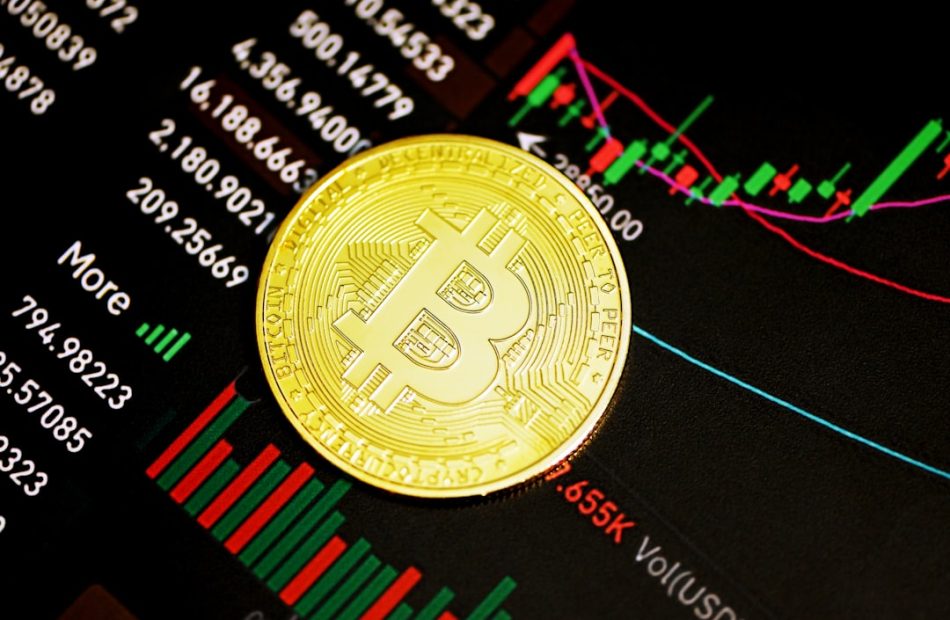
Bitcoin Halving Cycles: The Blueprint for Your Next Big Move
If you’ve been around crypto for more than a few months, you’ve probably heard the word ‘halving’ whispered like a secret handshake. But here’s the truth: the Bitcoin halving isn’t magic—it’s math. And understanding its historical cycles can give you a massive edge as a trader. Let’s break down exactly how these cycles work and how you can use them to plan your next move.
How It Works
Every four years, the reward Bitcoin miners receive for validating transactions is cut in half. This reduces the rate at which new Bitcoin enters circulation. In simple terms: less supply, steady (or growing) demand = upward pressure on price. Since 2012, we’ve seen three halvings, and each one has sparked a new bull run roughly 12–18 months later.
The Setup
Here’s the pattern that history has shown us:
1. Pre-Halving Rally (6–12 months before) – Traders front-run the event, pushing prices up.
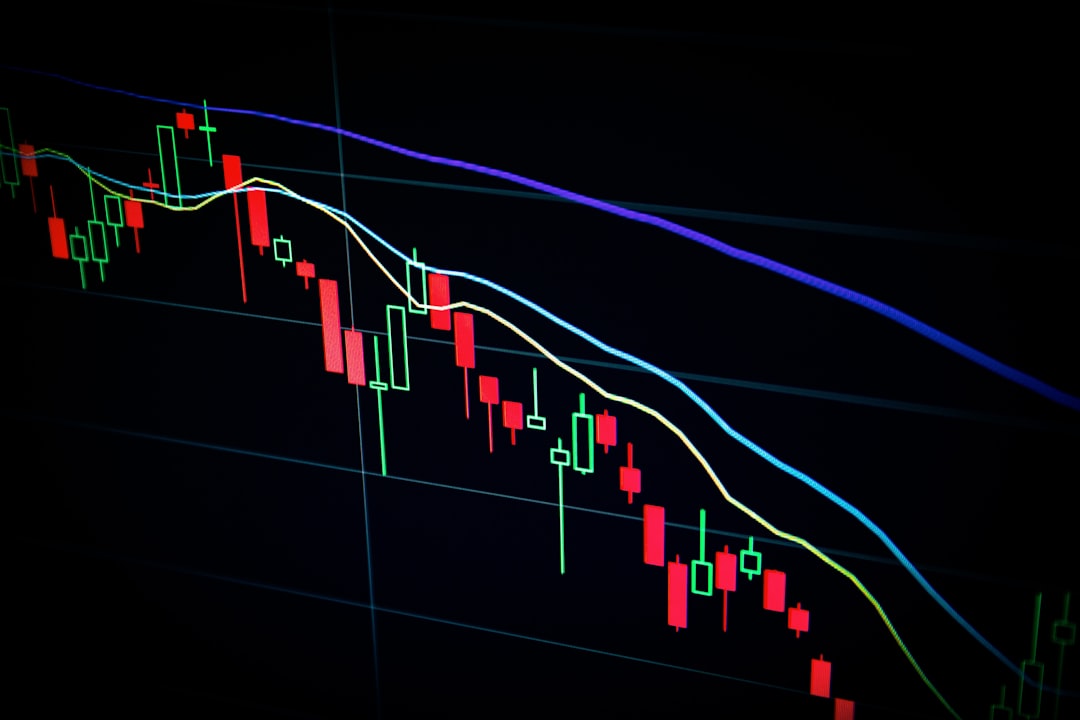
2. Halving Day – Often a ‘sell the news’ dip or sideways action.
3. The Accumulation Zone (3–6 months after) – Price consolidates. This is where patient traders build positions.
4. The Parabolic Phase (12–18 months after) – Price explodes to new all-time highs.
The key takeaway? The biggest gains don’t come on halving day. They come in the year that follows.
Risk Management
Cycles are patterns, not guarantees. Here’s how to stay safe:
- Don’t go all-in on one event. Use dollar-cost averaging (DCA) to enter during the accumulation zone.
- Set trailing stop-losses once price starts moving up. Protect your gains.
- Watch for diminishing returns. Each cycle’s peak has been lower in percentage gain than the last. Adjust your expectations.
- Keep a cash reserve. The parabolic phase always ends with a deep correction. Be ready to buy the dip.
Conclusion
The Bitcoin halving cycle is one of the most reliable patterns in all of finance. It won’t predict the exact top or bottom, but it gives you a roadmap. Use it to stay disciplined, manage risk, and position yourself ahead of the crowd. The next halving is coming—are you ready?
How to Read a Smart Contract Audit Report: A Complete Guide for Crypto Investors
Smart contract audits are the backbone of trust in decentralized finance (DeFi). But an audit report is only useful if you know how to interpret it. This guide breaks down every section of a typical audit report, explains key terminology, and gives you actionable tips to spot red flags.
Key Concepts
1. What Is a Smart Contract Audit?
A smart contract audit is a systematic review of a blockchain-based program’s code to identify security vulnerabilities, logical errors, and inefficiencies. Reputable firms like Trail of Bits, ConsenSys Diligence, and OpenZeppelin perform these audits.
2. Common Sections in an Audit Report
- Executive Summary: High-level overview of findings, risk rating, and overall security posture.
- Scope: Which contracts, files, and functions were reviewed.
- Methodology: Tools used (e.g., Slither, MythX) and manual review process.
- Findings: Detailed list of vulnerabilities, categorized by severity (Critical, High, Medium, Low, Informational).
- Recommendations: Suggested fixes for each finding.
- Remediation Status: Whether issues were fixed, partially fixed, or acknowledged.
3. Severity Levels Explained
- Critical: Can lead to loss of all funds or permanent contract breakage.
- High: Major security flaw that could cause significant financial damage.
- Medium: Potential risk under certain conditions.
- Low: Minor issues, often best practices not followed.
- Informational: Suggestions for code clarity or gas optimization.
Pro Tips
- Always check the date: An audit from 6 months ago may not reflect the current code if the project has been updated.
- Look for unresolved high/critical issues: If the report shows unaddressed high-severity findings, proceed with extreme caution.
- Verify the auditor’s reputation: Some lesser-known firms produce low-quality reports. Cross-reference with the auditor’s website and past work.
- Read the executive summary first: It gives you a quick verdict on the contract’s safety.
- Don’t rely on a single audit: The best projects get multiple audits from different firms.
FAQ Section
Q: Can a smart contract audit guarantee 100% security?
A: No. Audits reduce risk but cannot eliminate it. New vulnerabilities may emerge, and human error is always possible.
Q: How long does a typical audit take?
A: Depending on complexity, 1–4 weeks. Simple ERC-20 tokens may take a few days; complex DeFi protocols can take a month or more.
Q: What should I do if a project refuses to publish its audit?
A: Consider it a major red flag. Legitimate projects are transparent about their security reviews.
Q: Are all audit firms equally trustworthy?
A: No. Stick with well-known firms that have a track record of finding critical bugs. Check their past reports and client list.
Conclusion
Reading a smart contract audit report is an essential skill for any DeFi participant. Focus on severity levels, remediation status, and the auditor’s reputation. Remember that an audit is just one piece of the puzzle—always combine it with your own research and community feedback.
For more details on this, check out our guide on Satoshi’s Bitcoin Explained: Why the Crypto Community Wants Coins Left Untouched.
You might also be interested in reading about Real World Assets (RWA): How Tokenization Changes Investing.
Stablecoin Yield Strategies: Low Risk Farming – A Comprehensive Guide
In the volatile world of cryptocurrency, stablecoins offer a safe harbor. But did you know you can earn passive income on these dollar-pegged assets without taking on excessive risk? This guide explores low-risk stablecoin yield farming strategies that help you grow your portfolio steadily.
Key Concepts
Stablecoins are cryptocurrencies designed to maintain a stable value, typically pegged 1:1 to a fiat currency like the US dollar. Examples include USDT, USDC, and BUSD.
Yield Farming refers to the practice of lending or staking your crypto assets to earn rewards, often in the form of additional tokens or interest.
Low Risk in this context means prioritizing capital preservation over high returns. Strategies include lending on reputable platforms, providing liquidity to stablecoin pairs, and using insured protocols.
Pro Tips
- Always use audited and established platforms like Aave, Compound, or Binance Earn.
- Diversify across multiple protocols to mitigate smart contract risk.
- Monitor APY changes regularly – rates can fluctuate.
- Start with a small amount to test the process before committing larger sums.
For more details on this, check out our guide on Stablecoin Yield Strategies: Low Risk Farming – A Comprehensive Guide.
You might also be interested in reading about Unlocking Bitcoin’s Next Frontier: How to Trade the Layer-2 Ecosystem.
FAQ Section
What is the safest stablecoin yield strategy?
Lending stablecoins on centralized platforms like Binance Earn or using insured DeFi protocols like Aave (with coverage from Nexus Mutual) are considered among the safest.
How much can I earn from low-risk stablecoin farming?
APYs typically range from 2% to 10% depending on the platform and market conditions. Higher yields often come with higher risk.
Are there any risks in low-risk strategies?
Yes, risks include smart contract bugs, protocol insolvency, and stablecoin de-pegging events. Always do your own research.
Conclusion
Low-risk stablecoin yield farming is an excellent way to earn passive income without exposing yourself to the wild price swings of the crypto market. By choosing reputable platforms, diversifying your holdings, and staying informed, you can build a steady stream of returns. Start small, stay safe, and let your stablecoins work for you.
RWA vs Pure DeFi Yields: Which Is Safer?
Real World Assets (RWAs) represent a new asset class that bridges traditional finance (TradFi) with decentralized finance (DeFi). Unlike pure DeFi yields, which are generated entirely on-chain through lending protocols, liquidity pools, or yield farming, RWA yields are backed by tangible or intangible off-chain assets such as real estate, bonds, commodities, or private credit. The key difference lies in the source of value: off-chain (physical or legal claims) versus on-chain (algorithmic or token-based).
How RWA Tokenization Works
The process of bringing real-world assets onto a blockchain involves several steps:
- Asset Selection & Due Diligence: An asset (e.g., a commercial real estate property) is identified and legally verified.
- Special Purpose Vehicle (SPV): A legal entity is created to hold the asset, isolating it from the issuer’s balance sheet.
- Tokenization: The SPV issues digital tokens on a blockchain (e.g., Ethereum, Polygon) representing fractional ownership of the underlying asset.
- Oracle Integration: Oracles (e.g., Chainlink) provide real-time price feeds and data about the asset’s value and income.
- On-Chain Distribution: Tokens are distributed to investors, who can trade them 24/7 on secondary markets, providing liquidity that traditional assets lack.
Investment Analysis: Pros, Cons, and Risks
Pros of RWA Yields
- Stability: Backed by physical assets, RWA yields are generally less volatile than pure DeFi yields.
- Regulatory Clarity: Many RWA projects comply with securities laws, offering a safer legal framework.
- Fractional Ownership: Enables small investors to access high-value assets like real estate or bonds.
- Transparency: On-chain records provide immutable proof of ownership and transaction history.
Cons and Risks
- Regulatory Risk: Changing laws around tokenized securities can affect asset legality and liquidity.
- Smart Contract Risk: Bugs or exploits in the tokenization platform can lead to loss of funds.
- Counterparty Risk: The SPV or asset manager may default or mismanage the underlying asset.
- Liquidity Risk: While better than traditional assets, secondary markets for RWAs can still be thin.
For a broader market view, check out our analysis on How to Participate in Governance Proposals (DAOs): A Complete Guide for 2025.
Investors often compare this to Pure Bitcoin Payments Explained: A Complete Guide to GoMining’s New System.
Tool Recommendation
If you are looking for altcoin opportunities and smooth trading, try KuCoin. KuCoin offers a wide range of RWA tokens and DeFi assets with competitive fees and high liquidity. Visit KuCoin to explore their RWA and DeFi markets.
FAQ
What is the main safety difference between RWA and pure DeFi yields?
RWA yields are backed by tangible off-chain assets (e.g., real estate, bonds), providing a physical safety net, while pure DeFi yields rely on algorithmic protocols and token economics, which can be more volatile and susceptible to smart contract risks.
Are RWA investments regulated?
Many RWA projects comply with securities regulations, such as the SEC in the U.S. or similar bodies globally. However, regulation varies by jurisdiction and asset type, so investors should verify each project’s legal status.
Can I lose my investment in RWAs?
Yes. Risks include smart contract bugs, counterparty default, regulatory changes, and market value fluctuations of the underlying asset. RWAs are not risk-free, but they offer a different risk profile compared to pure DeFi.
Conclusion
Both RWA and pure DeFi yields have their place in a diversified portfolio. RWAs offer stability, regulatory compliance, and tangible backing, making them safer for risk-averse investors. Pure DeFi yields can provide higher returns but come with greater volatility and technical risks. The choice depends on your risk tolerance, investment horizon, and understanding of each asset class. For most investors, a balanced approach that includes both can optimize risk-adjusted returns.