
Mastering the Markets: A Beginner’s Guide to Japanese Candlestick Patterns
If you’ve ever glanced at a crypto or stock chart and felt overwhelmed by the zigzagging lines, you’re not alone. But what if I told you that hidden inside those price movements is a story—a story told through simple shapes called candlesticks? Japanese candlestick patterns have been used for centuries to predict market sentiment, and once you learn to read them, you’ll start seeing opportunities everywhere.
How It Works
Candlesticks were developed by Japanese rice traders in the 18th century. Each “candle” shows four key pieces of data: the open, high, low, and close price for a given time period. The body (the thick part) represents the range between open and close. If the close is higher than the open, the body is usually green or white (bullish). If the close is lower, it’s red or black (bearish). The thin lines above and below the body are the “wicks” or “shadows,” showing the highest and lowest prices during that period.
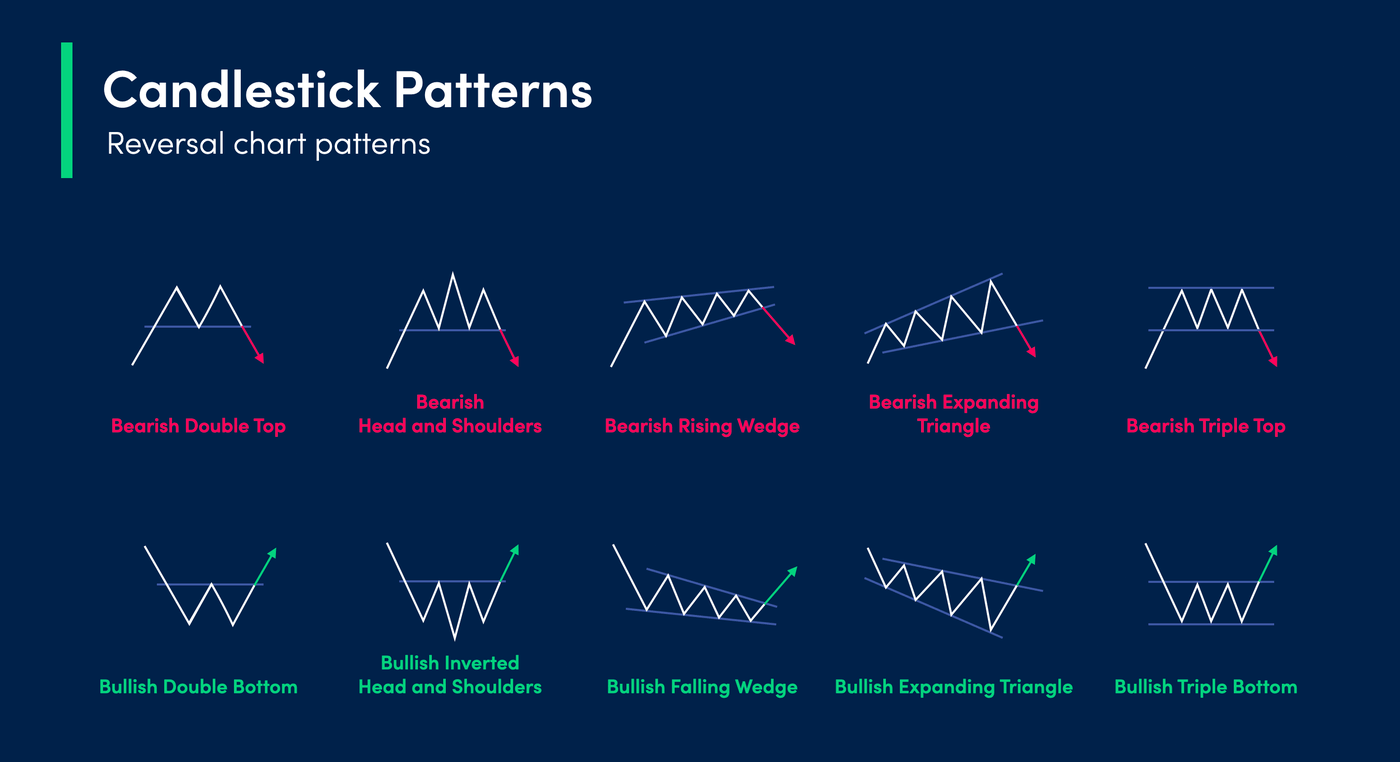
But the real magic happens when you look at patterns formed by multiple candles. These patterns reveal whether buyers or sellers are in control, and whether a trend might reverse or continue.
The Setup
Let’s break down three essential patterns you can start using today:
1. The Hammer (Bullish Reversal)
- What it looks like: A small body at the top of the candle with a long lower wick (at least twice the body length). No upper wick or a very short one.
- What it means: Sellers pushed the price down during the session, but buyers stepped in and drove it back up to near the open. This shows strong buying pressure after a downtrend, hinting at a reversal.
- How to trade: Wait for confirmation—a green candle closing above the hammer’s body. Enter long with a stop loss below the hammer’s low.
2. The Shooting Star (Bearish Reversal)
- What it looks like: A small body at the bottom of the candle with a long upper wick (at least twice the body length). Little to no lower wick.
- What it means: Buyers pushed the price up early, but sellers overwhelmed them and forced the price back down to near the open. This appears after an uptrend and signals potential bearish reversal.
- How to trade: Wait for a red candle closing below the shooting star’s body. Enter short with a stop loss above the star’s high.
3. The Engulfing Pattern (Strong Reversal)
- What it looks like: Two candles. The second candle’s body completely “engulfs” the first candle’s body. In a bullish engulfing, the second candle is green and engulfs a red candle. In a bearish engulfing, the second candle is red and engulfs a green candle.
- What it means: A sudden shift in momentum. For bullish engulfing, buyers overpowered sellers after a downtrend. For bearish engulfing, sellers took control after an uptrend.
- How to trade: Enter on the close of the second candle. Place a stop loss below the low (for bullish) or above the high (for bearish) of the engulfing candle.
Risk Management
Candlestick patterns are powerful, but they’re not magic. Always combine them with other tools like support/resistance levels, volume, or trend lines. Never risk more than 1-2% of your trading capital on a single trade. Use stop losses religiously. And remember: patterns work best on higher timeframes (1-hour, 4-hour, daily) where noise is reduced. Practice on a demo account first to build confidence without risking real money.
Conclusion
Japanese candlestick patterns give you a window into the battle between buyers and sellers. By learning to read these simple formations, you can spot potential reversals and continuations before they happen. Start with the Hammer, Shooting Star, and Engulfing patterns—they’re reliable and easy to spot. As you gain experience, you’ll develop an intuitive feel for market psychology. Happy trading, and remember: every candle tells a story. Listen closely.