

Unlocking Real Value: How to Trade Real World Assets (RWA) Tokenization
Imagine owning a piece of a prime New York office building or a share of a rare Picasso painting—without needing millions of dollars. That’s the promise of Real World Assets (RWA) tokenization, and it’s rapidly becoming one of the most exciting trends in crypto. For traders, this isn’t just about buying digital tokens; it’s about accessing a whole new asset class that bridges traditional finance and blockchain. Let’s break down what RWA tokenization means for your trading strategy and how you can get started today.
How it Works
At its core, RWA tokenization is the process of converting ownership of a physical or financial asset—like real estate, bonds, commodities, or even art—into a digital token on a blockchain. Each token represents a fraction of the underlying asset, allowing for fractional ownership, increased liquidity, and 24/7 trading. For example, instead of buying an entire gold bar, you can purchase a token that represents 1 gram of gold stored in a vault. The token’s price tracks the value of the gold, and you can trade it instantly on decentralized exchanges.
The Setup
To trade RWAs effectively, you need to know where to find them and how to evaluate them. Start by looking at leading platforms like Ondo Finance, Centrifuge, or MakerDAO’s real-world asset vaults. These projects tokenize everything from U.S. Treasury bills to invoice financing. Here’s a simple setup for a trade:
1. Identify a liquid RWA token – Look for tokens with high trading volume and a clear peg to the underlying asset (e.g., USDC yield tokens or tokenized real estate funds).

2. Check the yield – Many RWA tokens offer passive income, like interest from tokenized bonds. Compare this to traditional yields to spot opportunities.
3. Enter on dips – Like any asset, RWA tokens can be volatile due to market sentiment. Use limit orders to buy during price corrections relative to the asset’s net asset value (NAV).
4. Monitor governance – RWA projects often rely on oracles and audits. Stay updated on protocol changes that could affect token value.
Risk Management
While RWA tokenization is exciting, it’s not without risks. The biggest is counterparty risk—if the entity holding the physical asset defaults or commits fraud, your token could lose value. Always research the project’s custodians and audit history. Another risk is liquidity risk; some RWA tokens may have thin order books, making it hard to exit quickly. Stick to tokens on major exchanges or with deep liquidity pools. Finally, regulatory risk looms large—governments may change rules on tokenized assets. Diversify across different RWA types and keep a portion of your portfolio in more traditional crypto assets to hedge.
Conclusion
Real World Asset tokenization is more than a trend—it’s a paradigm shift that lets traders like you tap into trillion-dollar markets with crypto’s speed and flexibility. Start small, do your due diligence on each project, and treat these tokens as a complement to your existing strategies. The bridge between traditional and decentralized finance is being built right now, and you have a front-row seat. Happy trading!
The Role of Oracles in Real World Assets (Chainlink CCIP)
Real World Assets (RWAs) are tangible or intangible assets—such as real estate, bonds, commodities, and credit—that are tokenized on a blockchain. This process enables fractional ownership, 24/7 liquidity, and enhanced transparency, effectively bridging the gap between Traditional Finance (TradFi) and Decentralized Finance (DeFi). However, a critical challenge remains: how can a blockchain, which is inherently closed and deterministic, reliably access and verify data from the off-chain world? This is where oracles, particularly Chainlink’s Cross-Chain Interoperability Protocol (CCIP), play a transformative role.
Understanding the Off-Chain vs. On-Chain Divide
Blockchains are isolated systems that cannot natively fetch external data. For RWAs, this creates a fundamental problem: the asset’s value, ownership status, and legal standing exist off-chain (e.g., in a land registry or a bank’s ledger), while the tokenized representation exists on-chain. Oracles act as the bridge, securely bringing verified off-chain data onto the blockchain. Without oracles, tokenized RWAs would be blind to real-world events, making them unreliable for lending, trading, or collateralization.
How It Works: The Technical Process
The tokenization of an RWA with oracle integration follows a structured process:
- Asset Identification & Legal Structuring: The asset (e.g., a commercial real estate property) is identified, valued, and legally wrapped in a Special Purpose Vehicle (SPV) or a legal trust. This ensures the token represents a legal claim on the underlying asset.
- Tokenization: The SPV issues digital tokens on a blockchain (e.g., Ethereum, Polygon) representing fractional ownership. Each token corresponds to a specific share of the asset’s cash flows or value.
- Oracle Integration (Chainlink CCIP): Chainlink CCIP is used to securely transmit off-chain data—such as property appraisals, rental income, interest rates, or regulatory status—onto the blockchain. CCIP also enables cross-chain communication, allowing RWA tokens to move seamlessly between different blockchains (e.g., from Ethereum to Avalanche).
- Smart Contract Execution: Smart contracts use the oracle-provided data to automate actions: distributing rental yields, adjusting collateral ratios, or triggering liquidations if the asset’s value drops below a threshold.
Investment Analysis: Pros, Cons, and Risks
Investing in RWA tokens with oracle support offers compelling advantages but also carries distinct risks.
Pros
- Fractional Ownership: Investors can buy small portions of high-value assets (e.g., a $10 million building) that were previously inaccessible.
- 24/7 Liquidity: Tokenized assets can be traded on decentralized exchanges around the clock, unlike traditional markets.
- Transparency & Automation: On-chain data and smart contracts reduce the need for intermediaries, lowering costs and increasing trust.
Cons & Risks
- Regulatory Uncertainty: The legal status of tokenized assets varies by jurisdiction. Changes in securities laws could affect token value or trading.
- Smart Contract Risk: Bugs in the token contract or oracle integration could lead to loss of funds. Chainlink CCIP is audited but not immune to vulnerabilities.
- Oracle Manipulation: If the oracle provides incorrect data (e.g., a false property valuation), the entire system can be exploited. Chainlink uses decentralized node networks to mitigate this, but it remains a risk.
For a broader market view, check out our analysis on Mastering Japanese Candlestick Patterns: The Trader’s Visual Language. Investors often compare this to Tokenized Stocks: 24/7 Equity Trading Guide.
Tool Recommendation
For those looking to explore altcoin opportunities and trade tokenized RWAs with ease, KuCoin offers a robust platform with a wide range of assets and smooth trading experience. You can start here: KuCoin.
FAQ Section
What is Chainlink CCIP and why is it important for RWAs?
Chainlink CCIP (Cross-Chain Interoperability Protocol) is a secure, decentralized oracle network that enables blockchains to communicate with each other and with off-chain systems. For RWAs, CCIP provides reliable, tamper-proof data feeds (e.g., asset prices, interest rates) and allows tokenized assets to move across different blockchains, enhancing liquidity and accessibility.
How do oracles prevent fraud in RWA tokenization?
Oracles like Chainlink aggregate data from multiple independent sources (e.g., appraisers, market feeds, legal registries) and use a decentralized network of nodes to validate that data before it reaches the blockchain. This reduces the risk of a single point of failure or manipulation. Additionally, cryptographic signatures ensure data integrity.
What are the main risks of using oracles for RWAs?
The primary risks include oracle manipulation (if a node provides false data), smart contract bugs, and reliance on the oracle’s security model. Regulatory risks also persist, as the legal framework for tokenized assets is still evolving. Investors should verify that the oracle provider (e.g., Chainlink) has a strong track record and that the tokenization project uses audited contracts.
Conclusion
Oracles, particularly Chainlink CCIP, are the backbone of the RWA ecosystem, solving the critical off-chain/on-chain data problem. They enable trustless, automated, and cross-chain functionality that makes tokenized real-world assets viable for both retail and institutional investors. While risks remain—especially around regulation and smart contract security—the technology is maturing rapidly. For investors seeking exposure to this asset class, understanding the role of oracles is essential to making informed decisions. As the infrastructure improves, RWAs are poised to become a cornerstone of the future financial system.
KYC vs No-KYC Exchanges: Privacy Guide 2026
Introduction
In the rapidly evolving crypto landscape of 2026, the debate between Know Your Customer (KYC) and no-KYC exchanges has never been more critical. As regulators tighten their grip on digital assets, traders face a fundamental choice: convenience and compliance versus privacy and anonymity. This comprehensive guide explores the trade-offs, risks, and best practices for navigating both worlds, helping you make an informed decision based on your trading needs and privacy preferences.
Key Concepts
KYC Exchanges require users to submit personal identification documents (passport, driver’s license, utility bills) before trading. Examples include Coinbase, Binance, and Kraken. They offer higher liquidity, fiat on-ramps, and regulatory protection but sacrifice privacy.
No-KYC Exchanges allow trading without identity verification. Decentralized exchanges (DEXs) like Uniswap and some centralized platforms (e.g., KuCoin for certain tiers) fall into this category. They prioritize anonymity but may have lower liquidity, limited fiat support, and higher regulatory risk.
Privacy Coins like Monero and Zcash add an extra layer of anonymity, but many KYC exchanges delist them due to regulatory pressure.
Pro Tips
- Use a VPN when accessing no-KYC exchanges to mask your IP address and enhance privacy.
- Start with KYC exchanges for large trades or fiat conversions, then transfer funds to no-KYC platforms for smaller, privacy-sensitive transactions.
- Check exchange reputation on platforms like Trustpilot and Reddit before depositing funds on no-KYC sites—scams are more common there.
- Enable 2FA on all accounts, KYC or not, to protect against hacks.
- Understand local laws—some jurisdictions require KYC for any crypto transaction; ignorance is not a defense.
💡 Pro Tip
Looking for altcoin opportunities and smooth trading? Try KuCoin.
FAQ Section
1. Are no-KYC exchanges legal?
Yes, in most countries, but they operate in a gray area. Some jurisdictions (e.g., Japan, South Korea) require all exchanges to implement KYC. Always check local regulations.
2. Can I get hacked on a no-KYC exchange?
Yes. No-KYC exchanges often have weaker security and less recourse if funds are stolen. Use reputable platforms and never store large amounts on any exchange.
3. Do KYC exchanges share my data with governments?
Many KYC exchanges comply with data requests from tax authorities and law enforcement. Read the privacy policy carefully.
4. What’s the best strategy for privacy-conscious traders?
Use a KYC exchange for fiat on-ramp and large trades, then move funds to a no-KYC DEX or a privacy wallet for smaller, anonymous transactions.
Conclusion
Choosing between KYC and no-KYC exchanges in 2026 depends on your risk tolerance, trading volume, and privacy needs. KYC exchanges offer security and compliance but sacrifice anonymity. No-KYC platforms provide freedom but come with higher risks. A hybrid approach—using both types strategically—often yields the best balance. For more details on this, check out our guide on Real World Assets (RWA): How Tokenization Changes Investing | Complete Guide. You might also be interested in reading about Security Tokens vs Utility Tokens: The Definitive RWA Guide.
EU’s MiCA Full Implementation Deadline Looms for Crypto Firms
July 1, 2026 — The European Union’s Markets in Crypto-Assets (MiCA) regulation enters full enforcement on July 1, requiring all crypto service providers to hold a CASP license. Of over 1,200 previously registered VASP firms across the bloc, only approximately 210 have completed the conversion, leaving 83% of exchanges without authorization to serve EU clients.
Immediate Details & Direct Quotes
Want to trade this news? Bitget offers professional charting tools and deep liquidity.
The 18-month transitional period that allowed previously registered crypto firms to operate while applying for full MiCA compliance ends this week. The European Securities and Markets Authority (ESMA) has stated clearly that after July 1, any entity providing crypto-asset services to EU clients without a MiCA license will be in breach of EU law and must cease operations.
“The deadline is not a technicality,” according to the regulatory framework. ESMA maintains that firms still mid-application have no guaranteed legal protection once the deadline passes. Regulatory processing periods currently range from 25 to 40 business days for initial completeness assessments alone, making last-minute compliance virtually impossible for firms that have not yet submitted authorization requests.
Platforms that fail to comply face administrative fines under Article 111 reaching €15 million or 12.5% of annual turnover, whichever is greater. ESMA has stressed that authorized CASPs operating without proper licensing must implement orderly wind-down plans to minimize client harm, though concentrated exit pressure at the deadline could create friction for withdrawal processes.
Market Context & Reaction
As of March 2026, CASP authorizations had crossed 40 fully approved firms across the EU, with 14 centralized exchanges holding licenses. Leading compliant platforms include Binance in France, Kraken and Coinbase in Ireland, Bitstamp in Luxembourg, and OKX in Malta.
Approximately 70% of EU-based crypto transactions now occur on MiCA-compliant exchanges, indicating that volume has already concentrated around licensed platforms despite the relatively low number of authorized firms. This migration suggests investors have been proactively shifting assets toward compliant platforms ahead of the deadline.
Among platforms that secured regulatory approvals early is SwissBorg, a European wealth management app that obtained authorization through French authorities. France is considered one of the more stringent MiCA jurisdictions, and authorization there provides passporting rights across the broader EU. Users on SwissBorg can continue accessing yield products and trading infrastructure without service interruption, contrasting sharply with platforms still working through the authorization queue.
Background & Historical Context
MiCA, which entered into force in June 2023 and came into full application in December 2024, creates a unified licensing regime across all 27 EU member states. Unlike previous national VASP registrations, MiCA establishes a single authorization system covering governance, custody standards, conflicts of interest, prudential safeguards, client asset protection, disclosure obligations, and market abuse rules.
Transitional periods have varied dramatically across member states. The Netherlands required compliance by July 2025, Italy by December 2025, with others extending to the July 2026 outer limit. Some European investors have already been navigating a partially cleared market for months.
MiCA’s scope covers exchanges, trading platforms, portfolio managers, custodians, and brokers. It also sets new standards for stablecoin issuers, with major stablecoins like USDT remaining non-compliant, forcing exchanges to delist them and fragmenting liquidity in the European market.
What This Means
European investors should immediately verify whether their crypto platforms appear on ESMA’s interim MiCA register, updated weekly and listing authorized CASPs alongside flagged non-compliant entities. Any platform not found in that register warrants a closer look at where assets are currently held and what withdrawal options exist before activity is suspended.
Stablecoin allocations require particular attention. Users holding non-compliant stablecoins on EU-facing platforms may find their trading pairs restricted or eliminated in the coming weeks as MiCA’s earlier stablecoin provisions continue reshaping the European market.
The practical action for users on non-compliant platforms is to migrate capital onto licensed platforms before the deadline pressure peaks. ESMA has warned that orderly wind-down processes should not be assumed frictionless under concentrated exit pressure. July 1 is two days away, the authorized list is public, and the platforms that prepared early are already operating on the other side of regulatory compliance.
—

The Hidden Power of Support and Resistance Flips: Turn Old Levels into New Trades
Imagine buying a level that was once resistance, only to watch it turn into support and send price soaring. That’s the magic of a support and resistance flip—one of the most reliable setups in technical analysis. In this post, we’ll break down exactly how to spot these flips, why they work, and how to trade them with confidence.
How it Works
Support and resistance levels are not fixed walls. When price breaks through a resistance level, that level often becomes new support. The same applies in reverse: a broken support level can turn into new resistance. This phenomenon occurs because traders who missed the breakout or bought at the old level adjust their positions, creating a self-fulfilling prophecy.
The Setup
To trade a flip, follow these steps:
1. Identify a clear level – Look for a horizontal line where price has reversed at least twice (e.g., a double top or double bottom).

2. Wait for a decisive break – Price must close clearly above resistance (or below support) with increased volume. A candle that closes beyond the level is your trigger.
3. Look for a retest – After the breakout, price often returns to the old level. This retest is your entry point.
4. Enter on confirmation – Wait for a bullish rejection candle (like a hammer or bullish engulfing) at the flipped level before entering long. For a bearish flip, look for a bearish rejection candle at the old support turned resistance.
Example: If Bitcoin breaks above $30,000 resistance, wait for it to pull back to $30,000, see a bullish candle, then buy with a stop loss just below $29,800.
Risk Management
- Stop loss: Place your stop 1-2% below the flipped level (for long trades) or above it (for short trades). This gives price room to breathe while protecting you if the flip fails.
- Position size: Risk no more than 1-2% of your account on any single trade. If your stop is 2% away, size your position accordingly.
- Take profit: Target the next major resistance level or use a 1:2 risk-to-reward ratio. For example, if you risk $100, aim to make $200.
- Watch for fakeouts: Not every break is real. If price breaks a level but immediately reverses, the flip may be invalid. Always wait for the retest confirmation.
Conclusion
Support and resistance flips are a trader’s secret weapon—they turn old battle lines into new opportunities. By waiting for the break, the retest, and confirmation, you align yourself with the market’s momentum while keeping risk tight. Practice on a demo chart first, and soon you’ll see these flips everywhere. Happy trading!
Tax Loss Harvesting in Crypto: A Guide for Traders
Introduction
Tax loss harvesting is a strategy used by traders to reduce their taxable capital gains by selling assets at a loss. In the volatile world of cryptocurrency, this technique can be particularly powerful. This guide explains how crypto traders can leverage tax loss harvesting to optimize their tax liability, stay compliant, and potentially increase after-tax returns.
Key Concepts
- Capital Gains and Losses: When you sell a crypto asset for more than you paid, you have a capital gain. Selling for less creates a capital loss. These are classified as short-term (held ≤1 year) or long-term (held >1 year) for tax purposes.
- Wash Sale Rule: In traditional markets, the wash sale rule prevents you from claiming a loss if you repurchase the same or substantially identical asset within 30 days. Important: The IRS has not yet applied this rule to cryptocurrencies, but this could change. Always consult a tax professional.
- Netting Gains and Losses: You can offset capital gains with capital losses. If losses exceed gains, you can deduct up to $3,000 ($1,500 if married filing separately) against ordinary income per year, with remaining losses carried forward.
- Cost Basis Tracking: Accurate records of purchase price, sale price, and dates are essential. Use a crypto tax software or maintain detailed logs.
Pro Tips
- Harvest losses before year-end: To use losses for the current tax year, sell before December 31.
- Consider repurchasing after 30 days: Even though the wash sale rule may not apply to crypto yet, it’s prudent to wait 30 days to avoid potential future rule changes.
- Use losses to offset high-tax short-term gains: Short-term gains are taxed as ordinary income (up to 37%), so offsetting them with losses yields the greatest tax benefit.
- Don’t let tax strategy drive all decisions: Only sell if it aligns with your investment thesis. Avoid selling a promising asset just for a tax break.
FAQ Section
What is tax loss harvesting in crypto?
It’s the practice of selling crypto assets at a loss to offset capital gains from other sales, reducing your overall tax liability.
Does the wash sale rule apply to crypto?
As of now, the IRS has not explicitly applied the wash sale rule to cryptocurrencies, but it may in the future. Consult a tax advisor.
How much can I deduct if my losses exceed gains?
You can deduct up to $3,000 ($1,500 if married filing separately) against ordinary income per year. Excess losses can be carried forward indefinitely.
Do I need to report every crypto trade?
Yes, the IRS requires reporting of all taxable events, including trades, sales, and disposals of cryptocurrency.
Can I harvest losses on stablecoins?
Yes, if you sell a stablecoin at a loss (e.g., due to depegging), you can harvest that loss. However, stablecoins rarely fluctuate significantly.
Conclusion
Tax loss harvesting is a valuable strategy for crypto traders to minimize taxes and maximize after-tax returns. By understanding the rules, tracking your cost basis, and acting strategically before year-end, you can turn market downturns into tax advantages. Always stay updated on regulatory changes and consult a tax professional for personalized advice.
For more details on this, check out our guide on The Complete Beginner’s Guide to Airdrop Farming Strategies.
You might also be interested in reading about CLARITY Act Explained: What New Crypto Rules Mean for Regulation.
Tokenized Real Estate: How to Invest with $50
Tokenized real estate is transforming the way everyday investors access property markets. By converting real-world assets (RWAs) like commercial buildings, residential complexes, or land into digital tokens on a blockchain, investors can buy fractional ownership for as little as $50. This guide explains the off-chain vs. on-chain difference, the technical process, and the risks and rewards of this emerging asset class.
What Is Tokenized Real Estate?
Tokenized real estate represents a physical property through digital tokens issued on a blockchain. Each token corresponds to a share of the underlying asset, giving the holder proportional rights to rental income, capital appreciation, or voting on property decisions. The key distinction is off-chain vs. on-chain: the physical property remains off-chain (registered with a legal entity like a Special Purpose Vehicle or SPV), while the token ownership is recorded on-chain. This structure bridges traditional finance (TradFi) with decentralized finance (DeFi), enabling 24/7 liquidity and transparent ownership records.
How It Works: The Technical Process
The tokenization process involves several steps to ensure legal and technical integrity:
- Asset Selection & Valuation: A property is appraised by a licensed third-party. Reports from BlackRock and JPMorgan highlight that institutional-grade assets are increasingly being tokenized.
- SPV Formation: A legal entity (Special Purpose Vehicle) holds the property title. Tokens represent shares in this SPV, not direct ownership of the land.
- Token Issuance: The SPV issues tokens on a blockchain (e.g., Ethereum, Polygon, or a regulated platform). Each token typically represents a fraction of the property value.
- Oracle Integration: Oracles feed real-world data (rental income, property valuations) onto the blockchain to calculate yields and trigger smart contract actions.
- Secondary Trading: Tokens can be traded on decentralized exchanges (DEXs) or specialized RWA platforms, providing liquidity that traditional real estate lacks.
Investment Analysis: Pros, Cons, and Risks
Pros
- Low Entry Barrier: Invest with as little as $50, compared to traditional real estate requiring tens of thousands.
- Liquidity: Tokens can be traded 24/7, unlike physical property that takes months to sell.
- Diversification: Spread small amounts across multiple properties globally.
- Transparency: All transactions and ownership records are on-chain and auditable.
Cons
- Regulatory Uncertainty: Many jurisdictions lack clear rules for tokenized real estate. The SEC and ESMA are still developing frameworks.
- Smart Contract Risk: Bugs or exploits in the token contract could lead to loss of funds.
- Illiquidity of Underlying Asset: While tokens trade, the property itself remains illiquid. If the SPV fails, token holders may face losses.
- Valuation Challenges: Property appraisals can be subjective, and oracles may not always reflect accurate market prices.
For a broader market view, check out our analysis on Tokenized Real Estate: How to Invest with $50. Investors often compare this to How to Bridge Assets Across Blockchains Safely: A Complete Guide for 2025.
Tool Recommendation
To trade tokenized real estate tokens and other RWA assets, you need a reliable exchange with strong liquidity and security. Looking for altcoin opportunities and smooth trading? Try KuCoin. KuCoin offers a wide range of tokenized assets, low fees, and a user-friendly interface for both beginners and advanced traders. Sign up here to start investing with as little as $50.
FAQ Section
Is tokenized real estate legal?
Yes, but legality varies by jurisdiction. Most tokenized real estate projects use an SPV structure that complies with securities laws. Always verify that the platform is registered with relevant regulators (e.g., SEC in the US, FCA in the UK).
What happens if the property loses value?
Token holders bear the same risk as traditional property owners. If the property depreciates, the token value declines proportionally. However, diversification across multiple tokens can mitigate this risk.
Can I sell my tokens at any time?
Yes, provided there is liquidity on the secondary market. Some platforms have lock-up periods or limited trading pairs. Data from RWA.xyz shows that secondary market liquidity for tokenized real estate is growing but still lower than for major cryptocurrencies.
Conclusion
Tokenized real estate democratizes access to a traditionally exclusive asset class. With as little as $50, you can own a fraction of income-generating property, enjoy 24/7 liquidity, and benefit from blockchain transparency. However, regulatory risks, smart contract vulnerabilities, and valuation challenges remain. For investors willing to do their due diligence and start small, tokenized real estate offers a compelling way to diversify into RWAs. As the ecosystem matures—with major players like BlackRock and JPMorgan entering the space—this asset class is poised for significant growth.
BIS Says Stablecoins Resemble ETFs, Not Real Money
June 29, 2026 — The Bank for International Settlements (BIS) has declared that stablecoins function more like exchange-traded funds than genuine money, warning that their price deviations from par and redemption delays undermine their role as reliable payment tools. The global central bank umbrella group’s latest annual report argues that dollar-pegged tokens are accelerating dollarization in vulnerable economies while evading traditional capital controls.
Immediate Details & Direct Quotes
Ready to act on this news? Open an account on Binance — the world’s largest crypto exchange.
The BIS report draws a sharp distinction between stablecoins and traditional money. True currency, the report states, is accepted “with no questions asked” at face value — whether as physical cash or a bank deposit. Stablecoins, however, frequently trade at slight premiums or discounts to their $1 peg on secondary markets, mirroring ETF share price behavior.
“Redemption frictions are common, indicating that current stablecoin designs resemble exchange-traded fund shares rather than means of payment,” the BIS report states. Unlike bank deposits ultimately backed by central bank money, stablecoin transfers “settle neither directly nor indirectly on central bank balance sheets,” and “they cannot currently ensure exchange at par across issuers and blockchains under all conditions.”
The report highlights that stablecoins also fail the “cash-in-advance” money model. Issuers mint new tokens only after users deposit equivalent fiat currency — a 100% pre-funding requirement that prevents flexible supply expansion. Commercial banks, by contrast, create new deposit money through lending without waiting for cash deposits.
Market Context & Reaction
The BIS warns that dollar-pegged stablecoins are accelerating dollarization in emerging economies, particularly during periods of high inflation or sovereign debt stress. Rising flows from non-dollar currencies into US dollar stablecoins can weaken domestic currencies in spot markets, the report found.
This phenomenon mirrors traditional deposit dollarization — where households create foreign-currency bank deposits during domestic instability — but with added complications. “Such measures are likely to be imperfect given the digital bearer-like nature of tokens and the availability of unhosted wallets,” the BIS notes, suggesting that capital controls effective on bank deposits fail to constrain self-custodied, borderless tokens.
The report identifies friction between crypto markets and conventional foreign exchange markets, potentially raising dollar acquisition costs through FX swap markets. Once stablecoin-driven dollarization takes hold, the BIS observes, it tends to persist for years.
Background & Historical Context
The crypto industry has long promoted stablecoins as the future of blockchain-based payments, touting them as frictionless digital cash. Major stablecoins like USDT and USDC have grown to tens of billions in market capitalization, with total stablecoin supply exceeding $160 billion.
The BIS, representing 63 central banks globally, has consistently taken a cautious stance toward crypto assets. Previous reports have warned about stablecoin run risks, operational vulnerabilities, and regulatory gaps. This year’s analysis adds specificity by formally comparing stablecoin mechanics to ETF structures rather than monetary instruments.
Several emerging economies have already restricted cross-border stablecoin use. The BIS acknowledges these efforts but questions their effectiveness given stablecoins’ pseudonymous and decentralized nature.
What This Means
The BIS report signals a hardening of regulatory attitudes toward stablecoins globally. Policymakers in both advanced and developing economies may use this framework to justify tighter oversight, potentially requiring stablecoin issuers to pursue banking licenses or central bank reserves backing.
For stablecoin holders and traders, the analysis underscores redemption risk — converting tokens back to fiat may involve delays or costs, particularly during market stress. Users should verify issuer reserve transparency and redemption mechanisms.
The report’s emphasis on dollarization pressures suggests that capital controls targeting stablecoins could expand, especially in vulnerable economies. Traders operating across jurisdictions should monitor regulatory developments closely.
Long-term, the BIS comparison to ETFs rather than money undermines stablecoins’ primary value proposition. Failure to achieve true money status could accelerate central bank digital currency development as an alternative.
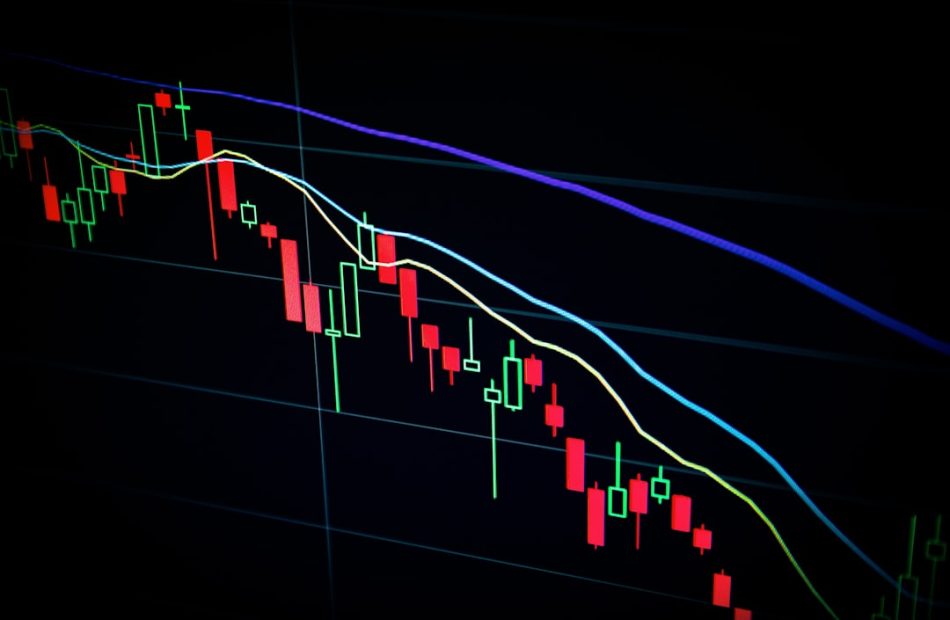
FOMO in Trading: How to Turn Fear of Missing Out into Your Secret Weapon
You’ve seen it happen—a coin pumps 20% in an hour, your chat group is buzzing, and your finger hovers over the “Buy” button. That rush, that panic of being left behind, is FOMO. It’s one of the most powerful emotions in trading, but it’s also the fastest way to blow up your account. The good news? You can learn to master it.
The Strategy Explained
FOMO isn’t just a weakness—it’s a signal. When you feel that urgent pull to buy, it usually means the market has already moved. Smart traders use that feeling as a warning, not a green light. Instead of chasing, they prepare.
How it Works
FOMO-driven trades are typically impulsive, based on price action alone without a plan. The antidote is a simple pre-trade checklist:
1. Check the trend – Is this move part of a larger uptrend, or just a random spike?
2. Look for volume – A real breakout has high volume. Low volume pumps are traps.

3. Wait for a retest – Instead of buying the breakout, wait for price to pull back to support. If it holds, you get a better entry.
4. Set a stop-loss – Know exactly where you’re wrong before you enter.
The Setup
Here’s a practical FOMO-busting setup for any crypto or stock:
- Timeframe: 1-hour or 4-hour chart
- Indicator: RSI (Relative Strength Index) – when RSI is above 70, the asset is overbought. FOMO peaks here.
- Action: Do NOT buy when RSI > 70. Instead, add the asset to your watchlist. Wait for RSI to drop back below 60 and price to find support at a moving average (like the 20 EMA).
- Entry: Buy only after a confirmed bounce from support with increasing volume.
This simple rule turns you from a chaser into a hunter.
Risk Management
FOMO is dangerous because it makes you ignore risk. To protect yourself:
- Never risk more than 1-2% of your account on a single trade.
- Use a hard stop-loss – place it just below the nearest support level.
- Scale in – instead of going all-in, buy 1/3 of your position at the first signal, add another 1/3 if price confirms, and leave the last 1/3 for a potential dip.
- Journal every FOMO urge – write down what you felt, what the chart looked like, and whether acting on it would have been profitable. This builds self-awareness.
Conclusion
FOMO isn’t going away—it’s part of being human. But you can train yourself to treat it as a red flag, not a green light. By using a checklist, waiting for the right setup, and managing risk, you’ll stop chasing tops and start catching waves. The market will always have another opportunity. The key is to be ready when it comes.
Remember: discipline beats adrenaline every time.
Cold Storage vs Hot Wallets: Which Should You Choose? A Complete Guide for 2025
In the world of cryptocurrency, one of the most critical decisions you’ll make is how to store your digital assets. The choice between cold storage and hot wallets can mean the difference between keeping your funds safe and losing them to hackers or your own mistakes. This guide breaks down everything you need to know to make an informed decision.
Key Concepts
What is a Hot Wallet?
A hot wallet is a cryptocurrency wallet that is connected to the internet. Examples include mobile apps, browser extensions, and exchange wallets. They are convenient for frequent transactions and trading but are more vulnerable to online attacks.
What is Cold Storage?
Cold storage refers to wallets that are not connected to the internet. This includes hardware wallets (like Ledger or Trezor), paper wallets, and even offline computers. They offer superior security but are less convenient for daily use.
Key Differences at a Glance
- Security: Cold storage wins hands-down. Hot wallets are exposed to malware, phishing, and exchange hacks.
- Convenience: Hot wallets are instant and easy to use. Cold storage requires extra steps to access funds.
- Cost: Hot wallets are usually free. Cold storage often requires purchasing a hardware device.
- Use Case: Hot wallets for spending and trading; cold storage for long-term holding (HODLing).
Pro Tips
- Use both: Keep a small amount in a hot wallet for daily transactions and store the bulk of your assets in cold storage.
- Never share your seed phrase: Your recovery phrase is the key to your funds. Store it offline, in a safe place.
- Enable 2FA: For hot wallets and exchanges, always use two-factor authentication.
- Test small amounts first: Before moving large sums, send a tiny test transaction to confirm the address.
- Keep your hardware wallet firmware updated: Manufacturers release security patches regularly.
FAQ Section
Q: Can I lose my crypto if my hot wallet provider goes bankrupt?
A: Yes, if you use a custodial hot wallet (like an exchange wallet), the provider controls your private keys. If they go bankrupt or get hacked, you could lose your funds. Non-custodial hot wallets (where you hold the keys) are safer in that regard.
Q: Is a hardware wallet 100% secure?
A: No wallet is 100% secure. Hardware wallets can still be compromised if you buy a tampered device, share your seed phrase, or connect it to an infected computer. However, they are the most secure option for most users.
Q: Which is better for beginners?
A: Beginners often start with a hot wallet (like MetaMask or Trust Wallet) to learn the basics. Once they accumulate significant value, they should move to cold storage.
Q: Can I use both cold and hot wallets together?
A: Absolutely. This is the recommended approach. Use a hot wallet for small, frequent transactions and a cold wallet for your long-term savings.
Conclusion
Choosing between cold storage and hot wallets doesn’t have to be an either/or decision. The smartest strategy is to use both: a hot wallet for everyday spending and a cold wallet for your long-term holdings. Your choice should depend on your risk tolerance, transaction frequency, and the amount of crypto you own.
For more details on this, check out our guide on Gold-Backed Cryptos vs Physical Gold: Pros and Cons.
You might also be interested in reading about Identity on Chain: KYC and Compliance in DeFi.