
DePIN Explained: Earning Passive Income with Infrastructure
Decentralized Physical Infrastructure Networks (DePIN) are revolutionizing how we think about infrastructure ownership and passive income. By leveraging blockchain technology, DePIN allows individuals to contribute real-world resources—like bandwidth, storage, computing power, or even physical sensors—and earn tokens in return. This guide breaks down everything you need to know to start earning passive income with DePIN.
Introduction
Imagine earning cryptocurrency just by sharing your unused internet bandwidth, hard drive space, or even by installing a small weather sensor on your balcony. That’s the promise of DePIN. Unlike traditional infrastructure, which is owned and operated by centralized corporations, DePIN networks are built and maintained by a global community of participants. In exchange for providing hardware and services, participants are rewarded with native tokens, creating a truly decentralized and permissionless ecosystem.
Key Concepts
- Physical Infrastructure Nodes: These are the actual devices (e.g., routers, hard drives, sensors) that provide services to the network. Anyone can run a node.
- Token Incentives: Participants earn tokens for contributing resources. The more reliable and valuable your contribution, the higher your rewards.
- Proof of Contribution: A consensus mechanism that verifies that a node is actually providing the promised service (e.g., storing files, relaying data).
- Tokenomics: The economic model of the DePIN project, including token supply, reward distribution, and utility. Understanding this is key to predicting long-term value.
- Staking & Slashing: Many DePIN projects require you to stake tokens to participate. If your node goes offline or misbehaves, a portion of your stake may be slashed.
Pro Tips
- Start Small: Don’t invest in expensive hardware right away. Begin with projects that require minimal setup, like sharing bandwidth or running a lightweight node.
- Research Tokenomics: Look for projects with sustainable reward mechanisms. Avoid those with hyperinflationary token models that could devalue your earnings.
- Consider Network Effects: A DePIN project is only as valuable as its user base. Choose networks that are already growing and have real-world demand.
- Factor in Costs: Electricity, internet, and hardware maintenance eat into your profits. Calculate your net ROI before committing.
- Diversify: Don’t put all your resources into one DePIN project. Spread your contributions across different networks to mitigate risk.
FAQ Section
What is the minimum investment to start with DePIN?
It varies. Some projects allow you to start with just a smartphone or a laptop. Others require purchasing specialized hardware costing a few hundred dollars. Always check the project’s documentation.
Is DePIN passive income truly passive?
Mostly yes, but some maintenance is required. You’ll need to keep your device online, update software, and occasionally troubleshoot issues. It’s more passive than active trading, but not completely hands-off.
How are DePIN rewards taxed?
Tax treatment varies by jurisdiction. In many countries, token rewards are considered income at the time of receipt, and any subsequent sale may be subject to capital gains tax. Consult a tax professional.
What are the risks of DePIN?
Key risks include: token price volatility, hardware failure, network obsolescence, slashing penalties, and regulatory uncertainty. Always do your own research.
Conclusion
DePIN represents a paradigm shift in infrastructure ownership, turning everyday users into active participants and earners. By understanding the key concepts, following pro tips, and choosing the right projects, you can build a diversified passive income stream that grows with the network. Start small, stay informed, and always prioritize security and sustainability.
For more details on this, check out our guide on Oracles in RWA: How Chainlink CCIP Bridges Off-Chain Assets.
You might also be interested in reading about The Revenge Trade Trap: How to Stop Letting Losses Control Your Portfolio.
Michael Selig Separates Crypto Perps From Agricultural Futures
June 25, 2025 — CFTC Chair Michael Selig has publicly differentiated crypto perpetual futures from traditional agricultural contracts, stating the 24/7 trading products are not suited for commodity markets that rely on physical delivery. Speaking at the American Cotton Shippers Association Annual Convention on Tuesday, Selig emphasized regulatory distinctions between digital assets and agricultural derivatives, while regulated crypto perpetuals continue expanding across U.S. trading venues.
Immediate Details & Direct Quotes
Ready to act on this news? Open an account on Binance — the world’s largest crypto exchange.
Selig drew a clear line between the CFTC’s historical oversight of agricultural markets and its newer responsibilities involving digital assets. “Crypto perpetual futures are not a natural fit for agricultural markets,” Selig said, according to remarks delivered at the convention. The chair acknowledged that 24/7 trading structures and perpetual futures contracts conflict with traditional commodity markets that operate during limited hours and depend on physical delivery.
The comments come weeks after the CFTC approved Bitcoin perpetual futures for prediction market platform Kalshi and issued a no-action position permitting similar products on Coinbase. Kraken subsequently launched perpetual futures trading for U.S. customers through its CFTC-regulated platform Bitnomial. “I was pleased to address the men and women from @CottonShippers who provide our country and the world with clothes, textiles, and medical supplies from American grown cotton,” Selig posted on social media following the event.
Market Context & Reaction
Regulated crypto perpetuals have generated substantial trading volume, with Kalshi’s products surpassing $8.5 billion within weeks of launch. This growth has attracted attention from established exchange operators. CBOE has begun evaluating whether its Bitcoin and Ether futures products could be converted into perpetual contracts, according to additional reporting cited in the CFTC chair’s remarks.
However, legal challenges are mounting. CME Group filed a lawsuit against the CFTC in the U.S. District Court for the District of Columbia last week, alleging that the agency’s approvals violated the Commodity Exchange Act. The lawsuit adds to uncertainty surrounding the CFTC, which currently operates with Selig as its sole commissioner and chair following Caroline Pham’s departure in December 2025. President Donald Trump has not appointed additional commissioners despite calls from lawmakers.
Background & Historical Context
The CFTC and Securities and Exchange Commission recently launched a joint public consultation seeking feedback on how U.S. regulations classify swaps, security-based swaps, mixed swaps, and related derivatives products. The agencies stated that financial markets and trading practices have evolved since the original implementation of Title VII of the Dodd-Frank Act, prompting a review of whether current definitions still align with modern products.
Comments will remain open for 60 days after publication in the Federal Register. The review covers jurisdictional questions, swap exclusions, alternative compliance frameworks, mixed swaps, and newly developed financial products, including event contracts and prediction market products. Addressing the initiative, Selig said the consultation could help resolve longstanding ambiguities within Dodd-Frank. SEC Chair Paul Atkins separately stated that additional regulatory clarity is overdue, including for event-based products.
A key issue involves crypto perpetual futures, which differ from traditional futures contracts because they have no expiration date. If regulators classify crypto perpetuals as swaps rather than futures, platforms offering the products could face different requirements covering execution, reporting, clearing, and regulatory oversight. Kalshi’s Bitcoin perpetual futures were permitted to remain listed under existing futures rules, subject to compliance with the Commodity Exchange Act and CFTC regulations.
What This Means
The U.S. Senate is expected to consider the Digital Asset Market Clarity Act in the coming weeks. According to lawmakers and industry participants, the legislation could redefine how regulatory responsibilities are divided between the CFTC and SEC for digital asset markets. This could provide the regulatory certainty that industry participants have been seeking.
For traders, the joint CFTC-SEC review represents a critical juncture. If crypto perpetuals are classified as swaps, trading platforms may need to adjust their compliance frameworks. The classification outcome will also determine whether established exchanges like CBOE can convert their Bitcoin and Ether futures into perpetual contracts. Market participants should monitor the 60-day comment period closely, as regulatory outcomes could reshape the competitive landscape for digital asset derivatives in the United States.
—
Tokenized Assets Explained: A Beginner’s Guide to Enso’s Unified Access Platform
Did you know that tokenized real-world assets now represent over $31 billion in onchain value—yet most users still need to juggle dozens of different platforms to access them? That’s a serious problem for anyone trying to invest in tokenized stocks, treasuries, or commodities. On June 23, 2026, Enso launched its real-world assets (RWA) app to solve exactly this fragmentation issue. Instead of hopping between different issuers and blockchain networks, users can now access over 500 tokenized assets through a single layer. This guide explains what tokenized assets are, why Enso’s approach matters, and how integrations with xStocks and Ondo Finance are making these investments more accessible than ever before. You’ll learn how this infrastructure works, what it means for both retail and institutional investors, and why experts believe this could unlock the next wave of growth for tokenized finance.
Read time: 10-12 minutes
Understanding Tokenized Assets for Beginners
Tokenized assets are real-world financial products—like stocks, bonds, commodities, or real estate—that have been converted into digital tokens on a blockchain. Think of it like creating a digital receipt for owning a piece of a real-world asset. Just as a concert ticket proves you have the right to attend a show, a token proves you have ownership rights to an underlying asset.
Why were tokenized assets created? They solve a fundamental problem: traditional financial markets are fragmented, slow, and expensive. Moving money between different banks, brokers, and countries can take days and cost significant fees. Tokenized assets can be traded 24/7, settled instantly, and accessed by anyone with an internet connection—removing the middlemen that typically control access to these markets.
A real-world example helps clarify: Before tokenization, buying US Treasury bonds required a brokerage account, minimum investments of thousands of dollars, and dealing with market hours. Today, through platforms like Ondo Finance, you can buy tokenized Treasury products for as little as a few dollars, any time of day or night. The token represents your ownership of the Treasury bond, and the blockchain records the transaction transparently.
The Technical Details: How Enso’s Unified Distribution Layer Works
Enso’s new infrastructure isn’t just another platform—it’s a execution and orchestration layer that connects users to tokenized assets from multiple providers through a single point of entry. Here’s how it works:
1. Asset Aggregation: Enso’s system monitors and connects to over 500 different tokenized assets from partners like xStocks (stocks and ETFs), Ondo Finance (Treasury products and equities), and Anchorage Digital (institutional custody).
2. Smart Routing: When a user wants to buy or sell an asset, Enso’s technology automatically finds the best path. This could mean minting new tokens directly from the issuer, swapping on a decentralized exchange, or routing through a liquidity pool—whichever gives the best price and fastest execution.
3. Single Integration Point: For fintech apps and wallet providers, integrating with Enso means they only need one connection instead of building separate integrations for every tokenized asset issuer. This dramatically reduces development time and costs.
4. Institutional-Grade Security: Through Anchorage Digital’s Porto platform, institutional clients can interact with tokenized yield opportunities while maintaining self-custody controls and regulatory compliance standards.
Flow diagram suggestion: A visual showing how a user request travels from a wallet app through Enso’s routing layer to multiple asset providers (xStocks, Ondo, etc.) and back.
Why this structure matters for you: Instead of managing accounts on multiple platforms, remembering different passwords, and tracking which blockchain each asset lives on, Enso’s unified layer lets you interact with all tokenized assets through one interface. It’s like having a universal remote for your entire crypto investment portfolio.
Current Market Context: Why This Matters Now
The tokenized asset market has reached a critical inflection point. As of late June 2026, cumulative transaction volume for tokenized equities has surpassed $25 billion, and the total market for tokenized real-world assets (RWAs) now sits at approximately $31.76 billion in onchain value, according to industry data.
What’s driving this growth? Several factors:
- Institutional adoption is accelerating: Major financial institutions are deploying tokenized treasuries and money market funds, bringing billions in traditional capital onto blockchains.
- Regulatory clarity is improving: In the US, Europe (under MiCA), and Asia, clearer frameworks are emerging for tokenized securities.
- Yield demand remains high: In a world where traditional savings accounts still offer minimal returns, tokenized Treasury products offering competitive yields have attracted significant capital.
However, the industry faces a bottleneck. As Connor Howe, CEO of Enso, noted: “The tokenization industry has made enormous progress on issuance, custody, and compliance, but accessibility remains one of the biggest barriers to adoption.” Users still struggle with fragmented distribution across different platforms and blockchains.
The timing of Enso’s launch matters because it comes exactly when the market needs scalable solutions—not more asset creation, but better distribution infrastructure.
Competitive Landscape: How Enso Compares
Enso isn’t the only platform working on tokenized asset distribution, but its approach is distinct. Here’s how it compares to other major players:
| Feature | Enso (Unified Distribution Layer) | Traditional Brokerages (e.g., Robinhood) | Decentralized Exchanges (e.g., Uniswap) |
|---|---|---|---|
| Primary Function | Infrastructure layer connecting users to tokenized assets | Retail trading platform for traditional securities | Peer-to-peer token swapping |
| Asset Types | Tokenized stocks, ETFs, treasuries, commodities, stablecoins | Stocks, ETFs, crypto (limited tokenized assets) | Crypto tokens (limited RWA exposure) |
| Access Model | Single integration point for wallets and fintech apps | Direct user accounts required | Direct wallet connection |
| Target Users | Both retail (via apps) and institutional (via Anchorage) | Primarily retail investors | DeFi-native users |
| Key Advantage | Abstracts complexity of multiple blockchains and issuers | Familiar interface, regulatory compliance | Permissionless access, self-custody |
| Key Limitation | Relies on partner integrations for asset availability | Limited to traditional market hours and products | Limited liquidity for tokenized assets, security risks |
Why this matters for users: If you’re a retail investor using a fintech app that integrates Enso, you get the best of both worlds: access to diverse tokenized assets combined with a user experience similar to traditional apps. Institutional investors benefit from Enso’s availability within Anchorage Digital’s Porto platform, maintaining security standards they’re accustomed to.
Practical Applications: Real-World Use Cases
Here are concrete ways different users can benefit from Enso’s unified access:
- Diversified Portfolio Building – A retail investor can hold tokenized US Treasuries (for stability), tokenized tech stocks (for growth), and stablecoins (for liquidity)—all through a single fintech app using Enso’s infrastructure. No multiple accounts needed.
- Global Yield Hunting – An international user based in a country with limited access to US capital markets can now invest in tokenized Treasury products through their existing crypto wallet, bypassing traditional banking barriers.
- Institutional Treasury Management – A corporate treasury team using Anchorage Digital’s Porto platform can allocate portions of their cash reserves into tokenized money market funds and commodities, achieving yield without sacrificing the security of institutional-grade custody.
- Fintech App Integration – A wallet provider or financial app can add tokenized stocks, ETFs, and treasuries as a feature by integrating Enso’s API once, rather than building separate connections to each asset issuer. This makes their product more valuable overnight.
- Automated Rebalancing – Smart contracts could automatically rebalance a user’s portfolio between tokenized assets and stablecoins based on market conditions, all routed through Enso’s unified layer for best execution.
Risk Analysis: Expert Perspective
Like any evolving technology, tokenized assets and the infrastructure accessing them come with important risks:
Primary Risks:
1. Smart Contract Risk: The code powering asset minting and routing could contain bugs or vulnerabilities. While Enso’s layer is designed for security, no code is perfect. Mitigation: Enso undergoes regular security audits and partners with institutional-grade custodians.
2. Regulatory Uncertainty: The regulatory status of tokenized assets varies by jurisdiction. While progress is being made (MiCA in Europe, evolving SEC guidance in the US), rules could change. Mitigation: Enso’s partnerships with regulated entities like Anchorage Digital provide compliance infrastructure.
3. Counterparty Risk: Tokenized assets depend on the issuer honoring their obligations—for example, a tokenized Treasury product requires the issuer to actually hold the underlying Treasury bonds. Mitigation: Use platforms like Ondo Finance that are transparent about their asset backing.
4. Liquidity Limitations: While volume is growing, some tokenized assets may have thinner liquidity than their traditional counterparts, potentially affecting trade execution. Mitigation: Enso’s smart routing finds the best available path across multiple venues.
Expert Consensus: Most industry analysts agree that the accessibility challenge is the next major hurdle for tokenized asset adoption. Enso’s approach—providing infrastructure rather than creating yet another asset platform—addresses this directly. However, users should start with small amounts, understand the regulatory treatment in their jurisdiction, and never invest more than they can afford to lose.
Beginner’s Corner: Quick Start Guide
Ready to explore tokenized assets through Enso’s ecosystem? Here’s how to get started:
Step 1: Get a compatible wallet. Use a wallet like MetaMask or a fintech app that’s already integrated Enso’s infrastructure. Your wallet is your gateway to interacting with tokenized assets.
Step 2: Fund your account. Deposit stablecoins (like USDC or USDT) or cryptocurrency (like ETH) into your wallet. Some apps may also accept direct fiat deposits via bank transfer.
Step 3: Access a platform using Enso. Look for apps or wallets that advertise Enso integration. If using Anchorage Digital’s Porto platform, follow their institutional onboarding process.
Step 4: Browse available assets. Explore the range of tokenized stocks, ETFs, treasuries, commodities, and stablecoins available through the Enso-connected platform.
Step 5: Start with a small test trade. Execute a small purchase—perhaps $10-20 worth of a tokenized Treasury product—to understand the experience before committing larger amounts.
Common Mistakes to Avoid:
- Don’t share your private keys or seed phrase with anyone
- Don’t invest more than you can afford to lose in any asset class
- Don’t ignore gas fees (transaction costs on Ethereum can be significant)
- Don’t assume all tokenized assets have the same regulatory treatment
Where to Learn More: CryptoSimplified.net’s glossary has beginner guides on blockchain wallets, stablecoins, and decentralized finance concepts.
Future Outlook: What’s Next
Enso’s launch is just the beginning. According to the company’s announcements, several developments are on the horizon:
1. Expanded Asset Coverage: With tokenized equities already surpassing $25 billion in transaction volume, Enso plans to scale global access to even more asset types through ongoing partnerships with xStocks and Ondo Finance.
2. Deepening Institutional Integration: The availability within Anchorage Digital’s Porto platform suggests growing demand from professional investors. Expect more institutional partnerships to follow.
3. Broader Fintech Adoption: As more wallet providers and financial apps integrate Enso’s single connection point, tokenized assets could become as easy to buy as traditional stocks are today.
4. Improved User Experience: Enso’s new RWA app is designed to bring “institutional-grade routing and execution to retail users,” suggesting a continued focus on making complex infrastructure feel simple.
The long-term vision is clear: the winners in tokenization won’t just be the platforms creating assets—they’ll be the infrastructure providers that make those assets accessible to millions of users.
Key Takeaways
- Enso’s unified distribution layer connects users to over 500 tokenized assets through a single integration point, solving the problem of fragmented access across different platforms and blockchains.
- Tokenized assets now represent a $31.76 billion market with cumulative equity volume exceeding $25 billion, showing significant mainstream traction.
- The Enso platform abstracts complexity by routing transactions through direct minting infrastructure and various liquidity venues to find the most efficient path.
- Key integrations with xStocks (tokenized equities), Ondo Finance (Treasury products), and Anchorage Digital (institutional custody) provide both retail and institutional access.
- The next phase of growth depends on accessibility infrastructure, not just asset creation, as emphasized by Enso CEO Connor Howe.
,
“datePublished”: “2026-06-23”,
“dateModified”: “2026-06-23”,
“mainEntity”: {
“@type”: “Thing”,
“name”: “Tokenized Real-World Assets”
}
}
How to Bridge Assets Across Blockchains Safely: A Step-by-Step Guide
Bridging assets across blockchains is a fundamental skill for any crypto user. Whether you’re moving ETH from Ethereum to Arbitrum, or swapping tokens between Solana and Polygon, cross-chain bridges allow you to unlock liquidity, access new dApps, and take advantage of lower fees. However, bridges are also a prime target for hacks and user errors. This guide will walk you through the safest methods to bridge your assets, covering key concepts, pro tips, and the best tools for the job.
Key Concepts
- Cross-Chain Bridge: A protocol that enables the transfer of tokens or data between two different blockchain networks. Bridges lock assets on the source chain and mint equivalent tokens on the destination chain.
- Wrapped Tokens: Tokens that represent an asset from another blockchain (e.g., WETH on Polygon is a wrapped version of Ethereum’s ETH). These are not the original asset but are pegged 1:1.
- Trustless vs. Custodial Bridges: Trustless bridges rely on smart contracts and validators, while custodial bridges use a central entity to manage the transfer. Trustless bridges are generally safer but can still have smart contract risks.
- Slippage & Fees: Always check the estimated gas fees and slippage before confirming a bridge transaction. High slippage can result in receiving fewer tokens than expected.
- Bridge Security: Bridges have been hacked for billions of dollars. Always use well-audited, reputable bridges and avoid unknown protocols.
Pro Tips
- Start Small: Always test a bridge with a small amount first to ensure the transaction works and you understand the process.
- Check for Audits: Only use bridges that have been audited by top security firms like Trail of Bits, Certik, or OpenZeppelin.
- Use Native Bridges When Possible: Native bridges built by the blockchain team (e.g., Arbitrum Bridge, Polygon PoS Bridge) are generally safer than third-party bridges.
- Monitor Transaction Status: After initiating a bridge, track the transaction on both the source and destination chains using block explorers like Etherscan or Solscan.
- Avoid Phishing: Always double-check the bridge URL. Scammers create fake bridge sites that look identical to real ones.
For more details on this, check out our guide on EU Crypto Firms Face July 1 Shutdown as MiCA Deadlines Already Passed.
FAQ Section
What is the safest way to bridge assets?
The safest way is to use a native bridge built by the blockchain team (e.g., Arbitrum Bridge, Polygon PoS Bridge) and always start with a small test transaction. Avoid third-party bridges unless they have a strong track record and multiple audits.
How long does a bridge transaction take?
It varies. Some bridges complete in minutes (e.g., Solana to Ethereum via Wormhole), while others can take 15–30 minutes or longer, especially if the destination chain is congested. Always check the estimated time on the bridge interface.
Can I lose my funds when bridging?
Yes, there are risks: smart contract bugs, hacks, user error (sending to the wrong address), or network congestion. Always double-check addresses, use reputable bridges, and never bridge more than you can afford to lose.
What happens if a bridge gets hacked?
If a bridge is hacked, the wrapped tokens on the destination chain may become worthless because the underlying assets on the source chain are stolen. Some bridges have insurance funds or have been able to recover funds, but it’s not guaranteed.
Do I need native gas tokens on the destination chain?
Yes, you typically need the native token of the destination chain (e.g., ETH on Arbitrum, MATIC on Polygon) to pay for gas fees when you want to move your bridged assets again. Some bridges offer a “gas station” service that provides a small amount of native tokens.
You might also be interested in reading about Why is Bitcoin Down? A Beginner’s Guide to the $78,000 Market Dip.
Conclusion
Bridging assets across blockchains is an essential part of the DeFi ecosystem, but it comes with risks. By understanding key concepts like wrapped tokens and trustless bridges, following pro tips like starting small and checking audits, and using reputable tools like Bitget for charting, you can navigate cross-chain transfers safely. Always stay vigilant, keep your private keys secure, and never rush a transaction. With the right approach, bridging can open up a world of opportunities in the multi-chain future.
Meta Developing Prediction Market App ‘Arena’ as Sector Gains Traction
June 23, 2026 — Meta, the parent company of Facebook, is developing a new experimental app called “Arena” that functions as a prediction market platform, according to a New York Times report. The app would allow users to forecast outcomes in politics, sports, entertainment and world affairs using a video game-like points system rather than cash wagers.
Immediate Details & Direct Quotes
Ready to act on this news? Open an account on Binance — the world’s largest crypto exchange.
The product is currently experimental but described as a top priority inside Meta, according to people familiar with the matter who spoke with the New York Times. Unlike established prediction market platforms such as Polymarket or Kalshi, Arena would rely on a points-based system instead of real money—though Meta has not ruled out eventually incorporating real-money betting.
Meta had previously launched a similar product called “Forecast” in 2020, which encouraged users to make predictions about current events and emerging trends during the early stages of the Covid-19 pandemic. The company ultimately shut down Forecast in 2022.
The sources characterized Arena as both experimental and a high-priority initiative within the company. Specific launch dates and details about the points system mechanics were not disclosed.
Market Context & Reaction
Meta’s renewed interest in prediction markets comes amid surging popularity for the sector. Polymarket experienced breakout success during the 2024 U.S. presidential election, when traders flocked to the crypto-based platform to place bets on electoral outcomes, generating billions of dollars in trading volume and pushing prediction markets into mainstream political discourse.
The broader industry trend supports Meta’s move. Nearly every major trading platform has made efforts to offer prediction market-style products or event contracts. Crypto-native companies including Coinbase and Kraken have explored opportunities in the space, while retail brokerage Robinhood has introduced event-based contracts tied to political and economic outcomes.
As of June 2026, the prediction market sector continues to attract significant attention from both users and regulators.
Background & Historical Context
The rapid growth of prediction markets has brought increasing legal and regulatory scrutiny. Critics argue that contracts tied to elections, geopolitics or other sensitive events can blur the line between financial instruments and gambling.
Regulators have raised concerns about market manipulation, insider information, consumer protection, and the potential for participants to profit from events they may be able to influence. In the United States, the Commodity Futures Trading Commission (CFTC) has repeatedly grappled with whether certain event contracts serve a legitimate hedging purpose or constitute prohibited gaming activities.
Meta’s Arena project represents the company’s second attempt at entering the prediction market space, following the earlier Forecast initiative that operated from 2020 to 2022.
What This Means
Meta’s entry into prediction markets signals growing mainstream acceptance of event-based forecasting platforms. The company’s massive user base could accelerate adoption if Arena launches widely.
The points-based approach may help Meta navigate regulatory challenges that have plagued real-money prediction markets, though the potential for eventual cash betting leaves regulatory questions open.
Traders and investors should monitor Meta’s development timeline and any future announcements about real-money integration. The project remains experimental with no confirmed launch date.
—

Spot Reversals Like a Pro: Mastering the Head and Shoulders Pattern
Imagine being able to spot when a trend is about to run out of steam and reverse direction. That’s exactly what the Head and Shoulders pattern can do for you. It’s one of the most reliable chart patterns in technical analysis, and once you learn to recognize it, you’ll see it everywhere — from Bitcoin to altcoins to stocks. Let’s break it down in plain English.
How It Works
The Head and Shoulders pattern signals a trend reversal from bullish to bearish. It forms after an uptrend and consists of three peaks: a left shoulder (first high), a higher head (second high), and a right shoulder (third high that is lower than the head). The magic happens when price breaks below the “neckline” — a support level connecting the lows of the two troughs between the peaks.
The Setup
Here’s how to trade it step by step:
Looking for altcoin opportunities and smooth trading? Try KuCoin.
1. Identify the pattern – Look for three peaks with the middle one being the highest. The two shoulders should be roughly equal in height.

2. Draw the neckline – Connect the lowest points of the two troughs between the shoulders. This is your key level.
3. Wait for the breakout – Do NOT enter until price closes decisively below the neckline. A false breakout can trap you.
4. Measure the target – The price target is the distance from the head’s peak down to the neckline, projected downward from the breakout point.
5. Enter short – Place a sell order just below the neckline after the breakout is confirmed.
Risk Management
No pattern is perfect, so protect your capital:
- Stop-loss – Place it just above the right shoulder’s high. If price reverses and breaks above that, the pattern has failed.
- Position size – Never risk more than 1-2% of your account on a single trade.
- Take profit – Set your first target at the measured move. You can take partial profits there and let the rest run if momentum continues.
- Watch for volume – Ideally, volume should decrease during the right shoulder and spike on the breakdown. Low volume breakouts are less reliable.
Conclusion
The Head and Shoulders pattern is a classic that every trader should have in their toolkit. It gives you a clear entry, a defined stop-loss, and a measurable target — everything a disciplined trader needs. Practice spotting it on historical charts first, then trade it live with small size. Over time, you’ll develop an eye for these reversals and gain confidence in your trading decisions.
Identity on Chain: KYC and Compliance in DeFi
Real World Assets (RWAs) are tangible or intangible assets—such as real estate, bonds, commodities, and credit—tokenized on a blockchain. This process enables fractional ownership, 24/7 liquidity, and transparency, bridging the gap between Traditional Finance (TradFi) and DeFi. However, for RWAs to achieve mainstream adoption, identity verification and regulatory compliance must be integrated on-chain. This guide explores how Know Your Customer (KYC) and compliance protocols are reshaping DeFi for institutional and retail investors alike.
Off-Chain vs. On-Chain Identity
In traditional finance, identity verification occurs off-chain through centralized databases and manual checks. In DeFi, transactions are pseudonymous, which creates a tension with regulatory requirements like Anti-Money Laundering (AML) and sanctions screening. On-chain identity solutions—such as decentralized identifiers (DIDs) and verifiable credentials—allow users to prove their identity without revealing sensitive data, enabling compliant yet permissionless access to tokenized assets.
How KYC and Compliance Work in DeFi
The technical process involves several layers:
- Tokenization: An asset is represented as a digital token on a blockchain, often through a Special Purpose Vehicle (SPV) that holds the legal title.
- Identity Oracles: Third-party services (e.g., Chainlink, Civic) verify user identity off-chain and submit a cryptographic proof on-chain.
- Smart Contract Enforcement: Compliance rules—such as whitelisting approved addresses or limiting transfer volumes—are encoded in the smart contract.
- Regulatory Reporting: On-chain data is aggregated and reported to authorities via compliance dashboards.
For example, a tokenized real estate fund may require all investors to complete KYC before minting tokens. Once verified, the user’s wallet is added to a whitelist, and the smart contract only allows transfers to other whitelisted addresses.
Investment Analysis: Pros, Cons, and Risks
Pros of on-chain identity in RWA DeFi:
- Increased Trust: Institutional investors gain confidence knowing that counterparties are verified.
- Regulatory Clarity: Compliance reduces the risk of fines or legal action.
- Fractional Ownership: KYC enables broader participation in high-value assets like commercial real estate.
Cons and risks:
- Privacy Concerns: On-chain identity can expose user data if not properly designed.
- Smart Contract Risk: Bugs in compliance logic could lock funds or allow unauthorized transfers.
- Regulatory Fragmentation: Different jurisdictions have varying KYC/AML requirements, complicating global access.
For a broader market view, check out our analysis on DePIN Explained: Earning Passive Income with Infrastructure. Investors often compare this to Bitcoin Layer 2s: Stacks, Lightning, and Runes Guide – Scaling Bitcoin for DeFi & Payments.
Tool Recommendation
To trade tokenized RWAs with low fees and high liquidity, we recommend using a platform that prioritizes compliance and user experience. Low fees are crucial for this strategy. We recommend MEXC. Start trading on MEXC today.
FAQ
Question: What is the difference between off-chain and on-chain KYC?
Answer: Off-chain KYC involves submitting documents to a centralized entity, while on-chain KYC uses cryptographic proofs to verify identity without exposing raw data, enabling compliance in decentralized environments.
Question: Can I remain anonymous while investing in tokenized RWAs?
Answer: Generally, no. Most compliant RWA platforms require at least basic KYC to satisfy AML regulations. However, zero-knowledge proofs can allow you to prove identity without revealing personal details.
Question: What happens if a smart contract fails to enforce compliance?
Answer: The issuer may be liable for regulatory penalties. Investors could also face frozen assets or legal action. Audited smart contracts and insurance can mitigate this risk.
Conclusion
On-chain identity is the linchpin for compliant DeFi and RWA adoption. While challenges around privacy and regulation remain, solutions like verifiable credentials and identity oracles are maturing. For investors, understanding KYC and compliance is essential to navigating this emerging asset class safely. As the ecosystem evolves, platforms that balance transparency with privacy will lead the market.
The Rise of AI Agents in Crypto: A Complete Guide
Introduction
The intersection of artificial intelligence and cryptocurrency is creating a new paradigm in decentralized finance. AI agents—autonomous programs that can learn, adapt, and execute tasks—are increasingly being deployed on blockchain networks to automate trading, manage portfolios, optimize DeFi strategies, and even participate in governance. This guide explores what AI agents are, how they work in crypto, and what you need to know to leverage them effectively.
Key Concepts
- AI Agent: A software entity that perceives its environment, makes decisions, and takes actions to achieve specific goals. In crypto, these agents interact with smart contracts, exchanges, and oracles.
- Autonomous Trading Bots: AI agents that analyze market data, identify patterns, and execute trades without human intervention. They can use machine learning to improve over time.
- DeFi Automation: Agents that manage yield farming, liquidity provision, and rebalancing across protocols, maximizing returns while minimizing gas costs.
- On-Chain Governance: AI agents can vote on DAO proposals based on predefined criteria or learned preferences, enabling more efficient decentralized decision-making.
- Oracle Integration: AI agents often rely on oracles to fetch real-world data (e.g., price feeds, weather data) to trigger smart contract actions.
Pro Tips
- Start with small capital when testing AI agents—backtest strategies thoroughly before deploying real funds.
- Monitor agent performance regularly; even the best models can drift in volatile markets.
- Use agents that support multi-chain environments to capture opportunities across ecosystems.
- Always review the code or audit reports of any AI agent you plan to use—security is paramount.
FAQ Section
What exactly is an AI agent in crypto?
An AI agent is an autonomous program that uses machine learning or rule-based logic to interact with blockchain networks. It can execute trades, manage DeFi positions, or participate in governance without constant human input.
Are AI agents safe to use?
Safety depends on the agent’s code, the platform it runs on, and your own risk management. Always use audited agents, start small, and never grant more permissions than necessary.
Do I need coding skills to use AI agents?
Not necessarily. Many platforms offer no-code interfaces to configure and deploy AI agents. However, understanding basic trading and DeFi concepts is helpful.
Can AI agents replace human traders?
AI agents can automate repetitive tasks and react faster than humans, but they lack intuition and can fail in unprecedented market conditions. They are best used as tools to augment human decision-making.
Conclusion
AI agents are rapidly transforming the crypto landscape by bringing automation, efficiency, and intelligence to decentralized systems. Whether you’re a trader, a DeFi enthusiast, or a DAO participant, understanding how to leverage these agents can give you a significant edge. As the technology matures, expect even more sophisticated agents that can handle complex multi-step strategies and cross-chain operations.
For more details on this, check out our guide on How to Participate in Governance Proposals (DAOs): A Complete Guide.
You might also be interested in reading about Privacy Coins: Navigating the Regulatory Storm.

Spot the Reversal: How to Trade the Head and Shoulders Pattern Like a Pro
If you’ve been staring at charts wondering when the trend is about to change direction, the Head and Shoulders pattern is your secret weapon. It’s one of the most reliable reversal patterns in technical analysis, and once you know how to spot it, you’ll see it everywhere. Let’s break it down so you can trade it with confidence.
How it Works
The Head and Shoulders pattern signals that an uptrend is losing steam and a reversal to the downside is likely. It forms after a strong rally and consists of three peaks: a left shoulder, a higher head, and a right shoulder that’s roughly equal to the left. The magic happens when price breaks below the “neckline” — the support level connecting the lows of the two troughs.
The Setup
Here’s exactly what to look for:
1. Left Shoulder: A strong price push up, followed by a pullback to the neckline.
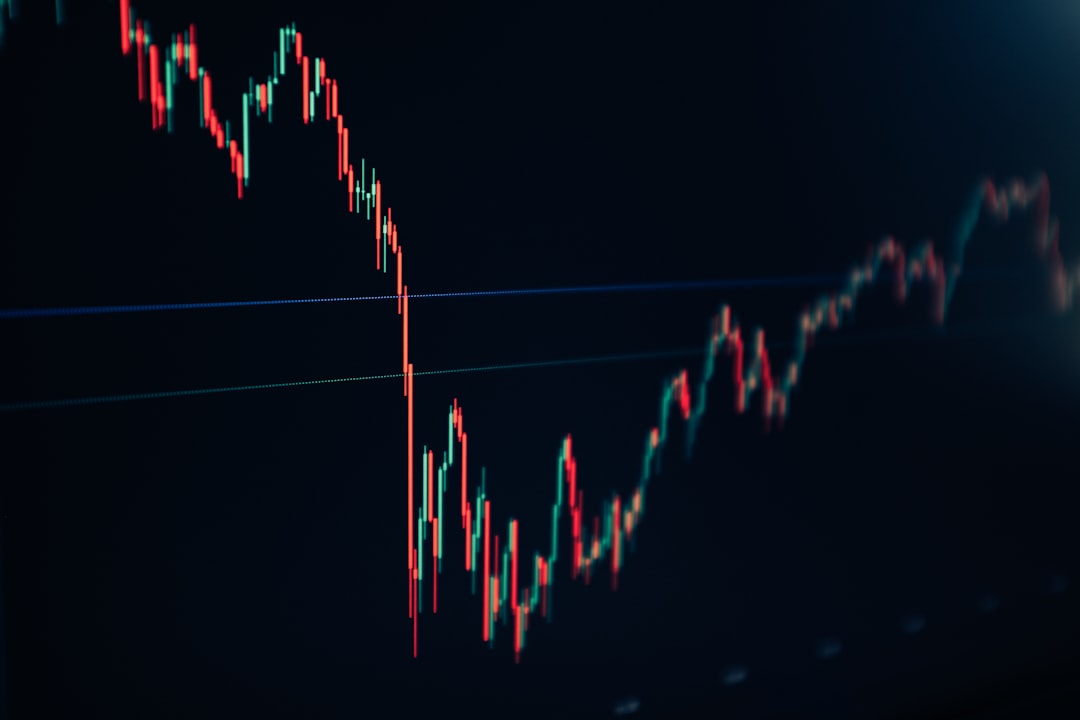
2. Head: A higher high than the left shoulder, then another pullback to the neckline.
3. Right Shoulder: A lower high (typically near the level of the left shoulder), indicating buying pressure is fading.
4. Neckline Break: The pattern is confirmed when price closes decisively below the neckline. This is your trigger to enter a short trade.
Pro Tip: Wait for a retest of the neckline from below before entering. This gives you a better risk-reward ratio.
Risk Management
No pattern is perfect, so protect your capital:
- Stop Loss: Place it just above the right shoulder’s high. If price reverses and breaks that level, the pattern has failed.
- Target: Measure the distance from the head’s peak to the neckline, then project that same distance downward from the break point. That’s your profit target.
- Position Size: Never risk more than 1-2% of your account on a single trade.
Remember, the Head and Shoulders pattern works best on higher timeframes (1-hour, 4-hour, daily) and with clear trends. Practice on a demo account first, and soon you’ll be calling reversals like a seasoned trader.
How to Secure Your Crypto Wallet: A Step-by-Step Guide
Introduction
Cryptocurrency wallets are the gateway to your digital assets, but they are also a prime target for hackers. With billions of dollars lost to scams and breaches each year, securing your wallet is not optional—it’s essential. Whether you’re a beginner or a seasoned trader, this step-by-step guide will walk you through the best practices to protect your crypto from theft, phishing, and human error.
Key Concepts
- Private Keys vs. Seed Phrases: Your private key is like a password that proves ownership of your crypto. A seed phrase (12-24 words) is a backup that can restore your entire wallet. Never share either.
- Hot vs. Cold Wallets: Hot wallets (e.g., MetaMask, Trust Wallet) are connected to the internet for easy access. Cold wallets (e.g., Ledger, Trezor) are offline hardware devices offering maximum security.
- Two-Factor Authentication (2FA): Adds an extra layer of security by requiring a second code (via app or hardware key) to log in or authorize transactions.
- Smart Contract Risks: Approving token spending on decentralized apps (dApps) can expose your wallet to malicious contracts. Always review permissions.
Pro Tips
- Use a Hardware Wallet for Large Holdings: Store the majority of your crypto in a cold wallet like Ledger or Trezor. Only keep small amounts in hot wallets for daily trading.
- Never Enter Your Seed Phrase Online: Scammers often pose as support or fake websites. Your seed phrase should only be written down on paper and stored in a safe place.
- Enable 2FA on Exchanges: Use an authenticator app (Google Authenticator, Authy) instead of SMS, which is vulnerable to SIM-swapping attacks.
- Revoke Unused Approvals: Use tools like Etherscan’s Token Approval Checker to remove permissions from dApps you no longer use.
- Beware of Phishing Links: Always double-check URLs before connecting your wallet. Bookmark official sites to avoid fake clones.
💡 Pro Tip
Looking for altcoin opportunities and smooth trading? Try KuCoin.
FAQ Section
What is the safest type of crypto wallet?
Hardware wallets (cold storage) are considered the safest because they keep your private keys offline. Popular options include Ledger Nano X and Trezor Model T.
Can I recover my wallet if I lose my phone?
Yes, if you have your seed phrase. Simply download the same wallet app on a new device and enter the seed phrase to restore access. Never store the seed phrase digitally.
Is it safe to connect my wallet to dApps?
Only connect to trusted, well-audited dApps. Use a separate hot wallet with limited funds for interacting with DeFi and NFTs to minimize risk.
What should I do if I suspect my wallet is compromised?
Immediately transfer your funds to a new wallet with a fresh seed phrase. Revoke all token approvals and change passwords. Consider using a hardware wallet going forward.
For more details on this, check out our guide on What the Senate Ban on Prediction Market Betting Means for Crypto Users.
You might also be interested in reading about Security Tokens vs Utility Tokens: RWA Guide.
Conclusion
Securing your crypto wallet is a continuous process, not a one-time setup. By following the steps outlined in this guide—using hardware wallets, enabling 2FA, avoiding phishing, and regularly revoking approvals—you can drastically reduce the risk of losing your assets. Remember: in the crypto world, you are your own bank. Stay vigilant, stay educated, and your funds will remain safe.