
Identity on Chain: KYC and Compliance in DeFi
Real World Assets (RWAs) are tangible or intangible assets—such as real estate, bonds, commodities, and credit—that are tokenized on a blockchain. This process enables fractional ownership, 24/7 liquidity, and transparency, effectively bridging the gap between Traditional Finance (TradFi) and Decentralized Finance (DeFi). However, for RWAs to function within regulated frameworks, identity verification and compliance mechanisms must be integrated on-chain. This guide explores how Know Your Customer (KYC) and compliance protocols are reshaping DeFi, making it safer and more accessible for institutional and retail investors alike.
Off-Chain vs. On-Chain Identity
In traditional finance, identity verification occurs off-chain through centralized databases and manual checks. In DeFi, identity must be verified without compromising user privacy or decentralization. On-chain identity solutions use cryptographic proofs, zero-knowledge proofs, and decentralized identifiers (DIDs) to allow users to prove their identity or compliance status without revealing sensitive personal data. This shift enables permissioned DeFi pools, compliant token offerings, and secure RWA trading.
How It Works: The Technical Process
The integration of KYC and compliance in DeFi for RWAs follows a multi-step technical process:
- Tokenization: The RWA is legally structured through a Special Purpose Vehicle (SPV) and then tokenized on a blockchain (e.g., Ethereum, Polygon).
- Identity Verification: Users complete KYC/AML checks via a trusted third-party oracle or identity protocol (e.g., Civic, Polygon ID). A zero-knowledge proof is generated to attest compliance.
- Smart Contract Integration: The compliance attestation is stored on-chain as a verifiable credential. Smart contracts check this credential before allowing transactions, ensuring only verified participants can trade or earn yields.
- Oracles: Oracles feed real-world data (e.g., asset prices, regulatory updates) to the blockchain, ensuring that compliance rules remain current.
Investment Analysis: Pros, Cons, and Risks
Investing in RWAs with on-chain KYC and compliance offers several advantages and risks:
Pros
- Regulatory Clarity: On-chain compliance reduces legal uncertainty, attracting institutional capital.
- Enhanced Security: Verified identities lower the risk of fraud and money laundering.
- Liquidity: Fractional ownership and 24/7 trading become viable within compliant frameworks.
Cons
- Privacy Trade-offs: Even with zero-knowledge proofs, some user data may be exposed to oracles or verifiers.
- Centralization Risk: Reliance on a single identity provider or oracle can create a single point of failure.
Risks
- Regulation: Evolving global regulations (e.g., MiCA, SEC guidelines) may impose new requirements on tokenized assets.
- Smart Contract Risk: Bugs in compliance logic could lock funds or allow unauthorized access.
For a broader market view, check out our analysis on Bitcoin Layer 2s: Stacks, Lightning, and Runes Guide – Scaling Bitcoin for DeFi and Payments. Investors often compare this to The Rise of AI Agents in Crypto: A Complete Guide.
Tool Recommendation
To practice on-chain KYC and compliance safely, Binance offers a robust platform for trading tokenized assets and testing DeFi protocols. You can explore compliant pools and yield opportunities with confidence. Sign up on Binance today to get started.
FAQ Section
What is on-chain KYC and how does it differ from traditional KYC?
On-chain KYC uses blockchain-based identity protocols to verify users without storing sensitive data on a central server. Traditional KYC relies on manual document checks and centralized databases. On-chain KYC enhances privacy and interoperability across DeFi platforms.
Can I remain anonymous while using compliant DeFi for RWAs?
Yes, through zero-knowledge proofs (ZKPs). You can prove you are a verified user (e.g., over 18, not on a sanctions list) without revealing your name, address, or other personal details. This balances compliance with privacy.
What happens if a user fails KYC on a compliant DeFi platform?
If a user fails KYC, they are typically unable to interact with permissioned smart contracts. Their wallet address may be blacklisted, and any attempted transactions will be reverted. Some platforms allow re-verification after providing additional documentation.
Conclusion
On-chain identity and compliance are essential for the mainstream adoption of Real World Assets in DeFi. By integrating KYC protocols with zero-knowledge proofs, the industry can satisfy regulators while preserving user privacy. Investors should weigh the benefits of regulatory clarity and security against the risks of centralization and evolving rules. As the ecosystem matures, compliant RWA platforms will likely become the standard for bridging TradFi and DeFi.
Franklin Templeton Proposes New ETFs That Turn Corporate Dividends Into Bitcoin
June 19, 2026 — Franklin Templeton, the asset manager overseeing billions in client funds, has filed with the U.S. Securities and Exchange Commission to launch two new exchange-traded funds that automatically convert corporate dividends into bitcoin exposure, creating a steady, indirect demand source for the largest cryptocurrency.
Immediate Details & Direct Quotes
Ready to act on this news? Open an account on Binance — the world’s largest crypto exchange.
The proposed funds are the Franklin US Equity Bitcoin DRIP Index ETF and the Franklin US Innovation Bitcoin DRIP Index ETF, according to a Thursday SEC filing detailed in CoinDesk’s Daybook newsletter. Both ETFs are designed to maintain a 95% allocation in U.S. equities and a 5% allocation in bitcoin.
The first fund offers broad market exposure to large-cap U.S. stocks, while the second focuses on growth and innovation companies. Any dividends collected from these equity holdings will be reinvested into bitcoin ETFs, futures, or other bitcoin-related instruments.
“These filings follow the recent debut of BlackRock’s Income ETF, which allows institutions to monetize cryptocurrency’s volatility,” the CoinDesk report states. The structure effectively creates an automatic, low-maintenance 5% bitcoin feed funded entirely by equity dividends.
If approved by regulators, the ETFs could begin trading as early as September. While regulatory approval is not guaranteed, the filing signals growing institutional comfort with merging traditional equities and cryptocurrency within regulated investment vehicles.
Market Context & Reaction
The 11 spot bitcoin ETFs in the U.S. have attracted more than $53 billion in investor capital since their launch in 2024, according to SoSoValue data cited in the report. These developments point to continued institutional appetite for bitcoin despite recent market conditions.
Bitcoin’s price peaked at $126,000 in October last year but was recently trading below $62,500. The cryptocurrency has dropped over 2% in the past 24 hours. As of this writing, BTC is trading at $63,536.16.
“The bulls still have some hope, as a formal break of the trend would require the price to settle below previous lows near $61.5K,” said Alex Kuptsikevich, chief market analyst at FxPPro, in an email. “Even in this scenario, the price decline could stall in the $59–60K range, which represents this year’s most critical support level.”
A U.S. market holiday on Friday for Juneteenth may lead to thin liquidity and erratic price movements, traders should remain alert.
Background & Historical Context
In recent years, financial experts have recommended that investors allocate 1% to 5% of their portfolios to bitcoin, citing the cryptocurrency’s diversification benefits. Franklin Templeton’s proposal operationalizes this strategy by using dividend income to fund bitcoin exposure automatically.
The filing comes amid broader institutional experimentation with crypto-related investment products. BlackRock recently launched an Income ETF that enables institutions to generate yield from cryptocurrency’s price volatility.
The digital credit market also experienced a significant selloff, with Strive CEO Matt Cole describing the decline as a “leverage liquidation event” caused by margin calls and forced selling, rather than any weakening of issuers’ credit quality.
What This Means
If approved, Franklin Templeton’s proposed ETFs would provide investors with a turnkey solution for maintaining a 5% bitcoin allocation without requiring active management or direct cryptocurrency custody.
The structure creates indirect, dividend-funded demand for bitcoin, potentially establishing a new category of institutional crypto exposure. Market participants should watch for SEC feedback in the coming months.
Traders should monitor bitcoin’s price action around the $61,500 support level, as a breakdown below this zone could accelerate selling toward the $59,000–$60,000 range. The ETF filing represents a long-term bullish signal for institutional adoption, but near-term price action remains uncertain due to bear market conditions and holiday-induced low liquidity.
Not financial advice. Always conduct your own research before making investment decisions.
—
How to Secure Your Crypto Wallet: A Step-by-Step Guide
Introduction
Cryptocurrency wallets are the gateway to your digital assets, but they are also a prime target for hackers. With billions of dollars lost to scams, phishing, and poor security practices each year, securing your wallet is not optional—it’s essential. Whether you’re a beginner or a seasoned trader, this step-by-step guide will walk you through the best practices to protect your crypto holdings from theft, loss, and unauthorized access.
Key Concepts
- Private Keys vs. Seed Phrases: Your private key is like the password to your wallet; your seed phrase (12–24 words) is the master key to recover it. Never share either.
- Hot Wallets vs. Cold Wallets: Hot wallets (e.g., MetaMask, Trust Wallet) are connected to the internet for convenience; cold wallets (e.g., Ledger, Trezor) are offline hardware devices for maximum security.
- Multi-Factor Authentication (MFA): Adds an extra layer of protection beyond just a password—use authenticator apps, not SMS.
- Smart Contract Risks: Approving transactions on decentralized apps (dApps) can expose your wallet to malicious contracts. Always verify and revoke unused permissions.
Pro Tips
- Use a hardware wallet for long-term storage. Cold wallets like Ledger or Trezor keep your private keys offline, making them immune to remote hacks.
- Never enter your seed phrase online. Legitimate services will never ask for it. Phishing sites often mimic wallet interfaces.
- Enable a strong password and biometric lock on your mobile wallet app.
- Regularly update wallet software to patch known vulnerabilities.
- Consider using a multi-signature wallet for shared or high-value accounts—requires multiple approvals for transactions.
FAQ Section
What is the safest type of crypto wallet?
Hardware wallets (cold storage) are considered the safest because they keep your private keys offline. Popular options include Ledger and Trezor.
Can I recover my wallet if I lose my phone?
Yes, if you have your seed phrase (recovery phrase). Write it down on paper and store it in a secure location—never digitally.
How often should I revoke token approvals?
Check and revoke unused approvals every few months using tools like Etherscan’s Token Approval Checker or Revoke.cash.
Is it safe to use a wallet on public Wi-Fi?
No. Public Wi-Fi is vulnerable to man-in-the-middle attacks. Always use a VPN or a secure private network when accessing your wallet.
What should I do if I suspect my wallet is compromised?
Immediately transfer your funds to a new wallet with a new seed phrase. Revoke all dApp permissions and change passwords.
Conclusion
Securing your crypto wallet is a continuous process, not a one-time setup. By following the steps in this guide—using cold storage, enabling MFA, avoiding phishing, and regularly reviewing permissions—you can drastically reduce the risk of losing your assets. Remember: in crypto, you are your own bank. Take ownership of your security.
For more details on this, check out our guide on Bitcoin Layer 2s: Stacks, Lightning, and Runes Guide – Scaling Bitcoin for the Future.
You might also be interested in reading about Restaking Explained: EigenLayer and Beyond – The Ultimate Guide to Crypto Restaking.
The Fibonacci Retracement Entry: How to Catch Pullbacks Like a Pro
Ever watched a coin rip upward, only to hesitate and miss the move? Then it pulls back, and you’re frozen—wondering if it’s a dip to buy or the start of a crash. That’s exactly where Fibonacci retracement levels come in. They give you a clear, data-driven framework to time entries during pullbacks, turning hesitation into confidence.
Let’s break down how to use Fibonacci retracement as your go-to entry tool—no complex math, just actionable steps.
How It Works
Fibonacci retracement is based on the idea that markets often retrace a predictable portion of a move before continuing in the original direction. The key levels to watch are 0.382 (38.2%), 0.500 (50%), and 0.618 (61.8%). These act like magnets for price during pullbacks.
Think of it this way: After a strong uptrend, price doesn’t usually go straight up forever. It takes a breather. Fibonacci helps you identify where that breather might end and the trend resume.

The Setup
1. Identify a clear trend. Draw the Fibonacci tool from the swing low to the swing high in an uptrend (or high to low in a downtrend). The clearer the trend, the more reliable the levels.
2. Wait for the pullback. Don’t jump in immediately. Let price come down to one of the key levels—ideally the 0.618 or 0.5 zone.
3. Look for confirmation. A single touch isn’t enough. Wait for a bullish candlestick pattern (like a hammer or bullish engulfing) or a bounce off the level with increasing volume.
4. Enter with precision. Place your buy order slightly above the confirmation candle’s high. This ensures you’re not catching a falling knife.
Example: Bitcoin rallies from $60,000 to $70,000. You draw Fibonacci from the bottom to the top. Price pulls back to $66,200 (the 0.618 level) and forms a bullish engulfing candle on the 1-hour chart. That’s your green light.
Risk Management
No strategy works without protecting your capital. Here’s how to manage risk with Fibonacci entries:
- Set your stop loss just below the next Fibonacci level (e.g., below the 0.786 or the swing low). For a 0.618 entry, a stop at 0.786 gives you room without risking too much.
- Position size wisely. Never risk more than 1-2% of your account on a single trade. If your stop is wide, size down.
- Take profits at logical targets. The 1.272 and 1.618 extensions are classic targets. Many traders take partial profits at each level to lock in gains.
- Don’t force it. If price slices through a level without bouncing, skip the trade. The market is telling you the pullback is deeper than expected.
Conclusion
Fibonacci retracement isn’t a magic crystal ball, but it’s one of the most reliable tools for entering pullbacks with a plan. Combine it with confirmation signals and solid risk management, and you’ll stop guessing and start trading with structure.
Remember: The goal isn’t to catch every move—it’s to catch the right ones. Start by practicing on a demo chart, and soon you’ll see these levels pop up everywhere. Happy trading!
The Rise of AI Agents in Crypto: A Complete Guide
Introduction
The intersection of artificial intelligence and cryptocurrency is creating a new paradigm in decentralized finance. AI agents—autonomous programs that can analyze data, execute trades, manage portfolios, and interact with smart contracts—are rapidly transforming how we engage with blockchain ecosystems. From automated trading bots to AI-driven DAO governance, these agents are becoming indispensable tools for both retail and institutional crypto participants. This comprehensive guide explores the rise of AI agents in crypto, their key use cases, and how you can leverage them for smarter, more efficient investing.
Key Concepts
- AI Agent: An autonomous software program that uses machine learning, natural language processing, or other AI techniques to perform tasks without constant human intervention.
- DeFi Automation: AI agents can execute complex DeFi strategies—yield farming, arbitrage, liquidity provision—based on real-time market data and predictive models.
- Smart Contract Integration: Agents can interact directly with smart contracts, triggering actions like swaps, staking, or loan repayments when predefined conditions are met.
- On-Chain Analytics: AI agents analyze blockchain data (transaction volumes, wallet activity, token flows) to identify trends, anomalies, and investment opportunities.
- DAO Governance: AI agents can participate in DAO votes by analyzing proposals, simulating outcomes, and casting informed votes on behalf of token holders.
- Risk Management: Agents monitor portfolio risk, set stop-losses, and rebalance assets automatically based on volatility and market conditions.
Pro Tips
- Start Small: Test AI agents with a small portion of your portfolio to understand their behavior and performance before scaling up.
- Monitor Continuously: Even autonomous agents need oversight—set alerts for unusual activity and review performance weekly.
- Choose Reputable Platforms: Use well-audited, open-source AI agent frameworks to avoid malicious code or hidden fees.
- Understand the Model: Know what data the agent uses and how it makes decisions—black-box agents can be risky.
- Diversify Strategies: Don’t rely on a single agent; use multiple agents with different strategies to spread risk.
💡 Pro Tip
Looking for altcoin opportunities and smooth trading? Try KuCoin.
FAQ Section
What are AI agents in crypto?
AI agents are autonomous software programs that use artificial intelligence to perform tasks like trading, portfolio management, data analysis, and governance participation on blockchain networks.
Are AI agents safe to use?
They can be safe if you use reputable, audited platforms and start with small amounts. However, all automated systems carry risks—always monitor performance and set risk limits.
Do I need coding skills to use AI agents?
Not necessarily. Many platforms offer no-code or low-code interfaces where you can configure agents using drag-and-drop tools or simple settings.
Can AI agents replace human traders?
AI agents can enhance efficiency and remove emotional bias, but they are not infallible. Human oversight is still recommended, especially during volatile market conditions.
What is the future of AI agents in crypto?
We expect deeper integration with DeFi protocols, more sophisticated predictive models, and wider adoption in DAO governance, NFT marketplaces, and cross-chain operations.
Conclusion
AI agents are revolutionizing the crypto landscape by automating complex tasks, improving decision-making, and unlocking new opportunities for both novice and experienced investors. As the technology matures, these agents will become even more intelligent, accessible, and essential for navigating the fast-paced world of digital assets. Whether you’re looking to optimize your trading strategy, manage risk, or participate in decentralized governance, AI agents offer a powerful edge. Start exploring today—but always proceed with caution, continuous learning, and a clear risk management plan.
For more details on this, check out our guide on Real World Assets (RWA): How Tokenization Changes Investing.
You might also be interested in reading about How to Participate in Governance Proposals (DAOs): A Complete Guide for 2025.
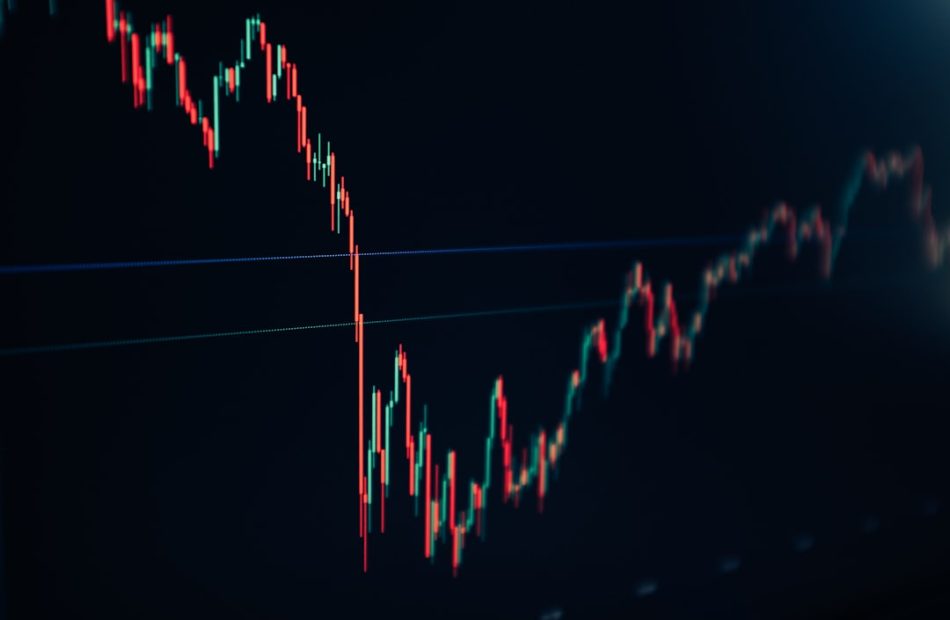
Mastering the Market’s Language: How to Read Japanese Candlestick Patterns Like a Pro
Imagine being able to glance at a chart and instantly understand the emotional battle between buyers and sellers. That’s the power of Japanese candlestick patterns. Originating from 18th-century rice traders in Japan, these visual tools have stood the test of time because they work. For beginner and intermediate traders, candlestick patterns offer a clear, modern way to spot potential reversals, continuations, and market sentiment without needing complex indicators. Let’s break down how you can start using them today.
How It Works
Each candlestick represents price action over a specific time period—whether 1 minute, 1 hour, or 1 day. The body shows the opening and closing prices, while the wicks (or shadows) show the high and low. When the close is higher than the open, the candle is typically green (bullish). When the close is lower, it’s red (bearish). But the real magic happens when you look at patterns formed by one or more candles.
The Setup
Here are three beginner-friendly patterns to watch for:
1. The Hammer (Bullish Reversal): A small body at the top of the candle with a long lower wick (at least twice the body length). It appears after a downtrend and suggests sellers pushed the price down, but buyers stepped in to drive it back up. Look for this near support levels.
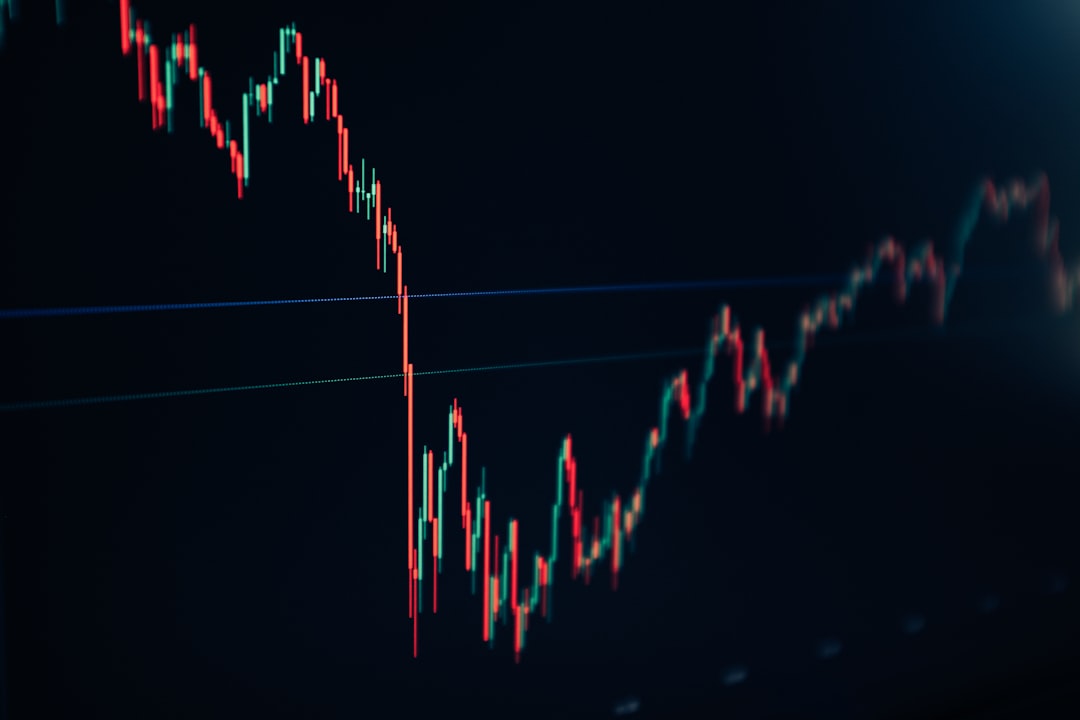
2. The Shooting Star (Bearish Reversal): The opposite of a hammer—a small body at the bottom with a long upper wick. It forms after an uptrend and indicates buyers tried to push higher but failed, signaling a potential top.
3. The Engulfing Pattern (Two-Candle Reversal): A bullish engulfing occurs when a small red candle is followed by a larger green candle that completely “engulfs” the previous body. A bearish engulfing is the reverse. These show a sudden shift in momentum.
To trade these, wait for confirmation. For example, after a hammer, wait for the next candle to close higher before entering a long position. Always combine patterns with trendlines, support/resistance, or volume for higher probability setups.
Risk Management
No pattern is 100% accurate. Always use a stop-loss to protect your capital. For a hammer trade, place your stop below the low of the hammer. For a shooting star, place it above the high. Never risk more than 1-2% of your account on a single trade. Remember, candlestick patterns are tools for probability, not certainty. Stay disciplined, and let the market prove you right.
Conclusion
Japanese candlestick patterns give you a window into the market’s psychology. By learning to recognize simple formations like hammers, shooting stars, and engulfing patterns, you can make more informed trading decisions. Start by practicing on a demo account, and soon you’ll see these patterns everywhere. The more you practice, the more intuitive they become. Happy trading!
Gold-Backed Cryptos vs Physical Gold: Pros and Cons
Gold has been a store of value for millennia, but the way investors access it is evolving. On one side stands physical gold—bars, coins, and jewelry—tangible and time-tested. On the other, gold-backed cryptocurrencies: digital tokens representing ownership of physical gold stored in vaults, tokenized on a blockchain. This guide compares both asset classes across liquidity, custody, regulation, and yield, helping you decide which fits your portfolio.
How Gold Tokenization Works
Gold-backed tokens bridge the off-chain and on-chain worlds through a structured process:
- Tokenization: A custodian (e.g., a vault operator) holds physical gold in a secure facility.
- SPV (Special Purpose Vehicle): A legal entity issues tokens representing fractional ownership of the gold. Each token typically equals one gram or one troy ounce.
- Oracles: Smart contracts use price oracles (e.g., Chainlink) to reflect real-time gold spot prices.
- Blockchain: Tokens are minted on networks like Ethereum, Polygon, or Solana, enabling 24/7 trading, DeFi integration, and instant settlement.
Investment Analysis: Pros and Cons
Physical Gold
- Pros: Tangible asset, no counterparty risk (if self-custodied), universally recognized, no smart contract or hacking risk.
- Cons: High storage and insurance costs, illiquid (selling requires assay or dealer), difficult to fractionalize (minimum 1 oz bars), no yield or passive income.
Gold-Backed Cryptos
- Pros: Fractional ownership (buy as little as $1), 24/7 liquidity on global exchanges, programmable (can earn yield via DeFi lending or staking), transparent on-chain audits.
- Cons: Custodial risk (vault operator could be hacked or mismanaged), smart contract risk (bugs in token contracts), regulatory uncertainty (SEC classification), potential de-pegging if redemption is suspended.
For a broader market view, check out our analysis on Tax Loss Harvesting in Crypto: A Guide for Traders. Investors often compare this to Top RWA Projects to Watch in 2026: Tokenized Real-World Assets Guide.
Key Risks
- Regulation: Gold tokens may be classified as securities or commodities depending on jurisdiction. The SEC has not issued clear guidance for all tokens.
- Smart Contract Risk: Bugs in token contracts or oracles can lead to loss of funds. Always audit the project’s code and team.
- Custody Risk: The physical gold backing the token must be independently audited. Look for projects with third-party vault audits (e.g., from BSI or Bureau Veritas).
Tool Recommendation
For the best charting tools to spot this pattern, try Bitget. Bitget offers advanced trading pairs for gold-backed tokens like PAXG and XAUT, plus real-time order book data and technical indicators. Start trading on Bitget.
FAQ
Are gold-backed cryptos redeemable for physical gold?
Yes, most reputable gold-backed tokens (e.g., PAXG, XAUT) allow redemption for physical gold, but minimum redemption amounts (e.g., 1 kg) and fees apply. Always check the issuer’s terms.
Which is safer: physical gold or gold-backed crypto?
Physical gold is safer from a technological standpoint (no hacking risk), but it carries physical theft and storage costs. Gold-backed crypto is safer for transport and divisibility but introduces custodial and smart contract risks.
Can I earn yield on gold-backed tokens?
Yes. On DeFi platforms, you can lend gold-backed tokens (e.g., on Aave or Compound) to earn interest, or provide liquidity on DEXs for trading fees. This is impossible with physical gold.
Conclusion
Gold-backed cryptos offer modern advantages—fractional ownership, liquidity, and yield—while physical gold provides unmatched tangibility and zero counterparty risk. For long-term, self-custodied wealth preservation, physical gold remains the standard. For active traders, DeFi integration, or small allocations, gold-backed tokens are a compelling RWA innovation. Diversify based on your risk tolerance and access needs.
Pure Bitcoin Payments Explained: A Complete Guide to GoMining’s New System
Did you know most “bitcoin payment” services actually convert your crypto to dollars before the merchant sees a cent? GoMining, a major Bitcoin mining company, just launched a new system called GoBTC Pay that challenges this status quo. Unlike Jack Dorsey’s Square (now part of Block), which automatically converts Bitcoin payments into US dollars for merchants, GoMining lets businesses receive and hold actual BTC by default. For crypto users who believe in Bitcoin as a store of value rather than just a payment rail, this is a significant shift in how merchants can interact with digital currency. This guide explains what GoBTC Pay does, how it differs from existing services, and what it means for the future of Bitcoin payments in 2026.
Read time: 10-12 minutes
Understanding Bitcoin Payment Rails for Beginners
A Bitcoin payment rail refers to the infrastructure that allows merchants to accept Bitcoin as payment for goods and services. Think of it like a credit card network—Visa doesn’t just process transactions; it provides the entire system for banks, merchants, and customers to interact securely. Similarly, a Bitcoin payment rail is the technology layer that connects a customer’s BTC wallet to a merchant’s business systems.
Why do we need a separate payment rail? Because sending raw Bitcoin transactions has real problems for everyday purchases. The original Bitcoin network processes about 7 transactions per second (compared to Visa’s 24,000+), and transaction fees can spike dramatically during busy periods. In December 2023, average Bitcoin transaction fees hit $37 during peak congestion. A payment rail solves these issues by adding a layer on top of the base Bitcoin network that handles speed, cost, and complexity.
A real-world example: When you buy coffee with Bitcoin today, the payment service might use the Lightning Network (a faster second layer) to instantly settle the transaction, then convert the BTC to fiat currency before depositing into the merchant’s bank account. This works, but it defeats the purpose for Bitcoin believers who want to actually hold the asset.
The Technical Details: How GoBTC Pay Actually Works
GoMining’s new system operates differently from competitors. Here’s the breakdown:
1. Direct On-Chain Settlement: GoBTC Pay settles transactions directly on the Bitcoin blockchain using GoMining’s Stratum V2 mining protocol. Unlike Lightning Network solutions, this preserves the security and finality of the main Bitcoin chain.
2. 12-Hour Settlement Window: Transactions take approximately 12 hours to confirm. This isn’t instant like Lightning, but it’s predictable and avoids the high fees of urgent transactions.
3. Transparent Fee Structure: Merchants pay 0.2% in transaction fees—significantly less than the 2-3% typical credit card processing fees. These fees are split 50-50 between wallet providers and miners.
4. SDK and API Access: GoMining released a software development kit (SDK) and application programming interfaces (API) that let merchants build custom payment solutions. This is crucial for integration into existing point-of-sale systems and e-commerce platforms.
5. Non-Custodial Design: The merchant never gives up control of their Bitcoin. The system preserves “non-custody and onchain finality,” meaning the business holds its own private keys and receives confirmed transactions directly.
Why this structure matters: Most Bitcoin payment systems act as intermediaries that hold and convert your funds. GoBTC Pay is designed to be a pure pipeline—Bitcoin goes from customer to merchant without touching a third party’s balance sheet. This aligns with the original vision of peer-to-peer electronic cash.
Current Market Context: Why This Matters Now
As of mid-2026, the battle for Bitcoin payment infrastructure is heating up. GoMining’s announcement comes at a time when:
- Institutional Adoption is Growing: Major companies like MicroStrategy and Tesla have added Bitcoin to their balance sheets. The logical next step is enabling them to accept Bitcoin as payment directly, not just hold it as a treasury asset.
- Lightning Network is Maturing: Block (Square) has been actively rolling out Lightning-based payment solutions for over a year. Their system processes instant transactions but defaults to converting BTC to USD for merchants—unless the merchant specifically opts out.
- Transaction Fees are Volatile: Bitcoin network fees ranged from $0.50 to $15 in the first half of 2026, depending on network congestion. A 12-hour settlement window with predictable fees is attractive for certain merchant types.
- GoMining’s Mining Advantage: As a mining company, GoMining can prioritize its own transactions through Stratum V2, potentially reducing confirmation times and costs compared to third-party payment processors.
The key differentiator: GoMining is betting that more businesses want to receive and hold Bitcoin directly, rather than having it automatically converted to fiat. This is a philosophical bet on Bitcoin as an asset class, not just a payment method.
Competitive Landscape: How GoMining Compares
| Feature | GoMining (GoBTC Pay) | Block (Square) | Traditional Payment Processors |
|---|---|---|---|
| Default Settlement | Bitcoin (pure BTC) | US Dollars (fiat) | Fiat currency |
| Settlement Speed | ~12 hours (on-chain) | Instant (Lightning) | 1-3 business days |
| Transaction Fee | 0.2% (shared with miners) | ~1-2% (varies) | 2-3% + fees |
| Custody Model | Non-custodial (merchant holds keys) | Custodial (holds & converts) | Custodial |
| Infrastructure Access | Open SDK & API | Proprietary system | Closed loop |
| Best For | Bitcoin-native businesses | Mainstream retailers | All retailers |
Why this matters for users: If you’re a Bitcoin believer who wants merchants to actually keep your BTC instead of selling it, GoMining’s model is philosophically aligned with your values. If you just want convenience and instant payments, Square’s system may be more practical for everyday shopping.
Practical Applications: Real-World Use Cases
- Bitcoin-Native Retailers: Online stores that accept only Bitcoin (like luxury goods or services targeting crypto enthusiasts) can integrate GoBTC Pay and keep their treasury in BTC.
- HODLer Merchants: Businesses that view Bitcoin as a long-term store of value can accept payments and hold them—avoiding the taxable event of converting to fiat.
- High-Value Transactions: Real estate, art dealers, or luxury automotive dealers dealing in large BTC transactions may prefer the security and finality of on-chain settlement over instant, but less permanent, Lightning payments.
- Crypto-Forward Businesses: Companies in crypto-friendly jurisdictions (El Salvador, Switzerland, certain US states) can build custom payment flows using the SDK.
- Miners and Mining Companies: GoMining’s own ecosystem of mining operations can use GoBTC Pay for internal payments, hardware purchases, or energy contracts settled in BTC.
Who benefits most: Businesses with a long-term Bitcoin thesis who want to avoid the friction and tax implications of converting every transaction to fiat.
Risk Analysis: Expert Perspective
Primary Risks:
1. 12-Hour Settlement is Slow: For retail businesses (coffee shops, grocery stores), 12 hours is an eternity. This is not designed for point-of-sale transactions—it’s for larger, less time-sensitive purchases.
2. Volatility Exposure: Merchants holding BTC face price fluctuations. A business accepting $1,000 in Bitcoin could see its value drop to $850 by the time settlement completes. GoMining pushes this risk to the merchant.
3. Limited Initial Adoption: GoMining plans to recruit only 10 initial merchants. The payment rail is only as useful as the number of places that accept it—a chicken-and-egg problem.
4. Technical Complexity: Non-custodial solutions require merchants to manage their own private keys. A mistake could mean losing funds permanently.
Mitigation Strategies:
- GoMining could add optional fiat conversion for merchants who want it (currently not offered).
- The 0.2% fee structure allows for high-volume, low-margin businesses to profit despite settlement delays.
- GoMining’s mining infrastructure provides a natural hedge against Bitcoin price volatility.
Expert Consensus: This is a niche solution for Bitcoin-native businesses, not a mainstream payment processor. It’s philosophically pure but practically limited in the short term.
Beginner’s Corner: Quick Start Guide (For Merchants)
If you’re a business owner interested in GoBTC Pay, here’s how to get started:
1. Assess Your Bitcoin Thesis: Ask yourself: Do I want to hold Bitcoin long-term, or do I need dollars to pay bills? If you need fiat, this system may not be right yet.
2. Get a Compatible Wallet: Ensure you have a non-custodial Bitcoin wallet that supports receiving on-chain transactions (like Electrum, Ledger, or Coldcard).
3. Apply for Access: Contact GoMining to join the initial merchant rollout. They’re recruiting 10 merchants as part of the launch.
4. Integrate the SDK: Work with your development team or a contractor to integrate GoBTC Pay’s SDK into your existing payment system.
5. Set Up Your 12-Hour Settlement Queue: Plan your inventory and cash flow around the settlement delay. This isn’t instant payment.
Common Mistakes to Avoid:
- Don’t use this for retail point-of-sale—it’s designed for larger, planned transactions.
- Don’t skip private key security—use a hardware wallet for significant holdings.
- Don’t assume all customers understand this—you’ll need to educate your buyers about the settlement timeline.
Future Outlook: What’s Next
GoMining’s announcement is just the beginning of what could be a growing trend toward Bitcoin-native payment infrastructure. Looking ahead:
1. More Merchants Expected: After the initial 10 merchants, GoMining plans to expand the rollout. Success will depend on how well the first cohort integrates and educates their customers.
2. Potential for Fiat Conversion: If demand exists, GoMining could add optional fiat conversion as a premium feature, serving both Bitcoin purists and practical merchants.
3. Competitive Response: Block (Square) and other players may respond with their own “Bitcoin-first” payment options, potentially accelerating adoption.
4. Layer 2 Integration: While GoBTC Pay uses on-chain settlement, future versions could integrate Lightning or other second-layer solutions for faster options.
5. Regulatory Considerations: As Bitcoin payment systems mature, regulators (especially in the EU under MiCA and in the US under potential stablecoin legislation) will likely scrutinize how merchants handle consumer protection and refund disputes.
Key Takeaways
- GoMining’s GoBTC Pay offers a pure Bitcoin payment rail that lets merchants receive and hold BTC by default, unlike competitors that automatically convert to fiat.
- The system settles on-chain in ~12 hours with 0.2% fees, making it suitable for larger, planned transactions but not for instant retail purchases.
- This is a philosophical bet on Bitcoin as an asset class, challenging the mainstream approach of using BTC only as a payment method while converting to dollars.
- Initial adoption is limited to 10 merchants, but the open SDK and API could enable broader integration if the model proves viable.
,
“datePublished”: “2026-06-19T07:30:00Z”,
“dateModified”: “2026-06-19T12:01:23Z”,
“mainEntity”: {
“@type”: “Thing”,
“name”: “GoBTC Pay Bitcoin Payment Rail”
}
}
Using Etherscan: Tracking Whales and Verifying Transactions – The Ultimate Guide
Etherscan is the leading blockchain explorer for Ethereum, offering a transparent window into on-chain activity. Whether you’re a trader looking to track whale movements or a developer verifying a transaction, mastering Etherscan is essential for navigating the crypto space. This guide covers everything from basic transaction verification to advanced whale tracking techniques.
Key Concepts
1. Transaction Verification: Every Ethereum transaction is recorded on the blockchain. Etherscan allows you to input a transaction hash (TxHash) to view its status, gas fees, block confirmation, and the sender/receiver addresses. This is crucial for confirming payments, token swaps, or smart contract interactions.
2. Whale Tracking: Whales are addresses holding large amounts of ETH or tokens. Etherscan’s ‘Top Accounts’ page shows the richest wallets. You can also use the ‘Token Transfers’ tab to monitor large inflows/outflows from exchanges or known whale addresses. Setting up alerts for specific addresses helps you react to market-moving moves.
3. Token and Contract Analysis: Etherscan provides a ‘Contract’ tab for verified smart contracts. You can read source code, check ABI, and view internal transactions. This is vital for auditing new tokens or understanding DeFi protocols.
4. Gas Tracker: The Gas Tracker shows real-time gas prices (Low, Average, High) to help you optimize transaction fees. This is especially useful during network congestion.
Pro Tips
- Use the ‘Advanced’ Filter: When viewing token transfers, use the ‘Advanced’ filter to set minimum transfer amounts. This filters out small, irrelevant transactions and highlights whale movements.
- Create a Watch List: Etherscan allows you to create a free account and add addresses to a watch list. You’ll receive email notifications for incoming/outgoing transactions from those addresses.
- Check Internal Transactions: Some smart contract interactions (like DEX swaps) appear as internal transactions. Always check the ‘Internal Txns’ tab to see the full flow of funds.
- Verify Contract Source: Before interacting with a new token, verify its contract on Etherscan. Look for verified source code, audit reports, and the ‘Ownership Renounced’ status to avoid scams.
FAQ Section
Q: How do I find a whale address on Etherscan?
A: Go to the ‘Top Accounts’ page, sort by ETH balance, or use the ‘Token Transfers’ tab with a high minimum amount filter. You can also follow known whale addresses shared by crypto analysts.
Q: Can I track a transaction that hasn’t been confirmed yet?
A: Yes, Etherscan shows pending transactions. You can see the gas price and nonce. If it’s stuck, you can use the ‘Replace Transaction’ feature (via your wallet) to speed it up.
Q: Is Etherscan free to use?
A: Yes, basic features are free. Advanced features like API access and custom alerts may require a paid plan.
Q: How do I verify a smart contract on Etherscan?
A: Go to the contract address page, click the ‘Contract’ tab, then ‘Verify and Publish’. You’ll need to provide the source code, compiler version, and optimization settings.
Conclusion
Etherscan is an indispensable tool for anyone involved in Ethereum. By mastering transaction verification and whale tracking, you can make more informed trading decisions, avoid scams, and stay ahead of market trends. For more details on this, check out our guide on The Golden Cross: Your First Step to Riding Major Crypto Trends. You might also be interested in reading about Ethereum vs Solana Ratio Trading: The Blueprint for Altcoin Pair Profits.
Stellar’s XLM Surges 50% as Tokenized Assets Flood Network
June 19, 2026 — Stellar’s XLM token surged more than 45% between June 15 and 18, leading major-cap cryptocurrencies in weekly gains as tokenized real-world assets (RWAs) piled onto the payments-focused network.
Immediate Details & Direct Quotes
Ready to act on this news? Open an account on Binance — the world’s largest crypto exchange.
XLM climbed to a local high of $0.25 during the rally, with traders now targeting $0.30 as the next breakout level, according to market data. Crypto data aggregators pegged XLM’s seven-day gain at more than 36%, citing positive funding rates and bullish derivatives positioning.
The rally coincides with Stellar enabling access to tokenized U.S. Treasuries and AAA-rated collateralized loan obligations (CLOs) through the decentralized exchange Sushi. This expansion broadens institutional exposure to onchain yield products, according to network backers.
“The move is not just about price,” supporters argue, pointing to institutional and real-world asset activity building on Stellar as the substance behind the surge. The network’s distributed RWA value has climbed to approximately $2.22 billion, growing nearly 30% in a single month, per industry data from Defillama.
Market Context & Reaction
XLM is currently trading between $0.22 and $0.25, with $0.30 serving as the key level traders are monitoring for a potential breakout. The token’s market capitalization has risen toward $8.5 billion.
Long-term supporters highlight Stellar’s established partnerships with Visa, PayPal, and Franklin Templeton as evidence of real-world utility rather than speculative hype. Bitcoin.com News reported earlier this month that Stellar’s momentum has at times outpaced XRP, with XLM nearly doubling since the network’s integration with the Depository Trust and Clearing Corporation (DTCC).
The stablecoin payments story adds another layer to demand. MoneyGram recently tapped into Stellar’s digital suite, giving 60 million users access to a self-custodial dollar stablecoin. This deal routes activity—and fees paid in XLM—through the network, with each transaction requiring XLM for fees and minimum reserves.
Background & Historical Context
The combination of price momentum and tokenization news has revived a familiar bull case: Stellar is finally becoming the primary venue for institutional assets moving onchain, according to proponents. However, the gains follow a brutal year for altcoins, and XLM remains well below prior highs.
The rally leans heavily on the RWA tokenization narrative—one that has yet to prove it can sustain demand through a broader market downturn, analysts caution. For now, XLM sits atop the weekly leaderboard, powered as much by tokenized Treasuries as by trader enthusiasm.
What This Means
The Stellar network’s deepening institutional ties and RWA adoption suggest growing utility beyond speculation. Tokenized U.S. Treasuries and CLOs provide a bridge between traditional finance and decentralized markets.
Traders should watch the $0.30 resistance level as a potential breakout point, with positive funding rates and derivatives positioning supporting bullish sentiment. The MoneyGram stablecoin integration creates ongoing demand for XLM through transaction fees and reserve requirements.
Investors should conduct their own research before making any trading decisions based on this information.
—