
Stellar’s XLM Surges 50% as Tokenized Assets Flood Network
June 19, 2026 — Stellar’s XLM token surged more than 45% between June 15 and 18, leading major-cap cryptocurrencies in weekly gains as tokenized real-world assets (RWAs) piled onto the payments-focused network.
Immediate Details & Direct Quotes
Ready to act on this news? Open an account on Binance — the world’s largest crypto exchange.
XLM climbed to a local high of $0.25 during the rally, with traders now targeting $0.30 as the next breakout level, according to market data. Crypto data aggregators pegged XLM’s seven-day gain at more than 36%, citing positive funding rates and bullish derivatives positioning.
The rally coincides with Stellar enabling access to tokenized U.S. Treasuries and AAA-rated collateralized loan obligations (CLOs) through the decentralized exchange Sushi. This expansion broadens institutional exposure to onchain yield products, according to network backers.
“The move is not just about price,” supporters argue, pointing to institutional and real-world asset activity building on Stellar as the substance behind the surge. The network’s distributed RWA value has climbed to approximately $2.22 billion, growing nearly 30% in a single month, per industry data from Defillama.
Market Context & Reaction
XLM is currently trading between $0.22 and $0.25, with $0.30 serving as the key level traders are monitoring for a potential breakout. The token’s market capitalization has risen toward $8.5 billion.
Long-term supporters highlight Stellar’s established partnerships with Visa, PayPal, and Franklin Templeton as evidence of real-world utility rather than speculative hype. Bitcoin.com News reported earlier this month that Stellar’s momentum has at times outpaced XRP, with XLM nearly doubling since the network’s integration with the Depository Trust and Clearing Corporation (DTCC).
The stablecoin payments story adds another layer to demand. MoneyGram recently tapped into Stellar’s digital suite, giving 60 million users access to a self-custodial dollar stablecoin. This deal routes activity—and fees paid in XLM—through the network, with each transaction requiring XLM for fees and minimum reserves.
Background & Historical Context
The combination of price momentum and tokenization news has revived a familiar bull case: Stellar is finally becoming the primary venue for institutional assets moving onchain, according to proponents. However, the gains follow a brutal year for altcoins, and XLM remains well below prior highs.
The rally leans heavily on the RWA tokenization narrative—one that has yet to prove it can sustain demand through a broader market downturn, analysts caution. For now, XLM sits atop the weekly leaderboard, powered as much by tokenized Treasuries as by trader enthusiasm.
What This Means
The Stellar network’s deepening institutional ties and RWA adoption suggest growing utility beyond speculation. Tokenized U.S. Treasuries and CLOs provide a bridge between traditional finance and decentralized markets.
Traders should watch the $0.30 resistance level as a potential breakout point, with positive funding rates and derivatives positioning supporting bullish sentiment. The MoneyGram stablecoin integration creates ongoing demand for XLM through transaction fees and reserve requirements.
Investors should conduct their own research before making any trading decisions based on this information.
—
Master the VWAP Day Trading Strategy: Your Guide to Smart Entries and Exits
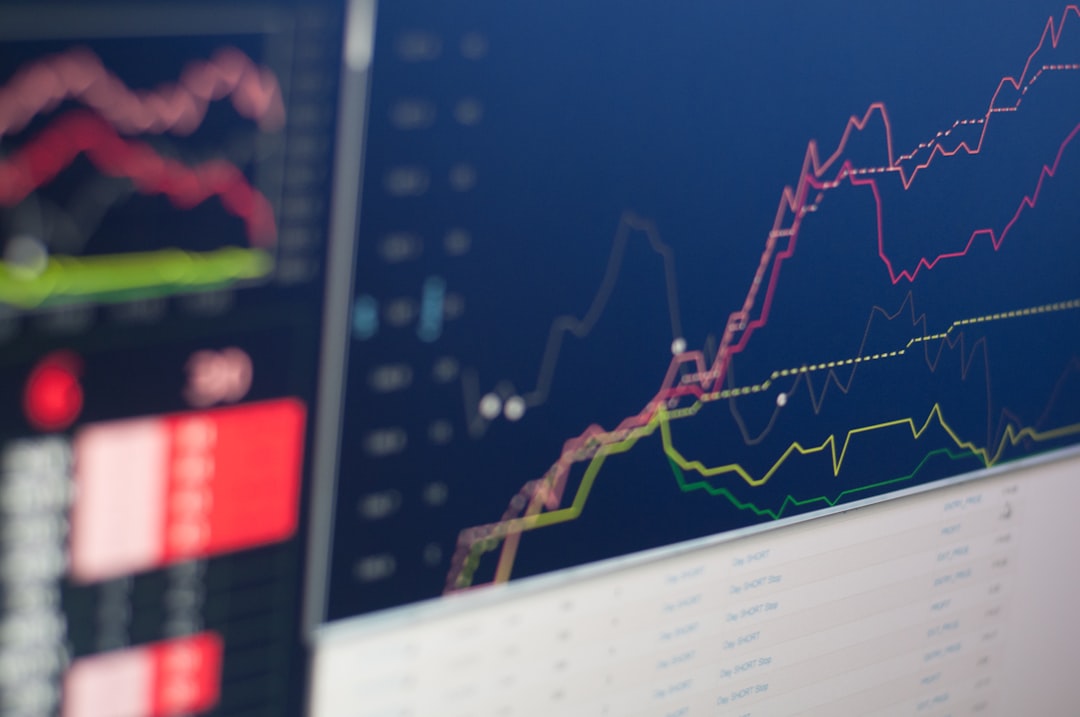
If you’ve ever stared at a chart and wondered, “Is this a good price to buy or sell?” you’re not alone. Day trading is full of noise, but there’s one tool that cuts through it all: the Volume-Weighted Average Price (VWAP). This isn’t just another indicator—it’s a favorite of institutional traders and a powerful anchor for your intraday decisions. In this guide, I’ll show you how to use VWAP to find high-probability trades, manage risk like a pro, and build a simple yet effective day trading strategy.
How It Works
VWAP calculates the average price of an asset throughout the trading day, weighted by volume. Think of it as the “fair price” for the day. When price is above VWAP, it’s considered bullish (buyers are in control). When price is below VWAP, it’s bearish (sellers are in control). The magic happens at the edges—when price deviates from VWAP, it often reverts or continues with momentum. This strategy focuses on two key scenarios: VWAP bounces and VWAP breakouts.
The Setup
1. Timeframe: Use a 5-minute or 15-minute chart for day trading. VWAP works best on intraday data.
2. Assets: Trade liquid assets like Bitcoin, Ethereum, or major forex pairs. Low liquidity kills VWAP’s effectiveness.
3. Indicators: Add VWAP to your chart (most platforms have it built-in). Optionally, use a 9-period EMA for extra confirmation.
4. The Rules:
- VWAP Bounce (Mean Reversion): When price pulls back to touch VWAP from above or below, look for a reversal candlestick pattern (e.g., hammer, bullish engulfing). Enter in the direction of the bounce. Stop loss just below the recent swing low (for long) or above the swing high (for short). Target 1-2x your risk.
- VWAP Breakout (Trend Continuation): When price has been hugging VWAP and then breaks away with strong volume, enter in the breakout direction. For example, if price breaks above VWAP after being below it, go long. Stop loss on the other side of VWAP. Trail your stop as price moves.
Risk Management
VWAP is powerful, but it’s not a crystal ball. Here’s how to protect your capital:
- Position Size: Risk no more than 1-2% of your account per trade. For a $1,000 account, that’s $10-$20 max loss.
- Stop Loss: Always use a stop. For bounces, place it 1-2 ATR (Average True Range) below/above the entry point. For breakouts, place it just beyond the VWAP line.
- Take Profit: Use a risk-to-reward ratio of at least 1:1.5. For bounces, aim for the previous swing high/low. For breakouts, let it run until price closes back through VWAP.
- Avoid Overtrading: Not every touch of VWAP is a trade. Wait for confirmation (candlestick pattern or volume spike). If the market is choppy, step aside.
Conclusion
The VWAP day trading strategy is simple, objective, and rooted in institutional behavior. By focusing on fair value and volume, you remove emotion and gain a clear edge. Start by practicing on a demo account—watch how price reacts around VWAP for a week. Then, take it live with small size. Remember, consistency beats perfection. Stick to the plan, manage your risk, and let VWAP guide your next winning trade. Happy trading!
Using Etherscan: Tracking Whales and Verifying Transactions – The Ultimate Guide
Introduction
Etherscan is the leading blockchain explorer for Ethereum, providing a transparent window into on-chain activity. Whether you’re a seasoned trader or a crypto newcomer, mastering Etherscan allows you to track whale movements, verify transaction details, and make informed decisions. This guide will walk you through the essential features, pro tips, and tools to get the most out of Etherscan.
Key Concepts
- Transaction Hash (TxHash): A unique identifier for every transaction. Use it to look up status, gas used, and confirmations.
- Wallet Address: A public key (e.g., 0x…) that you can search to view all incoming/outgoing transactions and token balances.
- Whale Tracking: Identify large holders by sorting wallets by ETH or token balance. Watch for sudden large transfers that may signal market moves.
- Token Transfers: View ERC-20 token movements, including the sender, receiver, and amount. Useful for spotting accumulation or distribution.
- Gas Tracker: Real-time gas prices (Low, Average, High) to help you time transactions cost-effectively.
- Contract Verification: Check if a smart contract’s source code matches its bytecode, reducing the risk of scams.
Pro Tips
- Use the ‘Advanced’ Filter: On a wallet page, click ‘Advanced’ to filter by token, date range, or transaction type (e.g., only ERC-20 transfers).
- Set Up Alerts: Use Etherscan’s ‘Watch List’ to get email notifications when a whale wallet moves funds.
- Check Internal Transactions: Some contract interactions don’t appear on the main tab. Use the ‘Internal Txns’ tab to see hidden movements.
- Verify Token Approvals: Use the ‘Token Approvals’ tool to see which dApps have permission to spend your tokens – revoke suspicious ones.
- Analyze Top Holders: On any token page, click ‘Holders’ to see the largest wallets. A high concentration may indicate centralization risk.
FAQ Section
1. How do I track a whale on Etherscan?
Search for the whale’s wallet address, then click the ‘Watch List’ button (star icon) to add it. You’ll receive email alerts for new transactions.
2. Can I verify if a transaction is confirmed?
Yes. Enter the transaction hash in the search bar. Look for ‘Status: Success’ and the number of ‘Confirmations’ (usually 12+ for high security).
3. What is a ‘Pending’ transaction?
A pending transaction has been broadcast but not yet mined. You can speed it up by using Etherscan’s ‘Replace Transaction’ feature with a higher gas fee.
4. How do I spot a fake token or scam contract?
Check the ‘Contract’ tab. If the source code is not verified (shows ‘No source code’), be cautious. Also, look for low liquidity and a small number of holders.
5. Is Etherscan free to use?
Yes, all basic features are free. Advanced tools like API access and custom alerts may require a paid plan.
Conclusion
Etherscan is an indispensable tool for anyone serious about crypto. By learning to track whales and verify transactions, you gain a significant edge in market awareness and security. Start exploring today, and remember: on-chain data never lies. For more details on this, check out our guide on The MACD Histogram Strategy: Spot Momentum Shifts Before the Crowd. You might also be interested in reading about Understanding Gas Fees: How to Save Money on Ethereum.
Oracles in Real World Assets: Chainlink CCIP Guide
Real World Assets (RWAs) are tangible or intangible assets—such as real estate, bonds, commodities, and credit—that are tokenized on a blockchain. This process enables fractional ownership, 24/7 liquidity, and enhanced transparency, effectively bridging the gap between Traditional Finance (TradFi) and Decentralized Finance (DeFi). However, a critical challenge remains: how do you bring off-chain data (e.g., property valuations, interest rates, or corporate bond yields) onto a blockchain in a secure, reliable way? The answer lies in oracles, and specifically, Chainlink’s Cross-Chain Interoperability Protocol (CCIP).
What Are Oracles and Why Do RWAs Need Them?
Oracles are middleware that fetch, verify, and transmit external data to blockchain networks. For RWAs, oracles are essential because the underlying asset exists off-chain. Without them, a tokenized real estate fund would have no way to know the current market price of the property, or a tokenized bond could not update its interest payments. This is the core off-chain vs on-chain difference: the asset lives in the real world, but its digital representation must reflect real-world changes.
How Chainlink CCIP Works for RWAs
Chainlink CCIP (Cross-Chain Interoperability Protocol) is a secure, decentralized protocol that enables cross-chain messaging and token transfers. For RWAs, CCIP serves as both an oracle and a bridge. The technical process typically follows these steps:
- Tokenization via SPV: The real-world asset (e.g., a commercial real estate property) is placed into a Special Purpose Vehicle (SPV). The SPV issues digital tokens representing ownership shares.
- Oracle Integration: Chainlink CCIP connects the SPV’s off-chain data (valuation, rental income, legal status) to the blockchain. Multiple independent node operators verify the data to ensure accuracy.
- On-Chain Representation: The verified data updates the token’s smart contract, enabling real-time price discovery, yield distribution, and compliance checks.
- Cross-Chain Liquidity: CCIP allows the RWA token to move seamlessly between blockchains (e.g., from Ethereum to Polygon), unlocking broader liquidity pools.
Investment Analysis: Pros, Cons, and Risks
Investing in tokenized RWAs via oracles like Chainlink CCIP offers distinct advantages and risks.
Pros
- Fractional Ownership: Investors can buy small portions of high-value assets (e.g., a $10 million building) with minimal capital.
- 24/7 Liquidity: Tokenized assets can trade on decentralized exchanges, providing liquidity that traditional real estate or bonds lack.
- Transparency: All data—from asset valuations to yield distributions—is recorded on-chain and verifiable.
Cons and Risks
- Regulation: The legal status of tokenized assets varies by jurisdiction. Securities laws may apply, and compliance costs can be high.
- Smart Contract Risk: Bugs or exploits in the oracle or token contract could lead to loss of funds.
- Oracle Manipulation: If the oracle is compromised, false data could be fed to the blockchain, causing incorrect pricing or liquidations.
For a broader market view, check out our analysis on Bitcoin Layer 2s: Stacks, Lightning, and Runes Guide – Scaling Bitcoin for the Future.
Investors often compare this to How to Bridge Assets Across Blockchains Safely: A 2025 Step-by-Step Guide.
Tool Recommendation
To trade tokenized RWAs efficiently, you need a platform with low fees and high liquidity. Low fees are crucial for this strategy. We recommend MEXC. MEXC offers competitive trading fees and supports a wide range of RWA tokens. Start trading today at: https://promote.mexc.co/a/PefPNW2g.
FAQ
What is the difference between an oracle and a bridge?
An oracle brings off-chain data onto a blockchain, while a bridge transfers tokens or data between different blockchains. Chainlink CCIP combines both functions, making it ideal for RWAs that need both data feeds and cross-chain mobility.
How does Chainlink CCIP ensure data accuracy?
CCIP uses a decentralized network of independent node operators that each fetch and verify the same data. A consensus mechanism ensures that only accurate data is written to the blockchain, reducing the risk of manipulation.
Are tokenized RWAs legal?
Legality depends on the jurisdiction and how the asset is structured. Many projects use SPVs and comply with securities regulations. Always consult a legal professional before investing.
Conclusion
Oracles like Chainlink CCIP are the backbone of the RWA ecosystem, enabling secure, transparent, and efficient tokenization of real-world assets. While risks such as regulation and smart contract vulnerabilities remain, the potential for fractional ownership, 24/7 liquidity, and global accessibility makes RWAs a compelling asset class. As the technology matures and regulatory clarity improves, RWAs are poised to become a cornerstone of modern finance.
El Salvador’s Bitcoin Buying Strategy Explained: A Beginner’s Guide to the 7,680 BTC Reserve
Did you know a small Central American nation now holds over 7,600 Bitcoin—worth more than $510 million—as part of its national savings strategy? El Salvador has become the world’s first country to adopt Bitcoin as legal tender, and President Nayib Bukele continues adding to the national reserve despite pressure from the International Monetary Fund (IMF). While most governments sell during market downturns, El Salvador does the opposite: it buys consistently, roughly one Bitcoin per day, regardless of price. This guide explains how El Salvador’s Bitcoin buying strategy works, why it matters for crypto investors, and what the ongoing standoff with the IMF means for the future of national Bitcoin adoption. You’ll learn the mechanics of “dollar-cost averaging” at a national level, the risks of tying a country’s finances to a volatile asset, and how this experiment could shape crypto policy worldwide.
Read time: 12-15 minutes
Understanding Dollar-Cost Averaging for Beginners
Dollar-cost averaging (DCA) is an investment strategy where you buy a fixed dollar amount of an asset at regular intervals, regardless of its price. Think of it like buying groceries every week instead of buying a year’s worth of food in one go. When prices are high, your fixed amount buys fewer coins. When prices are low, you get more coins for the same money. Over time, this smooths out the impact of market volatility.
Why was this created? DCA solves the problem of trying to “time the market”—predicting when prices will hit bottom or peak. Even professional investors get this wrong frequently. By buying steadily over time, you reduce the risk of making a single, poorly timed purchase. The approach is particularly popular among Bitcoin investors who believe in its long-term potential but want to avoid emotional decision-making during price swings.
A real-world crypto example: Imagine you decide to invest $100 in Bitcoin every week. In week one, Bitcoin costs $100,000, so you buy 0.001 BTC. In week two, the price drops to $50,000, and you buy 0.002 BTC. Over 52 weeks, you accumulate more coins during dips than during peaks, lowering your average purchase price. El Salvador took this exact approach, buying roughly one Bitcoin per day starting in November 2022, building its reserve to over 7,680 BTC by June 2026.
The Technical Details: How El Salvador’s Bitcoin Buying Strategy Works
El Salvador’s daily Bitcoin purchases follow a mechanical, rules-based approach rather than market timing or political whim. Here’s how it actually functions:
1. Strategic Bitcoin Reserve (SBR): The government designated a separate treasury account—the SBR—to hold all Bitcoin purchases. This isn’t operational money for paying salaries or bills but a long-term savings account.
2. Daily Buy Automation: The National Bitcoin Office, created in 2023, executes purchases through regulated cryptocurrency exchanges. Reports suggest the process involves automated buy orders placed daily, targeting roughly one Bitcoin per transaction.
3. Cold Storage Custody: Acquired coins are moved offline to hardware wallets or institutional custody solutions. This “cold storage” format means the private keys (the passwords to the Bitcoin) aren’t connected to the internet, protecting against hacking.
4. Public Transparency: Bitcoin holdings are tracked via a publicly viewable Bitcoin address known as the “Bitcoin Wallet of the People.” While exact purchase times aren’t fully transparent, the total balance is confirmable on the blockchain.
Why this structure matters for you: This approach removes emotion from asset accumulation. By automating purchases, El Salvador prevents politicians from making panic decisions during bear markets. For regular investors, this demonstrates how DCA can work as a disciplined, long-term strategy rather than a reactive one. The cold storage practice also highlights a key security lesson: never keep large crypto holdings on exchanges or internet-connected wallets.
Current Market Context: Why This Matters Now
As of June 2026, El Salvador holds 7,687 BTC worth more than $510 million. The country has been buying through market downturns—including when Bitcoin slid close to $66,000 earlier this year—maintaining its roughly one-Bitcoin-per-day pace even while facing a $1.4 billion IMF lending agreement that explicitly calls for halting public-sector Bitcoin purchases.
The IMF standoff has become a central tension point. In 2024, El Salvador passed an IMF review despite continuing to accumulate Bitcoin, creating confusion about how the country reconciles its actions with the agreement’s terms. The IMF argues that some reported “purchases” actually amount to reshuffling existing coins rather than net new acquisitions—a claim the government disputes. This opacity makes the precise reserve figure difficult to verify, though blockchain data confirms the upward trend.
Meanwhile, the Crypto Fear and Greed Index on June 19, 2026, sits at 14—“Extreme Fear”—reflecting broader market uncertainty. Despite this negative sentiment, El Salvador persists with its buying strategy. For context, the country has accumulated more than 1,600 coins between January and April 2026 alone, demonstrating that institutional conviction can remain strong even during retail pessimism.
Competitive Landscape: How El Salvador Compares to Other Sovereign Bitcoin Holders
El Salvador isn’t alone in buying Bitcoin at the national level, but its approach differs significantly from other holders:
| Feature | El Salvador | MicroStrategy (Corporate) | Other Nations (e.g., US, China) |
|---|---|---|---|
| Primary Goal | National savings & economic experiment | Corporate treasury hedging | Seized assets / criminal forfeitures |
| Buying Strategy | Daily DCA (~1 BTC/day) | Periodic large purchases via debt issuance | Mostly passive (hold seizures, sell periodically) |
| Motivation | Financial inclusion, remittance savings, diversification | Store value against currency debasement | Legal process, not investment strategy |
| Public Support | Mixed domestic support; IMF opposition | Clear shareholder & executive support | Generally no public advocacy |
| Regulatory Status | Legal tender; IMF pressure to stop buying | No legal barriers | Mostly restricted or banned |
Why this matters: El Salvador remains unique as the only country that actively and transparently accumulates Bitcoin as a sovereign financial strategy. Other nations like the United States hold large amounts of Bitcoin typically from law enforcement seizures, but they don’t actively purchase. MicroStrategy, led by Michael Saylor, mirrors El Salvador’s conviction but operates as a public company accountable to shareholders rather than citizens. This distinction makes El Salvador a fascinating case study in national risk-taking vs. corporate treasury management.
Practical Applications: Real-World Use Cases
Why should the average crypto investor care about how a small country buys Bitcoin?
- Learning Dollar-Cost Averaging Discipline: El Salvador’s example shows how DCA works at scale. Rather than trying to predict bottoms, you can set a regular buy schedule—say $50 per week—and stick to it regardless of price action. This reduces emotional trading and improves long-term returns.
- Understanding Sovereign Risk: If a country with $30 billion GDP can survive Bitcoin’s volatility, your personal portfolio can too—provided you don’t overcommit. El Salvador keeps its Bitcoin holdings separate from operating budgets, a lesson for individual investors: don’t invest money you need for short-term expenses.
- Evaluating Geopolitical Narratives: The ongoing IMF standoff offers a real-world lesson in regulatory friction. When governments disagree over crypto policy, it creates uncertainty but also opportunities. Understanding this dynamic helps you anticipate market moves during major regulatory announcements.
- Preparing for Institutional Adoption: If more countries follow El Salvador’s lead, sovereign Bitcoin demand could significantly impact prices. Watching El Salvador’s experiment helps you identify early signals of broader nation-state adoption.
- Cold Storage Education: El Salvador’s use of offline wallets reinforces the importance of self-custody. For investors holding large amounts, learning about hardware wallets (like Ledger or Trezor) becomes critical. The “Not your keys, not your coins” principle applies to nations too.
Risk Analysis: Expert Perspective
Primary Risks:
1. Market Volatility: Bitcoin’s price could drop 50-80% during future bear markets. At current prices near $66,000, a crash to $20,000 would erase more than $300 million from El Salvador’s reserve value. While the government claims it won’t sell, political pressure might mount during severe downturns.
2. IMF Retaliation: The $1.4 billion IMF agreement is at risk if El Salvador continues buying. Defaulting on IMF terms could trigger loan repayment demands, credit rating downgrades, and reduced international investment—distinct from Bitcoin price movements but equally impactful.
3. Liquidity Risk: Selling 7,600+ BTC would take time and potentially move markets. If El Salvador needed quick cash during a crisis, it might be forced to sell at unfavorable prices, repeating mistakes made by countries that liquidated gold reserves in past decades.
Mitigation Strategies:
- Gradual Accumulation: Daily small purchases avoid shocking the market, unlike large single-block trades that might attract front-running bots.
- Cold Storage: Offline wallets protect against hacking, the most common vector in crypto theft. Most exchange hacks occur with hot wallets connected to the internet.
- Diversification: El Salvador holds Bitcoin alongside traditional reserves in dollars and gold, providing a buffer against crypto-specific crashes.
Expert Consensus: Most financial analysts view El Salvador’s strategy as high-risk but not reckless given its modest position relative to GDP. The real danger isn’t Bitcoin’s price but the political consequences if the IMF escalates penalties. For individual investors, the lesson is clear: Bitcoin has a place in diversified portfolios, but never allocate more than you can afford to lose.
Beginner’s Corner: How to Dollar-Cost Average Into Bitcoin Yourself
If El Salvador’s strategy inspires you to start your own DCA plan, here’s a step-by-step guide:
Step 1: Choose Your Platform
Sign up for a regulated cryptocurrency exchange like Coinbase, Kraken, or Binance (verify your jurisdiction’s allowed platforms). Look for exchanges offering automatic recurring buys.
Step 2: Set a Budget
Decide how much you can comfortably invest weekly or monthly—$20, $50, or $100. Never invest money you need for rent, bills, or emergencies. Think of it as a long-term savings plan, not a get-rich-quick scheme.
Step 3: Enable Recurring Buys
Set up automatic purchases. Most exchanges let you choose frequency (daily, weekly, monthly) and amount. Automation removes emotional decisions during market swings.
Step 4: Choose Cold Storage (Optional but Recommended)
For holdings above $1,000, consider transferring to a hardware wallet (Ledger, Trezor) or a non-custodial wallet like Electrum. This reduces exchange risk. Security best practice: enable two-factor authentication (2FA) on your exchange account.
Step 5: Set a Review Date, Not a Sell Date
Check your holdings quarterly (not daily) to avoid panic selling. El Salvador doesn’t check its Bitcoin price every hour—neither should you.
Common Mistakes to Avoid:
- Trying to time the market by stopping DCA during dips (you miss discounted prices)
- Selling during fear-driven news cycles (the IMF standoff is temporary; Bitcoin’s potential is long-term)
- Investing in scam “Bitcoin alternatives” that promise guaranteed returns (stick to the original)
Future Outlook: What’s Next
El Salvador’s Bitcoin experiment is far from settled. Looking ahead, several developments are expected:
1. IMF Escalation or Accommodation: If the IMF refuses to renew loan terms, El Salvador may face higher borrowing costs or seek alternative funding from other nations (Russia, China) or crypto-friendly institutions. Agreement modifications could set a precedent for other countries exploring sovereign crypto holdings.
2. Domestic Political Reactions: President Bukele faces re-election considerations. If Bitcoin’s price recovers to $100,000+, his strategy gains popularity. A prolonged bear market could erode domestic support and pressure policy changes.
3. Regulatory Precedent: El Salvador’s model could inspire other small nations—particularly those with remittance-heavy economies (Honduras, Guatemala, parts of Africa)—to experiment with national Bitcoin treasuries. The IMF may be forced to develop clearer crypto guidance rather than opposing outright.
4. Technological Integration: The government continues exploring Bitcoin-denominated bonds (the “Volcano Bond”) and geothermal Bitcoin mining using volcanic energy. Successful implementation would enhance the narrative of Bitcoin as a sustainable national asset.
Timeline: The IMF loan review deadline is scheduled for late 2026. How that plays out will either validate El Salvador’s approach or force a retreat—making this one of the most consequential regulatory events in crypto over the next 18 months.
Key Takeaways
- El Salvador uses dollar-cost averaging at a national scale, buying roughly one Bitcoin daily since November 2022, accumulating over 7,680 BTC worth more than $510 million.
- The strategy persists despite a $1.4 billion IMF agreement that demands halting public-sector Bitcoin purchases, raising questions about enforcement and sovereign financial independence.
- Cold storage custody ensures the holdings are secure from hacking, emphasizing the importance of self-custody for individual investors holding significant amounts of crypto.
- The ongoing standoff with the IMF will set precedent for how other nations might approach sovereign cryptocurrency adoption, making it a key regulatory development to watch through 2026.

The Complete Beginner’s Guide to Airdrop Farming Strategies
Imagine getting paid in free tokens just for trying out a new protocol. That’s the magic of airdrop farming—and it’s one of the most exciting ways to build your crypto portfolio without risking your own capital. If you’ve ever wondered how people score those surprise token drops worth thousands of dollars, you’re in the right place. Let’s break down what airdrop farming really is and how you can start your own strategy today.
How It Works
Airdrop farming is the practice of actively interacting with a blockchain protocol (usually a DeFi dApp, L2 network, or NFT platform) in the hope that the project will later reward early users with free tokens. Think of it like being a beta tester: you use the product, provide feedback, and in return, you get a piece of the project’s future success.
Most airdrops are designed to reward “real” users, not bots. That means you need to perform genuine on-chain actions—like swapping tokens, providing liquidity, bridging assets, or simply holding a specific NFT. The more meaningful your interactions, the higher your chances of qualifying.
Looking for altcoin opportunities and smooth trading? Try KuCoin.
The Setup
To start farming airdrops, you’ll need a few basic tools:
- A non-custodial wallet (MetaMask, Trust Wallet, or Rabby) – This is your identity on-chain.
- A small amount of ETH, SOL, or the native gas token for the network you’re farming. You’ll need it to pay transaction fees.
- A list of potential airdrop candidates. Look for projects that have raised VC funding, have a clear product, but haven’t launched a token yet. Popular categories include Layer 2s (like zkSync, Scroll), new DEXs, lending protocols, and cross-chain bridges.
- A tracking tool – Use platforms like DefiLlama, Airdrops.io, or community Discord servers to stay updated on upcoming drops.
Once you’ve identified a promising project, start interacting: bridge funds to its network, swap small amounts, provide liquidity, or mint test NFTs. Consistency matters—do a few transactions each week over several months.

Risk Management
Airdrop farming is not risk-free. Here’s how to protect yourself:
1. Never spend more than you can afford to lose. You might farm for six months and get zero tokens. Treat your gas fees and small capital as a learning investment, not a guaranteed return.
2. Avoid phishing scams. Only interact with official project links. Double-check URLs and never share your private keys.
3. Watch for “dust” attacks. Malicious actors sometimes send tiny amounts of tokens to your wallet to track you. Don’t interact with unknown tokens.
4. Diversify your farms. Don’t put all your time and gas into one project. Spread your efforts across 5–10 candidates to increase your odds.
5. Stay informed about tokenomics. Some airdrops have vesting periods or require you to lock tokens for months. Know the terms before you commit.
Conclusion
Airdrop farming is a rewarding way to explore new ecosystems, learn about DeFi, and potentially earn life-changing sums—but it requires patience and discipline. Start small, focus on quality interactions, and always prioritize security. Remember, even if you don’t hit a jackpot, the experience you gain will make you a smarter, more confident crypto user. Happy farming!
Understanding Gas Fees: How to Save Money on Ethereum – A Complete Guide
Ethereum gas fees can be a major pain point for users, often making simple transactions surprisingly expensive. This guide breaks down what gas fees are, why they fluctuate, and—most importantly—how you can save money on Ethereum transactions. Whether you’re a DeFi enthusiast, a trader, or just sending ETH, these strategies will help you keep more of your funds.
Key Concepts
What Are Gas Fees? Gas fees are payments made by users to compensate for the computing energy required to process and validate transactions on the Ethereum blockchain. They are paid in Gwei (a small unit of ETH) and are determined by network congestion and transaction complexity.
Gas Limit vs. Gas Price: Gas limit is the maximum amount of gas you’re willing to spend on a transaction. Gas price is the amount you’re willing to pay per unit of gas. The total fee = gas limit × gas price. Simple transfers require 21,000 gas, while smart contract interactions can require much more.
Why Do Gas Fees Fluctuate? When the network is busy (e.g., during NFT mints or DeFi activity), users compete for block space, driving up gas prices. When activity is low, fees drop. Understanding this cycle is key to saving money.
Pro Tips
- Time Your Transactions: Use tools like Etherscan’s Gas Tracker to see low-fee periods. Typically, weekends and late nights (UTC) are cheaper.
- Use Layer 2 Solutions: Networks like Arbitrum, Optimism, and Polygon offer much lower fees than Ethereum mainnet. Bridge your assets to L2 for frequent transactions.
- Set a Custom Gas Price: Most wallets allow you to set a custom gas price. Choose a slower speed if you’re not in a hurry—your transaction will still go through eventually.
- Batch Transactions: If you need to perform multiple actions (e.g., approve and swap), use a single contract call or a DEX that supports batching to save on fees.
- Use Gas Tokens (Carefully): Tokens like CHI or GST2 can be used to reduce gas costs during high congestion, but they come with risks and are less popular now.
FAQ Section
What is the cheapest time to use Ethereum?
Generally, weekends and early mornings (UTC) see lower network activity, resulting in cheaper gas fees. Use a gas tracker to confirm.
Can I cancel a transaction with high gas fees?
Yes, most wallets allow you to cancel a pending transaction by sending a new transaction with the same nonce and a higher gas price (or a zero-value transaction).
Are Layer 2 solutions safe?
Yes, major L2s like Arbitrum and Optimism are considered secure, but always do your own research and use trusted bridges.
What is the difference between gas and fees?
Gas is the unit of computational work; fees are the actual cost in ETH. The total fee is gas used × gas price (in Gwei).
Conclusion
Saving on Ethereum gas fees is all about timing, using the right tools, and leveraging Layer 2 solutions. By understanding how gas works and applying these pro tips, you can significantly reduce your transaction costs. For more details on this, check out our guide on How to Participate in Governance Proposals (DAOs): A Complete Guide. You might also be interested in reading about Trump Media Reports $406M Q1 Loss on Bitcoin, CRO Holdings Write-Downs.
Malta’s DeFi Regulation Proposal: What the New DAO Category Means for Crypto Users
Did you know that the European Union’s MiCA regulation officially excludes fully decentralized finance (DeFi) projects? This regulatory gap has left many blockchain-based organizations in a gray area. Malta’s financial regulator, the Malta Financial Services Authority (MFSA), is proposing a new “software-based organization” category to address exactly this issue. Their goal is to create a legal framework that accommodates Decentralized Autonomous Organizations (DAOs) and other DeFi entities while maintaining compliance with EU rules.
If you’re using or investing in DeFi projects, understanding how regulators classify these platforms matters. This guide explains Malta’s proposal in plain language, why it’s happening now, and what it could mean for your crypto activities. You’ll learn about the regulatory challenges DeFi faces, how different projects might be affected, and what steps you can take to stay informed.
Read time: 10-12 minutes
Understanding DeFi Regulation for Beginners
Decentralized Finance (DeFi) refers to financial services—like lending, borrowing, and trading—that run on blockchain technology without traditional intermediaries like banks. Instead of a central authority, these systems use smart contracts to automate transactions.
Think of DeFi like a digital vending machine. The machine (smart contract) executes transactions automatically based on rules programmed into it. But if the machine’s owner can override it or change its settings remotely, is it truly automated? This is exactly the problem regulators are trying to solve.
Why does regulation matter? MiCA (Markets in Crypto-Assets), the EU’s sweeping crypto law, only applies to projects with identifiable intermediaries. Fully decentralized services where no single person or group controls operations fall outside its scope. However, many projects claiming to be decentralized still have concentrated control—often through a small group of token holders or developers.
A real-world example is the DAO that manages a popular lending protocol. If 10 wallets control over 70% of voting power, as research shows happens in many cases, regulators question whether it’s truly decentralized.
The Technical Details: How Malta’s Proposal Would Work
Malta’s MFSA has opened a public consultation running from June 12 to July 10, 2025. The proposal introduces a new category called “software-based organizations” (SBOs). Here’s how it would function:
1. New Legal Category: SBOs would cover DAOs and other blockchain entities governed primarily through software code, not traditional management structures.
2. Separate Entity from Protocol: The organization itself would be legally distinct from the protocols and code it operates. This separation helps address accountability issues when something goes wrong.
3. Governance Recognition: SBOs would need to demonstrate how decisions are made, even if through smart contracts and token voting.
4. Regulatory Compliance: Projects within this category would still need to comply with relevant EU laws, including MiCA where applicable.
How these elements interact: The proposal attempts to balance innovation with consumer protection. By creating a specific legal wrapper for code-governed entities, Malta hopes to attract DeFi projects while giving users clear recourse if problems arise.
Why this structure matters for you: If you use DeFi platforms, this could mean better transparency about who’s responsible when smart contracts fail or funds are lost.
Current Market Context: Why This Matters Now
The MFSA’s proposal arrives during a critical period for EU crypto regulation. MiCA’s final enforcement deadline is July 1, 2026. After that date, crypto exchanges, brokers, and wallet providers without authorization cannot serve EU customers.
As of late 2025, the transition is moving faster than many expected. According to law firm Hogan Lovells, Europe had over 3,000 virtual asset service providers in 2024, but only 194 had obtained MiCA authorization by May 2026. This gap creates significant pressure for regulatory clarity.
Recent research adds urgency to Malta’s proposal. In March 2025, a European Central Bank working paper found that governance across four major DeFi protocols remained concentrated among a small group of participants. This concentration means many projects may not qualify as fully decentralized under MiCA.
The European Commission launched its own targeted review of MiCA in May 2025, specifically asking about DeFi activity and potential regulatory gaps. This coordinated regulatory attention signals that DeFi oversight is becoming a priority across Europe.
Competitive Landscape: How Malta’s Approach Compares
Malta isn’t the only jurisdiction exploring DeFi-specific regulation. Here’s how approaches compare:
| Feature | Malta’s SBO Proposal | EU MiCA Framework | Other Jurisdictions (e.g., US, Singapore) |
|---|---|---|---|
| Legal Category | “Software-based organization” | No separate DeFi category; applies to intermediaries | Varies by jurisdiction; some explore sandboxes |
| DeFi Coverage | Specifically designed for DAOs and protocol-governed entities | Excludes fully decentralized services | Mixed; US SEC uses Howey Test; Singapore has payment services act |
| Regulatory Approach | Proactive creation of new legal structure | Reactive; focuses on identifiable entities | Often case-by-case or sandbox-based |
| Key Challenge | Defining “fully decentralized” threshold | Determining what constitutes an intermediary | Jurisdictional inconsistency |
Why this matters for users: Malta’s approach is more accommodating to DeFi projects than a strict MiCA interpretation. Projects that incorporate in Malta may face clearer rules than those operating without regulatory guidance.
Practical Applications: Real-World Use Cases
How might Malta’s proposal affect your crypto activities?
- Investing in DeFi Tokens: If protocols become regulated as SBOs, you may get better disclosures about governance structure and risk factors.
- Participating in DAO Voting: Clearer legal status could make DAO decisions more enforceable, reducing ambiguity about voting outcomes.
- Using DeFi Lending Platforms: If a protocol is legally recognized, you might have more protection if smart contract bugs cause losses.
- Launching a DeFi Project: Malta aims to become a regulatory hub for DeFi, potentially offering a clearer path to compliance than other jurisdictions.
- Cross-Border Crypto Transactions: Understand that your DeFi activities may be subject to different rules depending on where the protocol is incorporated.
Risk Analysis: Expert Perspective
Primary Risks:
1. Regulatory Uncertainty: Malta’s proposal is just a consultation. Final rules may differ significantly, creating compliance confusion for projects.
2. Cost of Compliance: Registering as an SBO likely involves legal and operational expenses that could deter smaller projects.
3. Defining Decentralization: The MFSA hasn’t specified what qualifies as “fully decentralized,” leaving room for subjective enforcement.
Historical Precedent: Similar “legal wrapper” experiments have mixed results. Wyoming’s DAO LLC law (2021) attracted some projects but faced practical challenges around liability and governance.
Mitigation Strategies:
- Stay updated on Malta’s consultation outcome (mid-2025).
- If you run a DeFi project, consider legal counsel to assess whether SBO registration makes sense.
- For investors, diversify across jurisdictions to reduce single-regulator exposure.
Expert Assessment: Most legal observers agree that DeFi needs clearer legal frameworks. Malta’s proposal is a positive step, but its success depends on aligning with MiCA’s broader enforcement timeline. The real test will come after July 2026 when MiCA is fully in effect.
Beginner’s Corner: Quick Start Guide
If you’re new to DeFi regulation, here’s how to stay informed:
Step 1: Understand what MiCA covers.
MiCA applies to crypto assets and service providers in the EU. Fully decentralized projects are currently excluded—but that may change.
Step 2: Check if projects you use claim “full decentralization.”
Look for transparent governance structures. If a small group controls decisions, it may face future regulation.
Step 3: Follow Malta’s consultation outcome.
The MFSA will review feedback after July 10, 2025. Results may influence other EU member states.
Step 4: Monitor your investments.
If a DeFi protocol you use decides to register as an SBO, review updated terms and disclosures.
Common mistakes to avoid:
- Assuming all DeFi projects are unregulated—this is changing rapidly.
- Ignoring jurisdictional differences—what’s legal in one country may not be in another.
Where to learn more:
Check CryptoSimplified.net’s guide to MiCA basics and our DeFi glossary.
Future Outlook: What’s Next
The regulatory landscape for DeFi is evolving quickly. Here’s what to watch:
1. Malta’s Final Proposal (expected Q4 2025): Following consultation, the MFSA will publish its final SBO framework. This could serve as a model for other EU states.
2. European Commission’s MiCA Review (ongoing, results expected 2026): The Commission is specifically evaluating whether MiCA needs amendments to cover DeFi more explicitly.
3. July 1, 2026 Deadline: After this date, non-compliant crypto service providers cannot serve EU customers. This will force many DeFi projects to choose between registration, restructuring, or exiting the market.
4. Global Coordination: Other regulators (US SEC, UK FCA, Singapore MAS) are watching EU developments. Malta’s proposal could influence international standards.
The key takeaway: DeFi regulation is moving from “if” to “how.” Malta’s proposal represents one of the first serious attempts to create a legal home for code-governed organizations. Whether you’re building or using DeFi, understanding these developments will help you navigate the changing landscape.
Key Takeaways
- Malta’s MFSA proposes a “software-based organization” legal category specifically designed for DAOs and DeFi entities, aiming to provide regulatory clarity.
- The proposal addresses the gap where many DeFi projects claim decentralization but retain concentrated control, making them potentially subject to MiCA.
- MiCA’s full enforcement deadline is July 1, 2026, creating pressure for DeFi projects to establish legal compliance or risk losing EU market access.
- Follow Malta’s consultation outcome (post-July 2025) to understand how this could affect your DeFi investments and activities.
Understanding Gas Fees: How to Save Money on Ethereum
Ethereum gas fees can be a major pain point for users, especially during network congestion. This guide explains what gas fees are, why they fluctuate, and most importantly, how you can minimize them to keep more of your crypto.
Key Concepts
What is Gas? Gas is a unit that measures the computational effort required to execute operations on Ethereum. Every transaction, from sending ETH to interacting with a smart contract, requires gas.
Gas Price vs. Gas Limit: Gas price is the amount you’re willing to pay per unit of gas (in gwei), while gas limit is the maximum gas you’ll use. Total fee = gas units used × (base fee + priority fee).
EIP-1559: This upgrade introduced a base fee (burned) and a priority fee (tip to validators). It made fees more predictable but didn’t lower them.
Pro Tips to Save on Gas
- Time Your Transactions: Use tools like Etherscan Gas Tracker to see low-activity periods (often weekends or late nights UTC).
- Use Layer 2 Solutions: Optimism, Arbitrum, and Base offer much lower fees than Ethereum mainnet.
- Batch Transactions: Combine multiple actions into one transaction when possible (e.g., using a DEX aggregator).
- Set a Lower Gas Price: For non-urgent transactions, set a lower priority fee and wait for it to be mined.
FAQ
Why are gas fees so high?
High demand for block space, complex smart contracts, and network congestion drive fees up. Popular NFT mints or DeFi events often spike fees.
Can I cancel a pending transaction with high gas?
Yes, you can send a new transaction with the same nonce but higher gas to replace it, or use a ‘cancel’ transaction (requires a wallet like MetaMask).
What is gwei?
Gwei is a denomination of ETH: 1 gwei = 0.000000001 ETH. Gas prices are typically quoted in gwei.
Conclusion
Understanding gas fees is essential for any Ethereum user. By timing transactions, using Layer 2s, and batching operations, you can significantly reduce costs. For more details on this, check out our guide on The Rise of AI Agents in Crypto: A Complete Guide. You might also be interested in reading about Real World Assets (RWA): How Tokenization Changes Investing. Stay smart and save on fees!
Oracles in RWA: Chainlink CCIP for Tokenized Assets
Real World Assets (RWAs) are tangible or intangible assets—such as real estate, bonds, commodities, and credit—that are tokenized on a blockchain. This process enables fractional ownership, 24/7 liquidity, and enhanced transparency, effectively bridging the gap between Traditional Finance (TradFi) and Decentralized Finance (DeFi). However, a critical challenge remains: how do smart contracts access reliable, real-world data? This is where oracles, specifically Chainlink CCIP (Cross-Chain Interoperability Protocol), play a transformative role.
What Are Oracles and Why Do RWAs Need Them?
Oracles are third-party services that feed off-chain data (e.g., asset prices, interest rates, property valuations) onto a blockchain. Without oracles, smart contracts would be isolated from the real world, unable to verify collateral values or trigger liquidations. For RWAs, accurate and tamper-proof data is non-negotiable—especially when tokenized assets represent billions in value.
Chainlink CCIP extends this capability by enabling secure cross-chain communication. It allows RWA protocols to move data and tokens between different blockchains (e.g., Ethereum, Polygon, Avalanche) without relying on fragile bridges. This is essential for achieving liquidity fragmentation and composability across DeFi ecosystems.
How It Works: The Technical Process
The tokenization of an RWA typically follows a structured pipeline:
- Asset Origination: The physical or financial asset (e.g., a real estate property) is legally transferred to a Special Purpose Vehicle (SPV) or trust.
- Tokenization: The SPV issues digital tokens (e.g., ERC-20) representing fractional ownership. These tokens are minted on a blockchain.
- Oracle Integration: Chainlink CCIP nodes fetch verified off-chain data—such as the asset’s market price, rental yield, or regulatory status—and deliver it on-chain.
- Smart Contract Execution: The blockchain uses this data to automate functions like interest payments, collateral rebalancing, or redemption requests.
For example, a tokenized Treasury bond protocol might use Chainlink CCIP to pull daily yield rates from the U.S. Federal Reserve, then distribute interest automatically to token holders across multiple chains.
Investment Analysis: Pros, Cons, and Risks
Investing in RWA tokens powered by oracles offers distinct advantages and risks.
Pros
- Fractional Ownership: Lower barriers to entry for high-value assets like commercial real estate or fine art.
- 24/7 Liquidity: Secondary markets enable trading outside traditional market hours.
- Transparency: All transactions and data feeds are verifiable on-chain, reducing counterparty risk.
- Automation: Smart contracts handle distributions, compliance, and rebalancing with minimal human intervention.
Cons & Risks
- Regulatory Uncertainty: Jurisdictions vary on how tokenized assets are classified (security vs. utility). Compliance costs can be high.
- Smart Contract Risk: Bugs in oracle or token contracts can lead to loss of funds. Chainlink CCIP mitigates this with decentralized node networks, but no system is 100% secure.
- Oracle Manipulation: If a single oracle node is compromised, the data feed can be corrupted. Chainlink uses multiple independent nodes and a reputation system to reduce this risk.
- Liquidity Risk: Some RWA tokens may have thin order books, leading to slippage during large trades.
For a broader market view, check out our analysis on How to Secure Your Crypto Wallet: A Step-by-Step Guide. Investors often compare this to Geopolitical Tensions Escalate as Second US Warplane Hit Over Iran.
Tool Recommendation: Where to Trade RWA Tokens
To trade tokenized RWAs efficiently, you need a platform with low fees and high liquidity. Low fees are crucial for this strategy. We recommend MEXC. MEXC offers a wide selection of RWA-related tokens, competitive maker-taker fees, and robust security features. You can start trading here: https://promote.mexc.co/a/PefPNW2g.
FAQ Section
Q: What is Chainlink CCIP and how does it differ from traditional oracles?
A: Chainlink CCIP (Cross-Chain Interoperability Protocol) is a secure, decentralized protocol that enables data and token transfers across multiple blockchains. Unlike traditional oracles that only provide data on a single chain, CCIP allows RWA protocols to operate seamlessly across Ethereum, Polygon, Avalanche, and others, reducing fragmentation and improving liquidity.
Q: Are RWA tokens backed by real assets?
A: Yes, reputable RWA tokens are backed by underlying assets held in legal structures like SPVs or trusts. However, investors should verify the issuer’s legal documentation and audit reports. Chainlink CCIP oracles can also provide proof-of-reserves data to confirm backing.
Q: What are the main risks of using oracles for RWAs?
A: The primary risks include oracle manipulation (if data feeds are compromised), smart contract bugs, and regulatory changes. Chainlink mitigates these by using decentralized node networks, multiple data sources, and a reputation system. Investors should also monitor the oracle’s update frequency and historical accuracy.
Conclusion
Oracles, especially Chainlink CCIP, are the backbone of the RWA ecosystem. They enable smart contracts to interact with real-world data securely and across multiple blockchains. While risks like regulation and smart contract vulnerabilities remain, the potential for fractional ownership, 24/7 liquidity, and transparency is transformative. For investors, understanding oracle infrastructure is essential to evaluating any RWA project. As the sector matures, platforms like MEXC provide accessible entry points with low fees and strong liquidity.